What is the Best Lilly Pilly for Screening? A Comprehensive Guide to Choosing the Right Variety
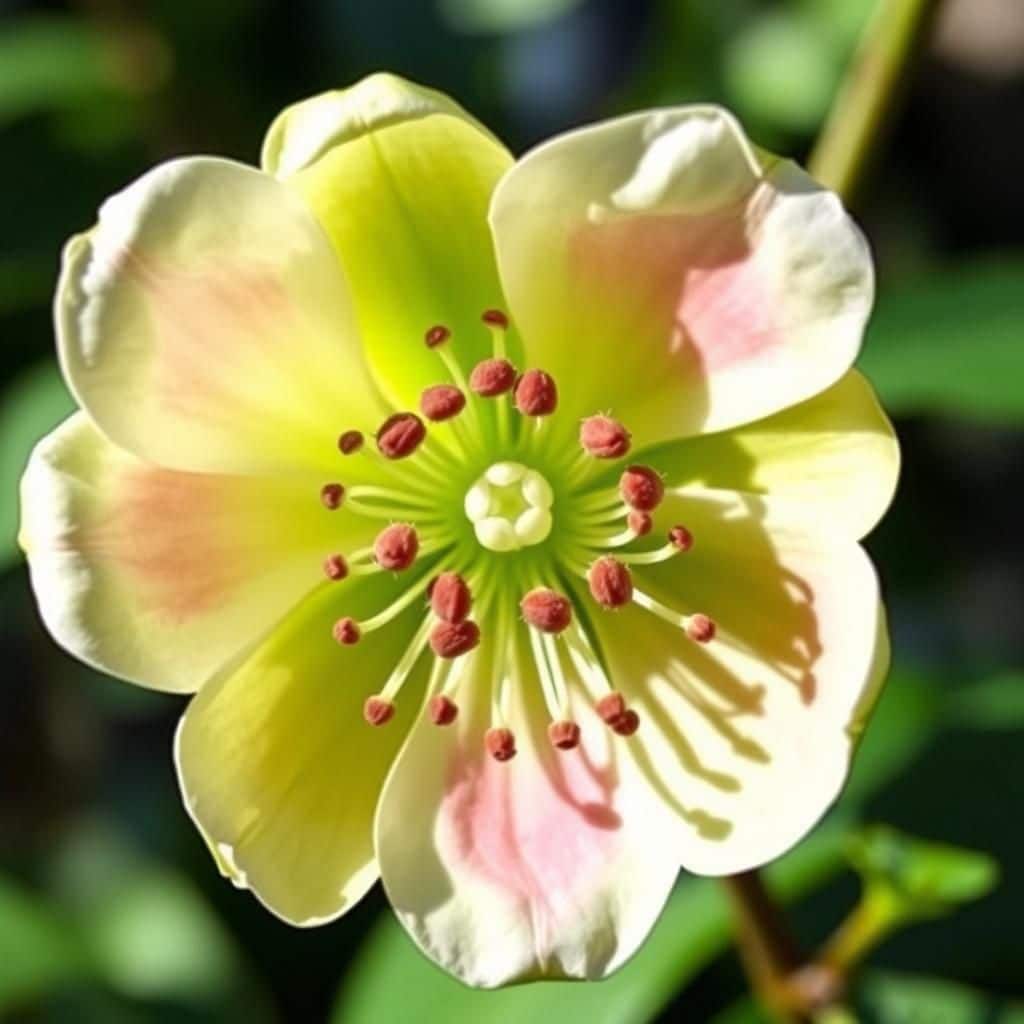
When it comes to enhancing privacy and creating lush, green barriers in your garden, Lilly Pilly plants stand out as one of the top choices. These Australian natives not only offer beautiful foliage but also possess unique qualities suitable for various landscaping needs. However, with numerous varieties available, selecting the best Lilly Pilly for screening purposes can be overwhelming. This comprehensive guide will explore the essential factors to consider, highlight popular varieties, and provide tips for successful growth. Whether you’re seeking a dense hedge or an attractive backdrop, our insights will help you make an informed decision on the perfect Lilly Pilly for your space.
What is the Best Lilly Pilly for Screening?
The best Lilly Pilly for screening purposes largely depends on the specific environmental conditions and desired characteristics, but one of the top contenders is the Syzygium australe. Known for its dense foliage, this variety is ideal for creating a privacy screen or windbreak in gardens and landscapes. It can grow quite tall, reaching heights of up to 5 meters, and features small, glossy leaves that are not only aesthetically pleasing but also serve to attract native birds and pollinators. Additionally, Syzygium australe is well-suited to a variety of soil types and is generally resistant to pests, making it a practical choice for those seeking a low-maintenance option.
Characteristics of Syzygium Australe
Syzygium australe boasts several desirable characteristics, including its rapid growth rate and evergreen foliage. The leaves are attractive and can vary in color from light green to dark green, providing a lush look year-round. This variety also produces small, edible fruits that can attract wildlife, adding another layer of value to its cultivation as a screening plant.
Growth Conditions
This Lilly Pilly thrives in full sun to partial shade, making it versatile for different garden settings. It prefers well-drained soil and benefits from regular watering, especially during dry periods. While it can tolerate a range of soil conditions, optimal growth is seen in fertile, moist soil rich in organic matter.
Pest and Disease Resistance
One of the significant advantages of using Syzygium australe for screening is its natural resistance to common pests and diseases such as leaf spot and scale insects. This resilience reduces the need for chemical treatments, making it an environmentally friendly option. However, applying organic pest control methods can enhance its health and longevity.
Maintenance Requirements
Maintenance for Syzygium australe is relatively low, with the need for periodic pruning to maintain its shape and encourage bushier growth. It is advisable to fertilize the plant annually during the growing season to promote vibrant foliage and robust growth. Regular watering, especially in the initial establishment phase, will help set a strong foundation for the plant.
Comparative Alternatives
While Syzygium australe is widely regarded as one of the best options for screening, there are alternatives like Syzygium paniculatum and Acmena smithii which may also suit particular preferences or conditions. Each variety offers unique characteristics, such as different growth habits and foliage colors, allowing for customization in landscape design.
| Variety | Height | Foliage Color | Pest Resistance |
|---|---|---|---|
| Syzygium australe | Up to 5m | Light to Dark Green | High |
| Syzygium paniculatum | 3-4m | Deep Green | Medium |
| Acmena smithii | 2-4m | Green | High |
What is the best plant for screening Neighbours?
:max_bytes(150000):strip_icc()/GettyImages-1412032977-fd61811e372a430b868805d8ddf8975f.jpg)
The best plant for screening neighbors is bamboo, specifically the clumping varieties like Fargesia. These plants are incredibly popular for privacy screening due to their fast growth, dense foliage, and ability to reach considerable heights. Bamboo's evergreen nature ensures that it provides year-round coverage, blocking unwanted views while also adding a touch of tropical elegance to your garden. Here's an overview of why bamboo stands out as an excellent choice.
Benefits of Using Bamboo for Screening
Bamboo offers numerous advantages for garden privacy, making it a favorable option for homeowners.
- Fast Growth: Bamboo is one of the fastest-growing plants, with some species able to grow up to 3 feet in a single day.
- Dense Foliage: Its thick, bushy growth creates an effective barrier that prevents prying eyes from seeing into your yard.
- Low Maintenance: Once established, bamboo requires minimal care compared to other screening plants.
Choosing the Right Bamboo Variety
Selecting the correct variety of bamboo is crucial for effective screening.
- Clumping vs. Running: Clumping bamboos are preferred for residential screening as they don't spread aggressively, unlike running bamboos.
- Height Requirements: Consider the height you need; some varieties can reach up to 20 feet tall.
- Climate Adaptation: Ensure the chosen species is suitable for your local climate zone to achieve optimal growth.
Planting and Care Tips for Bamboo
Proper planting and maintenance techniques will enhance your bamboo's growth potential.
- Soil Preparation: Bamboo thrives in well-draining, fertile soil; amend the soil as necessary before planting.
- Watering: Provide consistent moisture, especially in the initial growth stage, to help establish strong roots.
- Fertilization: Use a balanced fertilizer during the growing season to promote lush foliage.
Alternatives to Bamboo for Privacy Screening
If bamboo doesn’t suit your preferences, several other plants can also provide excellent privacy screening.
See also:
- Evergreen Trees: Varieties such as Leyland Cypress or Thuja Green Giant grow tall and dense.
- Hedges: Boxwood or Privet can be shaped to create a formal hedge that offers privacy.
- Perennial Grasses: Varieties like Miscanthus or Pampas grass can serve as a natural privacy screen while adding texture.
Legal Considerations for Planting Screening Plants
Before planting privacy screening plants, be aware of potential legal restrictions.
- Height Restrictions: Local ordinances may limit the height of screening plants, especially near property lines.
- Planting Setbacks: Some areas require specific distances from boundaries when planting certain species.
- Invasive Species Regulations: Ensure the plant species you choose are not deemed invasive in your region.
What are the disadvantages of lilly pilly?
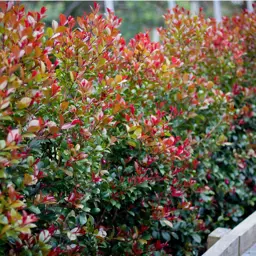
Lilly Pilly is a popular plant among gardeners due to its attractive appearance and versatility. However, it is crucial to consider its disadvantages before incorporating it into your landscaping. Here are some of the disadvantages of lilly pilly:
Susceptibility to Pests and Diseases
Lilly Pilly plants are known to be susceptible to various pests and diseases. This can lead to significant damage if not managed properly. Some common issues include:
- Leaf Spot: This fungal disease causes spots on the leaves, which can eventually lead to premature leaf drop.
- Scale Insects: These tiny pests can infest the plants, sucking sap and weakening them over time.
- Gall Wasps: They can cause galls to form on the stems, affecting plant growth and overall health.
Overly Aggressive Growth
Lilly Pilly can exhibit aggressive growth, which may be problematic for some gardeners. The rapid growth can lead to:
- Invasive Behavior: In some regions, lilly pilly can become invasive, spreading beyond its intended area and disrupting local ecosystems.
- Maintenance Challenges: Regular pruning may be required to manage its size, which can be time-consuming.
- Root Competition: The extensive root systems may compete with nearby plants for water and nutrients, hindering their growth.
Allergenic Effects
While not everyone will have an issue with lilly pilly, some individuals may experience allergic reactions to the plant. This can manifest in various ways:
- Skin Irritation: Contact with the leaves or sap can cause rashes or irritation for sensitive individuals.
- Respiratory Issues: Pollen from lilly pilly may trigger allergies in susceptible people, leading to sneezing or asthma symptoms.
- Unpleasant Odors: Some varieties may emit strong fragrances that can be off-putting in close proximity.
High Water Requirements
Lilly Pilly plants typically have high water requirements, especially during dry periods. This can lead to challenges such as:
- Drought Sensitivity: Failure to provide sufficient water can result in wilting, leaf drop, and poor health.
- Watering Costs: For those in arid regions, the need for regular watering can lead to higher utility bills.
- Soil Saturation: Overwatering can cause root rot and other issues, requiring careful monitoring and management.
Potential for Fruit and Decay Issues
Some lilly pilly varieties produce fruits that can attract pests or cause a mess when they drop. Considerations include:
- Fruit Attraction: The fruits can attract birds and insects, which may become nuisances in gardens.
- Decay: Fallen fruits can decay and create a messy environment, along with odors that could deter visitors.
- Maintenance Requirement: Cleaning up fallen fruits can require regular upkeep, adding to the maintenance burden of the garden.
What's the fastest growing lilly pilly?
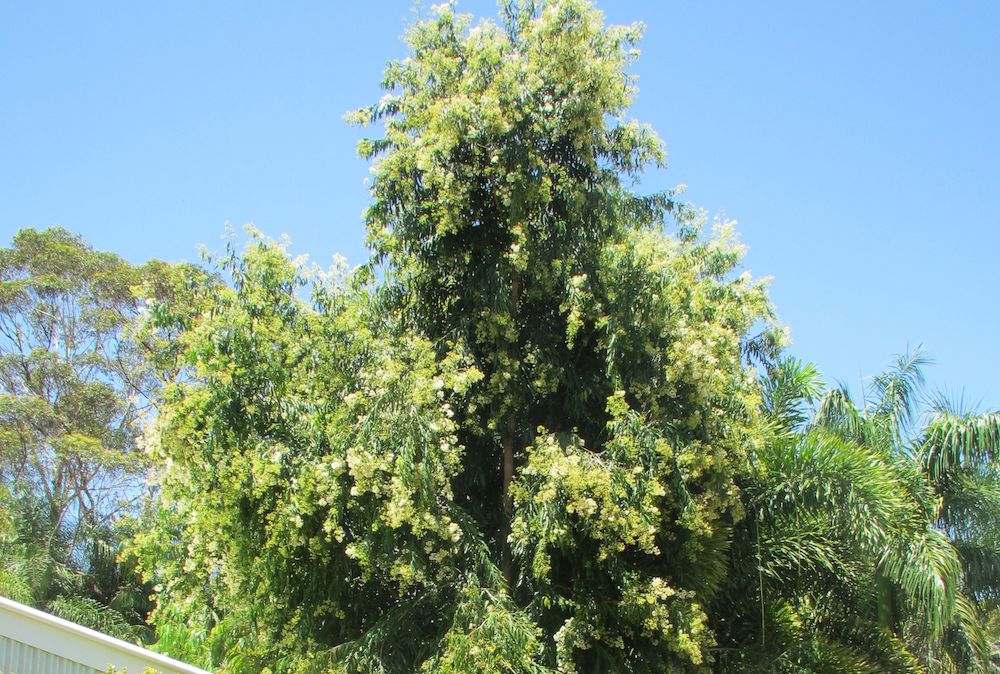
The fastest growing lilly pilly is generally considered to be Syzygium smithii, commonly known as the Chinese lilly pilly or willow-leaved lilly pilly. This species is well-regarded not only for its rapid growth rate but also for its impressive aesthetic appeal and adaptability to a variety of gardening conditions. Under optimal conditions, this plant can grow up to 3 to 5 feet (1 to 1.5 meters) in just one year.
Growth Rate Characteristics
The lilly pilly is famous for its remarkable growth rate, which can be influenced by several factors:
- Soil Quality: Well-draining, nutrient-rich soil facilitates faster growth.
- Watering: Consistent watering, especially during dry spells, helps the plant thrive.
- Sunlight: Full sun to partial shade encourages optimal growth.
Ideal Growing Conditions
For the Syzygium smithii to reach its maximum growth potential, certain conditions should be met:
- Temperature: Prefers temperatures between 60°F to 75°F (15°C to 24°C).
- Humidity: Thrives in humid environments, making it suitable for coastal areas.
- Mulching: Applying mulch helps retain moisture and regulate soil temperature.
Pests and Diseases
While generally hardy, there are some pests and diseases to monitor:
See also:
- Leaf Spot: A fungal disease that can affect leaves; proper care helps mitigate this.
- Scale Insects: These pests can suck sap from the plant, leading to weaker growth.
- Powdery Mildew: Can occur in humid conditions; ensuring good air circulation helps.
Uses in Landscaping
The Chinese lilly pilly is versatile in landscaping projects, offering numerous applications:
- Privacy Screening: Its dense foliage makes it excellent for creating natural barriers.
- Ornamental Value: Attracts birds and adds lush greenery to the garden.
- Topiary: Can be shaped and pruned easily for decorative purposes.
Propagation Methods
There are several effective methods to propagate Syzygium smithii:
- Seed Germination: Seeds can be planted in seed trays and require warmth for germination.
- Cuttings: Semi-hardwood cuttings taken in spring can root well when properly cared for.
- Layering: This method involves bending a branch to the ground to promote root development.
What is the difference between lilly pilly Select Form and Resilience?

The difference between lilly pilly Select Form and Resilience primarily lies in their growth characteristics, adaptability, and uses in landscaping. Both varieties belong to the Syzygium genus and are popular among gardeners for their attractive foliage and resilience, but they possess distinct features that make them better suited for different purposes.
Growth Characteristics
The Select Form of lilly pilly exhibits a more compact and upright growth habit compared to Resilience. This difference can significantly impact how these plants are utilized in landscaping.
- Select Form: Characterized by a tidy and more formal appearance, making it suitable for hedges and borders.
- Resilience: Grows to a larger size with a bushier form, which offers a lush, natural look in garden settings.
- Both varieties thrive well in sunny conditions, but Resilience can tolerate more adverse conditions.
Adaptability to Environment
When it comes to adaptability, Resilience shows a greater ability to withstand tough environmental conditions compared to Select Form. This can be critical depending on the planting location’s climate.
- Select Form: Prefers well-drained soils and can be sensitive to prolonged dry spells.
- Resilience: Known for its exceptional drought tolerance and ability to thrive in less-than-ideal soil conditions.
- This makes Resilience a more versatile choice for various gardening environments.
Pest and Disease Resistance
Both varieties possess strong resistance to common pests and diseases, but they exhibit differences in their level of resilience against specific threats.
- Select Form: Prone to occasional infestations of scale insects, requiring routine monitoring.
- Resilience: Demonstrates higher overall pest resistance and can recover more quickly from damage.
- The robust nature of Resilience makes it ideal for gardeners seeking low-maintenance options.
Uses in Landscaping
The intended use of each variety often dictates its suitability in landscape design. Knowing their specific features can help in making informed decisions.
- Select Form: Best for structured hedges, topiary, and formal landscapes due to its compact growth.
- Resilience: Ideal for mixed borders, informal hedging, and areas requiring more robust foliage.
- Gardeners might choose Resilience for its adaptability to diverse landscape styles.
Maintenance Requirements
Maintenance is another critical difference, influencing how much care each variety requires over time.
- Select Form: Requires regular pruning to maintain its shape and vitality.
- Resilience: Generally more forgiving of neglect, needing less frequent trimming.
- Those looking for a low-maintenance garden may prefer the Resilience variety for reduced upkeep.
Questions from Our Readers
What is the best variety of Lilly Pilly for screening?
The best variety of Lilly Pilly for screening purposes is often considered to be the Syzygium luehmannii, commonly known as the Brush Cherry. This type is favored for its fast growth, dense foliage, and ability to create a tall, lush barrier that provides excellent privacy.
How tall can Lilly Pilly grow when used for screening?
When used for screening, Lilly Pilly can reach heights of up to 5-10 meters (16-33 feet), depending on the specific variety and growing conditions. This makes them an effective choice for creating a substantial visual barrier in gardens or properties.
Are Lilly Pillies suitable for small gardens as screening plants?
Yes, certain Lilly Pilly varieties, like the Syzygium australe, are suitable for small gardens as screening plants. They can be pruned to maintain a manageable size, allowing them to fit well in tighter spaces while still providing the desired screening effect.
How do you care for Lilly Pilly when using it for screening?
Caring for Lilly Pilly when used for screening involves regular watering, especially during dry spells, and applying an organic fertilizer to promote healthy growth. It's also important to perform pruning to shape the plant and encourage a denser growth habit that enhances its screening capabilities.
https://youtube.com/watch?v=XaRBOd37KBs
If you want to read more articles like What is the Best Lilly Pilly for Screening? A Comprehensive Guide to Choosing the Right Variety, we recommend you check out our Hedges category.
Leave a Reply
Related Articles