What is the best irrigation system for a home garden? A Comprehensive Guide to Choosing the Right One
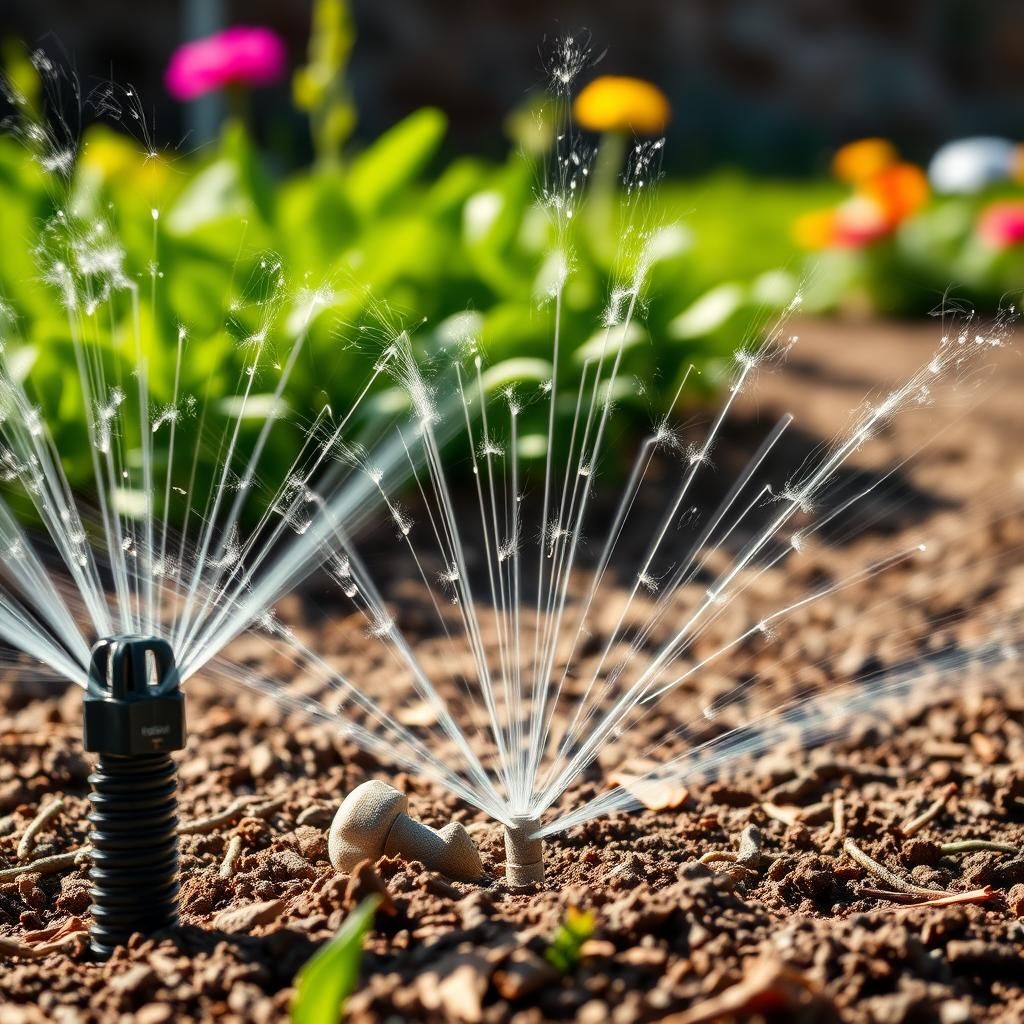
When it comes to nurturing a vibrant home garden, selecting the right irrigation system is crucial for thriving plants and efficient water use. With numerous options available, from drip irrigation to sprinklers, homeowners can easily feel overwhelmed. This comprehensive guide will explore the various irrigation systems, considering factors such as garden size, plant types, and climate conditions. By understanding the strengths and weaknesses of each system, you can make an informed decision that not only meets your gardening needs but also promotes sustainability. Dive into the details to discover the best irrigation solution for your lush oasis.
- What Is the Best Irrigation System for a Home Garden?
- What is the most efficient garden irrigation system?
- Which irrigation system is most commonly used in residential gardens?
- Is it better to use a soaker hose or sprinkler for garden?
- What is the best watering method for a garden?
- Questions from Our Readers
What Is the Best Irrigation System for a Home Garden?
When considering the best irrigation system for a home garden, it is essential to evaluate factors such as the size of the garden, the types of plants, and the local climate conditions. Drip irrigation is often regarded as the most efficient and sustainable option, delivering water directly to the plants' roots and minimizing evaporation and runoff. This system not only conserves water but also reduces the growth of weeds, leading to healthier plants and a more fruitful garden. Additionally, sprinkler systems can be effective for larger areas, but they tend to use more water and may not be as efficient for garden beds. Ultimately, selecting the right system involves a balance between efficiency, cost, and the specific needs of your garden.
Types of Irrigation Systems
There are several types of irrigation systems suitable for home gardens, including drip irrigation, sprinkler systems, and soaker hoses. Drip irrigation involves a network of tubes and emitters that release water slowly directly to the plant roots, which is ideal for vegetable gardens and flower beds. Sprinkler systems, on the other hand, are versatile and can cover larger areas, but they may lead to water loss through evaporation. Soaker hoses work by allowing water to seep out slowly along the length of the hose, making them great for rows of plants. Each method has its benefits depending on the garden's layout and plants.
Water Conservation
One of the primary advantages of utilizing a well-planned irrigation system is water conservation. Systems like drip irrigation apply water slowly and strategically, which helps in reducing water waste significantly. This is especially crucial in areas facing drought conditions or where water resources are limited. Utilizing a rain barrel system can also complement your garden's irrigation needs by collecting rainwater and channeling it for use. By implementing such systems, homeowners not only contribute to environmental sustainability but also can expect lower utility bills.
Installation and Maintenance
The ease of installation and maintenance is another important consideration when choosing an irrigation system for your home garden. Drip systems can be relatively straightforward to set up and require minimal annual maintenance, which is ideal for busy gardeners. Sprinkler systems, while more complex, may need regular checks and adjustments to ensure proper coverage. Establishing a schedule for maintenance, such as cleaning filters or replacing broken parts, ensures the longevity and effectiveness of your system, ultimately leading to a thriving garden.
Cost Considerations
Cost is a significant factor when selecting an irrigation system for a home garden. Initial investment costs can vary widely depending on the type of system chosen. For instance, drip irrigation can be affordable for small gardens, while larger properties may require a more elaborate sprinkler system, which can incur additional costs due to installation and water bills. It is essential to weigh initial costs against long-term savings from water conservation and lower maintenance needs, making an informed decision better suited to your budget and gardening goals.
Climate and Plant Needs
Lastly, understanding your local climate and the specific needs of your plants is crucial in selecting the right irrigation system. For example, in hotter climates, systems that minimize evaporation, like drip irrigation, may be more effective, while in cooler, wetter regions, traditional sprinkler systems might suffice. Additionally, different plants have varying water requirements; some thrive with frequent, light watering, while others prefer deep watering sporadically. Tailoring your system to these specifics can lead to improved plant health and growth.
| Irrigation System | Advantages | Disadvantages |
|---|---|---|
| Drip Irrigation | Water conservation, reduces weed growth | Higher initial setup cost |
| Sprinkler System | Covers large areas, easy to use | Higher water loss, may promote weeds |
| Soaker Hose | Simple, good for rows of plants | Limited coverage area |
What is the most efficient garden irrigation system?

The most efficient garden irrigation system is generally considered to be drip irrigation. Drip irrigation delivers water directly to the base of plants through a network of tubing and emitters, minimizing evaporation and runoff. This method is particularly beneficial for conserving water, ensuring that your plants receive the precise amount they need without waste.
Advantages of Drip Irrigation
Drip irrigation systems offer several advantages that make them an efficient choice for gardening. Key benefits include:
- Water Conservation: Drip systems use less water compared to traditional irrigation methods.
- Targeted Delivery: Water is delivered directly to the root zone, which enhances absorption and reduces waterlogged areas.
- Reduced Weed Growth: By targeting the plants, drip irrigation minimizes water on surrounding soil, thus reducing weed proliferation.
Types of Drip Irrigation Systems
There are various types of drip irrigation systems available, each suited for different gardening needs:
- Inline Drip Tape: Ideal for row crops and seasonal gardens as it is flexible and easy to install.
- Drip Tubing with Emitters: Offers customizable emitter placement and can be adjusted for different plant needs.
- Expandable Drip Systems: Perfect for gardens that may expand, allowing for easy additions of new plants or areas.
Installation Considerations for Drip Systems
Proper installation is crucial for the efficiency of a drip irrigation system. Here are some considerations:
- Planning Layout: Design the layout based on plant types and spacing to ensure all plants receive adequate water.
- Filter and Pressure Regulator: Install a filter to prevent clogging and a pressure regulator to ensure consistent water flow.
- Regular Maintenance: Check emitters for blockages and clean the system annually to maintain efficiency.
Comparing Drip Irrigation to Other Systems
When examining other irrigation systems, it's important to note the differences:
See also:
- Sprinkler Systems: While effective for large areas, they can lead to higher evaporation rates and uneven water distribution.
- Soaker Hoses: These provide a passive solution but are less precise in delivering water directly to the roots.
- Flood Irrigation: Most water-intensive and generally less efficient due to high evaporation and runoff.
Cost and Sustainability of Drip Irrigation
Investing in a drip irrigation system involves initial costs but can lead to long-term savings:
- Initial Investment: Equipment and installation costs can be higher than traditional methods.
- Water Savings: Reduced water usage can lead to lower utility bills over time.
- Sustainability: Conserving water contributes positively to environmental efforts and promotes responsible gardening.
Which irrigation system is most commonly used in residential gardens?
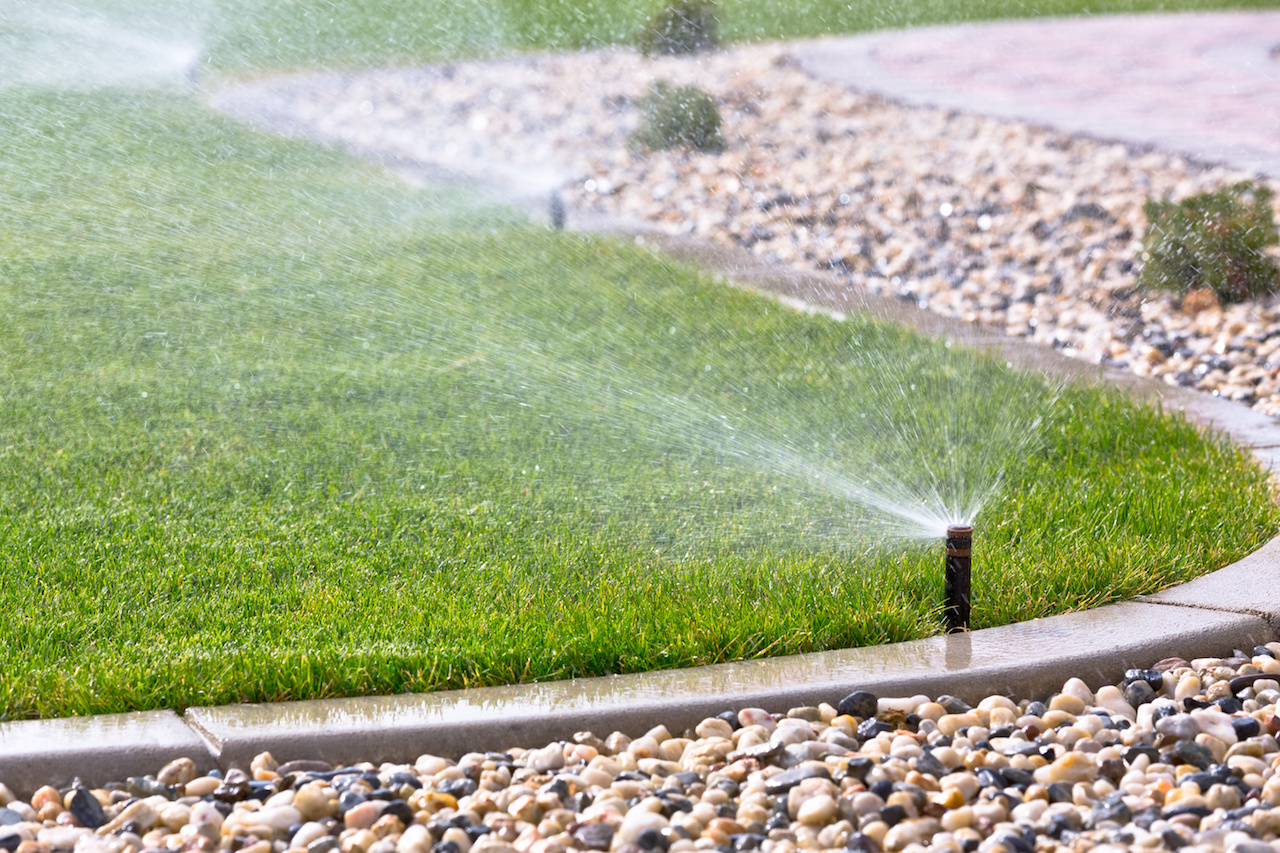
The most commonly used irrigation system in residential gardens is the drip irrigation system. This method is favored for its efficiency in water usage and its ability to deliver water directly to the plant roots. Drip irrigation reduces water waste and is particularly suitable for gardens with a variety of plants requiring different amounts of moisture.
Benefits of Drip Irrigation
Drip irrigation offers numerous advantages for residential gardens:
- Water Efficiency: Delivers water directly to the root zone, minimizing evaporation and runoff.
- Reduced Weed Growth: Since water is applied only to the plants, it limits moisture availability for weeds.
- Customizable: The system can be tailored to meet the specific watering needs of different plants.
Components of a Drip Irrigation System
A typical drip irrigation system consists of several key components:
- Drip Emitters: These devices regulate the flow of water to each plant.
- Hoses: Tubing that distributes water from the main supply to the emitters.
- Filtration System: Prevents clogging by filtering out debris and particles from the water supply.
Installation Process
The installation of a drip irrigation system involves several steps:
- Planning: Assess your garden layout and plant requirements to design an effective system.
- Trenching: If necessary, dig trenches for the main water line to run through the garden.
- Connecting Components: Install hoses, emitters, and the filtration system according to your initial design.
Maintenance of Drip Irrigation Systems
Regular maintenance is essential to ensure the longevity and efficiency of a drip irrigation system:
- Checking for Clogs: Periodically inspect emitters and hoses for blockages that can restrict water flow.
- Seasonal Adjustments: Adjust watering schedules or emitter outputs based on seasonal changes in plant requirements.
- Cleaning Filters: Regularly clean the filtration system to maintain optimal water quality.
Alternatives to Drip Irrigation
While drip irrigation is popular, there are alternative systems also used in residential gardens:
- Soaker Hoses: These hoses allow water to seep slowly into the soil, providing a more traditional irrigation method.
- Sprinkler Systems: Ideal for larger areas, these systems can cover a wide range but may use more water.
- Rainwater Harvesting: A sustainable option that collects rainwater for irrigation, reducing dependency on municipal water.
Is it better to use a soaker hose or sprinkler for garden?
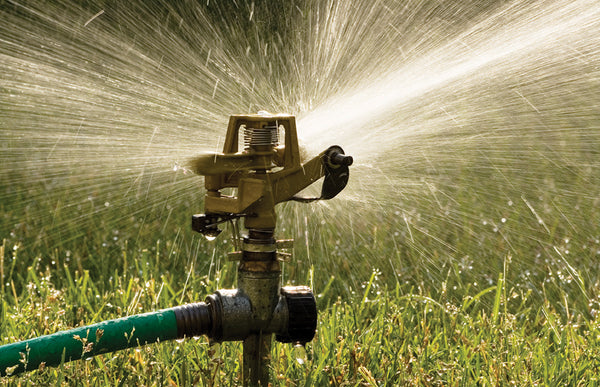
When deciding whether to use a soaker hose or a sprinkler for your garden, it's essential to consider various factors that influence efficiency, water conservation, and plant health. Each method has its advantages and disadvantages, which can cater to different gardening needs.
Watering Efficiency
The efficiency of watering is critical for the health of your plants.
- Soaker hoses deliver water directly to the soil, minimizing evaporation and runoff.
- Sprinklers can cover larger areas but may waste water through evaporation, especially in warm or windy conditions.
- For small gardens or specific plants, soaker hoses usually provide better targeted watering.
Soil Saturation
Understanding how well each method saturates the soil is crucial for plant growth.
- Soaker hoses ensure consistent moisture levels in the soil, which is vital for root development.
- Sprinklers may lead to uneven soil saturation, leaving some areas dry while others may become waterlogged.
- Soaker hoses can also help in preventing fungal diseases by keeping the foliage dry.
Water Conservation
Water conservation is increasingly important in gardening.
See also:
- Soaker hoses use less water overall due to their ability to deliver it directly to the root zone.
- Sprinklers often use more water because of overspray and evaporation.
- Utilizing a soaker hose can contribute to lower water bills and reduced environmental impact.
Installation and Maintenance
Consider the ease of installation and ongoing maintenance when choosing.
- Soaker hoses are relatively easy to set up and can be laid out around plants without much hassle.
- Sprinklers may require more complex installation if you are aiming for a permanent system.
- Soaker hoses do need regular checks for clogs and wear, while sprinklers may need adjustments for even coverage.
Cost Consideration
Budgeting for your watering system can significantly influence your choice.
- Soaker hoses are generally less expensive to purchase and install than full sprinkler systems.
- Sprinklers can vary widely in cost depending on the system type—manual versus automatic.
- The savings from reduced water usage with soaker hoses can translate into long-term cost benefits.
What is the best watering method for a garden?

The best watering method for a garden can vary depending on factors such as plant types, soil conditions, and climate. However, efficient and effective watering typically combines the principles of deep watering, appropriate timing, and suitable techniques that minimize water wastage. Here are some methods:
Understanding the Importance of Watering
Regular and sufficient watering is essential for the health and growth of your plants. Water is crucial for various physiological processes including photosynthesis, nutrient absorption, and temperature regulation.
- Facilitates nutrient transport
- Ensures plant hydration
- Promotes strong root development
Drip Irrigation System
One of the most efficient ways to water a garden is through a drip irrigation system. This method delivers water directly to the plant roots in a controlled manner, reducing evaporation and runoff.
- Precision watering at the root zone
- Reduces weed growth by minimizing water on non-plant areas
- Conserves water by using 30-50% less than traditional methods
Soaker Hoses
Soaker hoses are another effective technique for watering gardens. They release water slowly and evenly over time, allowing moisture to seep into the soil where it's most needed.
- Easy to install and remove
- Can be laid out in rows or circles to fit various garden shapes
- Encourages deep root growth through consistent soil moisture
Hand Watering
While it may be more labor-intensive, hand watering can be beneficial for small gardens or specific plants that require special attention.
- Allows for personalized care of individual plants
- Offers the ability to adjust water quantity based on specific needs
- Great for avoiding overwatering in sensitive plant species
Timing and Frequency of Watering
The timing and frequency of watering play a critical role in a successful watering regimen. It is essential to consider when and how often to water your garden for optimal results.
- Water early in the morning or late afternoon to reduce evaporation
- Avoid watering during windy conditions to minimize water loss
- Consider soil moisture and plant type to determine appropriate frequency
Monitoring Soil Moisture
Understanding soil moisture levels is vital for effective watering. Using a moisture meter or performing a simple finger test can help gauge when to water your plants.
- Provides insight into water needs based on soil texture
- Helps prevent overwatering which can lead to root rot
- Allows for adjustments in watering schedule based on seasonal changes
Questions from Our Readers
What is the best type of irrigation system for a home garden?
The best type of irrigation system for a home garden often depends on the garden's size and the plants' water requirements. Drip irrigation is generally recommended for its efficiency, as it delivers water directly to the roots of plants, minimizing evaporation and runoff. Sprinkler systems can also be effective for larger areas but may require more water.
How much does it cost to install an irrigation system in a home garden?
The cost to install an irrigation system in a home garden can vary widely based on the type of system and garden size. On average, a basic drip irrigation system can start around $100 to $300, while more complex sprinkler systems may range from $500 to $2,500 or more, depending on installation complexity and features.
How can I maintain my home garden irrigation system?
Maintaining your home garden irrigation system involves regular checks and routine upkeep. It's important to inspect for leaks, clean filters, and ensure that drippers and nozzles are not clogged. Additionally, you should adjust the system based on seasonal water needs to ensure optimal performance.
See also:
How often should I water my garden using an irrigation system?
The frequency of watering your garden with an irrigation system depends on several factors, including plant type, soil conditions, and weather. Generally, it's advisable to water deeply and infrequently, about once or twice a week, allowing the soil to dry out between irrigation sessions to promote healthy root growth.

If you want to read more articles like What is the best irrigation system for a home garden? A Comprehensive Guide to Choosing the Right One, we recommend you check out our Irrigation category.
Leave a Reply
Related Articles