What is the Best Hedge for Against a Fence? Top Choices and Tips for Your Garden
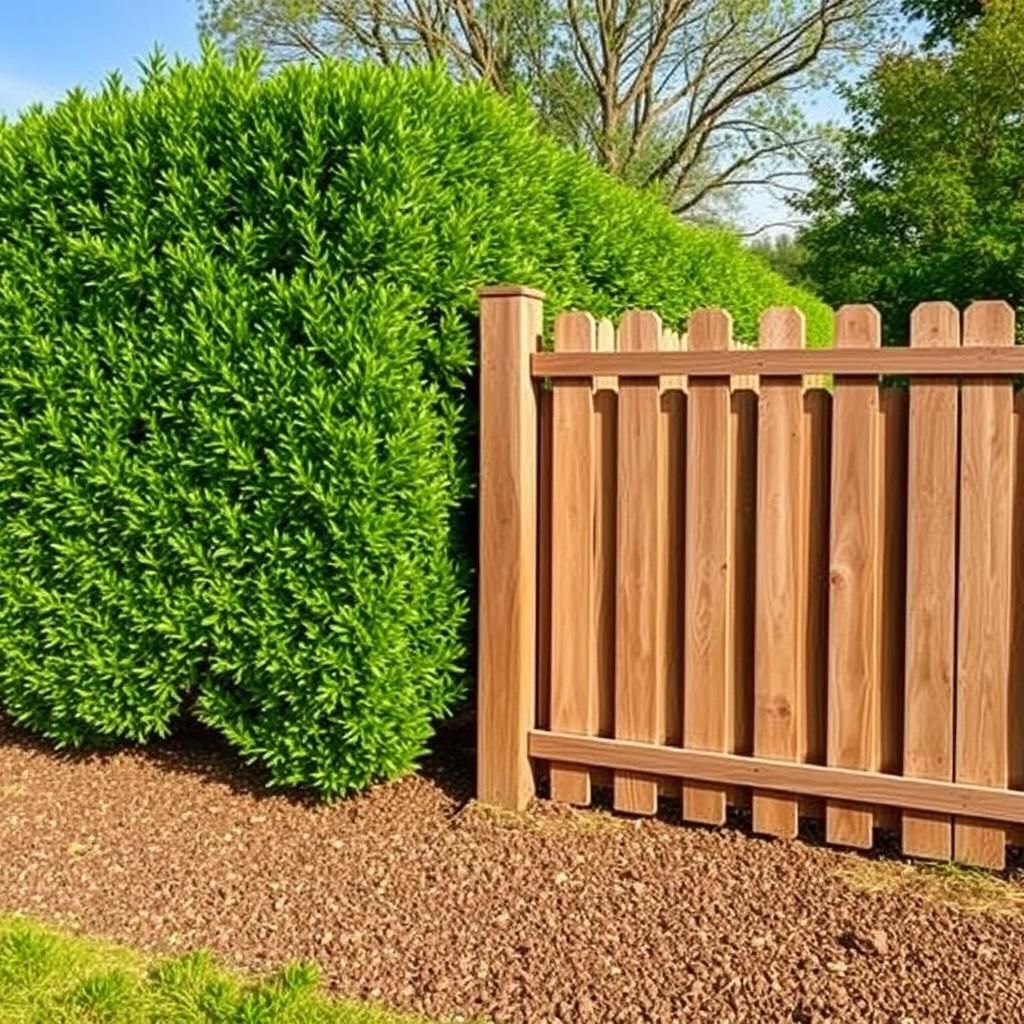
When it comes to enhancing the beauty and functionality of your garden, choosing the right hedge can make all the difference. A well-selected hedge not only acts as a natural barrier against unwanted intrusions but also provides privacy, wind protection, and habitat for local wildlife. With a plethora of options available, it’s essential to understand which plants are most suitable for your specific needs. This article will explore the best hedge choices to complement your fence, offering valuable tips on selection, maintenance, and design to help you create a thriving, picturesque garden landscape.
What is the Best Hedge for Against a Fence?
When choosing the best hedge to plant alongside a fence, it is important to consider factors such as the climate, the desired height and density of the hedge, and whether you prioritize privacy or aesthetic value. Popular choices include Leylandii, which grows rapidly and provides a tall, dense screen; Boxwood, for a more formal appearance; and Bamboo, known for its quick growth and ability to create a tall, lush barrier. Additionally, other native options like Privet or Yew can enhance the landscape while supporting local wildlife. Ultimately, the best hedge depends on your specific needs and any local regulations regarding height and maintenance.
Factors to Consider When Choosing a Hedge
When selecting a hedge to plant next to a fence, several factors should be taken into account. These include climate compatibility, growth rate, root system compatibility with existing structures, and the intended purpose of the hedge—whether for privacy, wind protection, or decorative purposes. The maintenance required, such as pruning frequency and general care, is also critical. Additionally, the height of the fence and any local regulations on plant height must be reviewed to ensure compliance and harmony between the hedge and the existing fence.
Popular Hedge Choices
Several popular hedge choices exist, each offering unique characteristics. Leylandii is favored for its rapid growth and height potential, creating an effective privacy barrier. Boxwood provides a classic, structured look, being particularly suited for formal gardens. On the other hand, Bamboo is an excellent option for those wanting a fast-growing and lush hedge, although it requires careful management due to its invasive growth tendencies. Other alternatives include Privet, known for its adaptability, and Yew, which offers dense cover and can tolerate shaded areas.
Maintenance Requirements
The maintenance of hedges varies significantly by species. For example, Leylandii requires regular trimming to manage its aggressive growth, while Boxwood may need shaping to maintain its form. Native hedges like Yew and Privet are generally easier to care for, needing less frequent pruning. When selecting a hedge, it is essential to understand the maintenance needs, watering requirements, and susceptibility to pests or diseases to ensure it remains healthy and attractive throughout the seasons.
See also:
Hedge and Fence Compatibility
Hedges planted alongside fences must be chosen with their compatibility in mind. Some hedges, such as Bamboo, can exert significant pressure on fences due to their expansive root systems, while others, like Boxwood, are more contained. Furthermore, the height of the hedge should not obstruct necessary light for adjacent properties, and care should be taken to avoid unwanted shadowing that can occur from tall hedges against fences. Ultimately, achieving a balance between the hedge height, density, and fence design is key for a harmonious look.
Environmental Benefits of Hedges
Hedges offer numerous environmental benefits, making them an attractive choice for landscaping solutions. They serve as natural barriers against wind and noise and provide habitats for various wildlife species. Hedges can also play a significant role in biodiversity, supporting pollinators and other creatures. Furthermore, they can improve air quality by filtering pollutants. When strategically placed alongside fences, hedges contribute to sustainable landscaping practices and enhance the ecological health of residential and commercial spaces.
| Hedge Type | Growth Rate | Height | Maintenance |
|---|---|---|---|
| Leylandii | Fast | Up to 20 ft | Regular trimming |
| Boxwood | Slow to Moderate | 3-15 ft | Occasional shaping |
| Bamboo | Very Fast | 10-30 ft | Frequent control needed |
| Privet | Moderate | 4-12 ft | Regular pruning |
| Yew | Slow to Moderate | 3-20 ft | Minimal care |
Choosing the Right Hedge: Factors to Consider
When selecting the ideal hedge for installation against a fence, it's essential to evaluate several factors that influence both aesthetic appeal and practical functionality. Consider the climate of your area, as some species thrive better in specific environments. Additionally, think about the growth rate and mature height of the plant to ensure it complements your fencing without overwhelming the space. The maintenance required, such as pruning and watering needs, also plays a vital role in the decision-making process. Lastly, evaluate how much privacy or windbreak you want the hedge to provide, ensuring it meets your garden's specific requirements.
Popular Hedge Varieties for Fencing
A variety of hedge species can serve as effective barriers against fences. Some popular choices include Boxwood, known for its dense foliage and ability to be shaped easily, and Laurel, favored for its fast growth and privacy benefits. Other notable options are Privet, which is hardy and tolerates pruning well, and Arborvitae, ideal for creating tall screens. Each of these options brings unique characteristics to a garden, so selecting one that aligns with your goals is crucial.
Consider the Growth Rate of Hedges
When planting a hedge against a fence, the growth rate of the chosen species can significantly affect your garden's layout and ambiance. Fast-growing hedges like Leylandii can provide immediate coverage but may require more maintenance due to their rapid expansion. In contrast, slower-growing options like Yew may necessitate a longer waiting period for full impact but offer a more controlled growth that requires less frequent trimming. Balancing growth rates with the desired outcome is essential for satisfying landscape design.
See also:
Importance of Hedge Height
The height of the hedge is paramount in determining its suitability against a fence. Medium to tall hedges can create an effective privacy screen, while shorter varieties may serve more decorative purposes or simply delineate garden boundaries. Ensuring that the hedge does not exceed the height of the fence can prevent potential legal issues with neighbors, especially in residential areas. Therefore, selecting a hedge that fits within the landscape's height parameters while fulfilling its intended function is vital.
Maintenance Needs of Different Hedges
Understanding the maintenance needs of various hedges is fundamental when putting them against a fence. Some hedges require regular trimming, while others may need less frequent intervention to maintain their shape. Hedges like Boxwood are relatively low-maintenance but benefit from occasional pruning to promote air circulation. On the other hand, fast-growing hedges such as Leylandii need frequent trimming to keep them within bounds. Evaluating the time and effort you can devote to hedge upkeep will guide your selection process.
Enhancing Privacy and Security with Hedges
Hedges are not only decorative; they play a significant role in enhancing privacy and security around your property. Lush, dense hedges act as natural barriers, deterring unwanted attention and providing a sense of seclusion. By selecting tall, robust species, you can create an effective division between neighbors and reduce street visibility. Those looking to bolster security should consider thorny varieties like Hawthorn, which can provide a more formidable deterrent against intruders while maintaining aesthetic appeal.
Questions from Our Readers
What is the best hedge for privacy against a fence?
Evergreen hedges such as Leylandii or Arborvitae are often considered the best options for privacy as they grow quickly and create a thick screen. These plants not only provide year-round coverage but also act as a natural sound barrier. When selecting a hedge, ensure it meets your local growth regulations while also considering maintenance needs.
How fast do hedges grow for fence privacy?
The growth rate of hedges can vary significantly depending on the species, but many popular choices such as Thuja Green Giant can grow up to 3 feet per year under optimal conditions. It's essential to provide adequate water, sunlight, and nutrients to promote healthy growth. Fast-growing varieties can offer substantial privacy in just a few years.
See also:
Can climbing plants be used as a hedge against a fence?
Yes, climbing plants like ivy or jasmine can effectively serve as a living hedge when trained along a fence. These plants can cover vertical spaces quickly and provide a lush, green appearance. However, it's crucial to monitor their growth to prevent them from becoming invasive or damaging the fence structure.
What maintenance do hedges require for lasting effectiveness?
To maintain a hedge's effectiveness, regular maintenance is crucial, including pruning, watering, and fertilizing. Pruning helps shape the hedge and encourages bushier growth while ensuring sunlight reaches the inner branches. Additionally, keeping the soil healthy with appropriate nutrients will promote vigorous growth and density.

If you want to read more articles like What is the Best Hedge for Against a Fence? Top Choices and Tips for Your Garden, we recommend you check out our Hedges category.
Leave a Reply
Related Articles