What is the Best Foundation for a Greenhouse? A Complete Guide to Choices and Tips

Choosing the right foundation for a greenhouse is crucial for its structural integrity and longevity. The foundation not only supports the weight of the greenhouse but also affects insulation, drainage, and overall stability. With various options available, from concrete slabs to wooden frames, selecting the best foundation can seem overwhelming. This complete guide will explore the different types of foundations, their pros and cons, and essential tips to help you make an informed decision. Whether you're a novice gardener or an experienced horticulturist, understanding these foundations will ensure your greenhouse thrives in any environment.
What is the Best Foundation for a Greenhouse?
When choosing the best foundation for a greenhouse, it is crucial to consider factors like soil type, local climate, and the specific requirements of the greenhouse structure. A solid foundation not only enhances stability and durability but also prevents moisture issues and pest infiltration. Common options include concrete slabs, which offer excellent support and durability; pressure-treated wood, which is more cost-effective and easier to work with; and gravel bases, which provide good drainage. Each option has its benefits and drawbacks, so evaluating the greenhouse size, intended use, and budget will help determine the most suitable foundation type for your needs.
Types of Greenhouse Foundations
There are several types of foundations commonly used for greenhouses. The most popular options include concrete foundations, which provide a solid and permanent base; wooden frames, which are easier to construct and can be more aesthetically pleasing; and gravel foundations, which allow for excellent drainage. Each foundation type has its unique attributes and challenges, so it's essential to match the foundation style with the greenhouse design and local environmental conditions.
Importance of Drainage
Proper drainage is a critical aspect of a greenhouse foundation. It prevents water from pooling around the base, which can lead to root rot and structural damage. Foundations like gravel or raised beds offer better drainage options compared to solid concrete. Additionally, incorporating drainage systems within the greenhouse will further protect plants and equipment from excess moisture, supporting a healthier growing environment.
Climate Considerations
The local climate plays a significant role in foundation selection for a greenhouse. In regions with heavy snowfall, a stronger foundation, such as a concrete slab, may be necessary to withstand the added weight. Conversely, in warmer climates, a lighter foundation might suffice, permitting greater flexibility in construction materials. Always factor in seasonal weather patterns when deciding on the best foundation for your greenhouse.
Budgeting for Your Foundation
When planning your greenhouse foundation, budgeting is essential. Concrete foundations tend to be more expensive due to materials and labor, while wood and gravel are typically more cost-effective. However, investing in a sturdy foundation will save money in the long run by reducing maintenance and replacement costs. Therefore, it’s vital to balance initial expenses with longevity and durability when making your decision.
DIY vs. Professional Installation
Whether to pursue DIY construction or hire professionals for your greenhouse foundation can significantly affect both budget and quality. A DIY approach offers cost savings but requires a certain level of skill and an understanding of best practices. On the other hand, hiring professionals ensures a well-constructed foundation but at a higher cost. Carefully consider your experience and the complexity of the foundation chosen to make the best decision for your greenhouse project.
| Foundation Type | Benefits | Drawbacks |
|---|---|---|
| Concrete | Stable and durable | Higher cost |
| Wood | Cost-effective and easy to construct | May rot over time |
| Gravel | Excellent drainage | Less stable for larger structures |
What is the best base to put a greenhouse on?

The best base to put a greenhouse on is a critical factor that can significantly influence its stability, longevity, and overall effectiveness in growing plants. Generally, the foundation of a greenhouse should provide a level, stable, and well-draining surface. Common choices for greenhouse bases include concrete, gravel, paving stones, and pre-made greenhouse bases. Below is a detailed exploration of these options, as well as considerations to keep in mind when selecting a base.
Concrete Foundation
A concrete foundation is one of the most durable and reliable bases for a greenhouse. It provides a solid, level surface that can withstand heavy winds and weather conditions.
- Stability: Concrete offers excellent stability, ensuring that the greenhouse remains anchored.
- Longevity: It lasts for many years without deterioration.
- Weed Control: A concrete base minimizes weed growth around the greenhouse.
Gravel Base
A gravel base is another popular option, especially for small greenhouses. It offers good drainage while preventing water accumulation, which can harm plant roots.
- Drainage: Gravel allows water to drain away from the base, preventing pooling.
- Cost-Effective: It is usually cheaper and easier to install compared to concrete.
- Flexible Placement: Gravel can easily be adjusted to fit different greenhouse sizes.
Paving Stones or Bricks
Using paving stones or bricks provides a sturdy and aesthetically pleasing base for a greenhouse. This type of base combines durability with visual appeal.
- Versatility: Paving stones can create various designs and layouts for your greenhouse.
- Stability: Like concrete, paving stones provide strong support against wind and shifting soil.
- Aesthetic Appeal: Paving stones can enhance the visual design of your backyard.
Pre-Made Greenhouse Bases
Pre-made greenhouse bases are an option for those looking for convenience. These bases are designed to fit popular greenhouse models and often come with easy installation features.
- Ease of Installation: Most pre-made bases can be installed quickly with minimal tools.
- Compatibility: They are specifically designed for certain greenhouse types, ensuring a good fit.
- Material Variety: Available in wood, plastic, or metal options that can suit different garden styles.
Considerations for Choosing a Greenhouse Base
When selecting a base for your greenhouse, there are several important factors to consider to ensure the best results.
See also:
- Climate: Different environments may call for specific base materials to withstand local weather conditions.
- Soil Type: Understanding your soil's drainage capacity can influence which base is most suitable.
- Size of Greenhouse: Large greenhouses may need a more robust foundation, such as concrete, compared to smaller ones.
What foundation to use for a greenhouse?
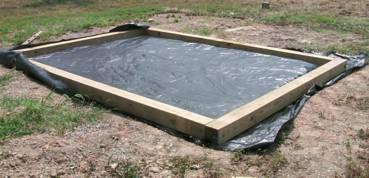
To determine what foundation to use for a greenhouse, several factors must be considered, including the greenhouse's size, the local climate, the type of soil, and the materials available. The foundation is crucial as it provides stability and support while isolating the greenhouse from soil moisture and pests.
Types of Foundations for Greenhouses
There are several common types of foundations suitable for greenhouses. Each has its own advantages depending on specific needs and environmental conditions. Here are some popular options:
- Concrete Slab: Provides a solid and durable base, preventing weeds and pests.
- Wood Frame: Easier to construct, offers good insulation, but may require more maintenance.
- Block Foundation: Offers stability and can be adjusted for uneven ground; however, it requires more labor.
Considerations for Soil Type
The type of soil where the greenhouse will be installed plays a significant role in selecting the foundation type. Different soil types respond differently to moisture and temperature, affecting the greenhouse's durability.
- Sandy Soil: Allows drainage but may require a stable base to prevent shifting.
- Clay Soil: Retains moisture which can lead to issues with rot; a concrete slab may be more effective.
- Loamy Soil: Balanced drainage and retention, allowing for various foundation options.
Climate Considerations
The climate of the region where the greenhouse is located will influence the foundation choice. Factors such as wind, snow load, and temperature fluctuations need to be considered.
- Windy Areas: A deeper or more secure foundation like a concrete slab is recommended to withstand strong gusts.
- Snowy Regions: Must support heavier loads, making a solid foundation essential.
- Hot Climates: Foundations that allow good air circulation can help control greenhouse temperatures.
Installation Process
The installation process of the chosen foundation type is crucial to ensure its effectiveness and stability. Here are the typical steps involved:
- Site Preparation: Clear the area of debris, rocks, and vegetation.
- Leveling the Ground: Ensure a flat surface to avoid issues during construction.
- Building the Foundation: Follow specific guidelines depending on the chosen type, ensuring proper dimensions and materials.
Cost-Effectiveness and Materials
The budget is often a significant factor in determining the foundation type. Different materials have varying costs and longevity.
- Concrete: Usually more expensive upfront but offers longevity and low maintenance.
- Wood: Cheaper and easier to install, but may not last as long and requires maintenance.
- Recycled Materials: Can be a budget-friendly option, depending on availability and type.
What is best to put on the floor of a greenhouse?

When considering what to put on the floor of a greenhouse, it is essential to choose materials that promote plant health, ease maintenance, and ensure proper drainage. Here are some of the best options:
1. Gravel or Crushed Stone: This is one of the most common choices for greenhouse flooring. It provides excellent drainage and can help prevent water pooling.
Benefits of Gravel Flooring
Gravel flooring offers several advantages:
- Improved Drainage: Gravel allows water to drain quickly, reducing the risk of waterlogging.
- Weed Prevention: A well-laid gravel base can help suppress weed growth.
- Ease of Maintenance: It is straightforward to sweep and maintain, ensuring a clean environment.
2. Concrete: Pouring a concrete slab is a durable and versatile option. It provides a stable surface for staging and foot traffic.
Advantages of Concrete Floors
The benefits of a concrete floor include:
- Longevity: Concrete is incredibly durable and can last for many years without needing replacement.
- Customizable Appearance: Concrete can be painted or stamped to match aesthetic preferences.
- Easy to Clean: Smooth surfaces help with quick cleaning and disinfecting.
3. Interlocking PVC Tiles: These tiles are easy to install and come in various colors and textures, providing both functionality and design options.
See also:
Features of PVC Tiles
Interlocking tiles offer several notable features:
- Shock Absorption: They can reduce fatigue among those who work in the greenhouse for extended periods.
- Easy Installation: They can be quickly laid down without the need for additional adhesives.
- Water Resistant: PVC tiles are resistant to mold and mildew, making them ideal for humid environments.
4. Natural Mulch: Using organic materials like wood chips or straw can create a natural look and improve soil quality.
Advantages of Natural Mulch Flooring
The benefits of using natural mulch include:
- Soil Improvement: As the mulch decomposes, it adds nutrients to the soil.
- Temperature Regulation: Mulch can help regulate soil temperature and moisture levels.
- Eco-Friendly: Natural materials contribute to a sustainable gardening practice.
5. Rubber Matting: This surface provides good grip and cushioning, making it a safe choice for busy greenhouses.
Benefits of Rubber Matting
The key advantages of rubber matting include:
- Non-Slip Surface: Reduces the risk of accidents, especially in wet conditions.
- Comfort: Cushions the feet, making it comfortable for standing and walking for long hours.
- Durability: Rubber matting is resistant to wear and tear, ensuring it lasts in high-traffic areas.
How deep should greenhouse foundations be?
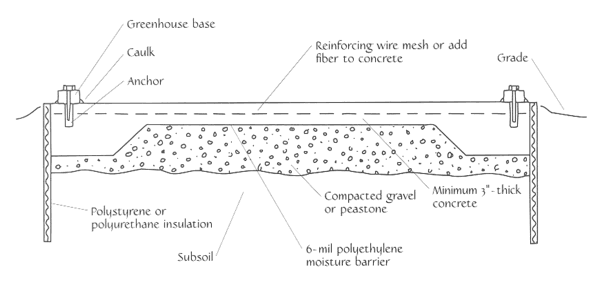
The depth of greenhouse foundations can vary based on several factors including climate, soil type, and design. Typically, the foundation should be at least 12 inches deep for lightweight structures, but for larger, more permanent greenhouses, it may need to be deeper, often between 24 to 36 inches. This depth helps ensure stability, prevents frost heave in colder climates, and supports the greenhouse's weight. It is crucial to consider drainage to avoid water accumulation that could undermine the foundation's integrity.
Foundation Depth in Different Climates
In warmer climates, 12 to 18 inches may be sufficient due to milder temperatures and a reduced risk of frost heave. In contrast, colder regions require deeper foundations to reach below the frost line, which can be as deep as 36 inches or more.
- Warm climates: 12-18 inches
- Temperate climates: 18-24 inches
- Cold climates: 24-36 inches or deeper
Soil Type Considerations
The type of soil can significantly affect the foundation depth. Sandy soils often provide good drainage and may require less depth, while clay soils can retain water and may need deeper foundations to prevent settling or shifting.
- Sandy soils: 12-18 inches
- Clay soils: 24-36 inches
- Rocky or mixed soils may require varying depths based on characteristics
Size and Weight of the Greenhouse
The size and hence the weight of the greenhouse is another critical factor. Larger greenhouses, especially those made of heavy materials like glass, require deeper foundations to ensure stability and longevity.
- Small lightweight greenhouses: 12 inches
- Medium-sized structures: 18-24 inches
- Large permanent greenhouses: 24-36 inches or more
Local Building Codes and Regulations
Local building codes often dictate foundation requirements for greenhouses. It's essential to check with your local authorities to ensure compliance with all applicable regulations.
- Check local codes regarding minimum foundation depth
- Consider any specific requirements for greenhouse structures
- Ensure foundations meet seismic or soil stability standards
Drainage and Moisture Control
Proper drainage is crucial regardless of foundation depth. A well-drained foundation helps prevent water accumulation, which can lead to structural damage over time.
- Design foundations with adequate drainage solutions
- Consider gravel or drainage systems
- Regularly monitor moisture levels in the soil to prevent sagging
Questions from Our Readers
What materials are commonly used for greenhouse foundations?
Concrete, gravel, and treated lumber are some of the most common materials used for greenhouse foundations. Each of these options offers different benefits, such as strength, drainage, and durability, making them suitable for various climates and soil types.
How deep should a greenhouse foundation be?
The depth of a greenhouse foundation typically ranges from 12 inches to 24 inches, depending on factors like soil stability, frost line, and the overall size of the structure. A deeper foundation can provide better support and minimize shifts due to frost or settling.
See also:
Is it necessary to have a solid foundation for a greenhouse?
Yes, a solid foundation is crucial for a greenhouse as it ensures stability, prevents water pooling, and enhances overall structural integrity. Without a proper foundation, the greenhouse may be vulnerable to damage from wind, heavy rain, or shifting soils.
Can I build a greenhouse foundation on uneven ground?
Building a greenhouse foundation on uneven ground is possible, but it requires proper leveling and potentially additional materials such as retaining walls to ensure stability. It's essential to create a level base to support the structure effectively and prevent sagging.

If you want to read more articles like What is the Best Foundation for a Greenhouse? A Complete Guide to Choices and Tips, we recommend you check out our Greenhouse category.
Leave a Reply
Related Articles