What is the Best Flowering Bush for the Front Yard? Top Choices and Expert Tips
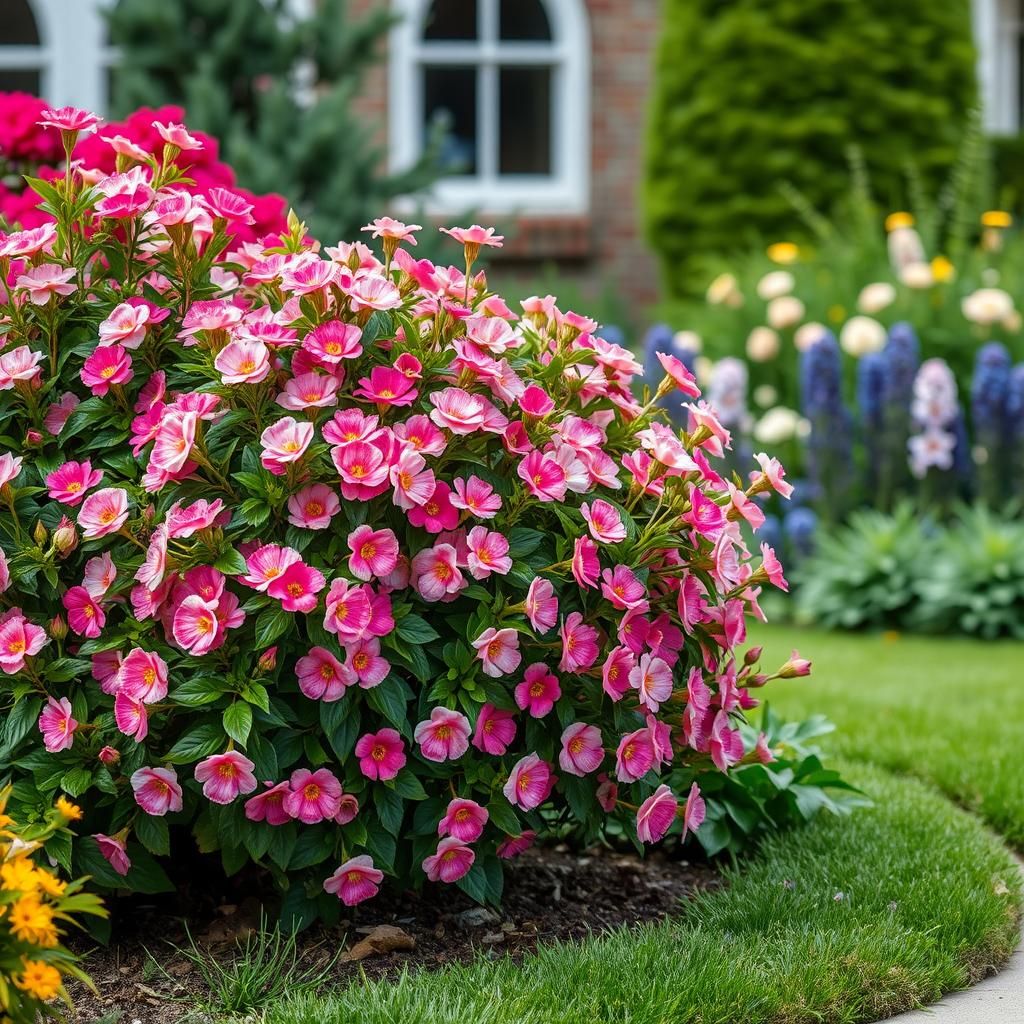
When it comes to enhancing the curb appeal of your home, flowering bushes are a fantastic choice for the front yard. Not only do they add vibrant colors and delightful fragrances, but they also provide essential habitat for local wildlife. With numerous options available, selecting the best flowering bush can be a daunting task. This article will explore top choices favored by gardening experts, considering factors such as climate, maintenance, and blooming seasons. Whether you're looking for low-maintenance options or want to make a bold statement, we've got the insights you need to make an informed decision for your landscape.
What is the Best Flowering Bush for the Front Yard?
When considering the best flowering bush for your front yard, it's essential to evaluate factors such as climate, soil type, and desired aesthetic. One popular choice is the Hydrangea, known for its stunning blooms that can range from white to deep blue or pink, depending on the soil pH. These bushes are relatively low-maintenance and thrive in partial shade, making them ideal for many front yard settings. Other excellent options include the Rose of Sharon, offering vibrant flowers and attracting pollinators, and the Azalea, which features eye-catching blossoms in the spring. Ultimately, the best flowering bush will depend on your specific preferences and garden conditions.
Benefits of Flowering Bushes
Flowering bushes provide numerous benefits to any front yard, including aesthetic appeal, biodiversity, and curb appeal. They can enhance the overall look of your property, add value, and attract pollinators like bees and butterflies. Additionally, flowering bushes can serve as natural hedges, providing privacy and noise reduction.
Best Flowering Bushes for Various Climates
Choosing the right flowering bush for your climate is crucial. For warmer climates, options like Hibiscus and Bougainvillea thrive with plenty of sunshine. In cooler regions, consider Lilac or Forsythia, which are resilient and bloom beautifully in spring. Researching your hardiness zone can help narrow down suitable choices.
Care and Maintenance
Caring for flowering bushes generally involves regular pruning, watering, and occasional fertilization. It’s important to know the specific needs of each type of bush, as some may require more sunlight or different soil conditions. Mulching can also help retain moisture and suppress weeds.
Seasonal Considerations
Different flowering bushes have unique blooming seasons, making it important to select varieties that will provide flowers at different times of the year. For example, Azaleas bloom in early spring, while Hydrangeas may continue to produce flowers into late summer and early fall.
Choosing the Right Location
The location of your flowering bush is vital for its growth and health. They generally prefer spots with sufficient sunlight but can be placed in partial shade depending on the species. Consider factors like wind protection, soil drainage, and proximity to other plants when selecting a spot.
| Flowering Bush | Bloom Color | Best Climate | Blooming Season |
|---|---|---|---|
| Hydrangea | Varies (white, pink, blue) | Temperate | Summer |
| Azalea | Pink, white, purple | Temperate | Spring |
| Hibiscus | Red, yellow, pink | Tropical | Summer |
| Lilac | Purple, white | Temperate | Spring |
| Rose of Sharon | Blue, pink, white | Warm | Summer |
What is the best bush to put in the front of your house?

The best bush to put in the front of your house can depend on several factors, such as your local climate, soil type, the amount of sunlight the area receives, and your personal aesthetic preferences. However, some popular choices that are generally well-regarded for their beauty and low maintenance include:
1. Boxwood (Buxus spp.)
2. Hydrangea (Hydrangea spp.)
3. Dwarf Alberta Spruce (Picea glauca 'Conica')
4. Azalea (Rhododendron spp.)
5. Barberry (Berberis spp.)
Boxwood: The Classic Choice
Boxwoods are a timeless option for landscaping due to their versatility and ability to be shaped easily. They can be kept as low hedges or pruned into various shapes, making them perfect for formal gardens. Boxwoods thrive in full sun to partial shade and require well-drained soil.
See also:
- Resilient in various climates
- Available in various varieties and sizes
- Offers year-round greenery
Hydrangea: A Splash of Color
Hydrangeas can add a vibrant touch to your front yard with their large blooms that can vary in color depending on soil pH. They thrive in partial to full sunlight and prefer moist, well-drained soil. Their lush foliage and flowers can enhance curb appeal dramatically.
- Great for attracting pollinators
- Varieties bloom in different seasons
- Low maintenance once established
Dwarf Alberta Spruce: Stature and Structure
The Dwarf Alberta Spruce is a compact evergreen that brings a sense of structure to your landscape. Its conical shape makes it an ideal choice for small spaces. This bush is very low maintenance and is perfect for full sun scenarios.
- Permanently adds greenery in winter
- Excellent as a foundation plant
- Very hardy with minimal pruning
Azalea: Blooms and Foliage
Azaleas are known for their spectacular floral displays during springtime. They come in various colors and sizes and thrive in partial shade. Their rich green leaves provide beautiful foliage year-round, making them an excellent addition to any front yard.
- Highly versatile with many hybrid options
- Attracts wildlife, including butterflies
- Prefers acidic soil conditions
Barberry: Colorful and Hardy
Barberry bushes are known for their vibrant foliage that can range from yellow to red, adding striking color to your landscaping. They are very hardy and can handle a variety of environmental conditions, which makes them a practical option for busy homeowners.
- Thorny variety can provide natural security
- Low water requirements once established
- Good for erosion control
What flowering bushes look good all year?

When designing a garden with flowering bushes that maintain visual interest throughout the year, you’ll want to select varieties that exhibit year-round appeal. These bushes not only produce stunning blooms but also provide attractive foliage and structured forms. Here are some excellent options:
1. Azalea
Azaleas are renowned for their vibrant spring blossoms. However, their lush, leafy foliage remains attractive throughout the year. The range of colors from white to deep purple can brighten up any landscape. Notably, they thrive in shaded areas and can tolerate various soil types, making them versatile in garden design.
- Varieties: Choose from deciduous or evergreen types.
- Blooming Seasons: Depending on the variety, azaleas can bloom from early spring to mid-summer.
- Foliage: The leaves remain green all year, adding structure even when not in bloom.
2. Camellia
Camellias are ideal for adding elegance to gardens with their showy flowers that bloom in fall, winter, or early spring, depending on the species. The glossy, dark green leaves provide a lush backdrop that enhances their beauty. These bushes can also adapt to different sunlight conditions, from partial shade to full sun.
- Species: Varieties include Camellia japonica and Camellia sasanqua.
- Flower Colors: Blooms range from white to pink and deep red.
- Growth Habit: Some varieties can grow quite large, providing an impressive feature in the garden.
3. Gardenia
Known for their intoxicating fragrance and creamy white flowers, gardenias bloom in late spring to early summer, with a secondary bloom in the fall. Their rich, dark green leaves create an attractive backdrop, making them a great choice for year-round aesthetics.
- Fragrance: The flowers emit a sweet, pleasant scent that enhances garden enjoyment.
- Planting Needs: They prefer well-drained, slightly acidic soil and require protection from harsh winds.
- Maintenance: Regular pruning can help maintain shape and encourage thicker foliage.
4. Spirea
Spirea offers a range of color throughout the growing season, with delicate flowers in the spring and summer. While primarily known for their blooms, their colorful foliage in fall can provide vibrant hues of orange and red, ensuring year-round interest. They are low-maintenance and resilient shrubs.
- Varieties: Look for Spirea japonica for vibrant spring flowers.
- Garden Design: They pair well with perennials and can be used as ground cover.
- Pruning: Regular trimming can enhance blooming and promote bushier growth.
5. Hydrangea
Hydrangeas provide stunning, large flower clusters ranging from blue to pink and white throughout the summer, while their striking, architectural dried flowers can add interest in the winter months. Their broad variety of types ensures there's a hydrangea suitable for almost every garden condition.
See also:
- Types: Options include Hydrangea macrophylla and Hydrangea paniculata.
- Soil Considerations: The flower color can change based on soil pH, especially in H. macrophylla.
- Winter Care: Some varieties may require protection in colder climates to maintain health.
What is the longest lasting flowering shrub?
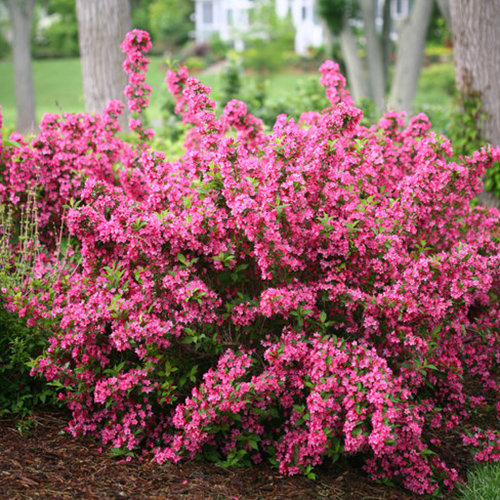
The longest lasting flowering shrub is often considered to be the Hydrangea macrophylla, commonly known as the bigleaf hydrangea. This shrub is renowned for its long blooming periods, vibrant flower colors, and adaptability to various growing conditions. With care and the right environment, hydrangeas can provide beautiful flowers for many months, typically from late spring through fall.
Benefits of Hydrangeas
Hydrangeas offer numerous benefits for gardens and landscapes. Their bold, lush blooms create stunning visual focal points, while their foliage remains attractive even after flowering. Key benefits include:
- Long Blooming Season: Hydrangeas can bloom for several months, making them a prolonged source of color.
- Variety of Colors: They come in multiple colors, including blue, pink, purple, and white, depending on soil pH.
- Low Maintenance: Once established, they require minimal care, making them ideal for busy gardeners.
Ideal Growing Conditions
For optimal growth, hydrangeas thrive in specific conditions. Understanding their requirements helps ensure a long-lasting bloom. The ideal conditions include:
- Shade to Partial Sun: Hydrangeas prefer morning sun with afternoon shade to protect them from heat.
- Moist, Well-Drained Soil: They thrive in soil rich in organic matter and with good drainage.
- Consistent Watering: Regular watering is crucial, particularly during dry spells, to maintain healthy blooms.
Varieties of Hydrangeas
Different cultivars of hydrangeas can exhibit various characteristics, influencing their blooming duration and aesthetics. Some popular varieties include:
- Endless Summer: Known for its re-blooming ability, providing flowers throughout the season.
- Lacecap Hydrangeas: Unique flat flower clusters that attract pollinators and have an extended blooming period.
- Annabelle: This variety produces large white blooms and is resilient in various climates.
Care Tips for Long Lasting Blooms
To ensure that your hydrangeas continue to bloom beautifully, proper care and maintenance are essential. Effective care practices include:
- Pruning at the Right Time: Prune in late winter or early spring to promote healthy new growth.
- Soil Amendment: Adding compost or mulch helps retain moisture and provides nutrients for extended blooming.
- Fertilizing: Use a balanced fertilizer in spring to encourage abundant flowering.
Common Pests and Diseases
While hydrangeas are relatively hardy, they can still be susceptible to various pests and diseases that may affect blooming. Awareness of potential issues is crucial:
- Powdery Mildew: A fungal disease that creates a white coating on leaves; maintain good air circulation to prevent it.
- Aphids: Small pests that suck plant sap; insecticidal soap can help manage infestations.
- Spider Mites: Can cause leaf discoloration; regular watering and misting can deter these pests.
Questions from Our Readers
What are the best types of flowering bushes for front yards?
Butterfly Bush, Hydrangea, and Azalea are among the best flowering bushes for front yards due to their vibrant blooms and ability to attract pollinators. They can provide color and texture, enhancing the overall curb appeal of your home.
How much sunlight do flowering bushes need?
Most flowering bushes require at least 6 hours of sunlight per day to thrive. However, some varieties can tolerate partial shade, making it essential to choose the right type based on your specific yard conditions.
When is the best time to plant flowering bushes?
The best time to plant flowering bushes is in early spring or fall, as these seasons provide ideal conditions for root establishment. Planting during these times can lead to healthier growth and more abundant blooms.
How do I care for flowering bushes in my front yard?
Caring for flowering bushes involves regular watering, pruning, and fertilization. Make sure to follow specific care instructions for each variety, as their needs may vary based on the species and climate conditions.
See also:

If you want to read more articles like What is the Best Flowering Bush for the Front Yard? Top Choices and Expert Tips, we recommend you check out our Shrubs category.
Leave a Reply
Related Articles