What is the Best Container to Store Seeds In? Top Options and Tips for Seed Preservation

When it comes to gardening, proper seed storage is essential for ensuring viable plants and a successful growing season. Choosing the best container for seed storage involves considering factors such as moisture control, air circulation, and protection from pests. With numerous options available, from glass jars to vacuum-sealed bags, it can be overwhelming to determine the ideal solution for your needs. In this article, we'll explore the top containers for seed preservation, offering tips and insights to help you make informed decisions that will prolong the life of your seeds and enhance your gardening experience.
What is the Best Container to Store Seeds In?
When it comes to storing seeds, the best container is one that provides a balance of protection, breathability, and moisture control. A variety of options are available, including glass jars, plastic containers, and paper envelopes. However, the ideal choice may ultimately depend on the type of seeds and your specific storage conditions. For example, glass jars with tight-fitting lids are excellent for long-term storage as they are moisture-proof and protect seeds from pests, while paper envelopes are suitable for short-term storage and allows for some air circulation. It’s vital to ensure that the container is placed in a cool, dry, and dark location to promote maximum seed viability.
Benefits of Glass Jars
Glass jars are among the top choices for seed storage due to their durability and moisture resistance. They provide an airtight seal, which helps to keep seeds dry and protected from pests. Furthermore, glass jars are reusable and can be thoroughly cleaned between uses, ensuring no contaminants affect the seeds. Their transparency also allows for easy viewing of the contents, ensuring you can keep track of what you have stored.
Advantages of Plastic Containers
Plastic containers are lightweight and versatile for seed storage. They come in various sizes and shapes, offering flexibility based on your storage needs. Many plastic containers have built-in seals to prevent moisture ingress. However, it's essential to choose food-grade plastic to ensure no harmful chemicals leach into the seeds. Despite being less aesthetic than glass jars, plastic containers are practical and can be easily transported if necessary.
Using Paper Envelopes
Paper envelopes are often a favored option for gardeners looking for a simple and inexpensive way to store seeds. They are particularly effective for short-term storage and allow for adequate air circulation, preventing mold growth. The downside is that they offer limited protection against moisture and pests, so they should be kept in a sealed container or stored in a dry location to enhance their effectiveness.
Considerations for Temperature and Humidity
Regardless of the storage container you choose, it’s crucial to consider temperature and humidity. Seeds should be stored at a consistent, cool temperature, ideally between 32°F and 41°F (0°C and 5°C) for optimal viability. High humidity can lead to mold growth and seed deterioration, so using moisture-absorbing packets inside the containers can help maintain a dry environment. Always monitor conditions periodically to ensure that the seeds remain in suitable storage conditions.
Conclusion on Seed Storage
In summary, when selecting the best container for seed storage, examine options like glass jars, plastic containers, and paper envelopes, each offering unique advantages. Understanding the benefits and limitations of each will help you make an informed decision to ensure maximum seed longevity. Proper attention to environmental factors such as temperature and humidity will also play a crucial role in maintaining seed viability, extending their shelf life significantly.
| Container Type | Moisture Resistance | Pest Protection | Reusability | Cost |
|---|---|---|---|---|
| Glass Jar | High | High | Yes | Medium |
| Plastic Container | Moderate | Moderate | Yes | Low |
| Paper Envelope | Low | Low | Yes | Very Low |
What is the best container for storing seeds?
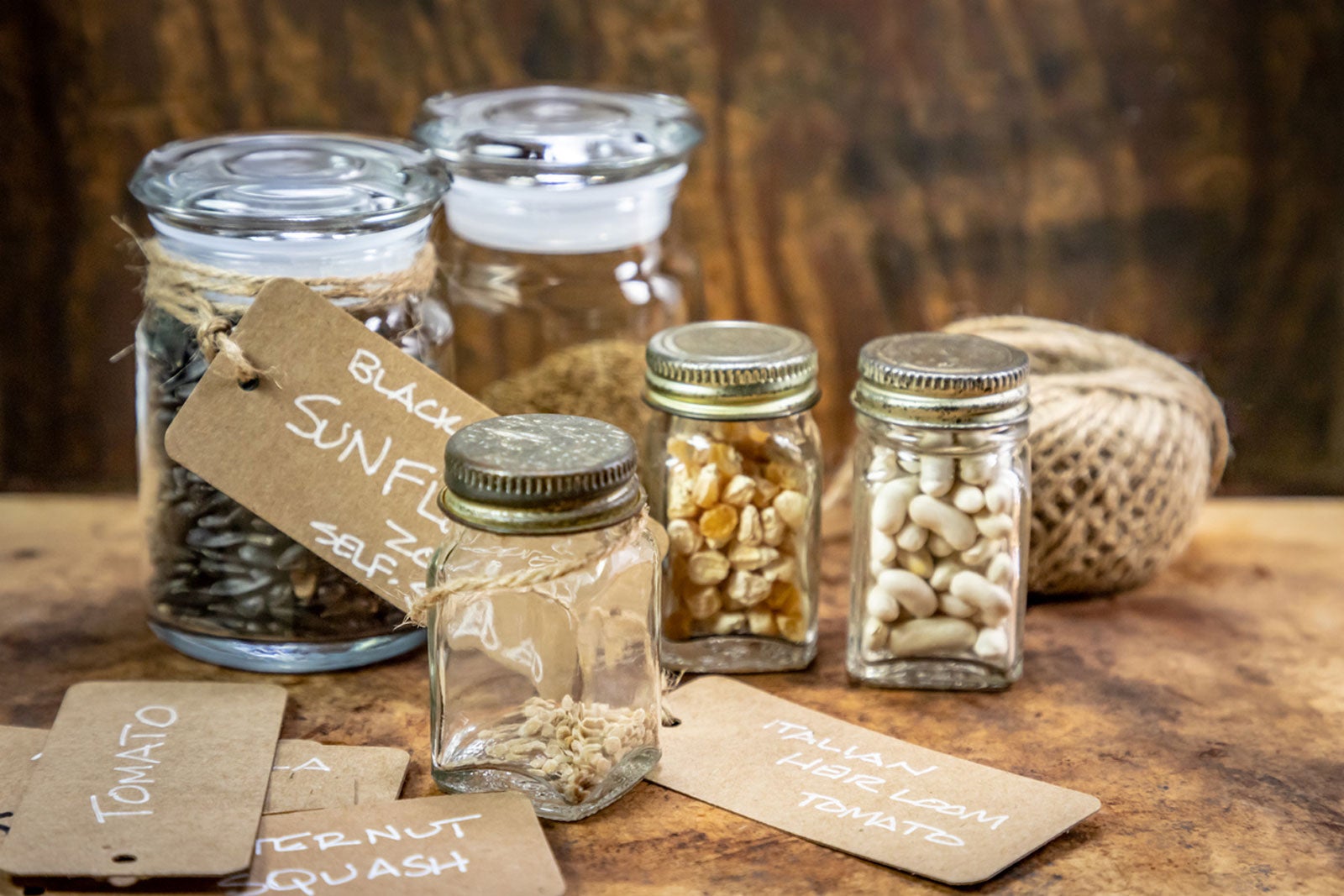
The best container for storing seeds is one that protects the seeds from moisture, light, air, and temperature fluctuations. The ideal storage container should be airtight, opaque, and made from materials that are non-reactive and safe for long-term storage. Below are some of the most effective options for seed storage:
Material of Containers
When choosing a container for seed storage, the material is essential. The following materials are commonly used to store seeds effectively:
- Glass jars: These are highly recommended because they are airtight and do not react with the seeds.
- Plastic containers: Food-grade plastic containers can be an economical option; however, they need to be opaque to block light.
- Metal tins: Metal containers can offer good protection against moisture but should be lined to prevent rusting.
Airtight Seal
An airtight seal is vital for maintaining seed viability. Air exposure can lead to oxidation and decrease the seeds' potency. Here are some tips regarding airtight containers:
- Opt for containers that come with secure lids to ensure no air gets in.
- Consider using vacuum-sealed bags for extra protection.
- Check seals regularly to ensure they still maintain an airtight environment.
Light Protection
Seeds need to be protected from light to prevent premature germination or degradation. Storing them in opaque containers can offer this protection:
- Choose dark-colored containers, such as brown glass or black plastic.
- Store containers in a dark place, such as a cupboard or drawer.
- Cover clear containers with a cloth or paper to block out light.
Temperature Control
Temperature plays a crucial role in seed storage. The best temperatures for seed storage are cool and stable environments. Consider the following:
See also:
- Store seeds in a refrigerator or deep freezer for long-term storage, if possible.
- Avoid places with high temperature fluctuations, like attics or garages.
- Use a thermos or insulated bag if transporting seeds in varying temperatures.
Moisture Prevention
High moisture levels can cause seeds to mold or sprout prematurely. To prevent moisture:
- Use silica gel packets to absorb excess moisture in containers.
- Store seeds in a dry area, away from potential sources of humidity.
- Ensure all seeds are dry before placing them into storage containers.
Is it better to store seeds in plastic or paper?

Storing seeds properly is essential for ensuring their longevity and viability, and both plastic and paper have their pros and cons. Overall, it is generally considered better to store seeds in paper rather than plastic for several reasons related to moisture control, breathability, and chemical interactions.
Moisture Control
Maintaining the right level of moisture is crucial for seed preservation.
- Paper allows for better moisture regulation because it is more breathable compared to plastic.
- Seeds stored in plastic can trap moisture, leading to mold and seed deterioration.
- In humid environments, paper can help absorb excess moisture, keeping seeds dry and viable.
Light Protection
Protecting seeds from light exposure is vital to maintain their quality.
- Paper bags can effectively shield seeds from light if stored in a dark place.
- Plastic containers may not offer sufficient light protection unless completely opaque.
- Light exposure can initiate germination processes, reducing seed viability.
Breathability and Airflow
Proper airflow is important in seed storage.
- Paper packaging enables better airflow, preventing condensation build-up.
- Seeds sealed in plastic containers can suffer from low oxygen levels, impacting their health.
- Good airflow can help prevent the growth of bacteria and fungi, which can harm seeds.
Chemical Reactions
The materials used for storage can influence seed quality.
- Some plastic containers may contain chemicals that can leach into the seeds over time, affecting their viability.
- Paper is generally inert and does not interact chemically with seeds.
- Choosing chemical-free paper options adds an additional layer of safety for seed storage.
Cost and Availability
Cost considerations play a role in choosing between storage options.
- Paper seed envelopes are usually less expensive and can be easily made at home.
- Plastic containers tend to be more durable but might come at a higher price point.
- Availability of paper materials makes them an accessible choice for many gardeners.
What is the best container to plant seeds in?
:max_bytes(150000):strip_icc()/herocontainerdiy-54a28baa55284d5784a08ff6155153a3.jpg)
The best container to plant seeds in is one that meets several essential criteria for plant growth. Both the material and size of the container play vital roles in seed germination and healthy plant development. Here are some key factors to consider when choosing the right container:
1. Material of the Container: Common materials include plastic, biodegradable pots, metal, and ceramic.
- Plastic: Lightweight and often inexpensive. Good drainage can be achieved with holes.
- Biodegradable Pots: Made from materials like peat or coconut coir. They are eco-friendly and can be planted directly in the ground.
- Metal: Durable but may overheat or insulate poorly. Essential to ensure adequate drainage and ventilation.
- Ceramic: Attractive and helps maintain moisture but can be heavy and typically more expensive.
2. Size of the Container: Containers should be appropriately sized for the seeds being planted.
- Small Seedlings: Use seed trays or small pots (2-4 inch).
- Larger Seeds: Consider larger pots (6-12 inch) to allow for root development.
- Depth: Ensure depth is sufficient for root growth; consider the specific needs of each plant type.
3. Drainage: A critical factor for preventing waterlogging.
- Pre-drilled Holes: Ensure the container has drainage holes at the bottom.
- Materials: Use materials like rocks or perlite in the bottom to promote drainage.
- Regular Monitoring: Check for excess water and make adjustments in watering habits accordingly.
4. Environmental Factors: The container affects exposure to elements like sunlight and temperature.
- Lightweight Materials: Allow for easy relocation based on sunlight.
- Insulation Properties: Consider how materials retain heat; some need more protection from extreme temperatures.
- Indoor vs. Outdoor: Choose materials that are suitable for the environment in which the seeds will grow.
5. Reusability and Sustainability: Consider how eco-friendly your choice is.
- Biodegradable Options: Good for the environment and promote soil health.
- Recyclable Materials: Opt for containers made of recyclable plastic.
- Long-term Use: Durable pots can be reused season after season for various plants.
Types of Containers for Seed Planting
- Plastic Seed Trays
- Biodegradable Pots
- Metal Containers
- Ceramic Pots
Importance of Drainage in Containers
- Prevents Root Rot
- Maintains Soil Moisture Levels
- Encourages Healthy Root Development
Choosing the Right Size for Seed Containers
- Small for Starting Seeds
- Gradual Transitions to Larger Pots
- Consider Root Growth Needs
Environmental Considerations for Plant Containers
- Light and Heat Retention
- Material Durability in Element Exposure
- Indoor vs. Outdoor Suitability
Sustainability and Reusability of Containers
- Eco-Friendly Materials
- Recyclable Options
- Practicality for Long-Term Use
What is the best method of seed storage?
The best method of seed storage largely depends on the type of seeds and the desired storage duration. Generally, seeds should be kept in a cool, dark, and dry environment to maintain their viability over time. Here are some recommended methods and practices for optimal seed storage.
Proper Seed Drying
To ensure the longevity of seeds, the drying process is crucial. Proper drying minimizes moisture content and reduces the risk of mold and decay. The best practices include:
- Use a dehydrator or air-dry seeds in a well-ventilated area.
- Aim for a moisture content of less than 8% for most seeds.
- Test the seed's dryness by bending the seeds; if they snap rather than bend, they are sufficiently dry.
Optimal Temperature and Humidity
Maintaining the right temperature and humidity levels is vital for seed storage. Seeds typically remain viable longer at lower temperatures. Recommended conditions include:
- Store seeds at a temperature between 20°F to 32°F (-6°C to 0°C).
- Humidity levels should be kept below 40% to prevent dampness.
- Consider using desiccants such as silica gel to control humidity in storage containers.
Use of Airtight Containers
Using appropriate containers is essential to protect seeds from external elements. Airtight storage helps prevent moisture and contaminants from affecting the seeds. Suggestions for containers include:
- Glass jars with tight-fitting lids.
- Plastic containers designed for food storage that are moisture-proof.
- Mylar bags which are excellent for long-term storage and are both lightproof and air-tight.
Labeling and Record Keeping
Keeping detailed records and proper labeling of the seed varieties is essential for efficient management. A good system includes:
- Include the species, variety, and harvest date on each label.
- Note the storage conditions for each type of seed to facilitate better management in the future.
- Keep a record of germination rates for different seeds to select the best for future planting.
Regular Viability Testing
To ensure seeds remain viable over time, conducting regular germination tests is important. This process helps determine the seeds' effectiveness before planting. The steps involved include:
- Take a small sample (about 10-20 seeds) and place them on a damp paper towel.
- Keep the towel in a warm environment and monitor for germination within 7 to 14 days.
- Calculate the percentage of seeds that germinate to assess their viability; this will guide planting decisions.
Questions from Our Readers
What types of containers are best for storing seeds?
To ensure seed viability, it's best to use airtight containers made of glass, plastic, or metal. These materials help protect seeds from moisture, light, and pests, maintaining their freshness and longevity.
Should seeds be stored in the refrigerator?
Yes, storing seeds in the refrigerator can be beneficial, especially if you live in a humid climate. The cool, dry conditions of a fridge help to inhibit germination and keep seeds viable for a longer period, but make sure they are in airtight containers to prevent moisture exposure.
How long can seeds be stored in a container?
The storage duration for seeds varies depending on the type, but most seeds can remain viable for 1 to 5 years when stored properly. Using the right type of container and keeping them in a cool, dark environment will maximize their lifespan.
Is it necessary to label seed containers?
Absolutely, labeling seed containers is highly recommended. It helps you keep track of the varieties, dates, and any special instructions for each type, ensuring that you can plant them at the right time for the best results.
See also:

If you want to read more articles like What is the Best Container to Store Seeds In? Top Options and Tips for Seed Preservation, we recommend you check out our Seeds category.
Leave a Reply
Related Articles