What is the Best Bush to Plant Along a Fence? Top Options for a Beautiful Landscape
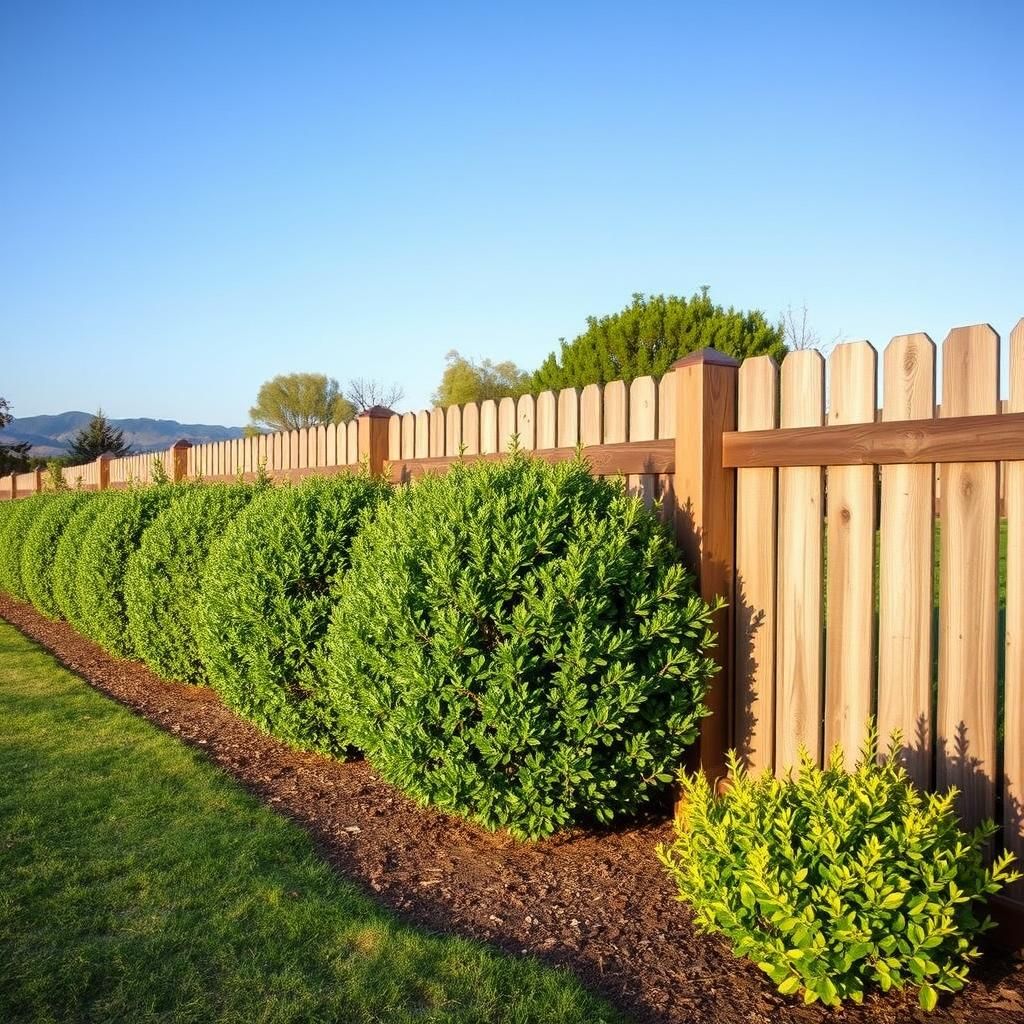
When it comes to enhancing the beauty and privacy of your landscape, planting bushes along a fence can make a significant difference. The right selection not only adds aesthetic appeal but can also create a natural barrier that complements your outdoor space. Whether you’re looking for vibrant blooms, evergreen foliage, or low-maintenance options, there are numerous shrubs to consider. This article explores the top bushes ideal for planting along a fence, taking into account factors such as climate, growth habits, and maintenance requirements. Transform your garden into a picturesque retreat with the perfect shrub choices for your fencing needs.
What is the Best Bush to Plant Along a Fence?
When choosing the best bush to plant along a fence, consider factors such as climate, soil type, and the desired aesthetic effect. Some excellent options include the Boxwood, which is evergreen and can be easily shaped; the Holly, known for its attractive berries and spiky leaves; and the Lavender, favored for its aromatic properties and beautiful purple flowers. For a more robust selection, the Forsythia provides bright yellow blooms in spring, while the Hydrangea offers large, colorful flower clusters throughout the growing season. Ultimately, the best choice will depend on your specific environment and the look you wish to achieve.
Boxwood: A Classic Choice
The Boxwood is a popular choice for planting along fences due to its dense foliage and ability to withstand pruning. It can be shaped into hedges or left to grow naturally, making it versatile for various landscaping styles. Boxwoods thrive in a range of soil conditions and are adaptable to both sun and shade, which makes them an excellent option for different locations near fences.
Holly: Beauty and Functionality
Holly bushes are not only visually appealing with their shiny, spiky leaves and bright red berries, but they also provide excellent privacy and protection. These bushes are particularly useful as year-round cover. They thrive in well-drained soil and can tolerate a variety of climates, making them a favored choice for many gardeners looking to add a touch of ornamental charm alongside a fence.
Lavender: Fragrant and Attractive
For those interested in a more fragrant option, Lavender is an ideal choice to plant along a fence. Its soothing scent and lovely purple blooms attract beneficial pollinators like bees and butterflies, enhancing the overall ecosystem of your garden. Lavender prefers well-drained soil and full sun, making it a perfect addition for warmer climates while providing the added benefit of being drought-resistant.
See also:
Forsythia: A Splash of Color
Forsythia is celebrated for its stunning yellow flowers that appear in early spring, preceding most other flowering plants. This fast-growing bush can create an eye-catching hedge along a fence line. Forsythias thrive in a variety of soil types and require minimal maintenance, making them a favored choice for gardeners looking for a low-effort yet vibrant plant option.
Hydrangea: Lush and Colorful
Hydrangeas are loved for their large, showy blooms which come in a variety of colors, including pink, blue, and white. Planting hydrangeas along a fence provides a stunning backdrop for any garden, enhancing its visual appeal. These bushes enjoy rich, moist soil and partial shade, making them suitable for areas that receive limited sunlight, bringing a lush, tropical feel to the landscape.
| Bush Type | Features | Sun Preference | Maintenance Level |
|---|---|---|---|
| Boxwood | Evergreen, dense foliage | Sun or shade | Low |
| Holly | Spiky leaves, red berries | Partial shade | Medium |
| Lavender | Fragrant, attracts pollinators | Full sun | Low |
| Forsythia | Bright yellow flowers | Full sun to partial shade | Low |
| Hydrangea | Large colorful blooms | Partial shade | Medium |
Choosing the Right Bushes for Privacy and Aesthetics
When selecting the best bush to plant along a fence, it is essential to consider factors such as height, growth rate, and seasonal interest. Some bushes provide excellent privacy and windbreaks, while others contribute to the aesthetic appeal of the landscape. By evaluating your specific needs and the environmental conditions of your yard, you can choose bushes that not only thrive alongside your fence but also enhance the overall beauty of your outdoor space.
Benefits of Planting Bushes Along a Fence
Planting bushes along a fence can offer multiple advantages, including enhanced privacy, improved aesthetic appeal, and increased wildlife habitat. The right bushes can act as a natural barrier, reducing noise and creating a more secluded atmosphere in your yard. Additionally, they can provide essential cover and food sources for local wildlife, making your garden a haven for birds and beneficial insects. Moreover, strategically placed bushes can also increase the value of your property by improving the overall landscape design.
Top Bush Varieties for Fencing
Some of the top bush varieties to consider planting along a fence include Boxwood, Holly, and Laurel. Boxwood is renowned for its dense, evergreen foliage, making it an excellent choice for formal hedges. Holly adds a festive touch with its glossy leaves and red berries, while Laurel provides a lush, fragrant option with its large leaves. Each of these bushes offers unique attributes, ensuring that your fence line can be both functional and visually pleasing.
See also:
Maintaining Your Fence Line Bushes
Maintaining bushes along your fence requires regular pruning, watering, and monitoring for pests. Proper pruning helps to shape the plants, encourage new growth, and improve air circulation around the leaves. Adequate watering, particularly during dry spells, is essential to keep them healthy and vibrant. Additionally, keep an eye out for any signs of pests or diseases, as addressing these issues early can prevent more significant problems down the line.
Creating an Ecological Balance with Bushes
When selecting bushes for your fence, consider their role in creating an ecological balance in your yard. Native species typically require less maintenance and are better suited to local soil and climate conditions. By planting native bushes, you can attract a variety of pollinators and other beneficial creatures, fostering a healthy ecosystem. Furthermore, incorporating diverse species can promote resilience against pests and diseases, leading to a more robust garden overall.
Seasonal Considerations for Bush Planting
The timing of your bush planting is crucial to ensure healthy growth and establishment. Spring is often the best season for planting, as it allows bushes to take full advantage of the growing season. However, some varieties can be successfully planted in early fall, giving them a head start before winter. Understanding the specific needs and requirements of the chosen species will help you determine the optimal planting period, ensuring that your fence line remains beautiful throughout the changing seasons.
Questions from Our Readers
What factors should I consider when choosing a bush to plant along a fence?
When selecting a bush to plant along a fence, consider factors such as climate, soil type, and the height of the bush you desire. Additionally, think about the maintenance level you are willing to commit to and whether you prefer a deciduous or evergreen variety for year-round coverage.
Are there specific bushes that grow well in shady areas next to fences?
Yes, some bushes thrive in shade and can be ideal for planting next to a fence. Varieties such as holly, azalea, and fothergilla can flourish in low-light conditions, providing beauty and privacy without requiring direct sunlight.
See also:
How can I maintain bushes planted along a fence?
To maintain bushes along a fence, ensure regular pruning to promote healthy growth and prevent overgrowth that could damage the fence. Additionally, consistent watering and the application of mulch can help retain moisture and suppress weeds, ensuring the bushes thrive.
Can I use bushes for privacy along my fence?
Absolutely, many bushes can serve as effective privacy screens when planted along a fence. Selecting tall, dense varieties such as ligustrum or juniper can create a natural barrier, enhancing your outdoor space while offering protection from outside views.

If you want to read more articles like What is the Best Bush to Plant Along a Fence? Top Options for a Beautiful Landscape, we recommend you check out our Shrubs category.
Leave a Reply
Related Articles