What is the Best Base to Put a Greenhouse On? Top Options & Considerations for Optimal Growth
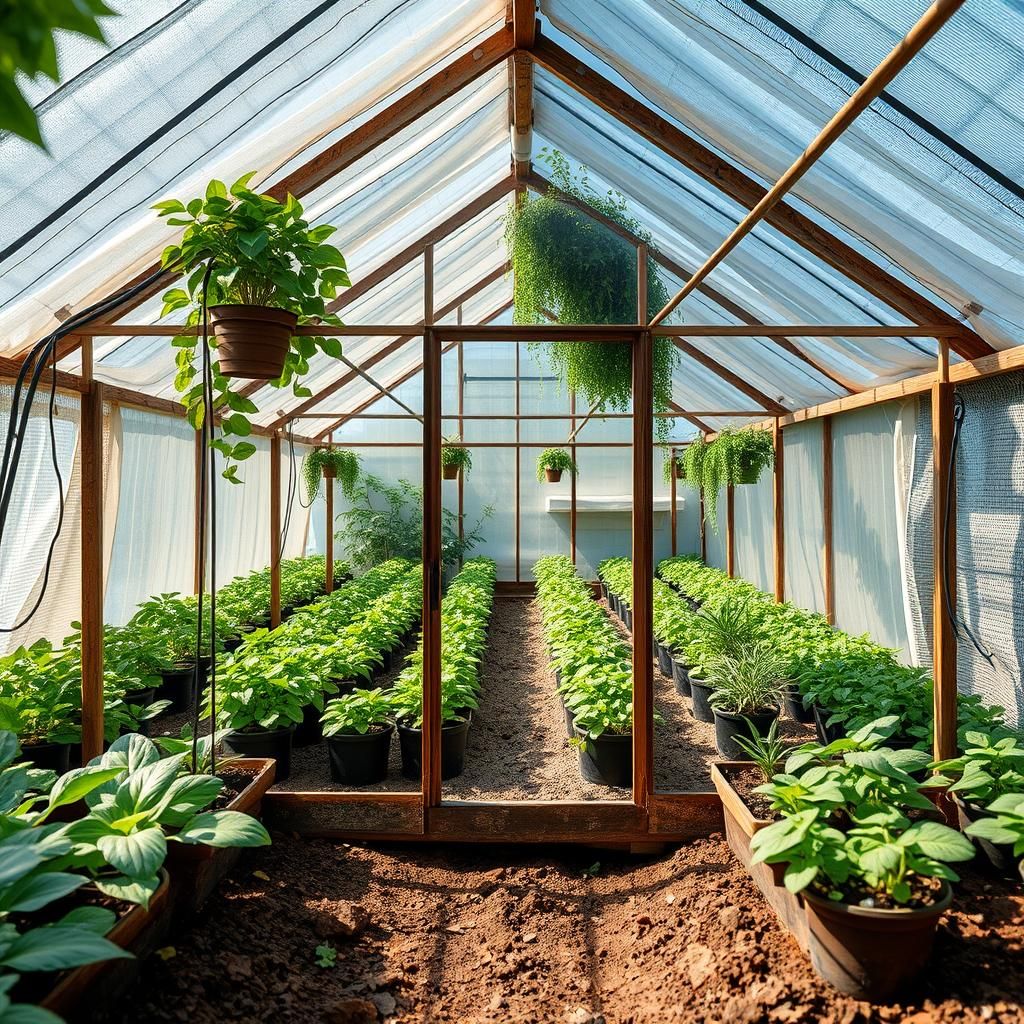
Selecting the right base for a greenhouse is crucial for ensuring optimal growth and longevity of your plants. The foundation not only supports the structure but also affects temperature regulation, drainage, and overall health of the plants inside. With various options available, homeowners must consider factors such as local climate, soil type, and intended use of the greenhouse. This article explores the best bases for greenhouses, highlighting top choices and essential considerations to create an environment that fosters plant growth effectively. Whether you're a novice gardener or an experienced horticulturist, understanding these aspects will help you make informed decisions for your greenhouse project.
What is the Best Base to Put a Greenhouse On?
When it comes to selecting the best base for your greenhouse, several factors should be considered, including drainage, stability, and insulation. A solid foundation can be made from materials like concrete, gravel, or wood, each offering unique benefits. A concrete slab provides excellent stability and long-term durability but can be quite costly to install. On the other hand, a gravel base is a budget-friendly option that facilitates good drainage, essential for preventing water accumulation that could harm your plants. Finally, a wooden base can provide a natural aesthetic, but it requires more upkeep to prevent rot and pests. Ultimately, the best choice depends on your specific environmental conditions, the type of greenhouse, and your budget.
Concrete Base Advantages
A concrete base offers a robust and long-lasting foundation for greenhouses. Its durability ensures that the structure can withstand various weather conditions without the risk of sinking or shifting. Additionally, a concrete slab can be designed to incorporate drainage channels, further enhancing water management around the greenhouse. However, while it requires a higher initial investment, the longevity and low maintenance of a concrete base often justify the expense.
Gravel Base Benefits
Using a gravel base for a greenhouse is an economical choice that provides excellent drainage. Gravel allows excess water to flow away from the base, reducing the risk of root rot and other moisture-related issues for your plants. Moreover, it's relatively easy to install and adjust as necessary. However, the effectiveness of a gravel base can be influenced by the local climate; for example, it may require a little extra care in extremely windy areas to keep the gravel in place.
Wooden Base Considerations
A wooden base can offer an attractive and organic look, blending seamlessly into garden environments. It is relatively easy to construct and can be customized according to your garden’s landscape. However, there are significant maintenance considerations, as wood is prone to decay and insect damage over time. To extend its lifespan, using treated lumber or applying regular wood preservatives is essential. Overall, while a wooden base can be aesthetically pleasing, the commitment to upkeep should not be underestimated.
Heating and Insulation
The choice of a greenhouse base also affects heating and insulation efficiency. Materials like concrete can absorb heat during the day and release it at night, helping to maintain stable temperatures inside the greenhouse. Conversely, using a gravel or wood base may transfer heat differently and could require additional insulation to maintain optimal growing conditions. Understanding how your base interacts with temperature can significantly influence plant growth and overall greenhouse performance.
Choosing the Right Base for Your Climate
Your climate plays a substantial role in determining the best base for your greenhouse. For regions with heavy rainfall, a gravel base is often recommended for its superior drainage properties. In contrast, areas prone to extreme cold may benefit more from a concrete base, which provides additional thermal mass. By considering local weather patterns and temperature fluctuations, you can select a base that minimizes environmental stress on your greenhouse.
| Base Type | Advantages | Disadvantages |
|---|---|---|
| Concrete | Durable, low maintenance, good drainage options | Higher upfront cost |
| Gravel | Economical, excellent drainage | Can shift in high winds |
| Wood | Aesthetic, easy to customize | Requires maintenance, prone to decay |
What kind of base is best for a greenhouse?

The best kind of base for a greenhouse largely depends on your specific needs, climate, and the type of structure you intend to build. Generally, a stable and well-drained base ensures that the greenhouse maintains an optimal internal environment for plant growth. Here are some suitable options:
1. Concrete Slab: A concrete base provides a solid, durable foundation that can withstand the weight of the greenhouse and any accumulated snow or rain.
2. Gravel Base: A gravel base promotes excellent drainage, protects against pests, and offers a natural look beneath your greenhouse.
3. Wooden Frame: Using treated wood as a base can offer flexibility in design and some aesthetic appeal, but it may require more maintenance than other options.
4. Paved Stones or Bricks: Utilizing paving stones or bricks can create a sturdy and visually pleasing base while ensuring proper drainage.
Importance of Proper Drainage
Having a base that allows for effective drainage is critical to prevent water accumulation, which can lead to root rot and other plant diseases. A well-drained base helps maintain soil integrity and promotes healthy plant growth.
- Prevents standing water, which can attract pests.
- Reduces the risk of root diseases in plants.
- Maintains the structural integrity of the greenhouse.
Choosing the Right Materials
The materials you choose for the greenhouse base can affect longevity and usability. Selecting the right combination of materials can ensure your greenhouse remains functional and visually appealing.
- Consider using treated wood for sustainability and aesthetic appeal.
- Opt for concrete for a more long-lasting and heavy-duty option.
- Gravel is a versatile and easily obtainable material that aids in drainage.
Cost Considerations
Different base options come with varying cost implications. Understanding your budget will help you decide on the most suitable foundation for your greenhouse.
See also:
- Concrete slabs may have a higher initial cost but offer durability over time.
- Gravel provides a cost-effective and easy-to-install solution.
- Wood may require ongoing maintenance costs, affecting long-term value.
Climate Considerations
The climate in your area plays a crucial role in determining the best base for your greenhouse. Certain bases perform better under specific climatic conditions.
- In wet climates, a gravel or concrete base is preferable to avoid water issues.
- In dry climates, a wooden base may offer better insulation.
- Consider wind resistance if your area faces harsh weather conditions.
Maintenance and Longevity
Selecting a base that minimizes maintenance requirements can save time and effort in the long run. Different materials require different degrees of upkeep.
- Concrete bases require minimal maintenance but can crack over time.
- Wooden bases may need regular treatment to prevent rot and insect damage.
- Gravel requires occasional topping up but is generally low maintenance.
What sort of base does a greenhouse need?
To ensure optimal performance and longevity of a greenhouse, the base is a crucial aspect to consider. The foundation must provide stability, proper drainage, and a level surface for the greenhouse structure. Here’s a detailed breakdown of what sort of base a greenhouse needs.
The Importance of a Solid Foundation
A solid foundation is essential for supporting the greenhouse structure and protecting the plants inside. Without a sturdy base, the greenhouse may suffer from structural instability, leading to potential damage during severe weather. Key considerations include:
- Load-bearing capacity: The foundation must support the greenhouse's weight along with anything that will be inside, like soil and plant materials.
- Protection from pests: A proper foundation can help prevent pests from burrowing into the greenhouse from the soil beneath.
- Longevity: A well-constructed base will prolong the life of the greenhouse by reducing the risk of rot and decay.
Types of Greenhouse Bases
When selecting a base, there are several types one can consider, each with its own benefits. The most common types include:
- Concrete slab: Provides a solid, durable surface that can withstand significant weight and harsh weather conditions.
- Gravel base: Allows excellent drainage while maintaining a stable structure; gravel is often less expensive than concrete.
- Wooden frame: Can be made from treated timber, offering a natural aesthetic, but requires careful maintenance to prevent rot.
Drainage Considerations
Effective drainage is critical in preventing water accumulation, which can lead to root rot and other issues within the greenhouse. To ensure proper drainage:
- Set the base above ground level: This allows water to run off rather than pooling around the base of the structure.
- Incorporate drainage materials: Use materials like gravel or sand in the foundation to facilitate water flow away from the greenhouse.
- Design a sloped surface: If possible, slightly slope the ground towards a designated drainage area.
Levelling the Base
A level base is essential to ensure that the greenhouse has even weight distribution, which helps in structural stability. To achieve a level base:
- Use a spirit level: Regularly check the level during construction to make appropriate adjustments.
- Compact the soil: Before laying the foundation, compact the soil to prevent settling over time.
- Excavate as needed: Remove any high spots in the ground to create a smooth, even surface.
Building Codes and Regulations
Before constructing a greenhouse base, it's important to check for local building codes and regulations that may affect your project:
- Permits: Some areas may require permits for greenhouse construction, especially for larger structures.
- Zoning regulations: Verify that your greenhouse complies with zoning laws in your area.
- Safety standards: Ensure that the materials and construction methods used meet local safety standards.
What is the best floor to put in a greenhouse?

The best floor to put in a greenhouse depends on various factors, including the types of plants being grown, the climate, and budget considerations. Generally, the flooring should facilitate good drainage, be easy to clean, and provide durability. Here are some popular options:
Concrete Flooring
Concrete is one of the most durable options for greenhouse flooring. It provides a strong, stable surface that can withstand heavy equipment and foot traffic. Additionally, concrete can be treated with sealants to enhance durability and prevent water damage.
- Durability: Concrete can last for many years without significant wear and tear.
- Ease of cleaning: A simple hose down or sweeping suffices for maintenance.
- Temperature regulation: Concrete can help moderate temperature fluctuations in the greenhouse.
Gravel Flooring
Gravel is another popular choice for greenhouse flooring due to its excellent drainage capabilities. It allows excess water to drain away, reducing the likelihood of standing water and potential root rot.
See also:
- Drainage: Gravel facilitates water movement, reducing the risk of puddles.
- Weed control: A layer of landscape fabric can help prevent weed growth.
- Cost-effective: Gravel is often less expensive compared to other flooring options.
Pavers or Bricks
Using pavers or bricks as flooring adds an aesthetic quality to the greenhouse while providing a stable surface. This flooring option also allows for good drainage, especially when laid properly.
- Visual appeal: Available in various colors and styles to enhance the greenhouse's look.
- Stability: Provides a solid surface that can support the weight of pots and equipment.
- Integrated drainage: Properly set pavers offer good water drainage when spaced correctly.
Wooden Flooring
Wooden flooring can provide an attractive and warm feel but may require more maintenance compared to other materials. It is crucial to use treated wood to withstand the greenhouse's humid environment.
- Natural insulation: Wood can help in regulating temperatures within the greenhouse.
- Comfort: Wooden floors can be more comfortable to walk on compared to harder surfaces.
- Versatility: Easily customizable and can be used to create raised planting beds.
Rubber Matting
Rubber matting is becoming increasingly popular in greenhouse settings. It offers excellent cushioning, reducing stress on the feet and joints during prolonged work periods.
- Shock absorption: Provides a comfortable surface for standing and walking, reducing fatigue.
- Slip resistance: Offers enhanced traction, especially in wet conditions.
- Easy maintenance: Simple to clean and quick to replace if damaged.
Can you put a greenhouse on a gravel base?
Yes, you can put a greenhouse on a gravel base. A gravel base can provide excellent drainage, prevents weed growth, and creates a stable foundation for your greenhouse. However, there are several factors to consider to ensure that this setup is effective and beneficial for your plants. Here are the details:
Advantages of Using a Gravel Base
A gravel base offers several benefits for greenhouse placement:
- Excellent Drainage: Gravel allows for water drainage, preventing roots from becoming waterlogged.
- Weed Control: The gravel surface can help suppress weed growth that competes with greenhouse plants for nutrients.
- Stable Foundation: A gravel substrate provides a solid and level surface for the structure of the greenhouse.
Considerations for Greenhouse Size and Type
When selecting a gravel base, consider the size and type of your greenhouse.
- Size Compatibility: Ensure the gravel base is large enough to support the entire structure of the greenhouse.
- Weight Distribution: The type of gravel can affect how weight is distributed, so heavier greenhouses may need additional support.
- Type of Greenhouse: Different greenhouse styles might require specific considerations regarding anchoring to a gravel base.
Preparing the Gravel Base
Proper preparation of the gravel base is crucial for the success of your greenhouse.
- Layering Gravel: Use multiple layers of gravel, starting with larger stones and finishing with finer gravel for optimal drainage.
- Compact the Base: Compact the gravel well to create a solid surface that will support the greenhouse.
- Leveling the Ground: Always ensure that the area is level to prevent water pooling in any specific spot.
Maintaining the Gravel Base
After the greenhouse is situated, regular maintenance of the gravel base is necessary.
- Raking the Surface: Regularly rake the gravel to keep the surface level and free of debris.
- Weed Management: Occasionally check for any weeds that may penetrate the gravel and remove them promptly.
- Refilling Gravel: Over time, gravel may settle or wash away, so it may need to be topped up to maintain a solid base.
Potential Challenges with Gravel Bases
Despite its advantages, there are potential challenges when using a gravel base for a greenhouse.
- Shifting Gravel: Depending on soil conditions, gravel can shift, leading to an uneven base for the greenhouse.
- Drainage Issues: In areas with heavy rainfall, ensure that the gravel does not drain into lower areas where water may accumulate.
- Heating Considerations: Gravel can retain heat, which may affect temperature regulation within the greenhouse.
Questions from Our Readers
What type of ground is best for a greenhouse?
The best ground type for a greenhouse is well-drained soil that allows excess water to escape while retaining moisture for the plants. Ideally, it should be free of debris, weeds, and any potential contaminants that could harm your plants.
Should I use concrete or gravel as a base for my greenhouse?
Using concrete provides a stable and durable base for a greenhouse, preventing weeds and pests from coming in. However, gravel can also be beneficial as it allows for good drainage and can be easier to work with for certain setups. The choice often depends on your specific needs and climate.
Is it better to level the ground before placing a greenhouse?
Yes, it is generally advisable to level the ground before placing a greenhouse to ensure proper drainage and stability. A level surface also helps with the installation of any additional features, such as shelving or thermal mass options, that can aid in temperature regulation.
See also:
Can I put a greenhouse on a slope?
While it's possible to place a greenhouse on a slope, it's important to be mindful of drainage and wind exposure. You may need to build retaining walls or terrace the sloped area to create a stable and flat surface, ensuring that water does not accumulate and damage the structure or the plants inside.

If you want to read more articles like What is the Best Base to Put a Greenhouse On? Top Options & Considerations for Optimal Growth, we recommend you check out our Greenhouse category.
Leave a Reply
Related Articles