What is the Best Bamboo Plant for Privacy Hedge? Top Varieties & Tips for a Lush Green Screen
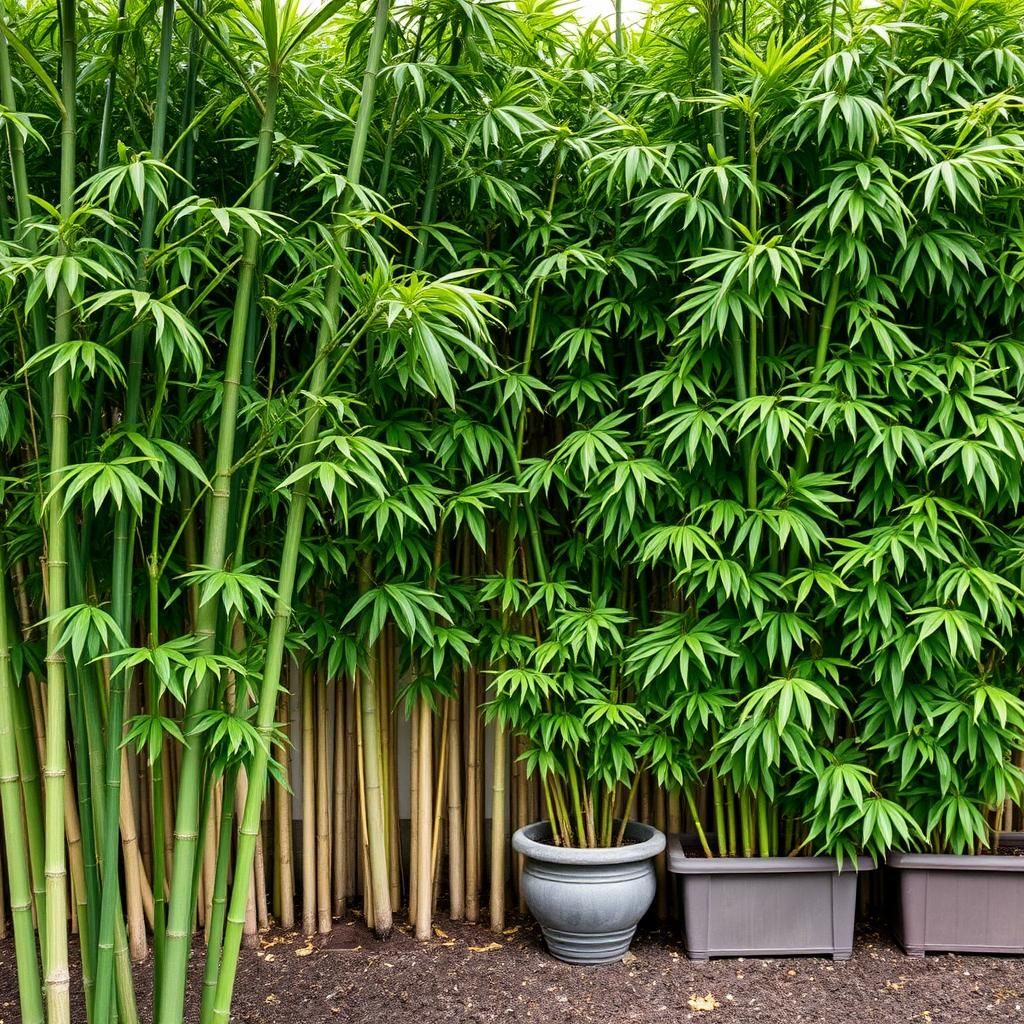
When it comes to creating a natural privacy barrier in your garden, bamboo plants stand out as an excellent choice. Not only do they provide a lush and green screen, but they also grow quickly, making them ideal for those looking to establish privacy in a short period. However, not all bamboo varieties are suited for this purpose. In this article, we will explore the best bamboo plants for privacy hedges, highlighting their unique characteristics and growth habits. Additionally, we'll offer practical tips to ensure your bamboo thrives, creating a beautiful and effective green shield in your outdoor space.
What is the Best Bamboo Plant for Privacy Hedge?
When considering the best bamboo plants for a privacy hedge, Fargesia varieties tend to be top choices due to their clumping growth habit and non-invasive nature. Unlike running bamboo, which can spread uncontrollably, clumping bamboo remains compact while still providing excellent coverage. The most popular species for this purpose include Fargesia rufa, known for its elegant, arching canes, and Fargesia murielae, appreciated for its lush green foliage and resilience in colder climates. These types create a dense barrier that effectively blocks sight lines and noise, making them ideal for establishing a tranquil outdoor sanctuary.
Characteristics of Fargesia Bamboo
Fargesia bamboo is characterized by its clumping growth habit, which means it grows in tight clusters rather than spreading out like running bamboo. This characteristic makes it a safe choice for homeowners concerned about invasiveness. Fargesia varieties typically feature tall canes and a bushy appearance, providing an effective visual barrier without the worry of bamboo encroaching into unwanted areas.
Growth Rate and Maintenance
While Fargesia bamboos are generally faster-growing than some shrubs, their growth rate is manageable, averaging around 1 to 3 feet per year depending on the species and growing conditions. They require moderate maintenance, including regular watering, particularly in the first few years while establishing roots. Additionally, occasional thinning may be necessary to keep the bamboo from becoming too dense, ensuring adequate air circulation and light penetration.
Preferred Conditions for Planting
To thrive, Fargesia bamboo prefers partial shade or filtered sunlight rather than full sun, which can scorch its leaves. The ideal soil should be well-draining and rich in organic matter. Ensuring the right conditions includes maintaining a pH level between 6.0 and 7.0, as this promotes optimal nutrient availability. Furthermore, regular mulching can help retain soil moisture and control weeds around the plants.
Environmental Benefits
Planting a bamboo privacy hedge offers numerous environmental benefits, as bamboo is known for its carbon sequestration properties. It absorbs CO2 from the atmosphere more efficiently than many trees, contributing positively to the fight against climate change. Additionally, bamboo can help improve soil health through its extensive root systems, which prevent erosion and enhance nutrient cycling in the ground.
Cost and Availability
The cost of planting a bamboo privacy hedge can vary significantly based on size, species, and source. Young Fargesia plants can range from $15 to $50 each, depending on the size and maturity. They are available at most garden centers and online nurseries. Investing in larger, more established plants may reduce the time needed for them to reach their full potential as a privacy screen, but starting with smaller varieties can also be an economical choice for larger hedges.
| Species | Growth Rate | Height | Sunlight Preference |
|---|---|---|---|
| Fargesia rufa | 1-3 ft/year | 4-6 ft | Partial Shade |
| Fargesia murielae | 1-3 ft/year | 6-10 ft | Partial Shade |
What is the fastest growing privacy bamboo plant?

The fastest growing privacy bamboo plant is generally considered to be Phyllostachys nigra, commonly known as Black Bamboo. This species is known for its exceptional growth rate and ability to quickly create a dense screen, making it an ideal choice for privacy hedges and landscaping.
Characteristics of Phyllostachys Nigra
Phyllostachys nigra is characterized by its dark-colored culms which can grow up to 30-40 feet tall and 2-4 inches in diameter. The plant has a rapid growth rate, reaching its full height in just a couple of years. Its dense foliage provides excellent coverage and can block out noise, making it a popular choice for urban settings.
- Height: Can reach 30-40 feet in optimal conditions.
- Culm Color: Beautiful black stems that mature to a dark hue.
- Leaf Density: Thick foliage that enhances privacy and noise reduction.
Growth Rate and Conditions
Phyllostachys nigra thrives in various soil types but prefers well-drained, fertile soil for optimal growth. Under ideal conditions, this bamboo can grow several feet per year, quickly filling in spaces for privacy. It's important to plant in a spot that receives full sun to partial shade for the best results.
- Growth Rate: Up to 24 inches per season under ideal conditions.
- Soil Preference: Well-drained, nutrient-rich soil for accelerated growth.
- Light Requirements: Full sun to partial shade maximizes growth potential.
Maintenance Requirements
While Black Bamboo is relatively low-maintenance, it does require some regular attention to ensure healthy growth and manage spreading. Regular watering and occasional fertilization can promote optimal health. Controlling its spread through rhizome barriers is also advisable to maintain desired boundaries.
- Watering: Regular watering, especially in dry seasons, is necessary.
- Fertilization: Light application of fertilizer can support growth.
- Containment: Installing rhizome barriers helps manage growth and spread.
Uses in Landscaping
Phyllostachys nigra is not only valued for its growth rate but also for its aesthetic appeal in landscaping. It serves as an excellent privacy screen, windbreak, and decorative element in gardens. Its striking black stems contribute to a unique visual interest that complements various garden styles.
See also:
- Privacy Screen: Creates an effective barrier around property lines.
- Windbreak: Offers protection against harsh winds.
- Aesthetic Appeal: Adds beauty and sophistication to garden designs.
Environmental Impact
As a fast-growing plant, Phyllostachys nigra contributes positively to the environment by sequestering carbon and releasing oxygen. However, care must be taken to manage its spread in order to prevent it from becoming invasive in certain regions. Responsible planting and maintenance can ensure it serves as a beneficial addition to the ecosystem while providing privacy.
- Carbon Sequestration: Helps absorb carbon dioxide from the atmosphere.
- Oxygen Production: Contributes to improved air quality.
- Invasive Potential: Requires management to prevent unwanted spread.
Is it a good idea to plant bamboo for privacy?

Planting bamboo for privacy can be an intriguing option for many homeowners. Bamboo is known for its rapid growth, dense foliage, and overall aesthetic appeal. Here are some considerations regarding the effectiveness and practicality of using bamboo as a privacy screen:
1. Fast Growth Rate
Bamboo is one of the fastest-growing plants in the world, with some species able to grow up to 3 feet in a single day under optimal conditions. Its rapid growth can provide quick privacy solutions. Key points include:
- Quick Establishment: Most bamboo varieties can reach maturity in just a few years.
- Seasonal Growth: Bamboo typically grows vigorously in spring and summer, creating thick screens.
- Continuous Coverage: As it matures, bamboo maintains dense foliage year-round.
2. Density and Height
Bamboo can reach impressive heights, often ranging from 5 to 30 feet, depending on the species. This can help create a visual barrier that effectively blocks unwanted views. Important features are:
- Privacy Levels: Taller species offer more robust privacy options.
- Thick Foliage: Leaves are numerous, enhancing the privacy barrier by obscuring views.
- Adaptable Varieties: Choose between clumping and running types for desired density and height.
3. Aesthetic Value
In addition to privacy, bamboo adds an attractive natural element to a landscape. This can enhance the overall design of your garden or outdoor space. Consider these benefits:
- Visual Appeal: Bamboo has a unique texture and vibrant green color.
- Versatile Landscaping: It can complement various landscaping styles, from modern to tropical.
- Sound Absorption: The dense leaves can reduce noise levels, adding to the serene atmosphere.
4. Environmental Considerations
Bamboo is often praised for its environmentally friendly properties. Planting it can have positive ecological impacts. Significant aspects include:
- Sustainable Growth: Bamboo grows quickly and can be harvested sustainably.
- Carbon Sequestration: It absorbs carbon dioxide, helping to mitigate climate change.
- Soil Erosion Prevention: The root system of bamboo helps stabilize soil and prevent erosion.
5. Maintenance Requirements
While bamboo can be low-maintenance, certain varieties require regular care to prevent overgrowth and invasiveness. Maintenance considerations include:
- Regular Pruning: Periodic cutting back helps maintain desired height and thickness.
- Controlling Spread: Some species may spread aggressively; installing barriers is often necessary.
- Water and Nutrient Needs: Bamboo generally requires regular watering, especially in dry conditions.
What is the fastest growing plant for a privacy hedge?
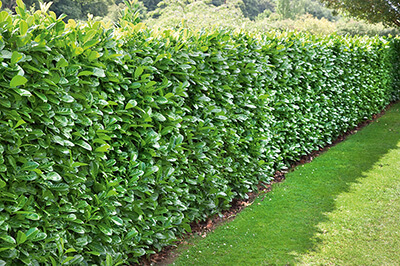
The fastest growing plant for a privacy hedge is often referred to as the Leyland Cypress. This evergreen tree is highly popular for creating natural screens and barriers in gardens due to its rapid growth rate, which can reach up to 3 to 4 feet per year under optimal conditions. The Leyland Cypress can grow to heights of 60 to 70 feet and forms a dense foliage that effectively blocks views and wind, making it an ideal choice for homeowners looking for privacy.
Growth Rate Comparison
The growth rate of privacy hedge plants varies significantly among species. When comparing the Leyland Cypress with other fast-growing options, it is essential to look at various factors that contribute to its speed.
- Height Growth: Leyland Cypress reaches impressive heights quickly, often exceeding 20 feet within just a few years.
- Width: In addition to height, its growth in width makes it a solid choice for dense hedges.
- Seasonal Growth: This plant exhibits vigorous growth during warm seasons, significantly contributing to its rapid development.
Ideal Conditions for Growth
To ensure that Leyland Cypress reaches its maximum growth potential, specific conditions must be met.
- Soil Type: Well-draining soil that is slightly acidic to neutral is ideal for optimal growth.
- Watering: Regular watering, especially in dry conditions, helps maintain its rapid growth rate.
- Sunlight: This tree thrives in full sun, which encourages robust growth and lush foliage.
Maintenance Requirements
Maintaining a Leyland Cypress hedge is relatively low-maintenance, but a few care tips can enhance its growth and longevity.
See also:
- Pruning: Occasional trimming helps maintain shape and encourages denser growth.
- Pest Control: Monitoring for pests such as aphids and spider mites is essential for keeping the plants healthy.
- Fertilization: Applying a balanced fertilizer once a year in spring can promote vigorous growth.
Alternative Fast-Growing Plants
While the Leyland Cypress is a leading choice, several other plants also serve well as privacy hedges.
- Arborvitae: The Green Giant variety grows quickly, reaching heights of 30-40 feet.
- Bamboo: Certain species of bamboo can grow up to 5 feet per year and provide a unique visual appeal.
- Privet: This fast-growing shrub establishes quickly and can be shaped easily into a dense hedge.
Climate Considerations
When selecting a privacy hedge plant, understanding the climate in your area is crucial for choosing the right species.
- Hardiness Zones: Leyland Cypress thrives in USDA zones 6-10, so it's important to check your zone.
- Temperature Sensitivity: These trees perform poorly in extreme cold, making them unsuitable for northern climates.
- Humidity and Rainfall: Adequate moisture and moderate humidity levels contribute to their aggressive growth.
What is the downside of bamboo plants?
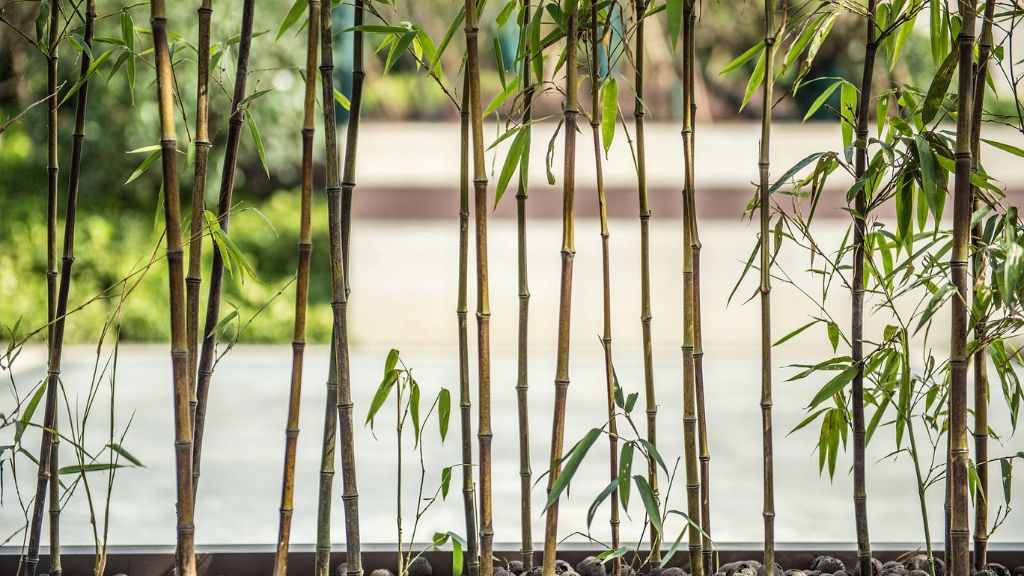
The downside of bamboo plants includes various ecological, maintenance, and structural issues that can affect both gardens and construction projects. While bamboo is often celebrated for its sustainability and rapid growth, several factors can pose challenges for homeowners and developers alike.
Invasive Nature of Bamboo
Bamboo is known for its rapid growth and can become quite invasive, spreading quickly through its root system. This aggressive growth can lead to problems in an area where it is not intended to thrive.
- Rhizome Spread: Bamboo propagates through underground rhizomes that can extend far beyond the initial planting area, making it difficult to control.
- Habitat Disruption: The invasive nature can disrupt local ecosystems by outcompeting native plants for resources.
- Removal Efforts: Once established, removing bamboo can be a labor-intensive process, often requiring specialized methods to eliminate effectively.
Maintenance Challenges
While bamboo is relatively low-maintenance, it does require some attention to thrive healthily and to prevent it from becoming a nuisance.
- Pruning Needs: Regular pruning is essential to keep bamboo from becoming too dense and to maintain its desired shape.
- Pest Control: Although generally resilient, bamboo can attract pests that may require management to ensure the plants remain healthy.
- Watering Requirements: Bamboo requires adequate water, especially during its initial growth stages, necessitating a reliable watering schedule.
Structural Concerns
Bamboo’s structural properties, while beneficial in many uses, can also lead to challenges in construction contexts.
- Moisture Sensitivity: Bamboo is susceptible to rot and decay if not treated properly, making it less suitable in environments with high moisture.
- Strength Variability: Not all bamboo species have the same strength characteristics, which can complicate its use in construction.
- Durability Issues: Without proper treatment, bamboo can degrade over time, leading to shorter lifespans in building applications.
Environmental Impact
The cultivation of bamboo may have unintended environmental impacts, despite its reputation for being eco-friendly.
- Soil Depletion: Fast-growing bamboo can lead to soil degradation if not rotated or managed properly, potentially harming soil health.
- Water Consumption: Bamboo, particularly in large plantations, can consume significant amounts of water, impacting local water supplies.
- Chemical Use: In certain farming scenarios, the use of pesticides or fertilizers can negate bamboo's environmental benefits, leading to chemical runoff.
Aesthetic Limitations
While bamboo can be visually appealing, it may not suit every landscape or design intent.
- Monoculture Aesthetic: The uniform appearance of bamboo can create a monoculture landscape that lacks diversity, which some gardeners find unattractive.
- Height Control: In some instances, bamboo can grow taller than desired, potentially overshadowing other plants or obstructing views.
- Color Variability: Depending on the species and environmental factors, the color of bamboo can vary, which may not always complement other landscape elements.
Questions from Our Readers
What is the best bamboo plant for a privacy hedge?
The best bamboo plants for a privacy hedge are typically clumping varieties, such as Fargesia or Bambusa. These types grow more vertically and are less invasive than running bamboos, making them ideal for creating a dense privacy screen without the worry of spreading uncontrollably.
How fast does bamboo grow for a privacy hedge?
Bamboo is known for its rapid growth, with some varieties capable of growing up to 3 feet per day under optimal conditions. Most clumping bamboos can achieve a height of 8 to 15 feet in just a few growing seasons, providing a quick solution for privacy needs.
Can bamboo be grown in pots for privacy?
Yes, bamboo can be successfully grown in pots or containers, but it is essential to choose a large enough pot to accommodate its root system. Clumping bamboo varieties are particularly suitable for potted environments and can still create a privacy barrier on patios or balconies.
How do I maintain a bamboo privacy hedge?
Maintaining a bamboo privacy hedge involves regular pruning to control height and shape, along with ensuring consistent watering and fertilization. It is important to monitor for pests and diseases to keep the bamboo healthy and ensure it provides a lush and effective privacy screen.
See also:

If you want to read more articles like What is the Best Bamboo Plant for Privacy Hedge? Top Varieties & Tips for a Lush Green Screen, we recommend you check out our Hedges category.
Leave a Reply
Related Articles