What is the Benefit of 16 20 Fertilizer for Plants? Discover Its Advantages and Best Use Practices

Fertilizers play a crucial role in promoting plant health and growth, and understanding the specifics of nutrient ratios is essential for effective gardening and agriculture. One such fertilizer is the 16-20 formula, which offers a balanced blend of nitrogen, phosphorus, and potassium. This article explores the benefits of using 16-20 fertilizer for plants, highlighting its advantages in enhancing root development, flowering, and overall vitality. Additionally, we will discuss the best practices for applying this fertilizer to maximize its effectiveness, ensuring your plants flourish in various growing conditions. Discover how to harness the power of 16-20 fertilizer for optimal plant growth.
Benefits of 16-20 Fertilizer for Plants
The use of 16-20 fertilizer offers numerous benefits for plant growth and health, primarily due to its balanced ratio of nitrogen, phosphorus, and potassium. With a formulation that features a higher percentage of phosphorus, this fertilizer promotes robust root development, enhances flowering and fruiting, and supports overall plant vigor. Additionally, the nitrogen content helps in foliage growth, allowing plants to develop lush, green leaves. By providing essential nutrients in the right proportions, 16-20 fertilizer ensures that plants can thrive in various conditions while improving soil health and fertility over time.
Nutrient Composition
The nutrient composition of 16-20 fertilizer includes 16% nitrogen, 20% phosphorus, and a smaller amount of potassium. The elevated phosphorus level plays a critical role in cellular processes, helping plants convert sunlight into energy through photosynthesis. Meanwhile, nitrogen promotes vigorous growth and green foliage, while potassium contributes to overall plant health by regulating water uptake and nutrient transport within the plant. This balanced nutrient profile is particularly beneficial for flowering plants and vegetables.
Enhanced Root Development
One of the primary benefits of using 16-20 fertilizer is its ability to enhance root development. The higher phosphorus content stimulates the growth of strong, healthy roots, which are essential for water and nutrient absorption. A robust root system not only supports the plant above ground but also helps it withstand drought and other environmental stressors, ensuring better resilience and longevity.
Improved Flowering and Fruiting
Plants require sufficient phosphorus for successful flowering and fruiting. The application of 16-20 fertilizer encourages the development of blooms and increases fruit set, leading to a more abundant harvest. Flowering plants, such as tomatoes and peppers, benefit significantly from this fertilizer, as it provides the necessary nutrients during critical growth stages to ensure a bountiful yield.
Soil Health Benefits
Using 16-20 fertilizer aids in improving overall soil health. The nutrients from the fertilizer not only support plant growth but also contribute to the microbial activity in the soil. Healthy soil is teeming with beneficial microorganisms that help break down organic matter, release nutrients, and improve soil structure, leading to enhanced water retention and aeration, which benefits plant growth.
Application Methods
There are various application methods for 16-20 fertilizer, including broadcasting, side-dressing, or incorporating it into the soil. The choice of method depends on the type of plants being cultivated and the existing soil conditions. Proper application ensures that the nutrients are effectively utilized by the plants, promoting efficient growth and maximizing the benefits of the fertilizer.
| Nutrient | Percentage |
|---|---|
| Nitrogen | 16% |
| Phosphorus | 20% |
| Potassium | Variable |
What is 16/20 fertilizer good for?
16/20 fertilizer is a nutrient-rich formulation commonly used in agriculture and gardening. This specific ratio indicates a higher concentration of phosphorus relative to nitrogen and potassium, making it particularly beneficial for certain types of plants and soil conditions.
What Does the 16/20 Ratio Mean?
The 16/20 fertilizer ratio signifies that in every 100 parts of the fertilizer, there are 16 parts of nitrogen (N), 20 parts of phosphorus (P), and a smaller amount of potassium (K) typically found in a complete fertilizer. This specific ratio is particularly important for understanding how each nutrient supports plant growth and development.
- Nitrogen: Vital for leaf and stem growth.
- Phosphorus: Essential for root development and flowering.
- Potassium: Supports overall plant health and disease resistance.
Ideal Use Cases for 16/20 Fertilizer
16/20 fertilizer is particularly suited for specific stages of plant growth and certain crop types. It is primarily used during the flowering and fruiting stages of plants, helping to enhance yield and quality. Farmers and gardeners alike can benefit from applying this fertilizer to optimize their crop production.
- Flowering Plants: Boosts blooming and fruit set.
- Root Vegetables: Encourages strong root growth for carrots, beets, etc.
- Turf and Lawns: Promotes lush green growth with improved resilience.
Soil Health and Nutrient Balance
Maintaining proper soil health is crucial for successful gardening and farming. The application of 16/20 fertilizer can help balance soil nutrients, particularly in soils that may be deficient in phosphorus. This ensures that plants receive an adequate supply of essential nutrients.
- Replenishment of Phosphorus: Addresses deficiencies in deficient soils.
- pH Balance: Adjusts soil pH for optimal nutrient absorption.
- Microbial Activity: Supports beneficial microorganisms in the soil.
Application Techniques for 16/20 Fertilizer
Proper application techniques are necessary to ensure the effective delivery of nutrients from 16/20 fertilizer to plants. Understanding how and when to apply it can significantly impact its effectiveness and the overall health of the plants being nurtured.
- Broadcasting: Evenly spreading the fertilizer across the soil surface.
- Side-Dressing: Applying it in bands along the rows of crops.
- Dilution: Mixing with water for a liquid feed application.
Potential Risks and Management
While 16/20 fertilizer can provide significant benefits, there are also risks associated with its misuse. It's important to be aware of over-fertilization and runoff, which can lead to environmental issues. Proper management can help maximize benefits while minimizing risks.
See also:
- Over-Fertilization: Can lead to nutrient burn and plant damage.
- Runoff: Excess nutrients can leach into waterways.
- Environmental Impact: Responsible usage is essential to prevent soil degradation.
What is the most important fertilizer for plants?
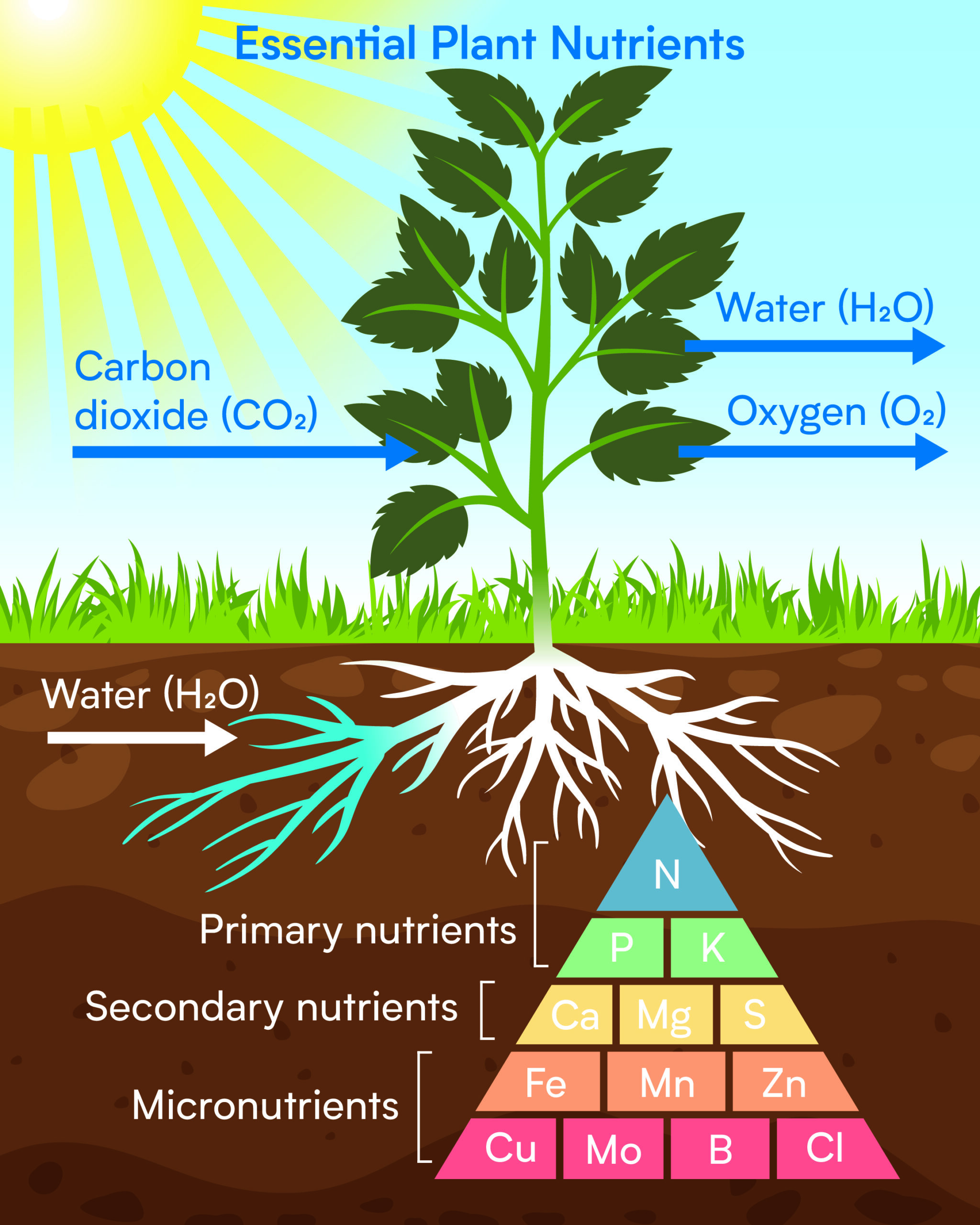
The most important fertilizer for plants is often considered to be nitrogen-based fertilizers. Nitrogen is a crucial nutrient that plays a key role in plant growth, as it is a fundamental component of amino acids, which are the building blocks of proteins. In addition to being essential for the development of chlorophyll, nitrogen aids in the overall growth and vigor of plants.
Why Nitrogen is Essential for Plants
Nitrogen is vital for several reasons:
- Protein Synthesis: Nitrogen is a key element in amino acids, which are necessary for the production of proteins in plants.
- Chlorophyll Production: It contributes to the formation of chlorophyll, aiding in photosynthesis, which is essential for energy production.
- Vegetative Growth: Adequate nitrogen levels lead to lush, healthy foliage and robust plant structures.
Types of Nitrogen Fertilizers
There are various types of nitrogen fertilizers available in the market, each with its unique properties:
- Urea: One of the most commonly used nitrogen fertilizers, containing about 46% nitrogen.
- Ammonium Nitrate: A quick-release fertilizer, providing both nitrogen and some nutrients like calcium.
- Calcium Nitrate: Supplies both nitrogen and calcium, beneficial for plant health and structure development.
Application Methods for Nitrogen Fertilizers
Applying nitrogen fertilizers effectively is crucial for maximizing their benefits:
- Broadcasting: Spreading fertilizer evenly across the soil surface before tilling.
- Banding: Placing fertilizer in bands near the plant's root zone for better absorption.
- Foliar Feeding: Spray applications of liquid fertilizers directly on the leaves for instant nitrogen uptake.
Signs of Nitrogen Deficiency in Plants
Plants lacking nitrogen show specific symptoms that indicate deficiency:
- Yellowing Leaves: Older leaves typically turn yellow, a condition known as chlorosis.
- Poor Growth: Stunted growth and weak stems are common indicators.
- Fewer Flowers or Fruits: Plants may produce fewer flowers and fruits if nitrogen is insufficient.
Environmental Considerations with Nitrogen Fertilizers
While nitrogen fertilizers are beneficial, their use must be managed wisely:
- Runoff Issues: Excess nitrogen can leach into waterways, leading to pollution and algal blooms.
- Soil Health: Over-application can result in soil degradation and loss of microorganisms.
- Climate Impacts: Nitrous oxide emissions from nitrogen fertilizers contribute to greenhouse gas effects.
What is triple 20 fertilizer good for?
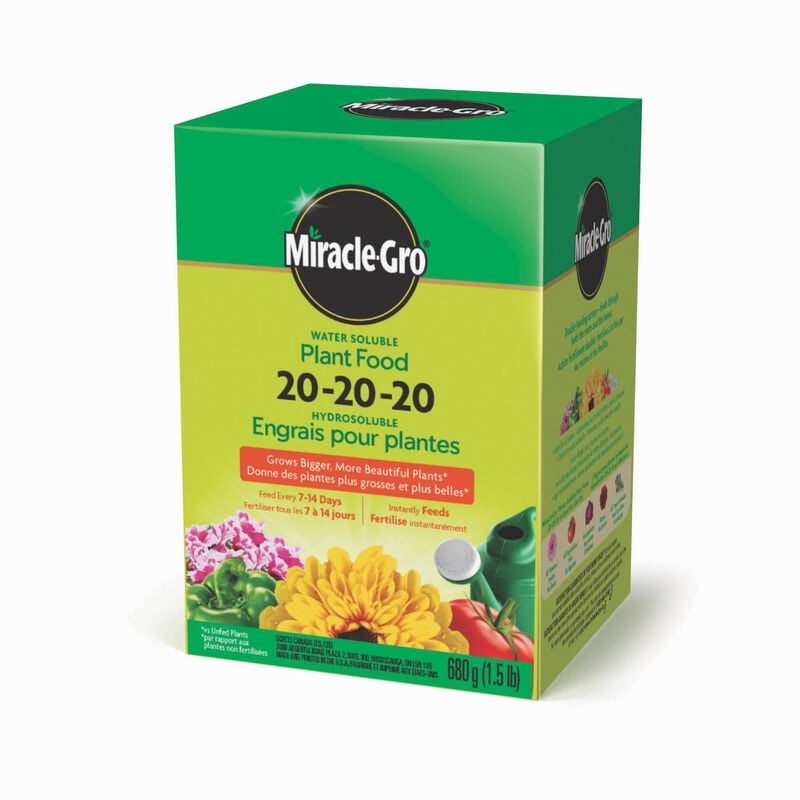
Triple 20 fertilizer, also known as 20-20-20 fertilizer, is a balanced, all-purpose fertilizer that contains equal parts of three essential nutrients: nitrogen (N), phosphorus (P), and potassium (K). This type of fertilizer is particularly beneficial for promoting healthy growth in a wide range of plants due to its balanced nutrient profile.
Benefits of Using Triple 20 Fertilizer
Triple 20 fertilizer provides various benefits for plants, making it a popular choice among gardeners and farmers alike. Key benefits include:
- Balanced Nutrition: It supplies equal amounts of all three macronutrients, ensuring that plants receive what they need for growth.
- Versatility: Suitable for different types of plants, including vegetables, flowers, and shrubs, making it ideal for mixed gardens.
- Quick Release: Often formulated for rapid uptake, allowing plants to quickly benefit from the nutrients provided.
When to Apply Triple 20 Fertilizer
Timing is crucial when applying Triple 20 fertilizer to ensure maximum effectiveness. Appropriate application times include:
- Spring Growth: Ideal for use during the growing season to support new growth and blooming.
- Before Planting: Incorporating it into the soil before planting can help establish strong root systems.
- Regular Intervals: Reapplication every 4-6 weeks can maintain nutrient levels throughout the growing period.
How to Apply Triple 20 Fertilizer
Applying Triple 20 fertilizer correctly enhances its effectiveness. Following these steps will help achieve optimal results:
- Soil Preparation: Ensure the soil is well-tilled and weed-free before application to improve nutrient absorption.
- Proper Measurement: Use the recommended rates based on the specific plant requirements or soil tests for accurate dosing.
- Water Thoroughly: After application, watering the plants well helps dissolve the fertilizer and promotes nutrient uptake.
Plants That Benefit from Triple 20 Fertilizer
Many plants thrive with the use of Triple 20 fertilizer. Some examples include:
- Vegetables: Tomatoes, peppers, and cucumbers see significant growth with balanced nutrient input.
- Flowering Plants: Annuals like petunias and marigolds benefit from the nutrients, promoting vibrant blooms.
- Foliage Plants: Houseplants such as pothos and ferns flourish with the even nutrient distribution.
Potential Drawbacks of Triple 20 Fertilizer
While Triple 20 fertilizer has many advantages, there are some potential drawbacks to consider:
See also:
- Over-Fertilization: Excessive application can lead to nutrient burn and affect plant health negatively.
- Soil Imbalance: Continuous use without rotating fertilizers might create nutrient imbalances in the soil.
- Water Solubility: Being water-soluble, it can leach away during heavy rains, reducing its effectiveness.
What is the best fertilizer ratio?
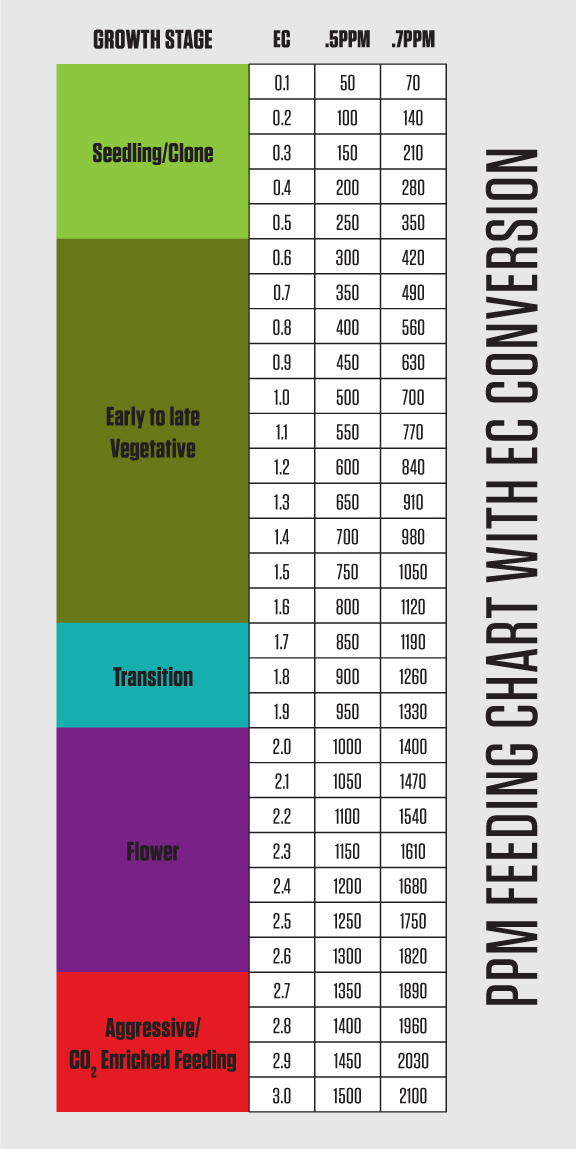
To determine the best fertilizer ratio, it is essential to consider the specific needs of the plants you are growing, as different plants require different nutrient compositions. Fertilizers are typically labeled with three numbers, representing the N-P-K ratio, which stands for Nitrogen (N), Phosphorus (P), and Potassium (K). The right ratio depends on the type of plants, their growth stage, and the existing soil conditions.
A common recommendation for general-purpose gardening is a balanced N-P-K ratio of 10-10-10 or 20-20-20, meaning that each nutrient is present in equal amounts. However, for specific plants or growth stages, different ratios may be more appropriate. For instance:
- Leafy vegetables may benefit from a higher nitrogen ratio (e.g., 20-10-10).
- Flowering plants often require more phosphorus (e.g., 15-30-15).
- Fruiting plants generally thrive with increased potassium (e.g., 10-10-20).
Understanding the nutrient needs can help you choose the best fertilizer ratio for optimal plant health and productivity.
Understanding N-P-K Ratios
The N-P-K ratio indicates the amount of each nutrient in the fertilizer. This ratio helps gardeners understand which nutrients are predominantly contained in a specific fertilizer.
- Nitrogen: Essential for leaf growth and overall plant vitality.
- Phosphorus: Plays a crucial role in root development and flowering.
- Potassium: Important for overall plant functions including water regulation and disease resistance.
Choosing Fertilizer for Specific Plants
Different types of plants have unique nutritional requirements. Understanding the specific needs of the plants in your garden can lead to better growth and yields.
- Vegetables: Nitrogen-rich fertilizers are often preferred for leafy greens.
- Flowers: A higher phosphorus content helps enhance blooming and flowering abilities.
- Fruits: Fertilizers with higher potassium help boost fruit size and quality.
Considering Plant Growth Stages
The nutrient requirements of plants can vary depending on their growth stage. Using the right fertilizer ratio at the appropriate time is crucial for optimal growth.
- Seedling Stage: A higher nitrogen ratio supports early foliage development.
- Vegetative Stage: Balanced ratios facilitate overall growth and health.
- Flowering/Fruiting Stage: Ratios higher in phosphorus and potassium can enhance blooming and fruit quality.
Soil Testing for Nutrient Deficiency
Conducting a soil test can provide valuable insight into the nutrient composition of your soil. This information is vital when determining the best fertilizer ratio to use.
- Nitrogen Deficiency: Symptoms include yellowing leaves and stunted growth.
- Phosphorus Deficiency: Look for dark green, purplish leaves and poor flowering.
- Potassium Deficiency: Symptoms include browning leaf edges and weak stems.
Applying Fertilizer Effectively
Proper application of fertilizer is critical for maximizing nutrient uptake and minimizing waste or runoff. Understanding proper techniques can enhance your gardening experience.
- Timing: Apply fertilizer during the active growing season for best results.
- Method: Use the broadcasting method for large areas and spot applications for specific plants.
- Watering: Water the fertilizer in to help activate it and assist in nutrient absorption.
Questions from Our Readers
What is 16-20 fertilizer?
16-20 fertilizer is a type of balanced fertilizer that contains 16% nitrogen, 20% phosphorus, and 0% potassium. This specific formulation is particularly beneficial for establishing strong root systems and promoting healthy flowering and fruiting in plants.
What are the benefits of using 16-20 fertilizer for plants?
The primary benefits of using 16-20 fertilizer include enhancing root growth and improving plant flowering. The high level of phosphorus supports energy transfer in the plant, leading to improved overall health and robustness.
How should 16-20 fertilizer be applied?
16-20 fertilizer should be applied according to the instructions on the packaging, typically recommended for use during the planting phase or when plants show signs of nutrient deficiency. It's essential to follow the suggested dosage to avoid over-fertilization.
Can all types of plants benefit from 16-20 fertilizer?
While many plants, particularly flowering plants and root vegetables, can benefit from 16-20 fertilizer, it's essential to check specific plant nutrient requirements. Not all plants thrive on the same nutrient blend, and some may require a different fertilizer ratio for optimal growth.
See also:

If you want to read more articles like What is the Benefit of 16 20 Fertilizer for Plants? Discover Its Advantages and Best Use Practices, we recommend you check out our Fertilised category.
Leave a Reply
Related Articles