What is the Average Price of an Irrigation System? A Comprehensive Guide to Costs and Factors
Irrigation systems play a crucial role in maintaining healthy landscapes, gardens, and agricultural fields, but understanding the costs associated with these systems is essential for effective planning. This comprehensive guide delves into the average price of various irrigation setups, unraveling the factors that influence these costs. From system size and type to installation complexities and regional pricing differences, we will explore how each element contributes to the overall investment. Whether you're a homeowner looking to enhance your garden or a farmer aiming to optimize your crop yield, this guide will equip you with the knowledge needed to budget effectively for your irrigation needs.
What is the Average Price of an Irrigation System?
The average price of an irrigation system can vary widely based on several factors, including the type of system, the size of the area to be irrigated, and the complexity of the installation. On average, homeowners can expect to spend anywhere from $1,500 to $3,500 for a professionally installed system, which generally covers both materials and labor. More sophisticated systems, like drip irrigation or automated sprinkler systems, may increase the cost, potentially reaching up to $6,000 or more for larger properties. Additionally, ongoing maintenance and water costs should also be considered when budgeting for an irrigation system.
Factors Influencing Irrigation System Prices
There are several factors that can influence the price of an irrigation system, including the type of system chosen, the size of the property, and local labor costs. For example, drip irrigation systems, which are highly effective for watering specific plants, can be more expensive than traditional sprinkler systems due to the complexity of installation. Similarly, a larger property will typically incur higher costs due to the increased materials and time needed for installation.
Types of Irrigation Systems
When considering an irrigation system, there are various types available, each with its own price range. Surface irrigation is generally the least expensive option, while drip irrigation systems are tailored for efficiency but come with a higher initial cost. Sprinkler systems can range from basic to complex setups, affecting overall pricing. Each type serves different purposes and should be selected based on specific landscaping needs and personal preferences.
Cost Breakdown: Installation vs. Equipment
The overall cost of an irrigation system can be divided into installation costs and equipment costs. Installation typically makes up a significant portion of the total expense, as it includes labor charges and site preparation. Equipment costs involve the purchase of pipes, sprinklers, and other components. A detailed breakdown might show that about 50-60% of the total costs are tied up in installation, while the remaining percentage goes toward the actual equipment used in the system.
Additional Costs to Consider
In addition to the initial setup costs, several additional costs may arise with an irrigation system. These can include ongoing maintenance fees, water usage fees, and potential repairs. Regular servicing is important to ensure the system functions efficiently over the years, which may add to the overall cost. Budgeting for these additional expenses is essential for property owners considering an irrigation system.
Return on Investment for Irrigation Systems
Investing in an irrigation system can yield a positive return on investment over time. Well-watered plants typically show better health and yields, which can result in more robust gardens or healthier lawns. Additionally, efficient watering can lead to lower water bills, especially if the system is designed to minimize waste. Homeowners may find that the cost savings and enhanced property value make such systems worthwhile investments in both the short and long term.
| Type of System | Average Cost Range |
|---|---|
| Surface Irrigation | $1,000 - $2,500 |
| Sprinkler System | $1,500 - $4,000 |
| Drip Irrigation | $2,500 - $6,000 |
How much should I pay for an irrigation system?

The cost of an irrigation system can vary significantly based on several factors. Generally, you should expect to pay between $1,500 and $5,000 for a residential irrigation system. However, more complex systems or larger properties can push the costs even higher. Here’s a detailed breakdown of the key factors that influence the overall price:
Factors Affecting Irrigation System Costs
The costs of irrigation systems can fluctuate based on various key factors. Understanding these can help you estimate your budget effectively:
- Type of Irrigation System: Different systems such as drip, sprinkler, or soaker hoses have varying costs. For example, drip irrigation typically costs more upfront but can save money on water bills.
- Size of the Area: The larger the area you intend to irrigate, the more materials you'll require, increasing your total costs.
- Installation Complexity: If your garden has unique features like hills or flower beds, the system may require customized solutions, raising labor costs.
Average Installation Costs
When considering installation costs, it helps to know the average expenses associated with different systems:
- Basic Sprinkler Systems: Expect to pay between $1,500 and $3,000 for a standard sprinkler system on a flat lawn.
- Advanced Drip Systems: These can cost between $3,000 to $5,000 depending on the complexity and area coverage.
- Water-saving Systems: These are typically more expensive to install, starting from $4,000, but can help lower water costs in the long run.
Maintenance Costs
It’s essential to consider the ongoing maintenance costs associated with irrigation systems:
- Regular Inspections: You'll need to conduct seasonal checks, which can cost between $150 and $300 annually.
- Repairs: Occasional repairs for damaged pipes or components can add up, so budgeting around $100 to $500 annually is wise.
- System Upgrades: As technology advances, you may want to upgrade components, costing anywhere from $200 to $1,000 based on what you choose to enhance.
Water Usage and Efficiency
The efficiency of your irrigation system also relates to its water usage, impacting both costs and environmental sustainability:
See also:
- Water Rates: Higher rates in your area can increase costs, prompting the need for more efficient systems.
- Rain Sensors: Installing rain sensors may add initial costs but will save on water bills over time by preventing unnecessary watering.
- Soil Moisture Sensors: These devices can optimize water application but may require an investment of $100 to $300 each.
DIY vs. Professional Installation
Choosing between a DIY installation or hiring professionals can greatly impact your overall costs:
- DIY Installation: If you're handy, you can save on labor costs (around $50 to $200), though this might require more time and effort.
- Professional Installation: Hiring experts can increase the initial cost by $500 to $2,000, but often guarantees a more reliable system.
- Consultation Fees: Professionals may charge for initial consultations, typically around $100 to $250, but could save you money in system efficiency.
What is the average cost of a residential sprinkler system?

The average cost of a residential sprinkler system typically ranges between $2,000 and $4,000. However, this cost can vary significantly based on factors such as the size of the lawn, the type of system installed, and any specific features or upgrades you may want. Below are the main components that influence the overall cost.
Factors Influencing Cost
The total price of installing a residential sprinkler system depends on multiple factors, including:
- Size of the Property: Larger areas require more materials and labor, thus increasing the cost.
- Type of System: Different types of systems (drip, spray, or rotor systems) have varying costs based on their design and efficiency.
- Water Source: Availability and distance to the water source can add to installation complexity and expense.
- Soil Type: Certain soil types may require specialized installation techniques, raising costs.
- Labor Charges: The cost of labor can fluctuate depending on location and the experience level of the contractors involved.
Types of Sprinkler Systems
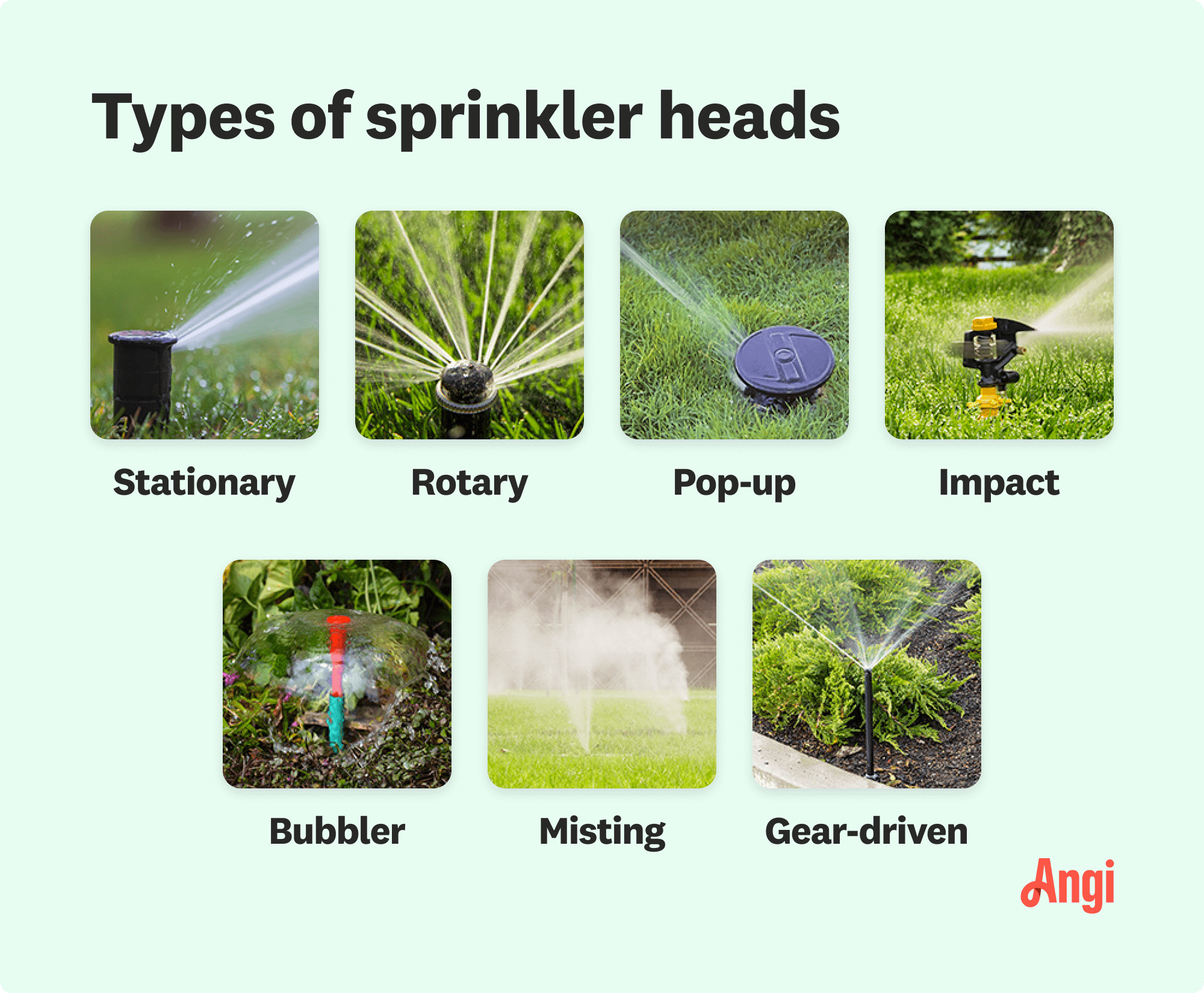
There are mainly three types of sprinkler systems that homeowners can consider, each differing in functionality and cost:
- Spray Systems: Best for smaller areas, these systems are less expensive but less water-efficient.
- Rotary Systems: These cover larger areas and use less water, but can cost more to install.
- Drip Irrigation: Ideal for gardens and flower beds, offering precision watering but also comes with a higher installation cost.
Installation Costs
The cost of installation is a significant part of budgeting for a residential sprinkler system. Breakdown of installation costs includes:
- Initial Consultation: Many companies charge for the initial assessment of your property.
- Material Costs: Pipes, controllers, and sprinkler heads contribute significantly to the final cost.
- Labor: Professional installation generally adds 30-50% to the total cost of the system.
Maintenance Expenses
Once installed, a sprinkler system also incurs ongoing costs for maintenance:
- Seasonal Start-Up: Many homeowners require professional help to start up and winterize the system each year.
- Repairs: Common issues such as leaks or broken heads can occur, necessitating periodic repairs.
- Water Costs: Increased usage can lead to higher water bills, which need to be accounted for in the budget.
Potential Savings
Investing in a residential sprinkler system can lead to various long-term savings:
- Water Efficiency: Many modern systems are designed to minimize water waste, reducing bills significantly.
- Healthy Lawns: A well-watered lawn is less likely to suffer drought stress, which can save on re-sodding or garden replacement costs.
- Property Value: A professionally installed sprinkler system can enhance the curb appeal and value of your home.
How much is a brand new irrigation system?
The cost of a brand new irrigation system can vary significantly based on several factors, including the type of system, the size of the area to be irrigated, and installation costs. On average, homeowners can expect to pay anywhere from $1,500 to $3,500 for a complete system installed. More complex or extensive installations can exceed this range, with larger agricultural systems potentially costing $10,000 or more.
Factors Influencing the Cost of Irrigation Systems
Several factors can affect the final price of an irrigation system:
- Type of System: Drip, sprinkler, and surface irrigation systems vary in cost. Drip systems, although more expensive initially, can be more efficient over time.
- Size of Area: The larger the area requiring irrigation, the higher the costs due to more materials and labor required.
- Water Source: Access to a natural water source or well may reduce costs, while city water may increase them due to higher usage fees.
Types of Irrigation Systems and Their Costs
Different types of irrigation systems cater to specific needs and have different cost structures:
- Drip Irrigation: Ideal for gardens and landscapes, initial costs are typically between $1,000 to $2,500 for installation.
- Sprinkler Systems: Suitable for lawns, prices range from $2,000 to $4,000, depending on the complexity.
- Surface Irrigation: Often used in agriculture, can cost around $1,500 to $5,000 or more based on acreage and design.
Installation Costs for Irrigation Systems
The installation costs can take up a significant portion of the overall expense:
See also:
- Labor Rates: Vary by region; installing a system usually requires professional help, which can cost $50 to $100 per hour.
- Site Preparation: Any necessary modifications or landscaping changes will contribute to higher costs.
- Permits: Depending on local regulations, you may need to factor in permit costs that could add several hundred dollars.
Maintenance Costs for Irrigation Systems
Beyond initial installation, ongoing maintenance is a key cost consideration:
- Regular Checkups: Scheduling annual maintenance can help ensure efficiency, costing about $150 to $300 per visit.
- Repairs: Broken components may require occasional replacements, with costs ranging from $50 to $500, depending on the issue.
- Seasonal Adjustments: Modifying the system for seasonal use can incur additional charges but is crucial for maximizing efficiency.
Potential Savings from Efficient Irrigation Systems
Investing in a new system can lead to long-term savings:
- Water Conservation: Modern systems reduce water usage by 30% to 50%, decreasing bills over time.
- Increased Crop Yields: For agricultural use, better irrigation can lead to healthier crops and higher profits.
- Reduced Labor Costs: Automation in modern systems minimizes the need for manual labor, thus saving money.
How much does it cost to install a sprinkler irrigation system?
The cost of installing a sprinkler irrigation system can vary widely depending on several factors, including the size of the area to be irrigated, the type of system chosen, and local labor rates. Generally, homeowners can expect to pay anywhere between $1,500 to $3,500 for a standard system installation. For larger properties or more complex setups, costs can exceed $10,000. Below is a detailed breakdown of factors influencing the installation costs.
Factors Influencing Installation Costs
The overall cost of installing a sprinkler irrigation system largely depends on multiple factors that affect both materials and labor. Key elements to consider include:
- System type: Different systems, such as drip, rotary, or spray, have varying installation costs.
- Property size: Larger areas require more materials and time for installation, increasing costs.
- Soil type: Hard, rocky, or clay-based soils may require additional equipment for installation, adding to the cost.
Types of Sprinkler Systems
There are several types of sprinkler irrigation systems, each with its unique installation costs. Understanding these can help determine the right choice for your landscape:
- In-ground systems: These are typically more expensive due to the complexity of installation but offer a permanent solution.
- Above-ground systems: Generally less costly, these systems are easier to install and may be suitable for small gardens.
- Drip irrigation: While initial costs might be lower, maintenance can add up, especially for large installations.
Labor Costs
Labor can significantly impact the total cost of installing a sprinkler irrigation system. Costs can vary based on:
- Geographic location: Labor rates can differ significantly from one region to another.
- Complexity of installation: More complex systems with added features will require more skilled labor.
- Duration of installation: Longer projects generally lead to higher labor costs.
Material Costs
The materials required for a sprinkler irrigation system can greatly influence the cost. It is essential to consider:
- Type of pipes: PVC pipes tend to be less expensive than copper or polyethylene.
- Controllers and timers: High-tech options can add significant costs but improve efficiency.
- Fittings and connectors: Quality materials are necessary to avoid leaks and ensure longevity.
Maintenance and Additional Costs
After installation, ongoing expenses are an important aspect to consider. Additional costs include:
- Regular maintenance: Periodic check-ups and repairs can ensure the system operates efficiently.
- Water costs: Increased irrigation can lead to higher water bills depending on usage and local rates.
- Seasonal preparation: In certain climates, winterizing systems may incur additional charges.
Questions from Our Readers
What factors influence the average price of an irrigation system?
The average price of an irrigation system can be influenced by several factors, including the size of the area to be irrigated, the type of system chosen (such as drip, sprinkler, or surface), the complexity of the installation, and any additional features like automation or water-saving technology.
What is the typical price range for a residential irrigation system?
For residential properties, the typical price range for an irrigation system can vary widely, often falling between $2,000 and $4,500, depending on the system's size and features, along with any necessary landscaping modifications or permitting fees.
Are there ongoing costs associated with maintaining an irrigation system?
Yes, there are ongoing costs associated with maintaining an irrigation system, which can include water bills, routine maintenance, occasional repairs, and possible system upgrades to ensure optimal efficiency and performance over time.
How can I minimize the cost of an irrigation system?
To minimize the cost of an irrigation system, consider methods such as evaluating the landscape design to optimize water usage, choosing a more affordable system type, installing the system yourself if possible, and taking advantage of local rebates or assistance programs that promote water conservation.
See also:

If you want to read more articles like What is the Average Price of an Irrigation System? A Comprehensive Guide to Costs and Factors, we recommend you check out our Irrigation category.
Leave a Reply
Related Articles