Top Pests: What is Eating My Lemon Tree Leaves Australia - Identifying and Solving the Issue
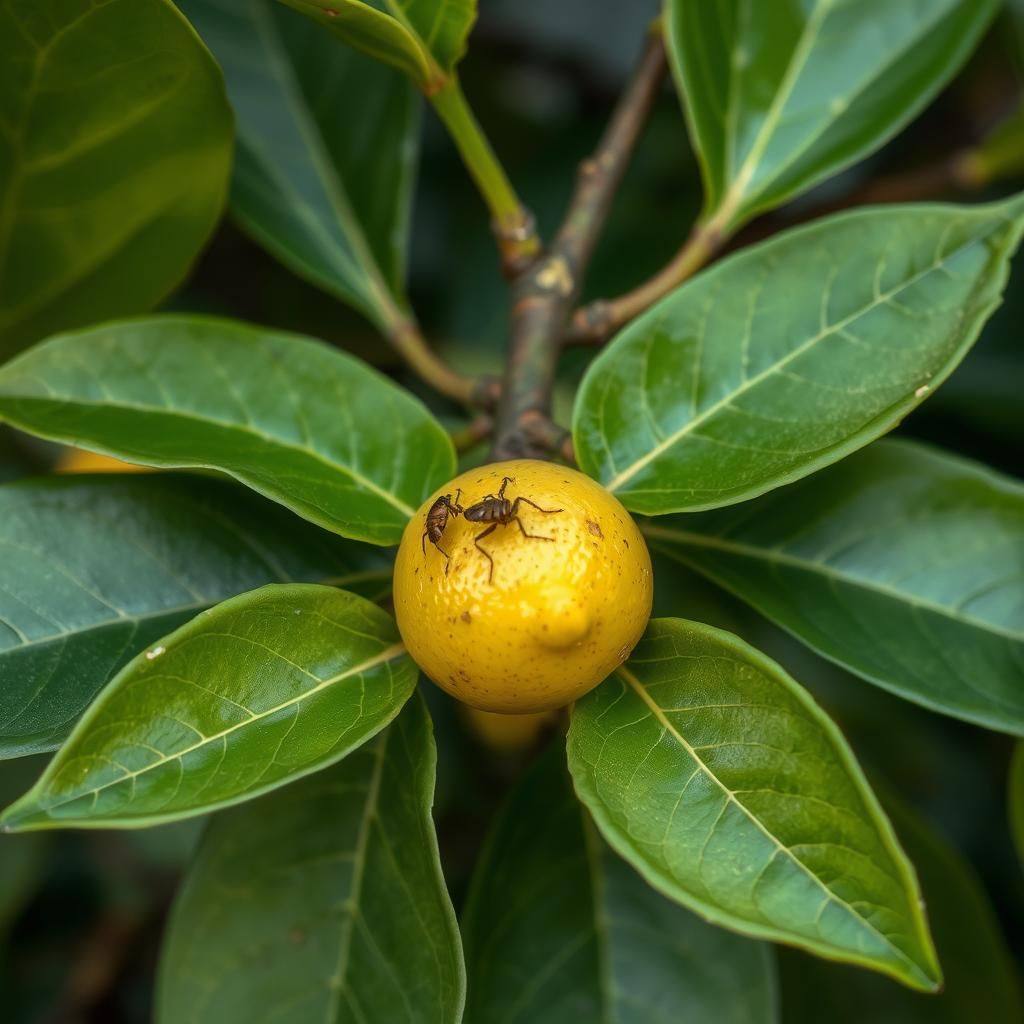
Lemon trees are a beloved addition to many Australian gardens, offering fragrant blossoms and delightful fruit. However, gardeners often face the challenge of pests that can munch on their precious lemon tree leaves, causing concern and potential damage. Identifying which pests are responsible is crucial for the health of the tree and the success of your gardening efforts. In this article, we will explore the top pests that plague lemon trees in Australia, providing insights into their identification and effective solutions to protect your plants. With the right knowledge, you can keep your lemon tree thriving and fruitful.
What Could Be Feasting on My Lemon Tree Leaves in Australia?
In Australia, lemon trees face various threats that can result in the loss of their precious leaves, often leading to concerns among gardeners. Common culprits include insects like aphids, which suck the plant's sap, caterpillars, which chew on the foliage, and scale insects, which can cause leaf drop and overall decline in the tree’s health. Additionally, environmental factors such as nutrient deficiencies, drought, or even diseases can manifest as leaf loss. Identifying the specific culprit is essential for effective treatment, as different pests or conditions require different management strategies to ensure the health and vitality of your lemon tree.
Aphids and Their Impact on Lemon Trees
Aphids are small, soft-bodied insects that can be extremely damaging to lemon trees. These pests typically cluster on the undersides of leaves, where they feed on the sap, weakening the plant and causing leaves to curl, yellow, or eventually drop. Their feeding not only harms the tree directly but can also lead to the spread of diseases like citrus greening. Regular checks for aphids and appropriate insecticidal treatments can help protect the tree from these destructive pests.
Caterpillars: The Chewing Menace
Caterpillars, the larval stage of moths and butterflies, can cause significant damage to lemon tree leaves. These pests are known for their voracious appetites, often devouring entire leaves and leaving unsightly holes behind. Species such as the citrus webworm or the loopers are commonly found in Australian gardens. Managing caterpillar infestations typically involves the use of biological control agents, such as parasitic wasps, or targeted insecticides to minimize their impact on your lemon tree.
Scale Insects and Their Detrimental Effects
Scale insects are another threat to lemon trees that can lead to leaf loss. They are characterized by their hard or soft protective shells, which make them challenging to control. These insects attach themselves to stems and leaves, sucking out the sap and causing the leaves to yellow and drop. The presence of honeydew, a sticky substance they excrete, can also encourage sooty mold growth, further affecting the tree's health. Effective treatments often include horticultural oils to smother scales or insecticidal soaps for easier removal.
See also:
Sometimes, leaf loss in lemon trees can be attributed to nutrient deficiencies. Key nutrients required for healthy foliage include nitrogen, iron, and magnesium. A lack of these essential elements can lead to symptoms like yellowing leaves, poor growth, and eventually leaf drop. Conducting a soil test can help identify deficiencies, allowing gardeners to amend the soil with the appropriate fertilizers, ensuring the lemon tree gets the nutrients it needs for optimal growth.
Environmental Stress: The Role of Drought and Disease
Environmental stress factors, such as prolonged drought, can severely affect lemon trees, leading to leaf loss. Insufficient water supply can cause leaves to wilt and fall prematurely. Similarly, certain diseases, such as phytophthora root rot, can lead to nutrient uptake issues that manifest as leaf drop. Ensuring consistent watering during dry periods and monitoring for signs of disease can help safeguard lemon trees against these environmental stresses.
| Culprit | Symptoms | Control Methods |
|---|---|---|
| Aphids | Curling, yellowing leaves | Insecticidal soap, neem oil |
| Caterpillars | Holes in leaves, defoliation | Biological controls, targeted insecticides |
| Scale Insects | Yellowing leaves, honeydew presence | Horticultural oils, insecticidal soaps |
| Nutrient Deficiencies | Yellowing foliage, poor growth | Fertilizers, soil amendments |
| Environmental Stress | Wilting, leaf drop | Consistent watering, disease monitoring |
Common Pests Affecting Lemon Trees in Australia
Lemon trees in Australia are often vulnerable to various pests that can cause significant damage to their leaves, leading to stunted growth and reduced fruit production. Identifying these harmful insects early can be crucial for the health of your tree. The most common culprits include aphids, which suck sap from the leaves, scale insects that create a sticky residue known as honeydew, and caterpillars that chew through foliage, creating unsightly holes. Effective pest management strategies, such as introducing beneficial insects, using insecticidal soaps, and maintaining a healthy ecosystem, can help mitigate these issues and keep your lemon trees thriving.
Aphids: Tiny Yet Destructive
Aphids are small, soft-bodied insects that can be found on the undersides of lemon tree leaves. They feed by sucking plant sap, which can weaken the plant and promote the growth of sooty mold. The presence of aphids can often be detected by the curling or yellowing of leaves. To combat these pests, it is effective to introduce natural predators like ladybugs or to use insecticidal soap that targets aphids without harming beneficial insects.
Scale Insects: The Hard Shells of Trouble
Scale insects are another serious threat to lemon trees, often appearing as small, raised bumps on leaves and stems. They can be categorized into soft and hard scales, both of which feed on plant sap and can lead to yellowing leaves and a decline in overall plant health. Treatment options include scrubbing the affected areas with a soft brush or using oils designed to suffocate and kill the insects.
See also:
Caterpillars: The Leaf Munchers
Caterpillars, especially those from species like the cabbage moth, can cause extensive damage to lemon tree leaves by chewing large holes and weakening the plant. They tend to be more prevalent during the warmer months and can rapidly defoliate lemon trees if not controlled. Handpicking these caterpillars or utilizing Bacillus thuringiensis (Bt)—a natural bacterium that targets caterpillars—are effective management strategies.
Spider Mites: The Stealthy Suckers
Spider mites are tiny arachnids that thrive in hot and dry conditions, often producing fine webs on the undersides of leaves. These pests can cause a stippled appearance on the leaves and may lead to serious stress on the tree if left untreated. Increasing humidity around the plants and applying miticides or insecticidal soaps can help control an infestation.
Whiteflies: The Flying Menace
Whiteflies are small, moth-like insects that can produce large populations quickly on lemon trees. They feed on the leaves, extracting sap and excreting honeydew, which can attract other pests and lead to further complications like sooty mold. To manage whiteflies, introducing parasitic wasps, utilizing sticky traps, and applying horticultural oils to suffocate the insects can be quite effective.
Questions from Our Readers
What insects are commonly known to eat lemon tree leaves in Australia?
Lemon trees in Australia are often threatened by pests such as aphids, leaf miners, and caterpillars. These pests can cause significant damage by feeding on the leaves, leading to stunted growth and reduced fruit production.
How can I identify if pests are damaging my lemon tree leaves?
To determine if pests are affecting your lemon tree, look for signs like discoloration, holes, or curling in the leaves. Additionally, you may observe sticky residues or small insects on the leaves, which can indicate a pest infestation.
See also:
What natural methods can I use to protect my lemon tree from leaf eaters?
You can protect your lemon tree by employing natural methods such as introducing beneficial insects like ladybugs and lacewings, or using Neem oil to deter pests. Regularly inspecting your tree and removing any affected leaves can also help maintain its health.
When is the best time to treat my lemon tree for pests?
The ideal time to treat your lemon tree for pests is during the spring and early summer when pests are most active. Frequent monitoring during these seasons will help you catch any infestations early and apply preventive treatments effectively.

If you want to read more articles like Top Pests: What is Eating My Lemon Tree Leaves Australia - Identifying and Solving the Issue, we recommend you check out our Gardeners category.
Leave a Reply
Related Articles