What is better, a white or green greenhouse? A Comprehensive Comparison for Optimal Gardening
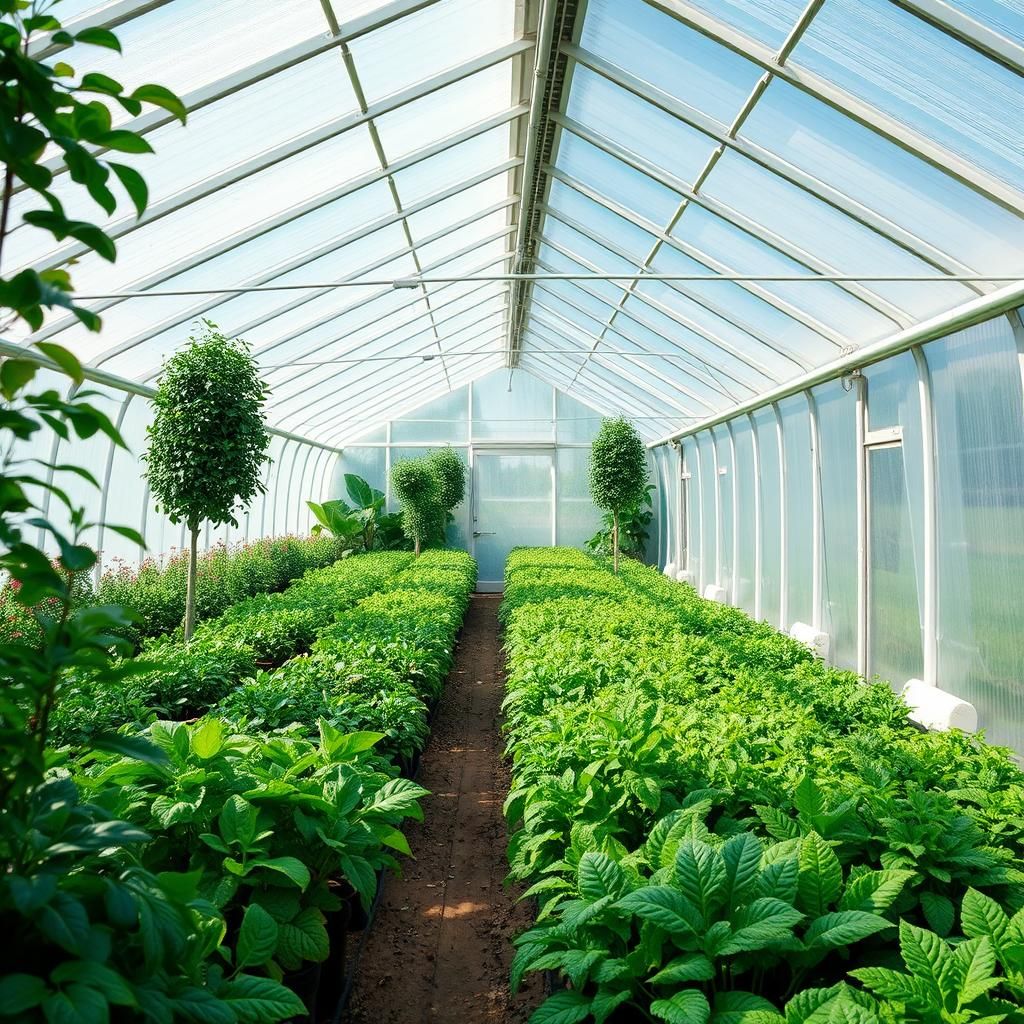
When it comes to optimizing gardening conditions, greenhouse color plays a crucial role in plant growth and health. White and green greenhouses each come with their own set of benefits and drawbacks, impacting factors such as light transmission, temperature regulation, and aesthetic appeal. This comprehensive comparison aims to analyze the pros and cons of both white and green greenhouses, helping gardeners make informed decisions based on their specific needs and environment. By understanding how color influences greenhouse efficiency, you can create the optimal setting for nurturing your plants and maximizing your gardening success.
Which is Better: A White or Green Greenhouse?
When deciding between a white or green greenhouse, it is essential to consider factors such as aesthetic appeal, light diffusion, and heat control. A white greenhouse reflects more sunlight, which can help maintain a cooler internal temperature on hot days, making it ideal for certain climates and preventing overheating. In contrast, a green greenhouse blends better with natural surroundings, offering a more visually pleasing appearance, which some gardeners prefer. However, the color of the greenhouse can significantly affect plant growth; the right choice depends largely on the specific environmental conditions of your area, the type of plants you are cultivating, and your personal preferences regarding garden aesthetics.
Light Reflection and Absorption
The color of a greenhouse plays a crucial role in how much light is reflected or absorbed. A white greenhouse tends to reflect a higher percentage of sunlight, which can aid in preventing the overheating of plants during warmer months. Conversely, a green greenhouse absorbs some of the light, which may lead to a warmer environment, potentially benefiting heat-loving plants but creating stress for others that prefer cooler conditions.
Temperature Regulation
Temperature regulation is another significant consideration when choosing between a white or green greenhouse. Generally, white greenhouses maintain lower temperatures due to their reflective capabilities, making them suitable for use in hotter climates where excessive heat can be detrimental to plant health. In contrast, green greenhouses can maintain a higher internal temperature, which can be advantageous for warmer-loving plants but may require additional cooling measures to prevent heat stress during peak temperatures.
Aesthetic Appeal
Aesthetic preferences often drive gardeners' choices between a white or green greenhouse. A green greenhouse often provides a more natural look, seamlessly blending with the garden atmosphere and surrounding foliage. On the other hand, a white greenhouse can stand out more prominently, which can either be a benefit or a drawback, depending on the homeowner's vision for their garden space and how they wish it to integrate with their overall landscaping.
See also:
Cost and Maintenance
In terms of budget considerations, there can be differences in the cost of materials and ongoing maintenance between white and green greenhouses. White structures may require regular cleaning to maintain their reflective properties, which can increase maintenance efforts and costs over time. Green structures, being less prone to showing dirt or algae, may reduce the frequency of cleaning required, potentially making them easier and less expensive to maintain in the long run.
Impact on Plant Growth
The color of a greenhouse can significantly impact plant growth due to variations in light quality and temperature. With better light diffusion and cooler temperatures, a white greenhouse can benefit plants that require softer light conditions. Conversely, a green greenhouse may promote faster growth in heat-loving plants by trapping warmth, thus creating a microclimate suitable for their development but could be less optimal for species that thrive in cooler conditions.
| Aspect | White Greenhouse | Green Greenhouse |
|---|---|---|
| Light Reflection | High Reflection | Moderate Absorption |
| Temperature Control | Cooler Internal Temp | Warmer Internal Temp |
| Aesthetic Appeal | More Distinct | Blends with Nature |
| Maintenance | Higher Cleaning Needs | Less Frequent Cleaning |
| Plant Growth Impact | Better for Light Sensitive Plants | Better for Heat Lovers |
Key Factors to Consider When Choosing Between White and Green Greenhouses
When deciding between a white or green greenhouse, it's essential to evaluate several factors that can significantly impact your gardening success. The color of a greenhouse affects light penetration, thermal regulation, and even the growth of your plants. White greenhouses tend to reflect more light, creating a brighter environment, which can result in faster plant growth and a more uniform temperature. On the other hand, green greenhouses often blend better with surrounding landscapes and may have better heat retention, making them suitable for certain climates and plants. Choosing the right color requires considering your local weather conditions, the types of plants you wish to cultivate, and your overall ambiance preferences in your gardening space.
Light Reflection and Absorption
The color of your greenhouse plays a critical role in how much light is reflected and absorbed. White greenhouses tend to have a high reflectivity, allowing more natural light to penetrate inside, which can be beneficial for photosynthesis. This increased light can lead to healthier plants and potentially higher yields. In contrast, green greenhouses absorb more light, which can create a warmer environment. This may be advantageous during cooler months but could lead to overheating in warmer climates, necessitating careful management of ventilation and shade.
Thermal Properties
Both white and green greenhouses have unique thermal characteristics that can affect the temperature inside. White structures generally reflect some solar radiation, helping to moderate temperature levels and prevent overheating. However, they may not retain heat as effectively at night. On the other hand, green greenhouses can absorb and retain more heat throughout the night, which can be crucial for seedling development in cooler conditions. Understanding your local temperature variations can help you decide which color will best suit your gardening needs.
See also:
Integration with Landscape
Another important aspect to consider is how a greenhouse integrates with your existing landscape. Green greenhouses often blend seamlessly into the garden, making them visually appealing and creating a more natural setting. This can enhance the overall aesthetic of your outdoor space. In contrast, white greenhouses stand out more prominently, which might be ideal for gardeners who prefer a clean, modern look or want to make a statement. Assessing your personal preferences and the intended environment of your garden can guide your choice.
Material Durability and Maintenance
The color of a greenhouse can also influence its durability and maintenance requirements. White materials may show dirt and algae more easily, necessitating more frequent cleaning to maintain their reflective properties. Meanwhile, green materials can disguise dirt better, potentially reducing the need for upkeep. However, the long-term durability of the material itself should also be considered, as some paints or finishes may wear differently based on their color. Evaluating the longevity of the materials along with your willingness to maintain them is key to a sound investment.
Energy Efficiency
Energy efficiency is a crucial component when choosing between a white and green greenhouse. A white greenhouse can minimize cooling costs during hot months by reflecting unwanted heat and keeping the interior temperature lower. Conversely, a green greenhouse may offer better insulation and heat retention, particularly beneficial during the winter months, potentially reducing the need for artificial heating. Assessing your climate and energy needs will help you understand which greenhouse color can best contribute to a more sustainable and cost-effective gardening experience.
Questions from Our Readers
What are the advantages of a white greenhouse?
White greenhouses reflect more sunlight, which creates a cooler environment for plants. This can be particularly beneficial in warmer climates where excessive heat can damage crops. Additionally, they offer better light diffusion, promoting more uniform growth and preventing issues like scorching.
What are the benefits of a green greenhouse?
A green greenhouse blends more naturally with the surrounding environment, making it visually appealing. It also absorbs more sunlight, which can create a warmer atmosphere that is favorable for growth during the cooler months. This can enhance plant health and increase yields.
See also:
Which type of greenhouse is more energy-efficient?
Generally, white greenhouses are considered more energy-efficient in warmer climates as they help to maintain cooler temperatures inside, reducing the need for additional cooling systems. However, in colder regions, a green greenhouse might be more efficient because it retains heat better, minimizing heating costs.
How do maintenance needs differ between white and green greenhouses?
In terms of maintenance, white greenhouses may require more frequent cleaning to maintain their light-reflective properties, while green greenhouses can hide dirt and stains better. However, the structural integrity and care requirements typically depend on the materials used, rather than the color alone.

If you want to read more articles like What is better, a white or green greenhouse? A Comprehensive Comparison for Optimal Gardening, we recommend you check out our Greenhouse category.
Leave a Reply
Related Articles