What is a pergola attached to a house called? Understanding the Different Types and Their Benefits
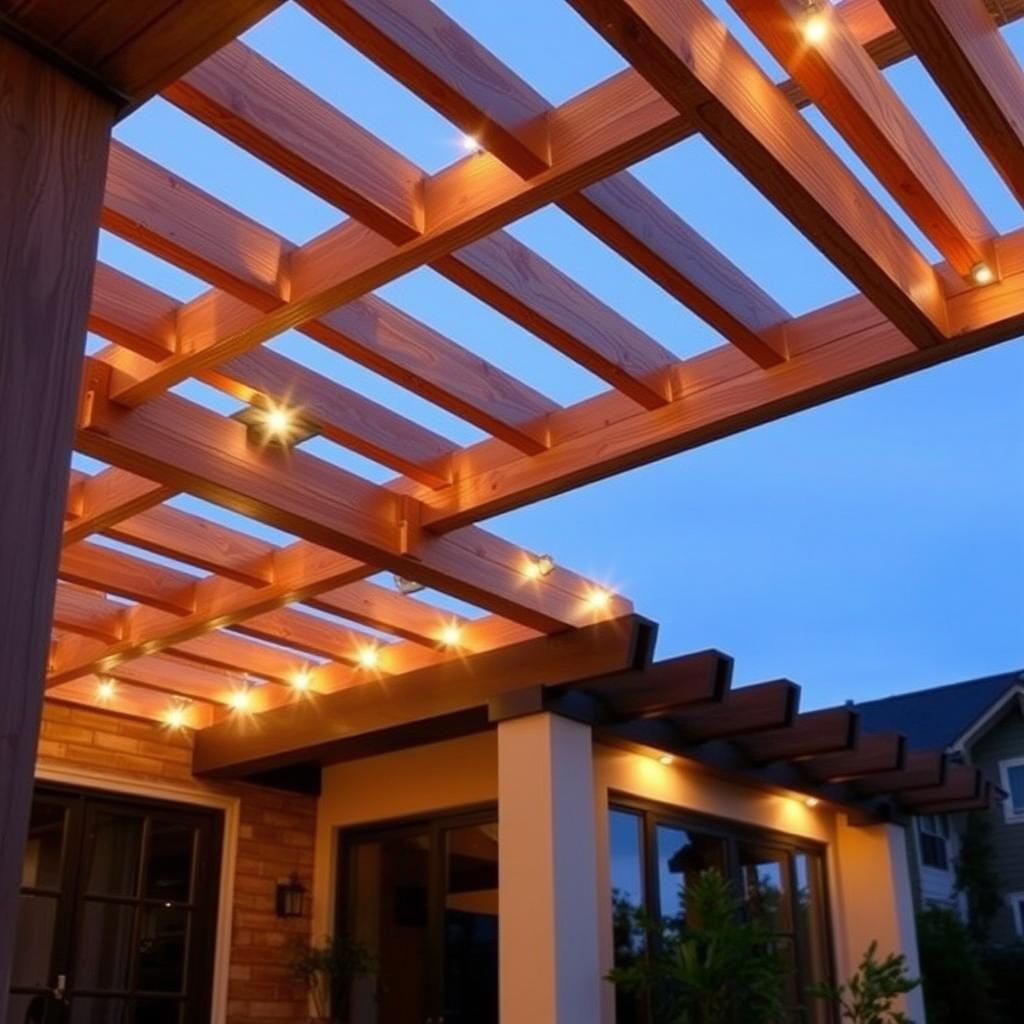
When it comes to outdoor living spaces, a pergola attached to a house offers both aesthetic appeal and functional benefits. Often referred to as an attached pergola or pergola extension, this structure not only enhances the home’s exterior but also creates a seamless connection between indoor and outdoor areas. Understanding the different types of attached pergolas, such as flat, gable, and curved designs, is essential for homeowners looking to maximize their outdoor environment. In this article, we will explore the various styles of attached pergolas and discuss their unique advantages, helping you decide which option best fits your needs.
Understanding Attached Pergolas
A pergola attached to a house is commonly referred to as a attached pergola or sometimes a pergola awning. This structure is built against the home's exterior, providing a transitional space that creates a shaded area for outdoor living while enhancing the aesthetics of the home. The primary function of an attached pergola is to offer partial shade while maintaining an open feel, which allows for air circulation. These structures can be customized in various styles and materials to complement the existing architecture of the house, making them a popular choice for homeowners looking to extend their living space outdoors.
What are the Advantages of an Attached Pergola?
An attached pergola provides numerous advantages, including the ability to expand your outdoor living space seamlessly. It offers partial shade, which can help to regulate temperatures in adjacent areas, making them more comfortable for gatherings. Additionally, this type of pergola can enhance the visual appeal of your home, creating an inviting atmosphere. They can also serve as a support structure for climbing plants, adding a touch of nature and beauty to your exterior. Furthermore, an attached pergola can increase the overall value of your property.
Design Options for Attached Pergolas
When designing an attached pergola, homeowners have a variety of options to choose from. Common materials include wood, vinyl, and aluminum, each offering different aesthetics and durability. The design can range from traditional to modern, with variations in roof styles, such as flat or angled. Additionally, homeowners can incorporate features like built-in lighting, ceiling fans, and even privacy screens to enhance functionality and comfort. Customizing your attached pergola allows it to fit seamlessly with the overall design of your home.
Installation Considerations for Attached Pergolas
Installing an attached pergola involves several important considerations. First, it is crucial to ensure that the structure is adequately secured to the house to withstand weather conditions. Homeowners should also consider local building codes and obtain necessary permits before installation. Selecting the right location is key, ideally where it can receive some sunlight while providing shade when needed. Additionally, planning for the incorporation of landscaping around the pergola can enhance its visual appeal and functionality as an outdoor space.
See also:
Maintenance Tips for Attached Pergolas
Maintaining an attached pergola is essential for its longevity and appearance. Wooden pergolas may require regular staining or painting to protect against the elements, while vinyl and aluminum structures can usually be cleaned with mild soap and water. It's important to inspect the structure regularly for signs of wear, such as loose connections or rot in wood materials. Additionally, keeping the area around the pergola clear of debris will promote better airflow and prevent pest infestations that could damage the structure.
Cost Factors for Attached Pergolas
The cost of installing an attached pergola can vary significantly based on several factors. Key elements influencing the price include the size of the structure, the materials used, and the complexity of the design. On average, a basic wooden pergola might start at a lower price point, while more elaborate custom designs can significantly increase costs. It is advisable for homeowners to obtain multiple quotes and consider not just the initial investment, but also the long-term maintenance costs associated with different materials.
| Factor | Details |
|---|---|
| Materials | Wood, Vinyl, Aluminum - each has different costs and maintenance needs. |
| Size | Larger pergolas typically cost more due to the increased material and labor. |
| Design Complexity | Custom designs can elevate costs compared to standard models. |
| Installation | Professional installation adds to the total cost but ensures quality and safety. |
| Maintenance | Ongoing costs for upkeep vary based on material and environmental factors. |
Exploring the Benefits of Attached Pergolas
An attached pergola, often referred to as a pergola extension, serves as a remarkable architectural feature that not only enhances the aesthetic appeal of a home but also provides substantial benefits. By being connected to the house, it creates a seamless transition between indoor and outdoor spaces, allowing homeowners to enjoy the outdoors while maintaining a sense of shelter. This structure can transform an ordinary patio or deck into a beautiful outdoor living area where one can relax, entertain, or dine. Furthermore, it can provide partial shade, reducing heat and glare while still allowing for natural light to filter through, making it an ideal addition for anyone looking to extend their usable space outside.
What Types of Attached Pergolas Exist?
There are various types of attached pergolas, including gable, flat, arched, and hipped designs. Each of these styles differs in structure and appearance, catering to different architectural preferences and needs. A gable pergola features a triangular roof facade, offering a classic look that can complement traditional homes. In contrast, a flat pergola has a simple, minimalist design that fits well with modern aesthetics. Arched pergolas provide a softer, curved silhouette, while hipped roofs create a more complex shape that can add visual interest to a home’s façade. Understanding these options helps homeowners select the right design that complements their existing structure.
What Materials Are Commonly Used for Attached Pergolas?
Attached pergolas can be constructed from a variety of materials, with the most common being wood, vinyl, and metal. Each material offers unique benefits and aesthetic qualities. Wood is favored for its natural look and versatility but requires regular maintenance to prevent weather damage. Vinyl provides a low-maintenance alternative with a clean appearance, effectively resisting rot and pests. Metal, such as aluminum or steel, offers durability and a modern aesthetic, often with the added benefit of being lightweight yet strong. Selecting the right material can significantly affect not only the longevity of the structure but also its integration with the home.
See also:
How Does an Attached Pergola Increase Property Value?
Incorporating an attached pergola into a home can significantly enhance its market value. Buyers often seek properties that offer functional outdoor living spaces, as these areas provide opportunities for relaxation and socializing. A well-designed pergola can enhance the curb appeal of a property, drawing potential buyers' attention. Furthermore, the functional aspect of an attached pergola can differentiate a home in a competitive real estate market, making it a desirable choice. Homeowners investing in such enhancements may find that these structures not only improve their outdoor experience but also yield a solid return on investment.
What Are the Ideal Uses for an Attached Pergola?
The versatility of attached pergolas allows for various uses, making them an attractive addition to any outdoor space. They can serve as a shade structure over outdoor dining areas, providing comfort during hot summer days. Additionally, attached pergolas can frame outdoor living rooms, complete with sofas and tables, creating a welcoming environment for entertaining guests. They can also be used to support climbing plants like vines and flowers, enhancing the garden’s natural beauty. The practical applications are broad, limited only by the homeowner's creativity in designing their outdoor oasis.
How to Maintain an Attached Pergola?
Proper maintenance is crucial for ensuring the longevity of an attached pergola. For wooden structures, regular inspections for signs of rot, insect damage, and weathering are essential, followed by tasks such as sanding, sealing, and repainting to protect the wood. Vinyl and metal pergolas require less upkeep but should still be cleaned periodically to prevent the accumulation of dirt and debris. For all materials, checking the integrity of connections and ensuring the structure remains securely attached to the home should be a routine part of maintenance tasks. Implementing these practices will help keep the pergola looking great and functioning effectively for years to come.
Questions from Our Readers
What is a pergola attached to a house called?
A pergola that is attached to a house is commonly referred to as a pergola extension or sometimes called a attached pergola. This structure typically serves as an extension of the home, providing a shaded area that blends seamlessly with the existing architecture.
What are the benefits of an attached pergola?
An attached pergola offers several benefits, such as creating a functional outdoor space that is perfect for entertaining or relaxing. It also provides shade and protection from the elements, enhancing the living area while adding aesthetic value to the home.
See also:
How do you maintain an attached pergola?
Maintaining an attached pergola involves regular inspections for signs of wear, such as rotting wood or rusted metal components, and promptly addressing any issues. Additionally, it's important to clean the structure periodically to prevent the buildup of debris and ensure it remains visually appealing.
Can an attached pergola increase home value?
Yes, an attached pergola can potentially increase a home's value by enhancing its curb appeal and creating additional usable outdoor space. Many buyers appreciate the benefits of outdoor living areas, making a well-designed pergola an attractive feature in the real estate market.
If you want to read more articles like What is a pergola attached to a house called? Understanding the Different Types and Their Benefits, we recommend you check out our Pergola category.
Leave a Reply
Related Articles