What is a good substitute for grass in a lawn? 5 Eco-Friendly Alternatives to Consider
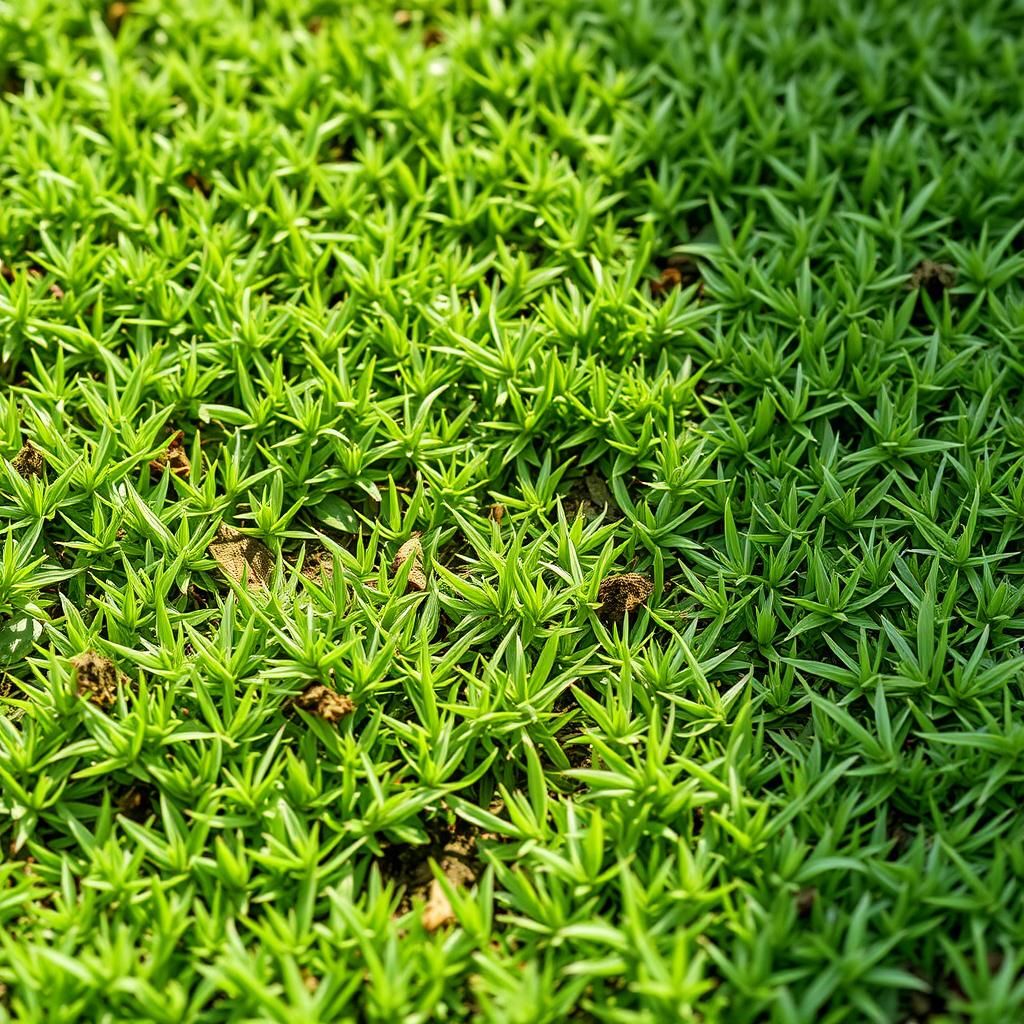
As environmental concerns grow, homeowners are increasingly seeking sustainable alternatives to traditional grass lawns. While grass has long been the quintessential lawn choice, it often requires substantial resources for maintenance, including water, fertilizers, and pesticides. Fortunately, there are several eco-friendly substitutes that not only reduce environmental impact but also enhance the aesthetic appeal of outdoor spaces. This article explores five recommended alternatives to grass that can help create a beautiful, low-maintenance lawn while promoting biodiversity and conserving resources. Discover how these options can transform your yard into an eco-conscious oasis.
Alternatives to Grass for Your Lawn
When considering a lawn without traditional grass, several suitable substitutes can provide green coverage while requiring less maintenance. Popular alternatives include clover, which offers a low-growing, hardy option that produces beautiful white blooms and enriches the soil with nitrogen; ornamental groundcovers like creeping thyme or sedum that add visual interest and can tolerate foot traffic; native plants that are well-adapted to your local climate, which can reduce water usage and support local wildlife; and even artificial turf, which delivers a lush appearance with minimal upkeep but has environmental considerations. Each option has its own set of benefits and drawbacks, making it essential to assess your specific needs before deciding.
Clover as a Grass Substitute
Clover is an excellent option for those looking to replace traditional grass in their lawn. It grows quickly, requires less water, and is resistant to pests and diseases. Additionally, clover provides natural fertilization through its nitrogen-fixing capabilities, improving the soil quality over time. It can grow well in various conditions, making it an adaptable choice for many homeowners.
Ornamental Groundcovers
Ornamental groundcovers such as creeping thyme, moss, or sedum are popular grass alternatives that provide considerable aesthetic appeal. These plants often have vibrant flowers and lush foliage, enhancing the visual aspect of any garden. Groundcovers typically require less maintenance, including mowing and watering, compared to traditional lawns, making them ideal for low-care landscapes.
Native Plants for Lawns
Using native plants in your lawn can yield significant ecological benefits. They are inherently adapted to the local climate and soil conditions, reducing the need for excessive irrigation and synthetic fertilizers. By incorporating native species, not only are you promoting biodiversity, but you are also creating a habitat for local wildlife, leading to a more sustainable and environmentally-friendly lawn.
Artificial Turf
Artificial turf presents a modern solution for those desiring a pristine lawn without the upkeep associated with natural grass. Made from synthetic fibers, it offers a luscious appearance year-round and needs minimal maintenance, such as regular cleaning and infrequent brushing. However, it's important to consider the environmental implications, including heat retention and disposal options at the end of its lifespan.
Benefits of Xeriscaping
Xeriscaping involves designing a landscape that conserves water through careful plant selection and efficient irrigation practices. By opting for drought-resistant plants and incorporating gravel, mulch, and rock features, you create a green space that requires significantly less water. This environmentally-conscious approach not only supports local wildlife but also lowers water costs and fosters a thriving ecosystem.
| Substitute | Benefits | Maintenance |
|---|---|---|
| Clover | Rich in nitrogen, low-growing | Low |
| Ornamental Groundcovers | Aesthetic appeal, low foot traffic tolerance | Low |
| Native Plants | Reduced water use, supports biodiversity | Moderate |
| Artificial Turf | Year-round greenery, minimal upkeep | Very low |
| Xeriscaping | Conserves water, eco-friendly | Low |
What is the best alternative to a grass lawn?
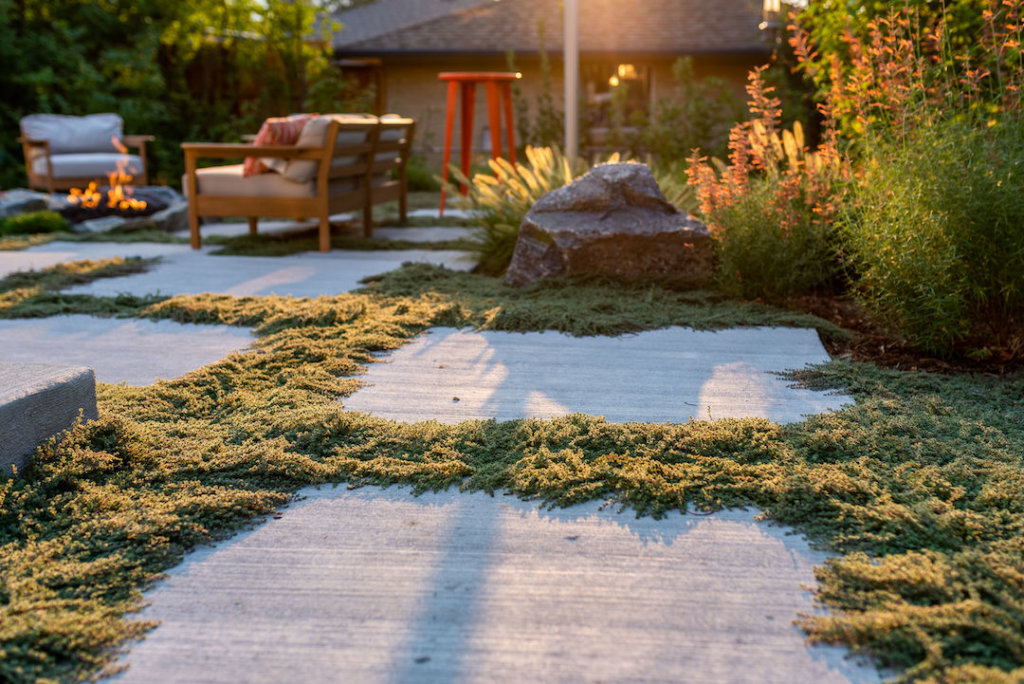
The best alternative to a grass lawn depends on various factors, including climate, maintenance requirements, and aesthetic preferences. Here are some viable options you might consider:
Artificial Turf
Artificial turf, also known as synthetic grass, is a popular alternative to natural grass. It offers a lush, green appearance all year round without the need for watering or mowing.
- Low Maintenance: Unlike real grass, artificial turf does not require regular mowing, fertilizing, or irrigation, significantly reducing maintenance efforts.
- Durability: Designed to withstand heavy foot traffic and extreme weather, artificial turf can last for many years with minimal wear and tear.
- Eco-Friendly: By eliminating the need for water and chemical fertilizers, artificial turf can be a more environmentally responsible choice.
Ground Covers
Ground covers such as clover, creeping thyme, or moss can provide a lush appearance while requiring less maintenance than traditional grass.
- Water Efficient: Many ground cover plants are drought-resistant and require less frequent watering than traditional grass.
- Natural Habitat: These plants can attract beneficial insects and pollinators, enhancing your garden's biodiversity.
- Variety of Textures: Ground covers come in various textures and colors, allowing for creative landscaping designs.
Rock Gardens
Rock gardens incorporate stones and hardy plants, providing a visually appealing and low-maintenance alternative to grass lawns.
- Minimal Watering: Rock gardens typically require far less water than traditional lawns, making them suitable for arid climates.
- Unique Aesthetics: The combination of rocks and drought-resistant plants creates an elegant and diverse landscape.
- Weed Control: The use of rocks can help suppress weed growth, reducing the need for herbicides or hand-weeding.
Native Plant Landscaping
Native plants are species that naturally grow in your region, making them an excellent option for sustainable landscaping that harmonizes with the local ecosystem.
See also:
- Low Maintenance: Native plants are adapted to local climate conditions and soil types, leading to reduced watering and care needs.
- Wildlife Friendly: These plants support local wildlife by providing food and habitat, promoting biodiversity in your area.
- Seasonal Beauty: Native plants often have varying blooming periods, providing year-round interest in your landscape.
Permeable Paving
Permeable paving systems, using materials like gravel or permeable bricks, create functional outdoor spaces while reducing rainwater runoff.
- Eco-Friendly: Permeable paving allows rainwater to seep through, replenishing groundwater and reducing stormwater runoff.
- Versatile Design: Available in various materials and styles, permeable paving can be tailored to fit any aesthetic vision.
- Durability: Paved surfaces can handle heavy traffic and are low maintenance compared to traditional grass areas.
What is the cheapest thing to replace grass with?
When it comes to replacing grass, several affordable alternatives can be utilized, depending on your needs and preferences. One of the cheapest options is ground cover plants, which can provide greenery and aesthetic appeal without the maintenance and water requirements of traditional grass.
Another option that is often overlooked is gravel or rocks. They not only require minimal upkeep but can also offer excellent drainage and weed control. Additionally, installing mulch is an environmentally friendly and cost-effective way to suppress weeds and retain soil moisture while enhancing the landscape's appearance.
Ground Cover Plants
Ground cover plants are an excellent choice for replacing grass due to their low maintenance and ability to thrive in various conditions. They are often drought-resistant and can provide a lush look without the need for mowing or extensive watering. Here are some popular ground cover options:
- Creeping Thyme: This fragrant plant is drought-tolerant and can withstand foot traffic.
- Ajuga (Bugleweed): Known for its colorful foliage and flowers, it grows well in shaded areas.
- Vinca Minor (Periwinkle): This evergreen plant spreads quickly and is great for preventing erosion.
Gravel and Rocks
Using gravel or rocks as a lawn replacement is not only budget-friendly, but also offers durability and low upkeep. This option provides a strong visual appeal and can be shaped in various designs to create functional outdoor spaces. Consider the following benefits:
- Low Maintenance: Rocks do not need mowing or watering, vastly reducing upkeep costs.
- Drainage Benefits: Gravel promotes excellent drainage, preventing pooling of water, and avoiding muddy patches.
- Diverse Aesthetics: Different colored stones can be used to match the aesthetic of your home or garden.
Mulch
Mulching is a versatile option for replacing grass, providing numerous environmental and aesthetic benefits. It creates a neat appearance while suppressing weeds and preserving soil moisture. Here are some advantages of using mulch:
- Weed Suppression: A thick layer of mulch prevents sunlight from reaching weed seeds, reducing their growth.
- Soil Insulation: Mulch helps regulate soil temperature, protecting plant roots during extreme weather.
- Enhanced Soil Quality: Organic mulches decompose over time, adding nutrients back into the soil.
Artificial Turf
While it may seem more expensive initially, artificial turf can be a cost-effective solution over time, especially in terms of water and maintenance savings. It provides the look of grass without the upkeep. Here’s why it can be worthwhile:
- No Watering: Artificial turf does not require any watering, drastically reducing water bills.
- Year-Round Green: It stays green and lush throughout the year, regardless of the weather.
- Durability: High-quality artificial turf can last for many years with minimal wear and tear.
Ornamental Grasses
Using ornamental grasses can add beauty and variety to your landscape while being cost-effective. These grasses often require less water and care compared to traditional lawns. Here are some reasons to choose ornamental grasses:
- Variety: There are many species available that provide different heights, colors, and textures.
- Drought Resistance: Many ornamental grasses are adapted to low water conditions, making them sustainable choices.
- Wildlife Friendly: They attract beneficial insects and birds, enhancing biodiversity in your garden.
How to make a yard look nice without grass?
:max_bytes(150000):strip_icc()/ga_de1c65f841b17738_spcms-1-4e2ddca116834acfba44133e414be922.jpg)
Utilize Hardscaping Elements
To create an appealing yard without grass, consider incorporating hardscaping elements such as patios, pathways, and retaining walls. Hardscaping provides a structural base that enhances the overall aesthetic of the space while also being low maintenance. You can choose materials like stone, brick, or concrete to complement your home’s architecture.
- Patios: A well-designed patio can serve as a focal point for outdoor gatherings.
- Walkways: Create paths using pavers or decorative stones to guide the eye through your yard.
- Retaining Walls: These can add depth and dimension while also acting to control soil erosion.
Add Plants and Ground Covers
Incorporating a variety of plants and ground covers can add color and texture to your yard. Choosing plants that are adapted to your local climate will ensure easy maintenance and sustainability. Use a combination of shrubs, perennials, and ornamental grasses to create layers and interest throughout the year.
- Low-Maintenance Ground Covers: Consider options like moss, creeping thyme, or sedum that require less care.
- Ornamental Grasses: These add movement and can soften hard edges in your design.
- Colorful Shrubs: Flowering varieties can bring a pop of color and attract wildlife.
Incorporate Decorative Features
Adding decorative features can greatly enhance your yard's visual appeal. Consider features such as fountains, sculptures, or birdbaths that serve as conversation starters and focal points. These elements can express your personal style while creating a relaxing atmosphere.
See also:
- Fountains: The sound of water can create a soothing ambiance in your outdoor space.
- Sculptures: Unique art pieces can make a statement and draw attention.
- Birdbaths: These not only attract birds but also add a charming element to your yard.
Use Mulching Techniques
Applying mulch in garden beds and around plants can improve the overall appearance of your yard while providing benefits such as weed control and moisture retention. Various types of mulch, such as wood chips, bark, or decorative stones, can complement your landscaping theme.
- Organic Mulch: Helps improve soil health as it decomposes.
- Decorative Stone: Provides a polished look around plants and pathways.
- Color Coordination: Match the mulch color with existing landscape elements for a cohesive design.
Create Zones for Different Activities
Design your yard to have distinct zones for various activities, such as dining, relaxing, and gardening. By creating functional areas, you can make your yard more inviting and organized, encouraging outdoor enjoyment.
- Dining Area: Use outdoor furniture and shade options like umbrellas or pergolas.
- Relaxation Zone: Incorporate hammocks or lounge chairs surrounded by plants.
- Gardening Section: Raised beds or container gardens can add productivity to your yard.
What is the best ground cover where grass won't grow?
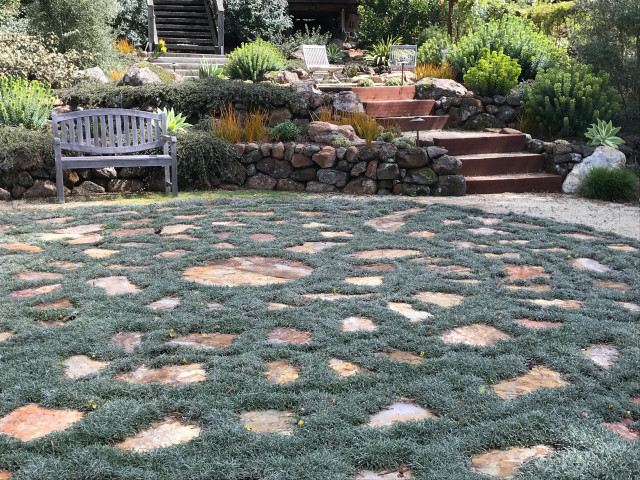
The best ground cover where grass won't grow typically consists of various types of plants that are resilient, low-maintenance, and capable of thriving in the less favorable conditions where grass struggles. Here are some notable options:
1. Creeping Thyme
Creeping thyme is a fantastic option for ground cover, especially in areas with poor soil or drought conditions. This hardy plant forms a dense mat of fragrant foliage and produces tiny purple flowers that attract pollinators. It's also resistant to foot traffic, making it suitable for walkways and patios.
- Low water requirement: Once established, creeping thyme requires minimal watering.
- Attractive blooms: The flowers bloom in summer, providing visual interest.
- Soil improvement: It can help to improve soil structure over time.
2. Ground Morning Glory
Ground morning glory is a vigorous and fast-growing spreading plant that can cover large areas quickly. It has attractive heart-shaped leaves and unusual funnel-shaped flowers that bloom in various colors, adding vibrancy to dull spaces. It grows well in poor soils and can tolerate drought.
- Rapid coverage: This plant can quickly cover barren spaces.
- Color variety: Flowers come in different hues, enhancing landscape aesthetics.
- Resilient growth: It thrives in a variety of climates, making it versatile.
3. Ajuga (Bugleweed)
Ajuga, also known as bugleweed, is a low-growing perennial that is often used as a ground cover because of its lush foliage and ability to adapt to various soil types. It can flourish in shaded areas, making it an excellent choice for spots where grass fails to thrive due to limited sunlight.
- Colorful foliage: It offers attractive foliage that can change color with the seasons.
- Shade tolerance: This plant is particularly good for shaded areas where grass struggles.
- Easy propagation: Ajuga can spread easily through runners, filling gaps effectively.
4. Sedum (Stonecrop)
Sedum, commonly known as stonecrop, encompasses a variety of succulents that are perfect for ground cover. They thrive in poor, dry soils with excellent drainage and require very little care, making them ideal for rocky or harsh areas where grass cannot grow.
- Drought-resistant: Sedum can survive long periods without water.
- Variety of species: Many species offer diverse colors and textures for landscaping.
- Attracts pollinators: The flowers are known to attract bees and butterflies.
5. Vinca Minor (Periwinkle)
Vinca minor, or periwinkle, is a perennial plant that provides excellent ground cover due to its ability to thrive in various conditions. It has glossy evergreen leaves and produces beautiful blue flowers in spring, making it a visually appealing option for areas that lack grass.
- Evergreen foliage: Vinca minor retains its leaves year-round, providing consistent coverage.
- Flowering habit: Blooms in spring, adding seasonal interest to landscapes.
- Shade tolerance: Performs well in both sun and shade, adapting to diverse environments.
Questions from Our Readers
What are some suitable alternatives to traditional grass for lawns?
Suitable alternatives to traditional grass include options like clover, moss, and dwarf fescue. These alternatives can provide a lush appearance while requiring less maintenance and water than conventional grass. Additionally, they often attract beneficial insects and can enhance the overall health of your landscape.
How do ground covers compare to grass in terms of maintenance?
Ground covers typically require less maintenance than traditional grass. Many ground covers, such as sedum or creeping thyme, are drought-resistant and do not need frequent mowing. This can save time and resources, making them an appealing choice for homeowners looking for low-maintenance landscaping options.
Can I use artificial turf as a substitute for grass?
Yes, artificial turf is a popular substitute for grass in lawns. It offers the advantage of being low-maintenance, as it does not need watering, mowing, or fertilizing. However, it is essential to consider factors like the initial installation cost and the environmental impact when choosing synthetic options.
Are there any eco-friendly grass substitutes available?
Absolutely, there are several eco-friendly grass substitutes available, such as native wildflowers, micro clover, and mixed perennials. These choices not only reduce water usage but can also promote local biodiversity by attracting a variety of pollinators and wildlife, making them a sustainable alternative for environmentally conscious homeowners.
See also:

If you want to read more articles like What is a good substitute for grass in a lawn? 5 Eco-Friendly Alternatives to Consider, we recommend you check out our Lawn category.
Leave a Reply
Related Articles