What is a cheap alternative to greenhouse glass? Discover Budget-Friendly Options for Your Greenhouse

Building a greenhouse can be a rewarding endeavor for garden enthusiasts, but the cost of traditional greenhouse glass can be a significant barrier. Fortunately, there are several budget-friendly alternatives that provide adequate protection and insulation for your plants without breaking the bank. In this article, we will explore various options available for greenhouse coverings, highlighting their benefits, durability, and affordability. By considering these alternatives, you can create a thriving greenhouse environment while keeping your expenses under control. Discover how to enhance your gardening experience with economical solutions that don’t compromise on quality.
Affordable Alternatives to Greenhouse Glass
A cost-effective alternative to greenhouse glass is polycarbonate panels, which provide excellent insulation and durability at a fraction of the cost of traditional glass. These panels are lightweight, making them easy to install and manage, while also offering UV protection and resistance to impact. Unlike glass, which can shatter easily, polycarbonate is nearly unbreakable and can last for many years without significant degradation. Additionally, the flexibility of polycarbonate allows for various shapes and designs, making it a versatile choice for greenhouse structures. This material also often comes in twin-wall or multi-wall configurations, which enhance thermal efficiency, helping to maintain a stable climate within the greenhouse without incurring heavy heating costs.
Benefits of Using Polycarbonate Panels
Polycarbonate panels offer numerous advantages over traditional glass. Their superior insulation properties help maintain an optimal temperature inside the greenhouse, supporting plant growth year-round. Additionally, they are highly impact-resistant, reducing the risk of breakage from hail or other environmental factors. The lightweight nature of polycarbonate makes it easier to handle and install, which can save time and labor costs during setup. Furthermore, many polycarbonate panels come with built-in UV protection, preventing harmful rays from damaging plants while still allowing beneficial sunlight to penetrate.
Comparing Cost: Polycarbonate vs. Glass
When considering the economic aspect, polycarbonate is generally a more affordable option compared to greenhouse glass. The initial cost of polycarbonate panels can be significantly lower, especially when considering the additional savings from reduced heating costs due to their insulative properties. Over time, the durability of polycarbonate translates to less frequent replacements, further enhancing cost-effectiveness. A basic comparison table illustrates the price differences, longevity, and maintenance costs associated with each material:
| Material | Initial Cost | Longevity (Years) | Maintenance |
|---|---|---|---|
| Polycarbonate | Lower | 10-20 | Low |
| Glass | Higher | 10-30 | Moderate |
Insulation Properties of Alternatives
One of the key reasons to consider alternatives like polycarbonate is their exceptional insulating ability. Compared to glass, which can easily conduct heat, polycarbonate's design allows it to trap air within its layers, thereby creating a thermal barrier that helps maintain a stable indoor environment. This means reduced reliance on heating systems during colder months, allowing for a more energy-efficient greenhouse. The design variations of polycarbonate, such as twin-wall or triple-wall structures, further enhance its insulating capabilities, making it a suitable option for regions with extreme climates.
Environmental Impact of Alternative Materials
Choosing polycarbonate over glass can also result in a reduced environmental footprint. The production of polycarbonate panels typically requires less energy compared to glass manufacturing, and their durability means they will not need to be replaced as frequently. Additionally, since polycarbonate is often fully recyclable, it represents a more sustainable choice for greenhouse construction. By opting for such alternatives, gardeners and agricultural businesses can contribute to more sustainable practices while still achieving effective plant growth environments.
Installation Considerations for Polycarbonate Panels
When it comes to installation, polycarbonate panels present some unique considerations. Unlike glass, which requires careful handling and specific framing techniques, polycarbonate panels are lighter and can be easily cut to fit various shapes for customized greenhouse designs. They can be secured with standard mounting hardware, and many come with pre-drilled holes or installation guides to facilitate the process. Proper sealing techniques are essential to ensure gaps do not develop, allowing heat escape during colder months, which is crucial for maintaining optimal growing conditions.
What can I use instead of greenhouse glass?
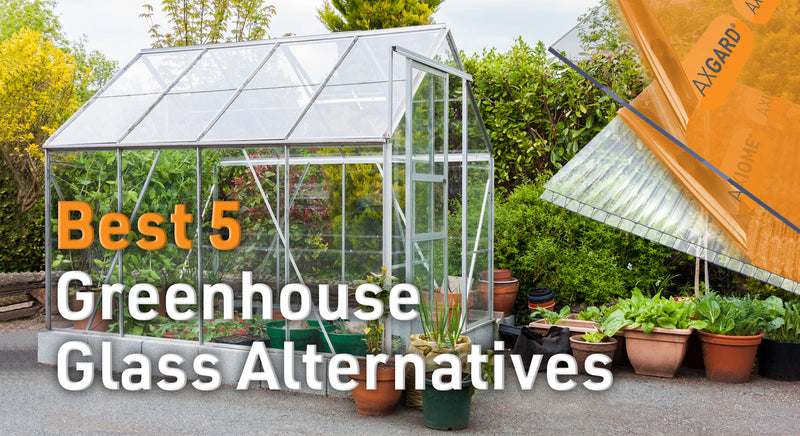
There are several alternatives to traditional greenhouse glass that can be effective for creating a suitable environment for plant growth. Each material comes with its own set of advantages and disadvantages, making it important to choose one based on specific needs and conditions.
Polycarbonate Panels
Polycarbonate panels are a popular choice due to their durability and excellent insulation properties. They are highly resistant to impacts and can withstand extreme weather conditions, making them an excellent option for greenhouses. Their lightweight nature allows for easy installation and maintenance.
- Double-wall structure: Provides superior insulation.
- UV resistance: Protects plants from harmful UV rays.
- Variety of thicknesses: Offers customization for different climates.
Polyethylene Film
Polyethylene film is another commonly used alternative for covering greenhouses. It is an affordable option that provides good light transmission while being easy to install. The film can be replaced relatively easily, which is ideal for temporary structures or seasonal use.
- Low cost: Easily accessible and economically friendly.
- Flexibility: Can be adapted to various greenhouse sizes.
- Good insulation: Capable of maintaining temperatures within the greenhouse.
Acrylic Sheets
Acrylic sheets are a lightweight and durable alternative to glass. They provide excellent clarity and light transmission, making them great for maximizing sunlight exposure for plants. Acrylic is also resistant to shattering, which enhances safety in greenhouse environments.
- High impact resistance: Much less likely to crack or break.
- Good thermal insulation: Helps maintain a stable climate.
- UV filtering: Protects plants from excessive sunlight.
Shade Cloth
Shade cloth is primarily used for reducing heat and protecting plants from direct sunlight. Although not a direct substitute for glass, it can be a valuable addition to a greenhouse structure by controlling the light conditions inside.
- Variety of shading levels: Comes in different densities to manipulate light exposure.
- Improves air circulation: Helps maintain a cooler environment.
- Prevents sunburn: Protects sensitive plants from harsh sunlight.
Glass Alternatives in Sustainable Materials
For those concerned with sustainability, there are eco-friendly options available, such as recycled materials or woven natural fibers. These alternatives not only reduce the carbon footprint of greenhouse construction but also provide unique aesthetics.
See also:
- Natural fibers: Materials like bamboo or jute can provide some structure and light filtration.
- Recycled plastics: Can be used to create panels or coverings that mimic traditional greenhouse materials.
- Innovative biocomposites: Emerging materials that are both sustainable and efficient in terms of insulation.
What is the cheapest way to replace greenhouse glass?
To replace greenhouse glass in the most cost-effective manner, it's essential to consider several factors and materials that can significantly reduce expenses. Here are the main strategies:
Identify the Type of Glass Needed
Understanding the specific type of glass your greenhouse requires is crucial for budget management. Common options include:
- Standard Glass: Generally the cheapest but can be fragile.
- Polycarbonate Panels: Slightly more expensive; offers better insulation and durability.
- Acrylic Sheets: Lightweight and less prone to shattering but can be pricier than standard glass.
Choosing the right type will depend on your budget constraints and desired lifespan of the greenhouse materials.
Consider Used or Second-Hand Glass
Purchasing second-hand or reclaimed glass can substantially lower costs. Here are some options:
- Local Salvage Yards: Often provide discounted glass in various sizes.
- Online Marketplaces: Websites such as Craigslist or Facebook Marketplace may have listings for used greenhouse glass.
- Community Groups: Local garden clubs or forums may offer surplus materials at lower prices.
Before purchasing, ensure the glass is still structurally sound to avoid future costs.
DIY Repair Techniques
If only a few panels are damaged, consider DIY repair options to minimize expenses. Some techniques include:
- Patch Kits: Use adhesive or tape for minor cracks and tears.
- Replacement Panels: Replace only the damaged panels instead of the entire glass structure.
- Sealing Leaks: Utilize caulk or weatherstripping to enhance insulation.
These methods can extend the life of your existing glass while keeping costs low.
Bulk Purchasing Options
When replacing multiple panels, look for bulk purchase deals, which can offer significant savings. Consider:
- Wholesale Suppliers: Often provide lower prices per panel.
- Group Buys: Teaming up with neighbors or local gardeners to buy in bulk can reduce costs.
- Discount Codes or Sales: Keep an eye out for seasonal sales at greenhouse supply stores.
This approach maximizes your budget while purchasing quality materials.
Alternative Materials
Lastly, explore alternatives to traditional glass that could be more affordable. Options include:
- Polyethylene Film: A cost-effective covering that is easy to install and replace.
- Shade Cloth: Can be used temporarily while sourcing proper glass.
- Recycled Materials: Consider using clear plastics from other projects as a greenhouse cover.
These alternatives can provide temporary solutions while you plan for a more permanent fix.
What is the cheapest alternative to glass?
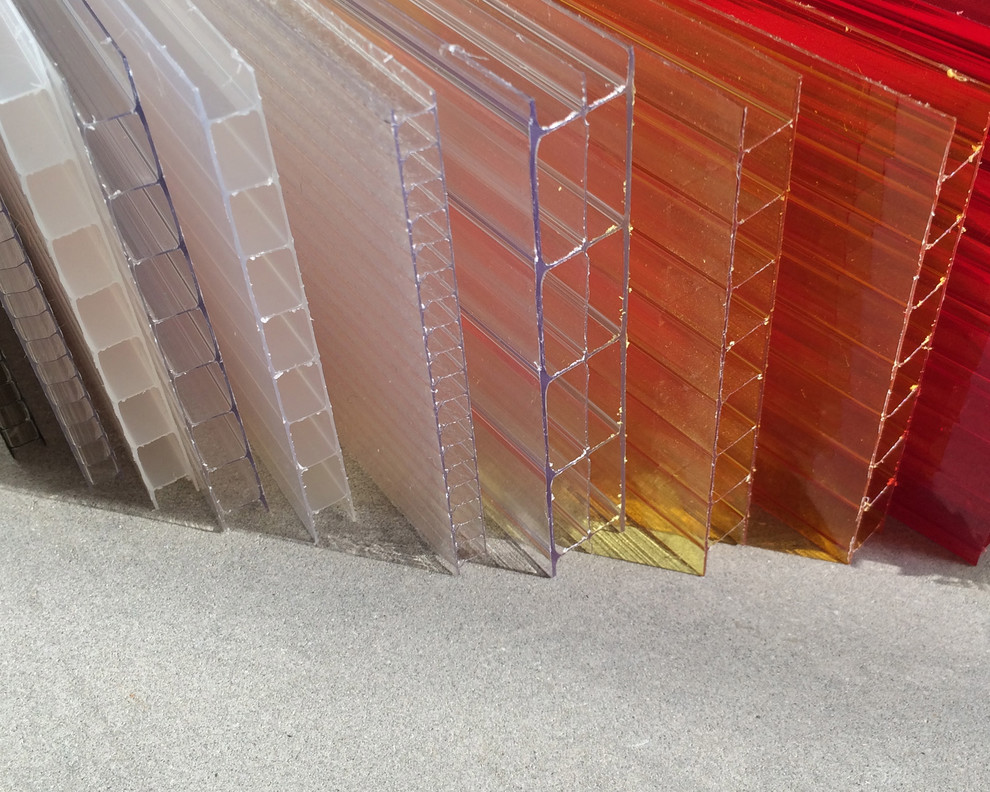
The cheapest alternative to glass is often considered to be plastic, specifically polycarbonate or acrylic (also known as plexiglass). These materials are lightweight, shatter-resistant, and, most importantly, more cost-effective than traditional glass. They can be used in a variety of applications including windows, displays, and skylights, making them versatile options for both residential and commercial uses.
See also:
Polycarbonate: A Versatile Option
Polycarbonate is a strong, durable plastic made from linear polycarbonate. It is especially useful in environments where impact resistance is a priority. This makes it an excellent alternative to glass in safety-related applications.
- Impact Resistance: Polycarbonate can withstand high impacts, making it suitable for areas prone to breakage.
- Lightweight: Being lighter than glass, it reduces structural loads, making it easier to install.
- UV Protection: Many polycarbonate products are treated to block UV rays, preventing fading in nearby materials.
Acrylic: The Cost-Effective Choice
Acrylic is another popular alternative to glass due to its clarity and ease of fabrication. It can be produced much cheaper than glass and offers several benefits that make it a popular choice.
- Clarity: Acrylic is highly transparent, often clearer than glass, which makes it suitable for displays.
- Easy to Work With: It can be easily cut, shaped, and drilled, allowing for custom designs and installations.
- Low Weight: Like polycarbonate, acrylic is significantly lighter than glass, making transportation and installation simpler.
Why Choose Plastic Over Glass?
There are several compelling reasons to consider plastic alternatives over traditional glass, particularly when budget constraints are present.
- Cost Savings: Plastic materials like polycarbonate and acrylic are generally cheaper to produce and purchase than glass.
- Safety: The shatter-resistant quality of plastics makes them a safer choice, especially in environments with children or pets.
- Thermal Insulation: Many plastics offer better thermal insulation properties than glass, which can lead to energy savings.
Applications of Plastic Alternatives
The applications for plastic alternatives to glass are vast and can be found in various industries.
- Construction: Used in windows, skylights, and safety barriers.
- Automotive: Often found in windshield and interior components due to lightweight properties.
- Retail Displays: Acrylic is frequently used for point-of-sale displays and signage because of its clarity and ease of customization.
Environmental Considerations
While plastics offer cheaper solutions, it's important to consider their environmental impact.
- Recyclability: Many plastic materials can be recycled, reducing their environmental footprint.
- Longevity: Plastic can last a long time, which can offset the need for frequent replacements.
- Energy Costs: Using plastics can lower energy consumption, making structures more efficient.
Can you make a greenhouse without glass?
Yes, it is possible to make a greenhouse without glass. While traditional greenhouses often use glass for its clarity and durability, alternative materials can be employed effectively to create a functional and efficient greenhouse environment. These alternatives can be cost-effective, easier to source, and sometimes more suitable depending on the climate and specific needs of the plants.
Alternative Materials for Greenhouse Construction
One of the main considerations in building a greenhouse without glass is selecting alternative materials. Some popular options include:
- Polycarbonate sheets: These are durable, lightweight, and provide good insulation while allowing a significant amount of light to pass through.
- Plastic sheeting: Used for low-budget greenhouses, polyethylene plastic is often used as a covering material due to its affordability and availability.
- Shade cloth: While not a traditional greenhouse covering, shade cloth can be combined with frames to protect plants from excessive sunlight and heat.
Design Considerations
When constructing a greenhouse without glass, certain design considerations should be taken into account to ensure functionality and efficiency. Key points include:
- Ventilation: Proper airflow is crucial, especially in warmer climates. Incorporating vents or roll-up sides can help maintain optimal temperatures.
- Structure stability: The frame must be strong enough to support the alternative materials and withstand environmental conditions such as wind and snow.
- Orientation: Positioning the greenhouse to maximize sunlight exposure during the day will enhance growth conditions for plants.
Benefits of Non-Glass Greenhouses
There are several notable benefits to using non-glass materials for greenhouse construction:
- Cost-effectiveness: Materials like plastic and polycarbonate can be more affordable than glass, making greenhouses accessible to a broader range of hobbyists and farmers.
- Safety: Non-glass materials reduce the risk of breakage and injury, particularly beneficial in environments with children or pets.
- Light diffusion: Some materials, like certain plastics, can diffuse sunlight effectively, reducing the risk of plants getting burned while still promoting healthy growth.
Maintenance and Longevity
Maintaining a greenhouse made without glass does require some attention and care to ensure longevity and effectiveness. Important maintenance tips include:
- Regular inspections: Check for any tears or damage in plastic sheeting or polycarbonate panels to prevent heat loss or insect intrusion.
- Cleaning: Keeping covering materials clean will ensure that maximum light reaches your plants and will also lengthen the lifespan of those materials.
- Replacement: Be prepared to replace materials as they degrade over time, especially plastics that can become brittle from UV exposure.
Climate Considerations for Non-Glass Greenhouses
The climate in which you plan to build a greenhouse without glass is a critical factor that can influence your choice of materials and design. Factors to consider include:
- Temperature extremes: In areas with severe temperature fluctuations, selecting insulating materials like polycarbonate can help maintain stable internal temperatures.
- Humidity levels: Regions with high humidity may require excellent ventilation systems to prevent mold and diseases on plants.
- Precipitation: Consider the weight of snow or heavy rain when designing the structure to ensure it can support the load without risk of collapse.
Questions from Our Readers
What materials can be used as a cheap alternative to greenhouse glass?
Using alternative materials such as polycarbonate panels or plastic film can serve as a cost-effective option for greenhouse coverings. These materials are often more affordable and lighter than traditional glass, providing good insulation and durability while allowing sufficient light transmission for plant growth.
How does the longevity of plastic compare to greenhouse glass?
While greenhouse glass can last for many years, plastic materials like polycarbonate or polyethylene typically have a shorter lifespan, often ranging from 5 to 10 years depending on the quality. However, advancements in UV resistance and manufacturing processes have significantly improved the longevity of these alternatives.
See also:
Are there any drawbacks to using plastic instead of glass in greenhouses?
Yes, using plastic instead of glass can result in some drawbacks, such as potential scratching and a higher risk of tearing or damage from extreme weather. Additionally, plastic may not provide the same level of thermal insulation as glass, which could affect temperature stability within the greenhouse.
What is the cost difference between greenhouse glass and plastic alternatives?
The cost difference can be quite significant, with greenhouse glass often priced higher due to its durability and aesthetic appeal. On the other hand, plastic alternatives like polycarbonate or polyethylene can be up to 50% cheaper, making them an attractive option for budget-conscious gardeners looking to reduce their setup costs.

If you want to read more articles like What is a cheap alternative to greenhouse glass? Discover Budget-Friendly Options for Your Greenhouse, we recommend you check out our Greenhouse category.
Leave a Reply
Related Articles