What Happens If You Use Potting Mix in the Ground? Key Considerations for Gardeners
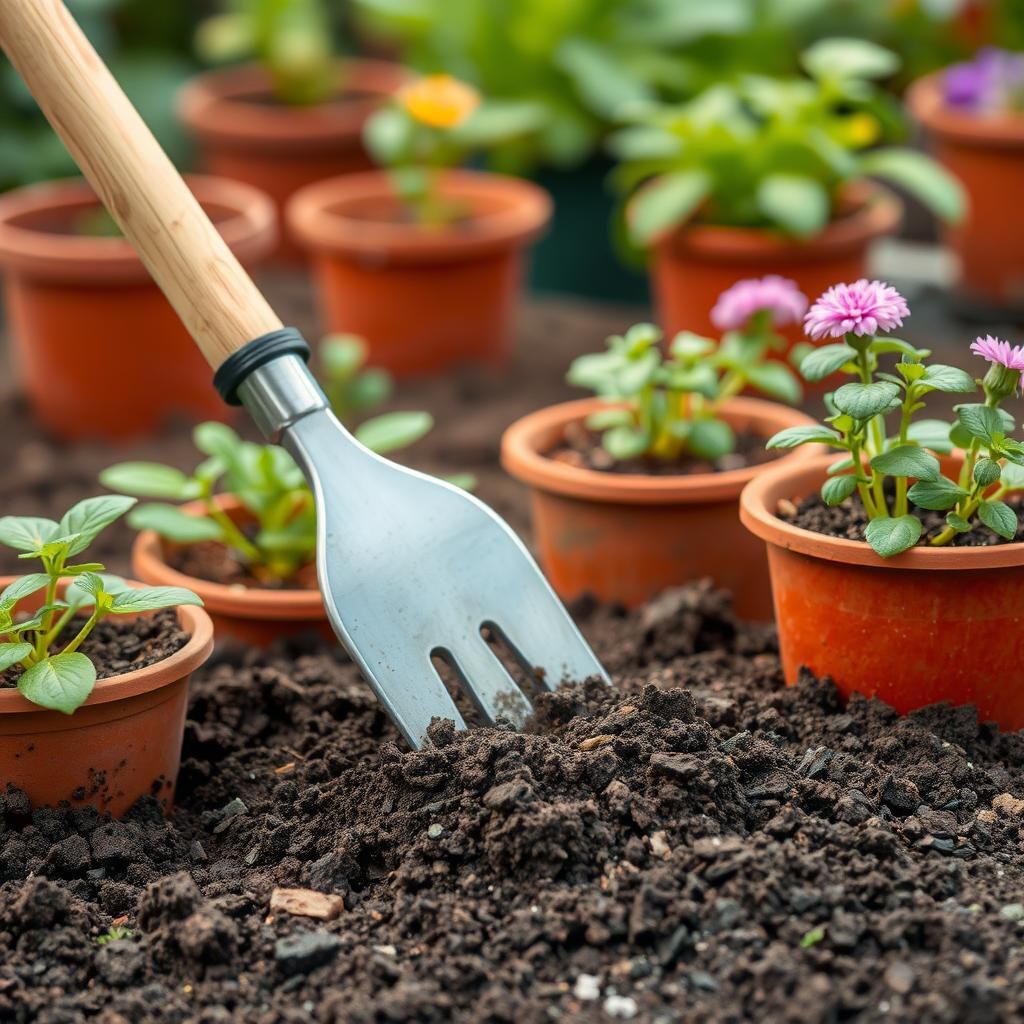
Using potting mix in the ground can be tempting for gardeners seeking an easy solution for improving soil quality. However, this practice comes with its own set of implications that can impact plant health and garden productivity. Potting mixes are specially formulated for container gardening, often containing ingredients that may not be suitable for in-ground planting. In this article, we will explore the key considerations and potential pitfalls of using potting mix directly in garden beds. Understanding these factors will help gardeners make informed decisions and ensure a thriving, balanced ecosystem in their outdoor spaces.
What Happens If You Use Potting Mix in the Ground?
Using potting mix in the ground can lead to various challenges for your garden. While potting mix is designed for container gardening and provides an excellent balance of nutrients, drainage, and aeration, its properties may not be suitable for in-ground planting. The mix typically contains a higher proportion of organic matter, which may retain too much moisture in ground soil, potentially leading to root rot. Additionally, potting mix often lacks the necessary soil microorganisms and minerals that plants extract from native soil, resulting in nutrient deficiencies over time. Therefore, while there may be some benefits in terms of initial plant establishment, over-reliance on potting mix in the ground can disrupt natural soil ecology and impact long-term plant health.
Potential Nutrient Imbalance
One of the significant downsides of using potting mix in the ground is the potential for a nutrient imbalance. Potting mixes are usually tailored for potted plants, containing a specific mix of fertilizers and organic materials. When incorporated into the ground, this mix can alter the native soil nutrient profile, leading to insufficient macronutrients and micronutrients for plants. Long-term reliance on potting mix in the garden may require ongoing fertilizer applications to compensate for this imbalance.
Water Retention Issues
Water retention can become a critical issue when using potting mix in the ground. Potting mixes tend to retain more moisture compared to native soils due to their lightweight and highly organic nature. In a landscape setting, this can create overly wet conditions that are unfavorable for many plants, increasing the risk of root rot and other diseases. Proper drainage becomes essential; otherwise, the waterlogged soil can suffocate roots, leading to poor plant performance.
Impact on Soil Microbiology
Introducing potting mix into the ground can negatively affect the soil microbiome. Native soils contain diverse microbial life essential for nutrient cycling and maintaining soil health. Potting mixes often come with limited microbial diversity, which can disrupt the native ecosystem. This change may hinder the plants' ability to absorb nutrients and affect their overall growth and resistance to diseases.
Short-Term Growth vs. Long-Term Health
While using potting mix may promote short-term growth in plants due to its high nutrient content and good drainage, this approach can compromise long-term plant health. Over time, plants rely on a balanced ecosystem within the soil for sustained nutrition and support. A dependence on potting mix may lead to stress and weak plants as they fail to adapt to natural soil conditions, making them more vulnerable to pests and diseases in the future.
Cost Implications
From a financial perspective, using potting mix in the garden can lead to higher costs over time. Potting mixes are generally more expensive than bulk soil or landscaping products due to their specialized formulation. When homeowners continuously amend their gardens with potting mix, the ongoing expense adds up. Additionally, the need for extra fertilizers or amendments to maintain healthy plants further increases the overall cost of gardening.
| Aspect | Details |
|---|---|
| Nutrient Imbalance | Potential for insufficient macronutrients and micronutrients in the soil. |
| Water Retention | Increased moisture levels leading to root rot and disease. |
| Microbiology | Disruption of native soil microorganisms and ecosystem. |
| Growth Health | Short-term gains may lead to long-term plant stress. |
| Cost | Higher long-term costs due to repeated purchases and amendments. |
Can you put potting mix in soil?
:max_bytes(150000):strip_icc()/difference-between-potting-soil-potting-mix-847812edits-9e6b6dee92a2469d9822355db6151908.jpg)

Yes, you can put potting mix in soil, and doing so can offer several benefits, especially when improving garden soil or enhancing potted plants' growth. Potting mix is designed to provide optimal drainage, aeration, and nutrient availability for potted plants, making it an excellent additive to native soil.
Benefits of Mixing Potting Soil with Garden Soil
Mixing potting mix with garden soil can lead to significant improvements in soil structure and fertility. Some key benefits include:
- Improved Drainage: Potting mix usually contains components like perlite and peat, which improve drainage in heavy or compacted soils.
- Enhanced Aeration: The lighter texture of potting mix allows for better airflow to plant roots, promoting healthier growth.
- Nutrient Boost: Potting mixes often come pre-fertilized, supplying essential nutrients that may be lacking in regular garden soil.
When to Use Potting Mix in Soil
Incorporating potting mix into garden soil is particularly advantageous under certain conditions, such as:
- For Container Plants: When transplanting plants from pots to the garden, mixing potting soil helps ease the transition.
- In Poor Soil Conditions: If the existing soil is too sandy or clayey, adding potting mix can improve the overall soil quality.
- For Raised Beds: If constructing raised garden beds, combining potting mix with existing soil can create an optimal growing medium.
How to Properly Mix Potting Mix with Soil
To achieve the best results when combining potting mix with garden soil, follow these steps:
- Ratio Selection: A common ratio is to mix one part potting mix with two parts garden soil.
- Thorough Mixing: Use a shovel or garden fork to aerate and evenly combine the two materials in a wheelbarrow or a designated area.
- Testing the Mixture: Check the consistency; it should be crumbly and well-aerated but still hold some moisture.
Common Mistakes to Avoid
When incorporating potting mix into soil, be aware of common pitfalls that can hinder success:
- Using Too Much Potting Mix: Excessive use can lead to poor drainage and waterlogging, especially in heavier soils.
- Neglecting Soil Health: Ensure that the native soil is healthy enough to handle the addition of potting mix; poor soil may lead to issues.
- Ignoring pH Levels: Potting mixes can vary in pH; check compatibility with the native soil to avoid imbalances.
Alternative Uses for Potting Mix
Potting mix isn’t limited to just gardening; it can be utilized in other areas as well:
- Seed Starting: Its lightweight composition is ideal for germinating seeds indoors.
- Indoor Plants: Enhance the indoor potting mixture with quality potting soil for better plant health.
- Top Dressing: Use potting mix as a top dressing in garden beds to improve moisture retention and aesthetics.
Can I put old potting soil in my yard?

You can put old potting soil in your yard, but there are several factors to consider before doing so. Old potting soil may contain various nutrients and organic material that can benefit your garden. Additionally, it can improve soil structure and drainage. However, it's important to ensure that the soil is free from pests and diseases that could harm your existing plants. Here are some details on the implications and best practices for using old potting soil in your yard.
See also:
Benefits of Using Old Potting Soil
Using old potting soil in your yard has several benefits, including:
- Improved Soil Structure: Old potting soil can help aerate and improve the overall soil structure in your yard.
- Nutrient Replenishment: Potting soil often contains essential nutrients that can enhance the health of your garden plants.
- Moisture Retention: The organic matter in old potting soil can help retain moisture, which is beneficial during dry periods.
Signs That Potting Soil is Safe to Use
Before adding old potting soil to your yard, you should check for certain signs that indicate it is safe to use:
- Absence of Pests: Ensure that there are no visible pests or insects present in the soil, as they can transfer to your garden.
- No Mold or Foul Odors: If the soil has mold or smells bad, it might indicate the presence of diseases.
- Consistency in Texture: Good quality potting soil should be crumbly and not overly compacted, which indicates it has been stored properly.
How to Prepare Old Potting Soil
Preparation is key when adding old potting soil to your yard. Here are steps to consider:
- Screen the Soil: Use a screen to remove any large clumps, debris, or roots.
- Sterilize if Necessary: If you're concerned about pathogens, you can sterilize the old soil by baking it in the oven at a low temperature.
- Mix with Fresh Soil: Combining old potting soil with fresh garden soil can provide a balanced nutrient mix.
Potential Risks of Using Old Potting Soil
While there are many advantages, there are also risks associated with using old potting soil:
- Introduction of Diseases: If the potting soil contained diseased plants, it could introduce harmful pathogens to your garden.
- Pest Infestation: Old soil may harbor pests that can spread to your plants.
- Imbalanced Nutrient Levels: Nutrient depletion or excessive salts from prolonged storage can affect soil quality negatively.
Best Practices for Applying Old Potting Soil
To maximize the benefits and minimize risks, consider best practices for using old potting soil:
- Test Soil Quality: Conduct a soil test to determine nutrient levels and pH before applying.
- Apply in Moderation: Use old potting soil as a supplement rather than a primary soil source.
- Observe Your Plants: Monitor your plants for any signs of stress or poor growth after application.
Questions from Our Readers
What happens if you use potting mix in the ground?
Using potting mix directly in the ground can lead to poor drainage and water retention issues. Potting mixes are designed for container plants, and their composition may not suit the soils found in gardens, potentially causing root rot or other disease issues for plants.
Can potting mix improve garden soil?
Yes, potting mix can improve garden soil when used in moderation, as it often contains organic matter which can enhance the fertility and structure of the soil. However, it is important to blend it with garden soil to prevent potential nutrient imbalances.
Is it safe to mix potting soil with native soil?
Mixing potting soil with native soil can be safe and beneficial, as long as it is done properly. This combination can provide nutrients and better drainage, but excessive use of potting mix may lead to compaction or affect the pH balance of the native soil.
See also:
Should I use potting mix for in-ground planting?
While it's not ideal to use potting mix for in-ground planting, adding a small amount can be helpful for its organic content. For best results, it's recommended to incorporate potting mix with soil amendments that are more suitable for in-ground cultivation.

If you want to read more articles like What Happens If You Use Potting Mix in the Ground? Key Considerations for Gardeners, we recommend you check out our Soil category.
Leave a Reply
Related Articles