What Happens If You Prune Before Flowering? Tips for Optimal Plant Growth
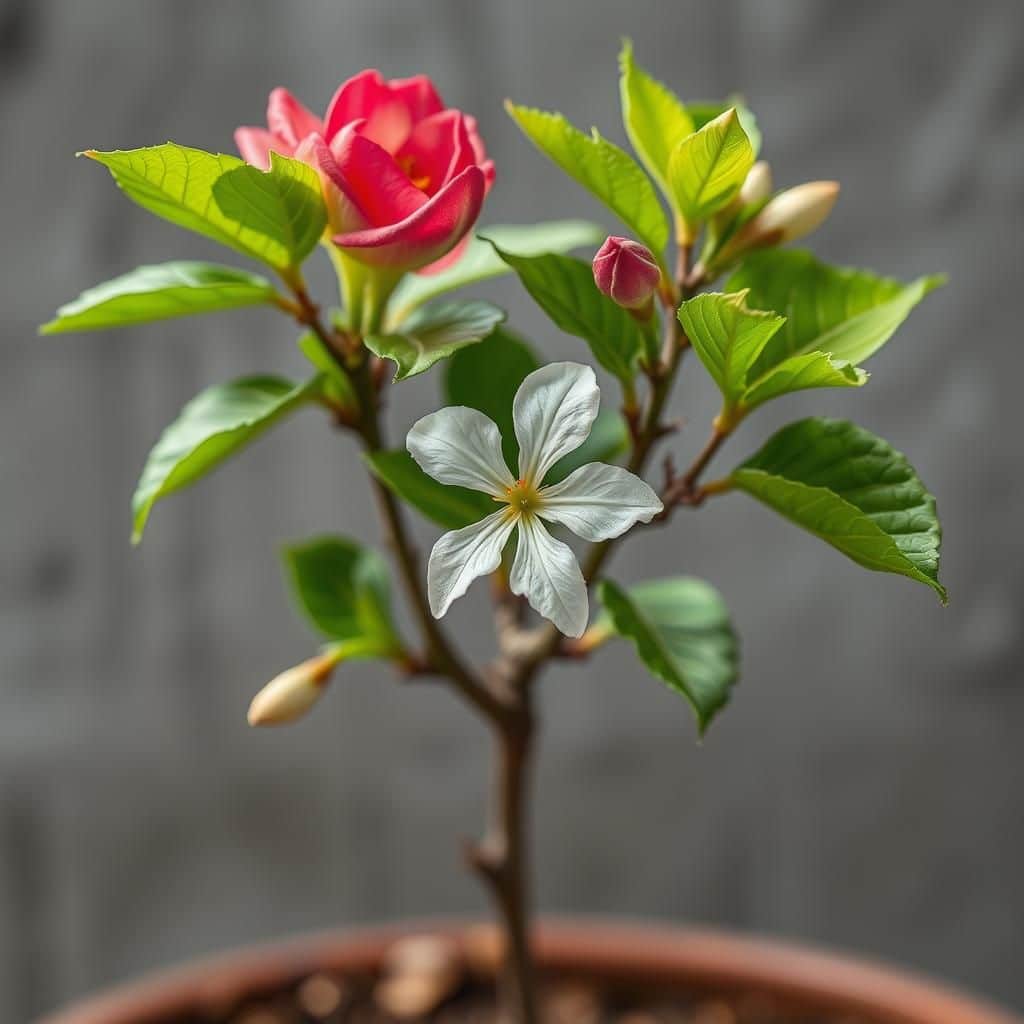
Pruning is a vital horticultural practice that can significantly influence plant health and productivity. Timing is essential, especially when it comes to pruning before flowering. This article explores the potential effects of early pruning on flowering plants, highlighting both the benefits and drawbacks. By understanding the physiological responses of plants to pruning, gardeners can make informed decisions that promote optimal growth and flowering. We’ll also provide practical tips for achieving the best results, ensuring that your plants thrive and produce an abundance of blooms in the growing season.
What Happens If You Prune Before Flowering?
Pruning before flowering can significantly influence the growth and development of plants. When you prune at this stage, you promote stronger branching and an overall healthier plant, as it encourages new growth that can produce vibrant flowers. However, it is crucial to consider the timing and extent of the pruning; if done too late or too aggressively, it may lead to reduced flowering or even stress the plant. The best approach is to prune selectively and early enough in the season to allow the plant to recover and channel its energy towards flower production rather than vegetative growth.
Benefits of Pruning Before Flowering
Pruning before flowering can lead to enhanced air circulation and light penetration within the plant, which are essential for optimal photosynthesis. This practice encourages the development of multiple flowering sites rather than just a few, ultimately resulting in a more prolific bloom. Moreover, removing dead or diseased branches can prevent the spread of pests and diseases, contributing to the overall health of the plant.
Timing for Effective Pruning
The timing of pruning is critical for maximizing flowering potential. Ideally, plants should be pruned in late winter or early spring, just before the onset of new growth. This timing allows the plant to utilize its energy for developing new buds rather than recovering from cuts made too late in the growing season. Light to moderate pruning is generally recommended to maintain a balance between vigorous growth and abundant flowering.
Techniques for Pruning
Effective pruning involves various techniques, such as thinning cuts and heading cuts. Thinning cuts remove entire branches, improving light exposure for remaining branches, while heading cuts involve cutting back a portion of a branch to encourage new growth. Employing these techniques strategically can enhance the plant's shape and lead to a more bountiful harvest of flowers.
Species-Specific Considerations
Different plant species have varying responses to pre-flowering pruning. For instance, some shrubs and perennials thrive when pruned before flowering, while others might produce fewer flowers if pruned too aggressively. Understanding the specific needs of each species can guide gardeners in making informed decisions about pruning practices and timing.
Potential Risks of Early Pruning
Pruning too early or too excessively can pose risks, such as hindering flower production or causing stress to the plant. Plants may react to aggressive pruning by redirecting energy to vegetative growth rather than flower development, leading to a delay in blooming or fewer flowers than anticipated. It is essential to assess the condition and resilience of the plant before initiating any pruning plan.
| Aspect | Impact of Early Pruning |
|---|---|
| Flower Production | Can increase due to more branching |
| Plant Health | Promotes air circulation and light access |
| Pest Control | Reduces risk by removing dead material |
| Timing | Critical to ensure successful flowering |
| Technique | Specific methods influence results |
What happens if you prune too early?

If you prune too early, it can lead to several negative impacts on the health and growth of the plant. Early pruning often occurs before the risk of frost has completely passed, particularly in spring. This can stimulate new growth that may be susceptible to cold damage, leading to stunted growth or even the death of the plant. Additionally, early pruning can remove necessary buds that are important for the plant's overall development and flowering. It can also disrupt the timing of the plant's natural growth cycle, resulting in reduced vigor and potential disease susceptibility.
Negative Effects on New Growth
Pruning too early can cause significant stress to the plant as it may trigger the plant to produce new growth prematurely. This new growth is often tender and more vulnerable to temperatures that can dip unexpectedly.
- Frost Damage: New shoots can be killed by late frosts.
- Stunted Growth: Early pruning may prevent the plant from achieving full vigor.
- Pest Vulnerability: New growth can attract pests that target tender shoots.
Impact on Flowering and Fruiting
When plants are pruned too early, they may lose critical buds that would have otherwise developed into flowers or fruit later in the season.
- Reduced Blooming: Fewer flowers can mean less fruit production.
- Loss of Harvest: Plants may not yield any harvest if buds are removed.
- Delayed Maturity: Flowering may be postponed, affecting the timing of the harvest.
Timing and Seasonal Considerations
Understanding the appropriate timing for pruning is essential. Different plants have varying requirements when it comes to pruning schedules, heavily influenced by their growth cycles and local climate conditions.
- Spring Bloomers: Many early bloomers should be pruned after their flowering has completed.
- Fall Pruning: Some plants benefit from being pruned in late summer or fall.
- Climate Effects: Local frost dates should determine the timing for safe pruning.
Potential for Disease Exposure
Pruning can expose a plant to potential diseases if performed too early. Open cuts can be avenues for pathogens to enter, especially in spring when moisture levels are high.
See also:
- Increased Open Wounds: Cuts can lead to infection if not healed properly.
- Environmental Conditions: High humidity can foster disease growth around cuts.
- Pathogen Spread: Tools that are not sanitized can transfer diseases.
Impact on Plant Structure and Shape
Pruning affects the overall structure and shape of the plant. If done early, it can disrupt the natural growth patterns, leading to unbalanced growth.
- Uneven Growth: Plants may develop weak spots where excessive pruning occurred.
- Structural Integrity: Improper cuts can dismantle the plant's natural form.
- Diminished Aesthetic Value: The visual appeal can be compromised if the shape is adversely affected.
Is it okay to prune trees when they are budding?

Pruning trees during their budding phase can be a contentious topic among gardeners and arborists. Generally, it is advisable to avoid excessive pruning while trees are actively budding, as this can lead to significant stress and potential harm to the tree. However, light pruning or removal of specific branches may be acceptable depending on several factors, including the species of the tree and the overall health of the plant. Below are some detailed considerations regarding this practice.
Understanding Budding in Trees
Budding refers to the period when trees begin to produce new growth and flowers. This is a crucial time for trees, as they prepare to enter a growth phase.
- The tree's energy is primarily focused on producing new leaves and flowers.
- Pruning during this time can disrupt the tree's natural growth cycle.
- Stress from pruning may lead to increased susceptibility to pests and diseases.
Optimal Times for Pruning Trees
To ensure the health and vitality of trees, it's important to recognize the best times for pruning. Generally, the ideal period for most trees is during their dormancy in late winter or early spring.
- Pruning during dormancy minimizes the tree's stress.
- It allows wounds to heal before the active growing season.
- Timing helps prevent the loss of buds and flowers that can occur when pruned during budding.
Potential Risks of Pruning During Budding
Pruning trees while they are budding can carry several risks that could negatively impact their health and growth.
- Increased risk of infection due to open wounds.
- Potential for stunted growth as the tree reallocates energy.
- Loss of blooms and fruit yield for flowering and fruiting species.
Considerations Based on Tree Species
Different tree species react variably to pruning during their budding stage. It's essential to understand these differences.
- Some trees, like maples, can bleed sap if pruned too early.
- Others, such as ornamental cherries, may not recover as well if pruned during budding.
- Consulting specific guidelines for the species in question can provide better outcomes.
When Pruning is Necessary
In certain situations, pruning may still be necessary even during budding, but it should be performed with caution and consideration.
- Removing dead or diseased branches to prevent further issues.
- Addressing safety hazards caused by low or damaged limbs.
- Lightly shaping or thinning the canopy to allow for better light and air penetration.
Can you prune trees while they are blooming?

Pruning trees while they are blooming can be a delicate process, and it is essential to understand the implications of doing so. Generally, it is not advisable to prune trees during their blooming phase because this could affect their growth and flowering patterns for the following year. Pruning during this period may lead to the removal of buds that would become flowers or leaves, potentially diminishing the overall health and beauty of the tree. However, in some cases, light pruning of certain species may be acceptable. Always consider the specific species and the type of pruning required before deciding to proceed.
Understanding Tree Growth Cycles
Understanding the growth cycle of a tree is crucial when considering when to prune. Trees typically have specific growth and dormancy periods.
- Growth phase: This is when the tree develops new leaves and flowers. Pruning during this time can impede growth.
- Dormancy phase: The best time to prune most trees is during their dormant phase, usually in late winter or early spring before blooming.
- Species variation: Different tree species have distinct growth cycles, so it's important to consider species-specific recommendations.
Effects of Pruning on Blooming Trees
Pruning during the blooming season may have direct effects on a tree's ability to thrive and produce flowers in subsequent seasons.
- Flower bud removal: Flower buds may be removed inadvertently during pruning, leading to fewer blooms.
- Stress on the tree: Pruning can cause stress, impacting flower production, health, and growth.
- Timing is crucial: The right timing can enhance or impede the health of trees, making proper assessment critical.
Best Practices for Pruning Blooming Trees
When it becomes necessary to prune blooming trees, following best practices can help minimize any potential damage to the tree.
See also:
- Light pruning: Consider only performing light pruning or cleaning up deadwood rather than extensive cutting.
- Use sharp tools: Employ sharp, clean tools to make precise cuts, minimizing damage to healthy branches.
- Evaluate necessity: Assess whether pruning is truly necessary during the bloom; sometimes, it can be postponed.
Signs a Tree Might Need Pruning While Blooming
In certain situations, trees might exhibit signs that warrant urgent pruning even during their blooming phase.
- Diseased branches: If part of the tree is showing signs of disease or infestation, pruning may be necessary to prevent spread.
- Safety concerns: Trees with broken or hanging branches can pose a safety risk and should be addressed promptly.
- Shape and structure: If the tree is growing unevenly or excessively, light pruning might be essential to maintain its shape.
Consulting Arborists for Expert Advice
When in doubt, consulting with a certified arborist can provide guidance tailored to specific trees and situations.
- Professional assessment: An arborist can evaluate a tree’s health and make informed pruning recommendations.
- Species-specific advice: They can provide information based on the specific species and local climate conditions.
- Long-term care plans: Arborists can help you develop a long-term care plan that includes optimal pruning schedules.
Is it better to trim during flowering?

When considering whether to trim during the flowering stage of a plant's lifecycle, it's essential to weigh the benefits and potential drawbacks. While some argue that trimming during this period can help increase yield by enhancing light penetration and air circulation around the buds, others caution that it can stress the plant and affect its overall health and productivity.
Here are some detailed aspects regarding trimming during flowering:
Understanding the Flowering Stage
The flowering stage is critical for plants, particularly those that produce flowers or fruits. During this phase, the plant focuses its energy on developing buds, which are responsible for future yield. Understanding this stage helps in making informed decisions about trimming.
- Energy Focus: The plant redirects energy towards bud development.
- Avoiding Stress: Trimming can stress the plant, which might affect flowering results.
- Growth Patterns: Recognizing how flowering impacts growth can guide trimming practices.
Benefits of Trimming During Flowering
Trimming during flowering can offer several benefits if done thoughtfully. Removing excess leaves may allow more light to reach the lower buds, potentially enhancing their development and contributing to a more robust harvest.
- Improved Light Penetration: Removing unnecessary foliage allows better light access.
- Better Airflow: Increased airflow reduces the risk of mold and pests.
- Boosted Yield: Proper trimming can lead to more substantial and voluminous flowers.
Risks Associated with Trimming During Flowering
Despite the potential advantages, trimming during the flowering phase carries inherent risks. Stress induced by trimming could lead to reduced yields or unproductive growth if not carefully managed.
- Increased Stress Levels: Trimming can confuse the plant's growth hormones.
- Impact on Bud Development: Removing leaves may hinder bud formation if done excessively.
- Delayed Flowering: Excessive cuts may lead to delayed maturity in flowers.
Best Practices for Trimming During Flowering
If one decides to trim during the flowering stage, following best practices can minimize stress and maximize benefits. Careful and strategic trimming can help maintain plant health while encouraging growth.
- Selective Trimming: Focus on removing only what is necessary.
- Timing is Key: Aim to trim during the early flowering period rather than late.
- Monitor Plant Health: Regularly check the plant's response to trimming.
Alternative Strategies to Trimming During Flowering
For those hesitant about trimming during flowering, alternative methods can support healthy growth without the same level of risk associated with cutting. Certain techniques can be employed to manage foliage and airflow without trimming.
- Training Techniques: Methods like LST (Low-Stress Training) can help shape plant growth without cutting.
- Defoliation Alternatives: Instead of trimming, consider adjusting light exposure.
- Use of Reflective Materials: Increase light availability without stressing the plant.
Questions from Our Readers
What happens to the plant if you prune before flowering?
If you prune a plant before it flowers, you may encourage new growth that could lead to a more robust blooming. However, excessive pruning might also result in fewer flowers since the plant may take time to recover and redirect its energy toward producing leaves instead of blooms.
Can pruning affect the timing of flowering?
Yes, pruning can potentially affect the timing of flowering. By cutting back certain stems, you may inadvertently delay the flowering process as the plant will need to focus on healing and producing new growth rather than setting buds for flowers.
Is it safe to prune all types of plants before they flower?
Not all plants respond the same way to pruning before flowering. Certain species might react positively with enhanced flowering, while others could suffer from reduced blooms or stress. It's crucial to research the specific species you are dealing with to ensure safe and effective pruning.
See also:
What tools are best for pruning before flowering?
Using the right tools is essential for effective pruning. Sharp and clean pruning shears or loppers are recommended to make clean cuts, minimizing damage and promoting healing. Always ensure your tools are sanitized to prevent the spread of diseases between plants.
https://youtube.com/watch?v=SPO_vqX8Tro
If you want to read more articles like What Happens If You Prune Before Flowering? Tips for Optimal Plant Growth, we recommend you check out our Pruning category.
Leave a Reply
Related Articles