What Happens If You Plant Seeds from a Hybrid Plant? Discover the Surprising Truth!
When it comes to gardening, many enthusiasts are curious about the outcome of planting seeds from hybrid plants. Hybrid plants, created through careful crossbreeding, often exhibit desirable traits such as improved yield, disease resistance, and vibrant colors. However, the question arises: what happens if you collect and plant their seeds? The surprising truth lies in the fact that hybrid seeds do not usually produce offspring that replicate the parent plant's qualities. This article delves into the intricacies of hybrid seeds, exploring what to expect when planting them and the factors that influence their growth and viability.
What Happens When You Plant Seeds from a Hybrid Plant?
Planting seeds from a hybrid plant can lead to unpredictable results due to the genetic composition of hybrids, which are typically bred for specific characteristics such as better yield, disease resistance, or uniformity. When you plant seeds collected from hybrid plants, they often do not produce offspring that exhibit the same desired traits as the parent, resulting instead in a variety of plants that may resemble one of the parent strains or could display entirely different characteristics. This phenomenon, known as genetic segregation, occurs because hybrids are the product of crossing two distinct parent varieties, which means the seeds can express a wide range of genetic variation that does not align with the traits of the cultivar you originally selected.
Understanding Hybrid Plants
Hybrid plants are created through controlled cross-pollination between two different species or varieties, allowing breeders to combine desirable traits from both. These traits can include vigor, size, taste, and resistance to diseases. However, it is essential to understand that hybrids are not stable; their seeds tend to revert to the lesser qualities of their ancestor plants when planted.
Genetic Variation and Segregation
When seeds from a hybrid plant are sown, they produce a wide range of genetic combinations due to the process of segregation. This means that while some seedlings may express favorable traits, many others may not, leading to variations in growth, yield, and resilience. This unpredictability can be both a challenge and an opportunity for gardeners seeking diverse plant expressions.
Consequences for Gardeners
For gardeners, planting seeds from hybrid plants can result in mixed outcomes, where only a portion of the plants may have the desired characteristics of the original hybrid. This unpredictability can make it difficult to plan for future crops, as the plants may vary significantly in terms of size, quality, and growth habits, complicating the gardener's ability to achieve a consistent harvest.
Saving Seeds from Hybrid Plants
Although many gardeners are inclined to save seeds from their plants for future use, this practice is generally not recommended for hybrids. The seeds harvested from hybrids tend to lose the stable traits established during the breeding process, meaning they are not likely to produce the same variety in the next generation. This can lead to frustration and disappointment when the plants grow inconsistently.
Alternatives to Hybrid Plants
For those interested in reliable plant traits, exploring open-pollinated varieties or heirlooms is a viable alternative. Open-pollinated plants will breed true to their type when seeds are saved and replanted, ensuring the gardener can consistently achieve the desired characteristics over generations. This practice supports biodiversity and preserves traditional plant varieties, making it an appealing choice for many enthusiasts.
| Aspect | Hybrid Plants | Open-Pollinated Plants |
|---|---|---|
| Genetic Stability | Unstable | Stable |
| Consistency of Traits | Variable | Reliable |
| Seed Saving | Not Recommended | Recommended |
| Growth Predictability | Unpredictable | Predictable |
| Biodiversity | Lower | Higher |
Can you plant seeds from hybrid plants?

Planting seeds from hybrid plants is a topic that can generate a lot of confusion among gardeners. Hybrid plants are created from the crossbreeding of two different parent plants to achieve specific traits, such as improved disease resistance, better yield, or enhanced flavor. The seeds produced by these hybrids can be a unique challenge when it comes to germination and the characteristics of the resulting plants.
Understanding Hybrid Plants
Hybrid plants are developed through controlled breeding techniques. These techniques combine the genetic material from two different species or varieties to create a new plant with desired traits. However, the seeds produced from these hybrids often do not behave like those from open-pollinated varieties.
- Hybrid vigor: Hybrids often exhibit enhanced growth and productivity compared to their parents, known as hybrid vigor or heterosis.
- F1 generation: Seeds harvested from a hybrid plant are typically referred to as F1 seeds, which are the first filial generation resulting from the initial cross.
- Characteristics: The offspring from F1 seeds can vary widely in traits, which may include growth habits, yield, and disease resistance.
Can You Save Seeds from Hybrid Plants?
In general, it is not recommended to save seeds from hybrid plants for replanting. When you collect seeds from hybrids, the plants that grow from those seeds (known as F2 plants) can exhibit different characteristics than the parent plants due to the mixing of genetics.
- Variability: Expect a loss of desirable traits with F2 generation plants, leading to unexpected plant characteristics.
- Inconsistency: Seed saving from hybrids will result in inconsistent crop performance, which may be detrimental in a garden or farm situation.
- Commercial seeds: To ensure reliable traits, it’s usually better to purchase seeds specifically bred for your desired characteristics.
Implications of Planting Hybrid Seeds
When contemplating the planting of seeds from hybrid plants, it’s essential to know the practical implications. Hybrid seeds are often bred for specific environments and conditions, which means that trying to reproduce them may not yield the same results.
- Productivity: Hybrid seeds are often bred for maximum yield under ideal conditions, and may not perform as well in suboptimal environments.
- Disease Resistance: Some hybrids are designed to be more resistant to specific diseases, a trait that may not carry through in the seeds you save.
- Market Considerations: For commercial growers, using hybrid seeds can be an effective strategy for maintaining crop quality over time.
Alternatives to Hybrid Seeds
For gardeners who are interested in saving seeds, it might be more beneficial to consider open-pollinated or heirloom varieties. These types of plants can provide a more reliable experience in terms of seed saving and future planting.
See also:
- Open-pollinated seeds: These seeds can produce plants that are true to type, meaning the offspring will resemble the parent plants in traits.
- Heirloom varieties: Heirloom seeds are open-pollinated, often having been maintained over several generations and preserving unique characteristics.
- Diversity: Growing a variety of open-pollinated plants can enhance biodiversity and resilience in your garden.
Conclusion Without Conclusion
In summary, while you can technically plant seeds from hybrid plants, it is typically not advisable. The result will often be a mix of unpredictable traits that deviate from the desired characteristics of the hybrid parent. Using open-pollinated varieties is the far more reliable route for gardeners interested in seed saving and cultivation for specific traits.
What is the problem with sowing seed from a hybrid plant?
Sowing seeds from a hybrid plant can present several challenges and complications, primarily due to how hybrid plants are bred and what characteristics they possess.
Hybrid Plants and Genetic Uniformity
Hybrid plants are often created by crossing two genetically distinct parent plants to produce offspring that exhibit desired traits such as improved yield or disease resistance. However, one problem with sowing seeds from these hybrids is that they tend to show genetic uniformity. This means that the seeds produced may not maintain the same desirable traits of the parent hybrid. The offspring can result in a wide range of variations, which may include:
- Weaker plants with reduced vigor.
- Inconsistent fruit quality and size.
- Loss of specific disease resistance traits.
F1 vs. F2 Generations
When seeds from a hybrid plant (often referred to as the F1 generation) are sown, the resulting plants are known as F2 generations. The F2 generation often displays segregation, meaning that the traits from the parent plants can reappear in various combinations. This can lead to:
- Increased variability in plant characteristics.
- Potentially lower productivity than the original hybrid.
- Difficulty in predicting plant performance based on F1 characteristics.
Loss of Desired Traits
One of the main issues with attempting to sow seeds from hybrid plants is the likelihood of a loss of desired traits. Hybrid plants are specifically bred for certain characteristics, but when these plants reproduce, the F2 generation can inherit traits from either parent. This can result in:
- Reduced fruit quality or flavor.
- Plants that may not thrive under the same conditions as the hybrid.
- Inconsistencies in growth habits and flowering times.
Investment in Hybrid Seeds
Many gardeners and farmers opt for hybrid seeds because they can provide higher yields and better disease resistance. However, the problem arises when attempting to save seeds from these hybrids. Often, the initial financial investment in hybrid seeds may not justify the effort in sowing saved seeds due to:
- The unpredictability of plant traits.
- The need for potentially more resources to attempt to stabilize traits.
- Time and labor involved in experimenting with the new generations.
Biological and Environmental Factors
Sowing seeds from hybrid plants may also lead to issues influenced by biological and environmental factors. Hybrid plants might have been bred in specific environments or conditions, and the same conditions might not be replicated when sowing saved seeds. This can involve:
- Increased susceptibility to local pests and diseases.
- Variations in plant performance based on local soil quality and climate.
- Challenges in adapting to changing environmental conditions over time.
What if the seeds collected from hybrids are sown?
When seeds gathered from hybrid plants are sown, the resulting plants typically exhibit a range of characteristics due to the genetic variability inherent in hybridization. Hybrids are created by crossing two different parent plants, which can lead to a combination of traits in their offspring. However, these traits do not consistently replicate in the next generation. Here's what one might expect when sowing these seeds:
Potential for Genetic Variability
The seeds from hybrid plants often display genetic variability due to their mixed heritage. This means that the plants grown from these seeds can vary widely in their traits and performance. For example, some plants may inherit the desired traits, such as higher yield or disease resistance, while others may regress to the traits of one of the parent species or show completely different characteristics.
- Inconsistent growth patterns may occur.
- Some plants may perform better under specific conditions.
- Diverse traits can lead to a mix of successful and unsuccessful plants.
Possibility of Reversion to Parent Traits
When hybrid seeds are sown, there is a significant chance that they could revert to parent traits. The resulting plants may not exhibit the desirable characteristics of the hybrid. This phenomenon, known as segregation, implies that the offspring can express any combination of physical traits found in the parent lines.
- F1 hybrids often show the best traits, but F2 seeds may revert.
- Reversion can lead to plants that are less productive.
- Diverse traits may be beneficial for genetic diversity.
Impact on Agriculture and Gardening
Sowing seeds from hybrids can have drastic implications for agriculture and gardening practices. Farmers and gardeners may not achieve uniform results, which can affect crop management techniques and planning. This uncertainty may compel growers to reconsider their strategies when it comes to selecting seeds.
See also:
- Uniformity in crops may be lost.
- Increased labor may be needed for management practices.
- Marketability of the yield could potentially decrease.
Regulatory and Ethical Considerations
There are also important regulatory and ethical considerations surrounding the sowing of hybrid seeds, especially when it comes to genetically modified organisms (GMOs). Laws and guidelines regarding seed use vary by region and can influence what is permissible for growers.
- Some regions have strict regulations regarding hybrid seed usage.
- Ethical concerns may arise regarding genetic manipulation.
- Compliance with local laws is essential for growers.
Breeding Programs and Future Hybrids
Sowing seeds from hybrids also has implications for future breeding programs. The traits exhibited by the sowed seeds can provide valuable information for plant breeders, who can select for beneficial traits in future hybridizations. This process can enhance crop resilience and adaptation to changing conditions.
- Data collected can inform future breeding efforts.
- Better hybrids can result from careful selection.
- Possibility of developing new crop varieties through observed traits.
Will a seed of a hybrid plant produce fruit like its parents?
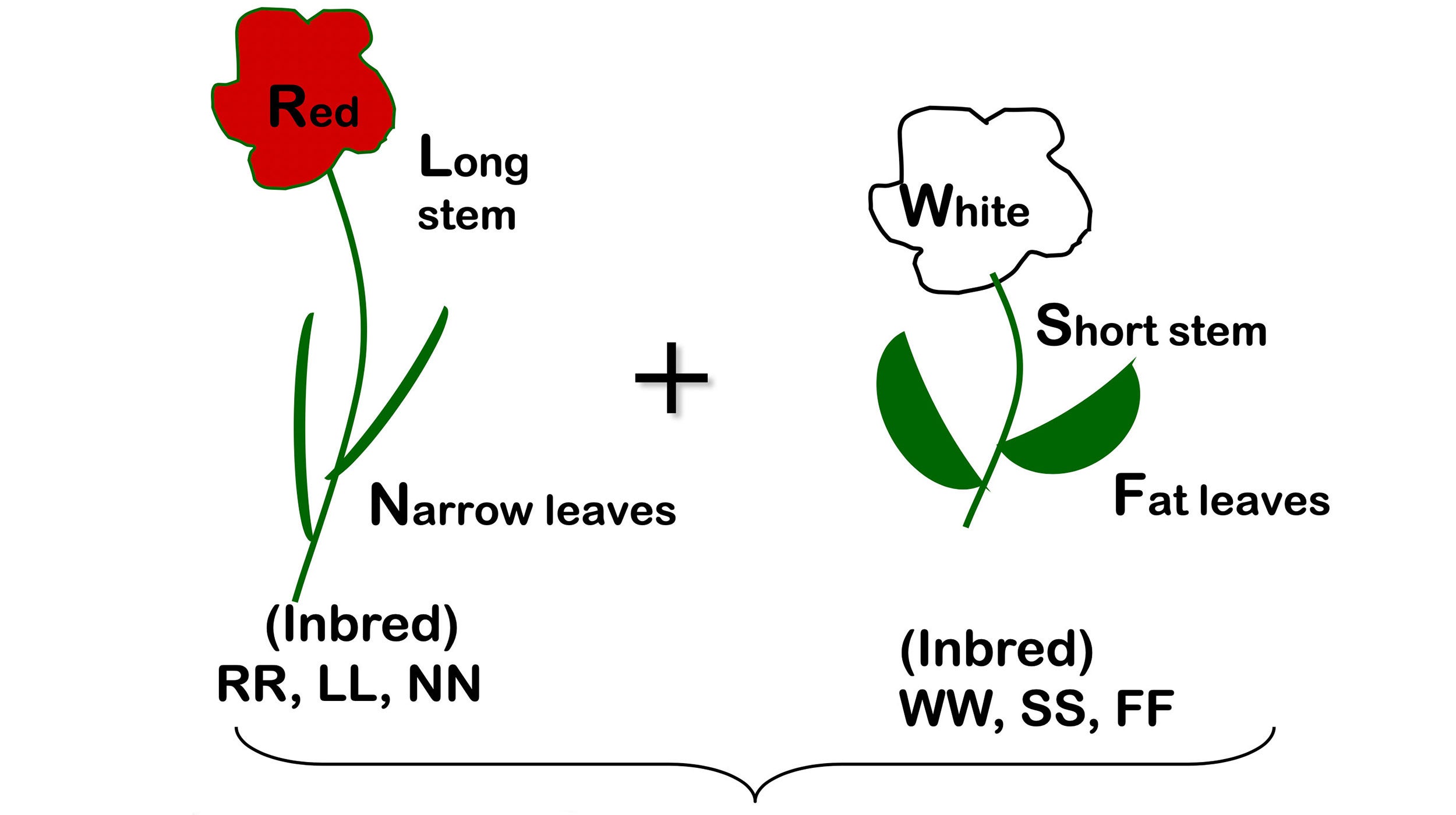
A seed from a hybrid plant may not produce fruit exactly like its parents due to the genetic composition involved in hybridization. Hybrid plants are typically created by cross-pollinating two different parent cultivars or species, resulting in offspring with a combination of traits from both. However, when these hybrid seeds are planted, the traits that are expressed can be quite variable. This phenomenon is primarily due to the Mendelian inheritance principles, where the segregation and assortment of genes during reproduction can lead to a range of outcomes in the next generation.
Understanding Hybrid Plants
Hybrid plants are created through the cross-breeding of two distinct parent plants. This process aims to combine favorable traits from both parents, such as increased fruit size, disease resistance, or improved flavor.
- Genetic Diversity: Hybrid plants exhibit genetic variability, which impacts the characteristics of the resulting seeds.
- Parent Characteristics: The traits of hybrid offspring can vary, as they may take on features from either parent or a combination thereof.
- Selective Breeding: Breeders use specific methods to enhance desired traits, but outcomes can be unpredictable.
Seed Variability in Hybrids
Seeds produced by hybrid plants can be unpredictable. While they may inherit traits from their parents, the combination of alleles that develop is susceptible to variance, which can lead to differences in size, color, and flavor of the fruit produced.
- Mendelian Traits: Some traits follow simple Mendelian inheritance, making them more predictable.
- Polygenic Traits: Other traits, influenced by multiple genes, are more likely to show variability in the offspring.
- Environmental Factors: Conditions such as soil quality and climate can additionally affect fruit characteristics.
True-to-Type Seeds
In horticulture, the term true-to-type refers to seeds that produce plants that resemble their parent plants closely. However, hybrid seeds often do not meet this criterion due to genetic mixing.
- F1 Generation: Hybrid seeds often produce F1 generation plants that show superior traits, but these characteristics may not be maintained in subsequent generations.
- Self-Pollination: If hybrid plants self-pollinate, the offspring could revert to traits of one parent or result in an entirely new combination.
- Seed Saving Risks: Growers who save seeds from hybrid plants risk cultivating plants with undesirable or unexpected traits.
Influence of Parent Plants on Fruit Quality
The quality of the fruit produced by seeds from a hybrid plant can vary significantly based on the genetic contributions of the parent plants. Each parent contributes different traits that can influence taste, size, and resilience.
- Flavor Profiles: Flavor can derive from either parent, leading to unique or inconsistent taste in the offspring.
- Fruit Size: Notably, hybrid plants are often bred for larger fruit, but size can fluctuate in offspring.
- Pest and Disease Resistance: Hybridization often aims for improved resilience, but the effects may differ among seeds.
Conclusion on Hybrid Seed Outcomes
Ultimately, a seed from a hybrid plant does not guarantee fruit that resembles its parents exactly. Variability is inherent in hybrid genetics, and understanding this aspect is crucial for growers.
- Genetic Mixing: The combining of different genes can lead to unexpected traits in fruit.
- Breeding Techniques: Different breeding practices can influence the degree of trait stability in hybrid seeds.
- Grower Considerations: Growers should recognize the limitations of hybrid seeds if specific traits are desired consistently.
Questions from Our Readers
What will happen if I plant seeds from a hybrid plant?
If you plant seeds from a hybrid plant, you are likely to get a variety of characteristics since these seeds may not produce offspring that are true to type. The resulting plants can vary significantly, often resembling one of the parent plants rather than maintaining the desired traits of the hybrid.
Are hybrid seeds viable for planting?
Yes, hybrid seeds are generally viable for planting, but their offspring may not perform as expected. Many gardeners prefer F1 hybrids for their specific traits, but planting seeds from these hybrids might yield plants that are less predictable in terms of growth and yield.
Can I save seeds from hybrid plants for the next growing season?
While you can save seeds from hybrid plants, it is not recommended if you want consistent results. The seeds may produce plants that show a mix of traits from the parent varieties, leading to unpredictable growth patterns and reduced quality.
What are the advantages of using hybrid plants?
Hybrid plants often come with several advantages, such as increased disease resistance, better yields, and improved adaptability to various growing conditions. For these reasons, many gardeners and farmers choose hybrids for their gardens and crops, despite the limitations with seed saving.
See also:

If you want to read more articles like What Happens If You Plant Seeds from a Hybrid Plant? Discover the Surprising Truth!, we recommend you check out our Seeds category.
Leave a Reply
Related Articles