What Happens If You Eat Too Many Fruit Seeds? Risks, Benefits, and Myths Explained

Consuming fruits is generally considered beneficial for health, but what about the seeds within them? Often overlooked, fruit seeds can spark curiosity regarding their safety and nutritional value. While some seeds contain beneficial nutrients and compounds, others may pose potential risks if consumed in excess. This article delves into what happens if you eat too many fruit seeds, exploring the associated risks, possible health benefits, and common myths surrounding them. By examining scientific insights and expert opinions, we aim to provide a clear understanding of whether indulging in fruit seeds is a healthy choice or a dangerous habit.
What Are the Potential Risks of Consuming Excessive Fruit Seeds?
Consuming an excessive amount of fruit seeds can pose various health risks primarily due to the presence of compounds such as cyanogenic glycosides, which can release cyanide when metabolized. For instance, seeds from fruits like apples, cherries, and apricots contain these compounds in varying concentrations. While ingesting a few seeds occasionally may not lead to any adverse effects, overconsumption can result in symptoms ranging from nausea and vomiting to more serious conditions like respiratory failure. It’s essential to be aware of the types and quantities of fruit seeds consumed to avoid potential toxicity.
What Are Cyanogenic Glycosides?
Cyanogenic glycosides are naturally occurring toxins found in several fruit seeds, including those of apples and apricots. These compounds consist of a sugar molecule bonded to a cyano group, which can release cyanide when the seeds are crushed or digested. While these seeds are often consumed in small amounts without issues, large quantities can lead to toxic effects, as cyanide inhibits the body's ability to transport oxygen, creating a dangerous situation.
How Much Is Too Much?
Determining what constitutes too much can vary based on the type of seed and individual tolerance levels. Generally, the seeds of a few fruits, such as the apple or cherry, may not pose a risk when eaten in moderation. However, exceeding a handful of seeds, particularly from high-risk fruits like apricots, can significantly increase the amount of cyanogenic compounds ingested, leading to potential toxicity symptoms. It's advisable to limit seed consumption to a few pieces to minimize health risks.
Symptoms of Fruit Seed Toxicity
Symptoms of consuming too many fruit seeds can range from mild to severe, depending on the amount and type of seed ingested. Mild symptoms may include dizziness, headache, or nausea, while more severe cases can manifest as breathing difficulties, weakness, or even loss of consciousness. In extreme situations, particularly for those with pre-existing health conditions, these symptoms can escalate to life-threatening scenarios, necessitating immediate medical attention.
Are All Fruit Seeds Dangerous?
Not all fruit seeds carry the same level of risk. Many seeds, such as those from bananas, melons, or grapes, are generally considered safe to consume in typical dietary amounts. Conversely, seeds from fruits like apples, cherries, and peaches contain higher levels of dangerous compounds like cyanogenic glycosides. Consumers should be informed about the specific risks associated with different fruit seeds, focusing on moderation and safety.
Precautionary Measures
To mitigate the risks associated with consuming fruit seeds, it's advisable to take some precautionary measures. These include removing seeds from fruits before consumption and educating oneself about which seeds can be eaten safely. If a person wants to explore seeds as part of a healthy diet, they should seek alternatives that are deemed safe, such as pumpkin seeds or sunflower seeds. Being aware of serving sizes and understanding the potential effects of consuming different seeds can help prevent accidental toxicity.
| Fruit | Risk Level | Cyanogenic Compounds |
|---|---|---|
| Apple | Moderate | Present |
| Cherry | Moderate | Present |
| Apricot | High | High levels |
| Banana | Low | None |
| Melon | Low | None |
What happens if I eat too much seeds?

If you eat too much seeds, several effects may occur in your body due to their high nutritional content and caloric density. While seeds can be a healthy addition to your diet, overconsumption can lead to unwanted consequences. Here are some potential outcomes of eating too many seeds:
1. Gastrointestinal Distress
Consuming an excessive amount of seeds can lead to gastrointestinal distress, including symptoms such as bloating, diarrhea, and abdominal pain. This is primarily caused by the high fiber content present in seeds, which can overwhelm your digestive system when consumed in large quantities.
- High fiber intake can lead to gas and bloating.
- Some individuals may experience diarrhea due to sudden fiber overload.
- Abdominal discomfort may occur if seeds are eaten in large amounts without proper hydration.
2. Weight Gain
Seeds are often energy-dense foods, meaning they are high in calories relative to their volume. Eating too many can contribute to weight gain if those calories exceed your daily requirements.
- Seeds are calorie-rich, with a small serving containing a significant amount of energy.
- Overeating seeds can lead to an excess energy intake compared to expenditure.
- This can lead to an increase in body weight over time if not balanced with physical activity.
3. Nutrient Imbalance
While seeds are nutritious, consuming them in excess can create a nutrient imbalance in your diet. If seeds replace other food groups, you may miss out on essential vitamins and minerals.
See also:
- Relying too heavily on seeds may reduce your intake of fruits, vegetables, and grains.
- A lack of variety can lead to deficiencies in nutrients not provided by seeds.
- An imbalanced diet can also affect overall health and bodily functions.
4. Allergic Reactions
Some individuals may experience allergic reactions to certain types of seeds, particularly if consumed in large quantities. Allergies can range from mild to severe and may result in multiple symptoms.
- Common symptoms include hives, facial swelling, and digestive upset.
- Severe allergies can trigger anaphylaxis, a life-threatening reaction requiring immediate medical attention.
- Persons with known seed allergies should be cautious about consumption and discuss with a health professional.
5. Oxalate Concerns
Certain seeds contain high amounts of oxalates, which can contribute to kidney stones in susceptible individuals when consumed excessively. Monitoring intake can help prevent this issue.
- Oxalates can bind with calcium, leading to crystal formation in the kidneys.
- Individuals with a history of kidney stones should be cautious with high-oxalate foods, including some seeds.
- It’s advisable to balance seed consumption with other foods that help manage oxalate levels.
What happens if you eat a bunch of apple seeds?
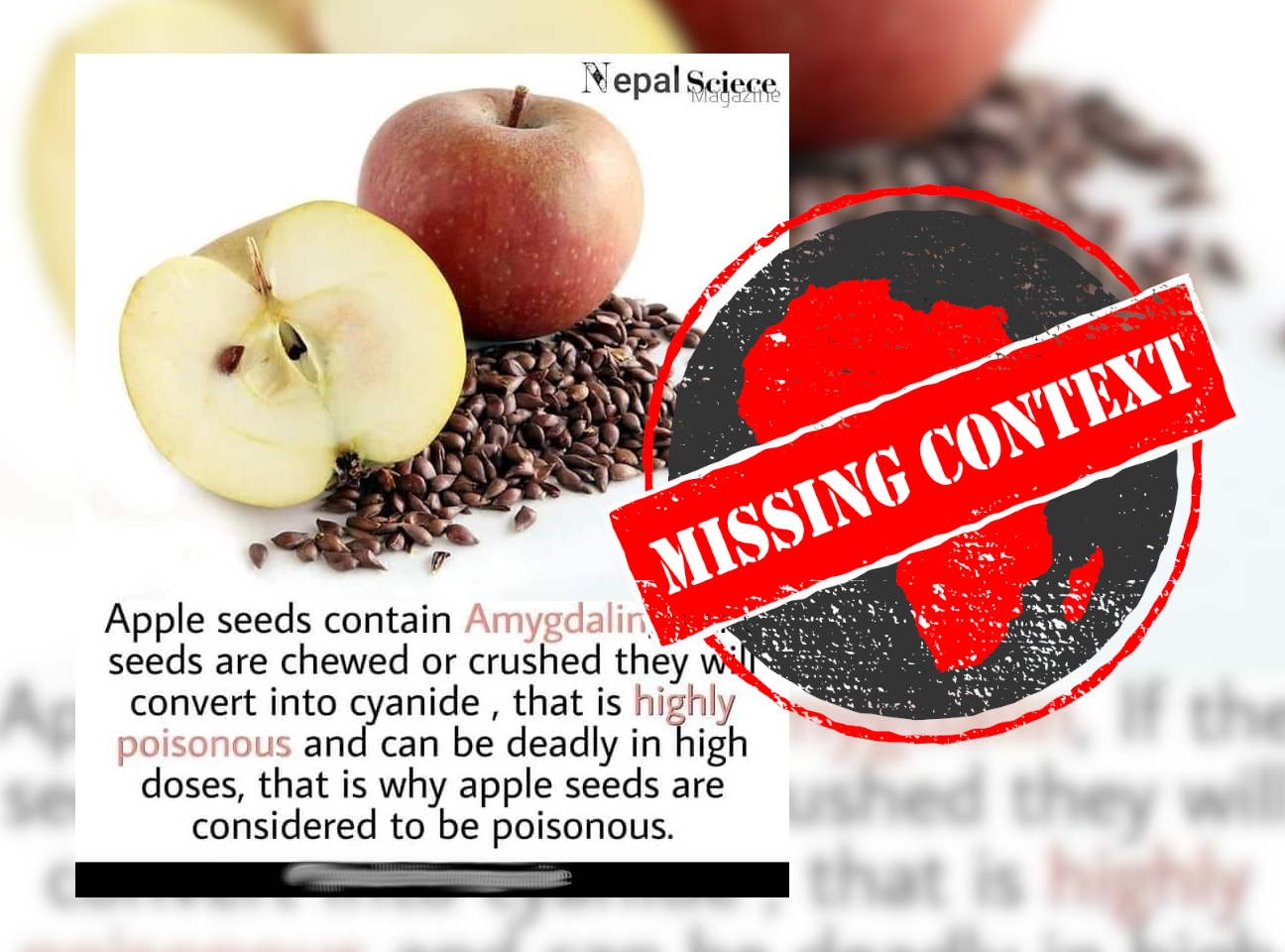
Eating a bunch of apple seeds can lead to some health concerns due to the presence of a compound called amygdalin, which is found in the seeds. When apple seeds are chewed or digested, amygdalin can release cyanide, a toxic substance that can interfere with oxygen utilization in the body. However, the amount of cyanide released is relatively small and usually not enough to cause serious harm unless a significant quantity of seeds is consumed. Here’s a more detailed exploration of what can happen when you eat apple seeds.
What are Apple Seeds Made Of?
Apple seeds contain several compounds, including:
- Amygdalin: A cyanogenic glycoside that can release cyanide when metabolized.
- Fiber: Promotes digestion and can help regulate bowel movements.
- Vitamins: Seeds can contain small amounts of vitamins and minerals, though not in significant quantities.
The primary concern revolves around amygdalin, as its potential toxicity impacts whether or not apple seeds are safe to consume.
How Much Cyanide Is In Apple Seeds?
Apple seeds do contain cyanide, but the concentration is quite low. On average, a single apple seed contains about 0.6 mg of cyanide when crushed. The amount that could cause poisoning varies, but it is estimated that:
- Adults would need to consume a significant number of seeds to feel the effects (around 200-300 seeds).
- Children are at greater risk with fewer consumed seeds due to their lower body weight.
- Cooking or processing the seeds does not eliminate the cyanide risk.
This highlights the importance of consuming apple seeds in moderation.
What Happens When You Ingest Apple Seeds?
When apple seeds are ingested, the body processes them in several ways:
- Digestion: Whole seeds may pass through the digestive tract without being broken down.
- Toxin Release: If the seeds are chewed, the amygdalin within can be released and converted to cyanide.
- Detoxification: The liver can process small amounts of cyanide, but excessive intake could overwhelm this ability.
While occasional ingestion of a few seeds is generally not harmful, larger quantities pose a risk.
Symptoms of Apple Seed Poisoning
If a harmful amount of apple seeds is consumed, symptoms of cyanide poisoning may appear, such as:
- Headache: A common initial symptom.
- Dizziness: A feeling of lightheadedness or imbalance.
- Nausea and Vomiting: Digestive disturbances may occur.
In severe cases, it can lead to more dangerous symptoms such as confusion, difficulty breathing, or loss of consciousness.
See also:
Precautions and Recommendations
To avoid potential risks associated with apple seeds, consider the following precautions:
- Limit Consumption: Avoid eating seeds altogether or consume in very small amounts.
- Educate Yourself: Be aware of the toxicity associated with various fruit seeds.
- Remove Seeds: Always remove seeds from apples before consuming, especially for young children.
Taking these steps can help ensure a positive experience with apples while minimizing any health risks.
What do fruit seeds do to your body?
:max_bytes(150000):strip_icc()/Health-Papaya-Purple-horizontal--0f58ba1170bd4867b99263021965aaa0.jpg)
Fruit seeds can have various effects on your body, depending on the type of seed, the quantity consumed, and individual health conditions. Generally, seeds contain essential nutrients, but they can also pose certain risks.
1. Nutritional Benefits of Fruit Seeds
Fruit seeds, such as those found in apples, watermelons, and pumpkins, can be rich in vital nutrients, including fiber, vitamins, and healthy fats. They often contribute to your overall dietary intake by providing:
- Fiber: Aided digestion and may help in maintaining a healthy weight.
- Antioxidants: Combat oxidative stress and may reduce the risk of chronic diseases.
- Essential fatty acids: Support heart health and enhance brain function.
2. Digestive Effects
While some fruit seeds are beneficial for digestion, others can be more challenging to process. Large quantities of certain seeds can lead to digestive issues, such as:
- Gas: Some seeds can ferment in the gut, producing gas.
- Bloating: Excessive consumption may lead to discomfort.
- Blockages: Very large seeds can potentially cause blockages in the digestive tract.
3. Potential Toxicity Concerns
Certain fruit seeds, like those from apples and cherries, contain amygdalin, which can convert to cyanide in the body. This raises concerns about their safety when consumed in significant amounts:
- Low risk: Eating small quantities is generally safe and poses minimal risk.
- High consumption: Can lead to poisoning symptoms such as headache and dizziness.
- Children: Extra caution is advised for young children due to their smaller size and lower tolerance.
4. Allergic Reactions
Some people may have allergies to specific fruit seeds. These allergies can lead to various reactions that could include:
- Skin reactions: Such as rashes or itching.
- Gastrointestinal issues: Nausea, vomiting, or abdominal pain after consumption.
- Respiratory problems: Sneezing or difficulty breathing in severe cases.
5. Impact on Overall Health
Including fruit seeds in a balanced diet can support overall health, although moderation is key. The right amount of seeds can confer various benefits:
- Enhanced satiety: Seeds can help you feel full, aiding in weight management.
- Cholesterol regulation: Certain seeds may help lower bad cholesterol levels.
- Skin health: Healthy fats found in some seeds can support skin hydration and elasticity.
Questions from Our Readers
What happens if you eat too many apple seeds?
Eating too many apple seeds can potentially lead to cyanide poisoning, as they contain a compound called amygdalin that releases cyanide when metabolized. However, you would need to consume an unusually large amount of seeds to experience serious effects, as the body can usually detoxify small amounts.
Are there any benefits to eating fruit seeds?
Some fruit seeds, such as those found in berries or melons, can be nutritious and provide health benefits like fiber and antioxidants. Moderation is key, as consuming seeds in excess may lead to digestive issues and negate the health benefits.
Can eating fruit seeds cause digestive problems?
Yes, consuming a significant amount of fruit seeds can lead to digestive problems, such as bloating, gas, or even gastrointestinal obstruction in extreme cases. It's important to be mindful of the quantity, as too many seeds may overwhelm the digestive system.
See also:
How many fruit seeds are considered too many?
There isn't a strict number that defines how many fruit seeds are too many, as it varies by the type of seed and individual tolerance. As a general rule, it's best to keep consumption moderate and avoid making seeds a primary part of your diet.

If you want to read more articles like What Happens If You Eat Too Many Fruit Seeds? Risks, Benefits, and Myths Explained, we recommend you check out our Seeds category.
Leave a Reply
Related Articles