What Do You Put in the Bottom of a Container Garden? Essential Tips for Successful Planting

Container gardening offers a versatile and practical way to grow plants in limited spaces, making it accessible for both novice and experienced gardeners. However, the success of your container garden largely depends on what you place at the bottom of your containers. Proper drainage, aeration, and nutrient retention are essential factors that can significantly impact plant health. In this article, we will explore essential tips and techniques for layering the bottom of your container gardens, ensuring optimal conditions for your plants to thrive. From drainage materials to soil choices, discover what you need for a flourishing green space in any environment.
What to Place at the Bottom of a Container Garden
In a container garden, it is essential to provide a suitable base layer to ensure proper drainage and promote healthy plant growth. The bottom of the container should ideally include materials that facilitate drainage while preventing soil from leaking out. Common options are rocks, broken pots or clay shards, landscaping fabric, and hydroponic balls. These materials help create a buffer zone that allows excess water to escape while still retaining moisture in the soil, preventing root rot and other issues that can arise from water accumulation.
Importance of Drainage
Proper drainage is crucial in container gardening as it helps prevent water from pooling at the bottom. Without adequate drainage, excess water can suffocate plant roots, leading to root rot and other diseases. Therefore, using materials such as small stones or gravel at the base of your container garden can significantly enhance the health and longevity of your plants by ensuring that water flows freely away from the roots.
Using Rocks and Gravel
Rocks and gravel are popular choices for the bottom of container gardens due to their weight and ability to facilitate water movement. By placing a layer of small rocks or gravel at the bottom, you create a drainage layer that allows excess water to flow away from the soil, reducing the risk of overwatering. Additionally, these materials can act as insulation against temperature fluctuations in the container.
Broken Pots and Clay Shards
Using broken pots or clay shards is another effective method to enhance drainage in container gardens. These materials create spaces for water to collect and flow out, preventing the soil from becoming too soggy. Moreover, they can be sourced from old or unused pottery, making this an environmentally friendly option that repurposes materials that may otherwise be discarded.
Landscaping Fabric as a Barrier
Landscaping fabric serves as a barrier between the drainage layer and the soil while still allowing water to pass through. By placing a piece of landscaping fabric over the rocks or gravel, you prevent soil from washing away while retaining moisture in the right quantity for your plants. This approach supports healthy root systems while ensuring that the plants do not sit in water for extended periods.
Hydroponic Balls for Aeration
Hydroponic balls are an innovative choice for the bottom of container gardens, providing excellent aeration and drainage. These lightweight, round balls are made from expanded clay and promote air circulation within the soil. Their unique structure allows for water retention while enabling excess water to drain effectively, ensuring that the roots receive the right balance of moisture and air for optimal growth.
| Material | Benefits |
|---|---|
| Rocks | Facilitates drainage and adds weight. |
| Broken Pots | Creates space for water and prevents soil loss. |
| Landscaping Fabric | Acts as a barrier while allowing water flow. |
| Hydroponic Balls | Provides aeration and moisture retention. |
| Gravel | Enhances drainage and prevents overwatering. |
What do you put in the bottom of a vegetable container?

To ensure the longevity of vegetables stored in a container, it is crucial to consider what you place at the bottom of the container. The right materials can enhance air circulation, absorb excess moisture, and provide a suitable environment for the vegetables, thereby preventing spoilage. Here are some options you can put in the bottom of a vegetable container:
1. Paper Towels: Paper towels can effectively absorb excess moisture that can cause vegetables to rot. They help maintain an optimal humidity level inside the container.
See also:
2. Newspaper: Like paper towels, newspaper is highly absorbent. It can also help keep the vegetables dry and prevent them from becoming soggy.
3. A Layer of Soil: For root vegetables, adding a thin layer of soil can help retain moisture while allowing roots to breathe. This creates a more natural environment for certain types of veggies.
4. Rice or Dry Beans: Some people choose to use rice or dry beans at the bottom of their containers. These items absorb moisture and can act like a sponge for excess humidity.
5. Perlite or Vermiculite: These materials are often used in gardening. They promote drainage and aeration, helping to keep the vegetables in good condition by preventing excessive moisture buildup.
Using Paper Towels
Using paper towels at the bottom of your vegetable container is a straightforward method to manage moisture levels. They help absorb any excess humidity, which can lead to wilting or rotting of vegetables.
- Place a few sheets of paper towels at the bottom.
- Regularly check the towels and replace them if they become damp.
- This method is particularly useful for leafy greens.
Benefits of Newspaper
Newspaper is another practical option. It adds an extra layer of absorbency and can be easily replaced as needed. This can be a very cost-effective solution.
- Use a few sheets of crumpled newspaper to elevate vegetables.
- Ensure there are no colorful ink sections that might transfer to the produce.
- Change the newspaper periodically to maintain freshness.
Layer of Soil for Root Vegetables
For storing certain root vegetables like carrots and potatoes, a thin layer of soil at the bottom can be beneficial. This mimics their natural growing conditions and maintains moisture.
- Use clean, dry soil to avoid pests.
- A layer of soil can retain moisture without waterlogging the vegetables.
- This is particularly helpful for long-term storage.
Using Rice or Dry Beans
Adding rice or dry beans can be an excellent way to regulate moisture content. These items naturally wick away excess humidity, which can help keep vegetables fresher for longer.
- Spread an even layer of rice or beans at the bottom.
- Check the moisture levels regularly to see if more rice/beans are needed.
- This method is effective for preventing rot in humid climates.
Incorporating Perlite or Vermiculite
Perlite or vermiculite can be highly effective for improving air circulation in your vegetable container. These materials help to keep the environment stable and prevent moisture buildup.
- Add a thin layer of perlite or vermiculite at the bottom.
- These materials can be reused multiple times.
- They provide a fluffy texture that helps maintain airflow.
What is the best material to line a planter with?
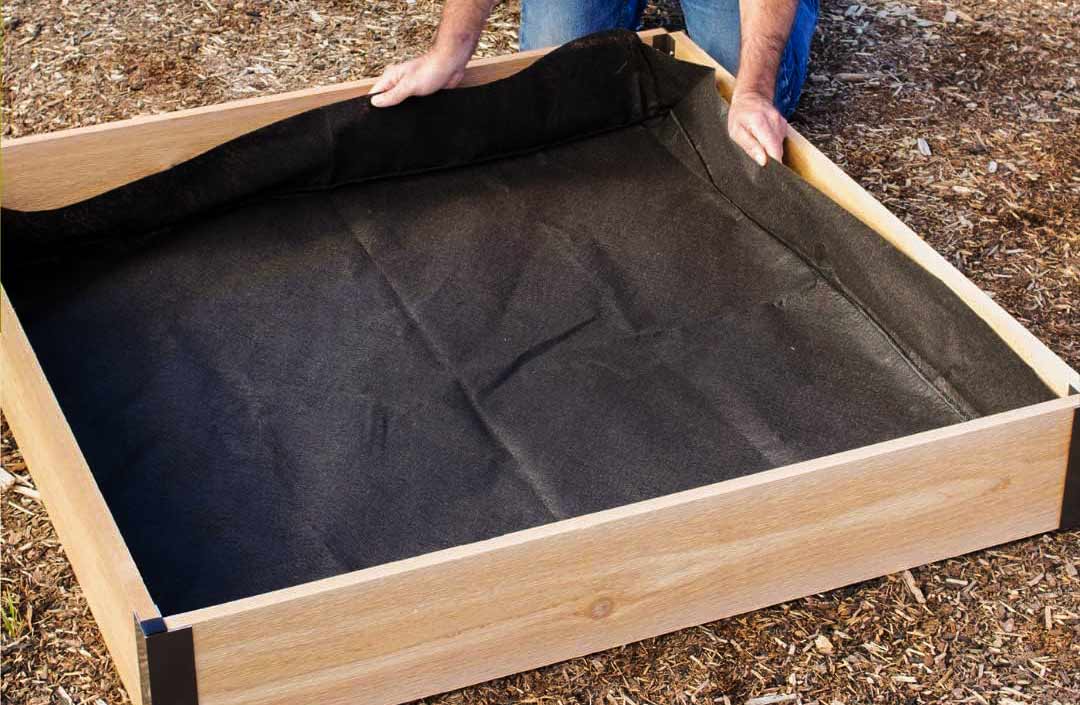
The best material to line a planter with can depend on the type of plants you are growing, the climate, and the specific needs of the planter. However, a few materials have proven effective and popular for ensuring proper drainage and promoting healthy plant growth.
Natural Burlap
Natural burlap is a highly breathable material that allows for excellent drainage, which is essential for preventing root rot in plants. Its biodegradable nature means it will break down over time, adding organic matter to the soil. Here are some benefits of using burlap:
- Environmental sustainability: Being biodegradable makes it environmentally friendly.
- Water retention: It helps maintain moisture levels while allowing excess water to escape.
- Cost-effective: Burlap is relatively inexpensive and widely available.
Landscape Fabric
Landscape fabric is a synthetic material that is durable and allows for water and air penetration while inhibiting weed growth. It can provide structural support to the soil in the planter while preventing soil from washing out through drainage holes. Here are its advantages:
- Weed prevention: It reduces the number of weeds that can compete with your plants.
- Durable: It can last several seasons without breaking down.
- Versatile: Suitable for various planter types and sizes.
Coconut Coir
Coconut coir is a natural byproduct of coconut processing and provides excellent drainage while retaining moisture. It is lightweight and biodegradable, making it a great option for lining planters. Consider the following points:
- Moisture retention: Helps keep the soil moist for longer periods.
- pH neutral: It does not alter the pH of the soil significantly.
- Renewable resource: Made from sustainable coconut husks.
Plastic Liners
Plastic liners, particularly those designed for gardening, are useful for providing a barrier between the soil and the planter itself while ensuring proper drainage. They can help prevent the wood or metal from rotting or rusting. The benefits include:
- Durability: Resistant to weathering and can last for many years.
- Waterproof: Prevents soil from seeping out while allowing drainage.
- Lightweight: Makes moving pots and planters easier.
Cardboard
Using cardboard as a liner can be an eco-friendly option that can help with drainage and moisture retention. It's particularly useful for temporary setups or when planting seedlings. Here are some points regarding cardboard:
- Biodegradable: Will break down and contribute to soil health over time.
- Cost-effective: Often free or low-cost, making it accessible for many gardeners.
- Effective barrier: Prevents soil erosion while maintaining air circulation.
Questions from Our Readers
1. What should I place at the bottom of a container garden for drainage?
To ensure proper drainage in your container garden, it's important to add materials such as gravel, pebbles, or broken pottery at the bottom. This layer helps prevent soil from becoming waterlogged and allows excess water to flow out freely.
2. Can I use landscape fabric in my container garden?
Yes, using landscape fabric at the bottom of your container garden can be beneficial. It allows water to drain while still keeping the soil from washing away, which helps maintain the right balance of moisture for your plants.
3. Is it necessary to add rocks to my container garden?
While it's not strictly necessary, adding rocks at the bottom of your container garden can aid in drainage and prevent soil compaction. However, using too many rocks might occupy valuable space that could otherwise be used for planting.
4. What kind of soil should I use for my container garden?
For a thriving container garden, use a high-quality potting mix specifically designed for containers. This type of soil typically has good drainage properties, retains moisture effectively, and provides essential nutrients for your plants.
See also:

If you want to read more articles like What Do You Put in the Bottom of a Container Garden? Essential Tips for Successful Planting, we recommend you check out our Planter category.
Leave a Reply
Related Articles