Essential Nutrients: What Do You Feed Citrus Trees with Yellow Leaves for Optimal Health?

Citrus trees are beloved for their vibrant fruits and lush foliage, yet yellow leaves can signal underlying health issues. Understanding the essential nutrients required for these trees is crucial for maintaining their vitality. This article delves into the specific nutrients that play a pivotal role in the health of citrus trees, particularly when faced with the troubling symptom of yellowing leaves. By identifying the causes and incorporating the right nutrients, gardeners can promote robust growth and fruitful yields, ensuring their citrus trees thrive in any environment. Discover how to nurture these trees back to health with targeted nutritional support.
Feeding Citrus Trees with Yellow Leaves
Citrus trees with yellow leaves often indicate a nutrient deficiency or improper care. To help restore their vibrant green color, it is essential to provide them with a balanced fertilizer specifically formulated for citrus trees. Look for a product that includes nitrogen, phosphorus, potassium, and essential micronutrients like iron, which is particularly crucial for combating yellowing leaves. Apply the fertilizer during the growing season, ensuring to follow the recommended dosage based on the size and age of your trees, and water them well to help the nutrients penetrate the soil.
Identifying Nutrient Deficiencies
The first step in addressing yellow leaves on citrus trees is to identify the specific nutrient deficiencies. Commonly, yellowing occurs due to a lack of nitrogen, which results in older leaves turning yellow, or iron deficiency, where new growth may yellow while the veins remain green. Observing the pattern of yellowing leaves can provide valuable insights into what nutrient may be lacking, helping in the selection of the right fertilizer.
Choosing the Right Fertilizer
When selecting a fertilizer for citrus trees, it's crucial to choose one that is specifically designed for these types of plants. Look for fertilizers with a balanced ratio of N-P-K (Nitrogen-Phosphorus-Potassium), such as a 5-2-6 or similar mix. Additionally, ensure the fertilizer contains micronutrients like zinc and manganese, which are important for healthy foliage and fruit production. Always read the labels for instructions on how much to apply and when.
Application Timing
The timing of fertilizer application plays a significant role in the health of citrus trees. It's best to fertilize during the growing season, typically in early spring and late summer. This ensures that the trees receive the necessary nutrients when they need them most for growth and fruit development. Avoid fertilizing in late fall or winter, as this can promote unchecked growth that may not survive the cold months.
Watering Practices
Proper watering practices are essential when feeding citrus trees. After applying fertilizer, ensure that you water the area thoroughly to help dissolve the nutrients and promote absorption into the root system. However, it's vital to avoid overwatering, which can lead to root rot and other complications. Maintain a consistent watering schedule, allowing the top inch of soil to dry out between waterings to ensure healthy root breathing.
Interpreting Leaf Color Changes
Understanding the color changes in citrus tree leaves can guide gardeners in their care practices. Yellow leaves along with small or dropped fruit can indicate iron deficiency, which can be treated with iron chelates or iron sulfate. In contrast, uniform yellowing may signal nitrogen deficiency, requiring a nitrogen-rich fertilizer. Monitoring these changes will help ensure that the trees remain healthy and productive.
| Nutrient | Symptoms of Deficiency | Recommended Fertilizer |
|---|---|---|
| Nitrogen | Older leaves turning yellow | Citrus fertilizer with high nitrogen |
| Iron | New leaves yellowing, green veins | Iron chelates or iron sulfate |
| Magnesium | Yellowing between leaf veins | Magnesium sulfate (Epsom salt) |
| Zinc | Interveinal chlorosis, small leaves | Zinc sulfate |
| Potassium | Leaf scorch, poor fruit quality | Potassium-rich fertilizer |
What is the best source of nitrogen for citrus trees?
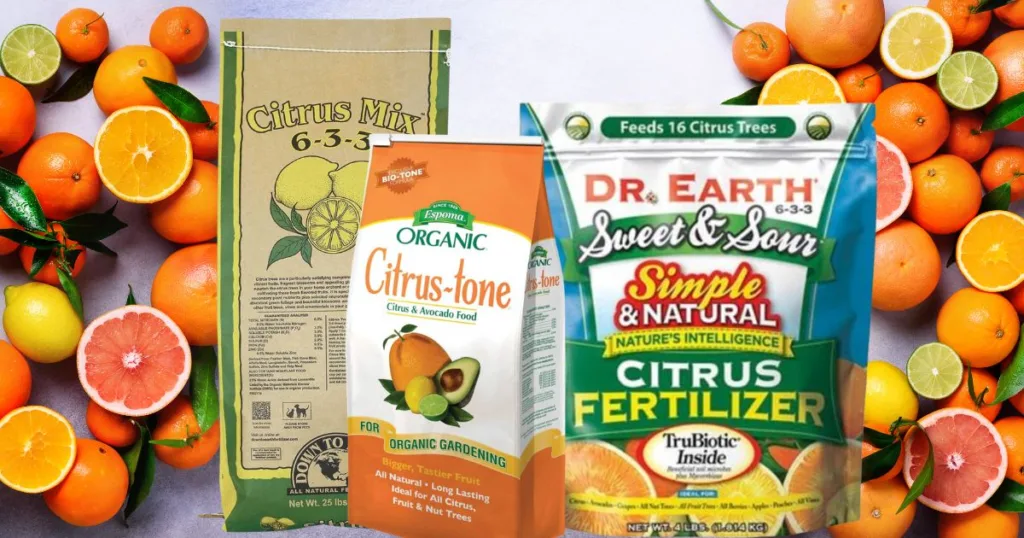

The best source of nitrogen for citrus trees is typically a balanced fertilizer that includes both fast-release and slow-release nitrogen. This ensures that the trees receive an immediate boost of nutrients while also benefiting from a sustained supply over time. A common recommendation among citrus growers is to use fertilizers with an N-P-K ratio that emphasizes nitrogen, such as 8-3-9 or 15-5-15. Additionally, organic options like blood meal, fish emulsion, and composted manure also provide natural sources of nitrogen, promoting healthy growth and fruit production.
Organic Sources of Nitrogen
Organic sources of nitrogen are increasingly popular among citrus growers who prefer to enhance soil health and sustainability. These options not only provide the required nutrients but also improve soil structure and microbial activity.
- Composted Manure: Rich in nutrients, composted manure provides a slow release of nitrogen, improves soil structure, and enhances microbial life.
- Blood Meal: This is a highly concentrated nitrogen source that can quickly boost nitrogen levels in the soil. However, it should be used sparingly to avoid burning the roots.
- Fish Emulsion: A well-rounded organic fertilizer that provides nitrogen and other essential nutrients. It is a liquid form that allows for easy absorption by the trees.
Inorganic Nitrogen Fertilizers
Inorganic nitrogen fertilizers are often used because they are readily available and provide a quick nutrient boost to citrus trees. These fertilizers are engineered to deliver nitrogen efficiently.
- Urea: A popular nitrogen source that is inexpensive and highly effective. Urea needs moisture to convert into ammonia, which can be taken up by plants.
- Ammonium Nitrate: This provides both ammonium and nitrate forms of nitrogen, allowing for quick uptake by the tree roots. It is effective for promoting vigorous growth.
- Calcium Nitrate: It supplies both nitrogen and calcium, which is essential for citrus trees to prevent blossom end rot and improve fruit quality.
Timing and Application Methods
Proper timing and application methods are crucial for ensuring that nitrogen is available to citrus trees when they need it most, particularly during the growing season.
- Pre-Planting Application: Incorporating nitrogen fertilizers into the soil before planting helps establish a good foundation for root development.
- Seasonal Feeding: Apply nitrogen fertilizers during early spring and late summer to match the growth cycles of citrus trees, ensuring they have adequate nitrogen when needed.
- Foliar Applications: Spraying a diluted nitrogen solution directly onto leaves can provide a quick source of nitrogen, particularly during critical growth phases.
Signs of Nitrogen Deficiency
Recognizing the signs of nitrogen deficiency is vital for maintaining healthy citrus trees. Early identification can help prevent long-term damage to the trees and their fruit production.
- Yellowing Leaves: If the older leaves turn yellow while the veins remain green, this is often a sign of nitrogen deficiency.
- Poor Growth: Citrus trees that fail to produce new growth or fruit may not be receiving enough nitrogen.
- Early Leaf Drop: A significant drop in leaves can indicate stress from insufficient nitrogen, affecting overall tree health.
Balancing Nitrogen with Other Nutrients
While nitrogen is essential, balancing it with other nutrients is crucial for the optimal growth of citrus trees. An imbalance can lead to other nutrient deficiencies or toxicities.
- Phosphorus: Essential for root development and flowering. A balanced ratio of nitrogen and phosphorus encourages strong growth.
- Potassium: Important for fruit quality and disease resistance. Adequate potassium levels complement nitrogen for healthy tree development.
- Micronutrients: Ensuring the availability of micronutrients (like iron and magnesium) alongside nitrogen supports overall tree health and enhances production.
What fertilizer for lemon tree yellow leaves?
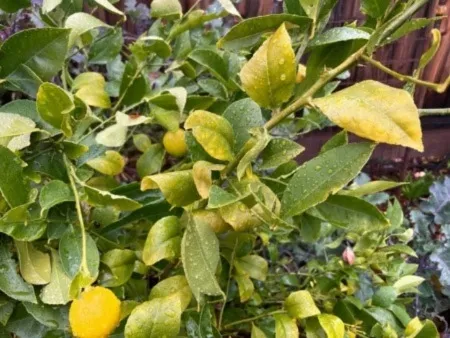
When dealing with yellow leaves on a lemon tree, identifying the correct fertilizer is crucial for restoring health to your plant. Yellowing leaves can indicate nutrient deficiencies, stress, or pest issues. Generally, you should look for a balanced fertilizer that contains a mix of nitrogen, phosphorus, and potassium, as well as essential micronutrients. Here are some tips on selecting the right fertilizer for your lemon tree:
See also:
Understanding Nutrient Deficiencies
Nutrient deficiencies are often the root causes of yellow leaves on lemon trees. The most common deficiencies include:
- Nitrogen: A lack of nitrogen leads to overall yellowing, particularly in older leaves.
- Iron: Iron deficiency causes younger leaves to turn yellow while veins remain green, known as interveinal chlorosis.
- Magnesium: Insufficient magnesium can result in yellowing between the veins of older leaves.
Choosing the Right Fertilizer
When selecting a fertilizer, consider these types that cater to the specific needs of lemon trees:
- Granular Fertilizer: Slow-release granular fertilizers provide nutrients over an extended period, reducing the risk of over-fertilization.
- Liquid Fertilizer: Liquid fertilizers offer quick nutrient uptake, ideal for addressing immediate deficiencies.
- Organic Fertilizer: Organic options, such as compost or well-rotted manure, improve soil health while supplying nutrients.
Application Timing and Frequency
Proper application timing is critical for the effectiveness of the fertilizer. Follow these guidelines:
- Spring Feeding: Apply fertilizer in early spring when new growth begins to emerge.
- Mid-Summer Boost: A second application in mid-summer can help sustain growth and fruit production.
- Frequency: Most fertilizers can be applied every 6 to 8 weeks during the growing season.
Signs of Over-Fertilization
It's essential to recognize signs of over-fertilization, as this can also cause yellow leaves. Watch for:
- Leaf Burn: Tips of leaves may turn brown or crispy.
- Salt Buildup: White crust on the soil surface can indicate excess salts from fertilizers.
- Stunted Growth: Over-fertilized plants may struggle to grow properly.
Adjusting Soil pH
Soil pH affects nutrient availability. For lemon trees, ideal pH levels should be between 6.0 and 7.0. Here’s how to adjust it:
- Testing Soil pH: Use a soil test kit to determine the current pH level.
- Acidifying Agents: If the pH is too high, consider using sulfur or peat moss to lower it.
- Alkalizing Agents: If the pH is too low, lime can be used to raise it.
Questions from Our Readers
What nutrients do I need to provide for citrus trees with yellow leaves?
Providing the right nutrients is essential for citrus trees showing yellow leaves. Typically, a balanced fertilizer that includes nitrogen, iron, and magnesium will help address deficiencies. A specifically formulated citrus fertilizer will often provide the necessary trace elements these trees require for healthy growth.
How often should I fertilize citrus trees with yellow leaves?
Citrus trees should generally be fertilized every 6 to 8 weeks during the growing season, especially if they show signs of yellowing. It’s important to adjust the frequency based on the fertilizer type you use; some slow-release fertilizers may require less frequent applications.
Can I use organic alternatives for fertilizing citrus trees with yellow leaves?
Yes, there are several organic alternatives that can effectively help citrus trees with yellow leaves. Compost, well-rotted manure, and fish emulsion can provide a rich source of nutrients. Additionally, adding Epsom salt can help boost magnesium levels if deficiency is suspected.
See also:
Will improving soil drainage help citrus trees with yellow leaves?
Yes, improving soil drainage can play a significant role in the health of citrus trees. Poor drainage can lead to waterlogged soil, contributing to root rot and nutrient deficiencies that cause yellow leaves. Ensure the soil is well-aerated and provide proper drainage to promote root health.

If you want to read more articles like Essential Nutrients: What Do You Feed Citrus Trees with Yellow Leaves for Optimal Health?, we recommend you check out our Fertilisers category.
Leave a Reply
Related Articles