What do you call a person who is good at gardening? Exploring the Right Terminology and Skills
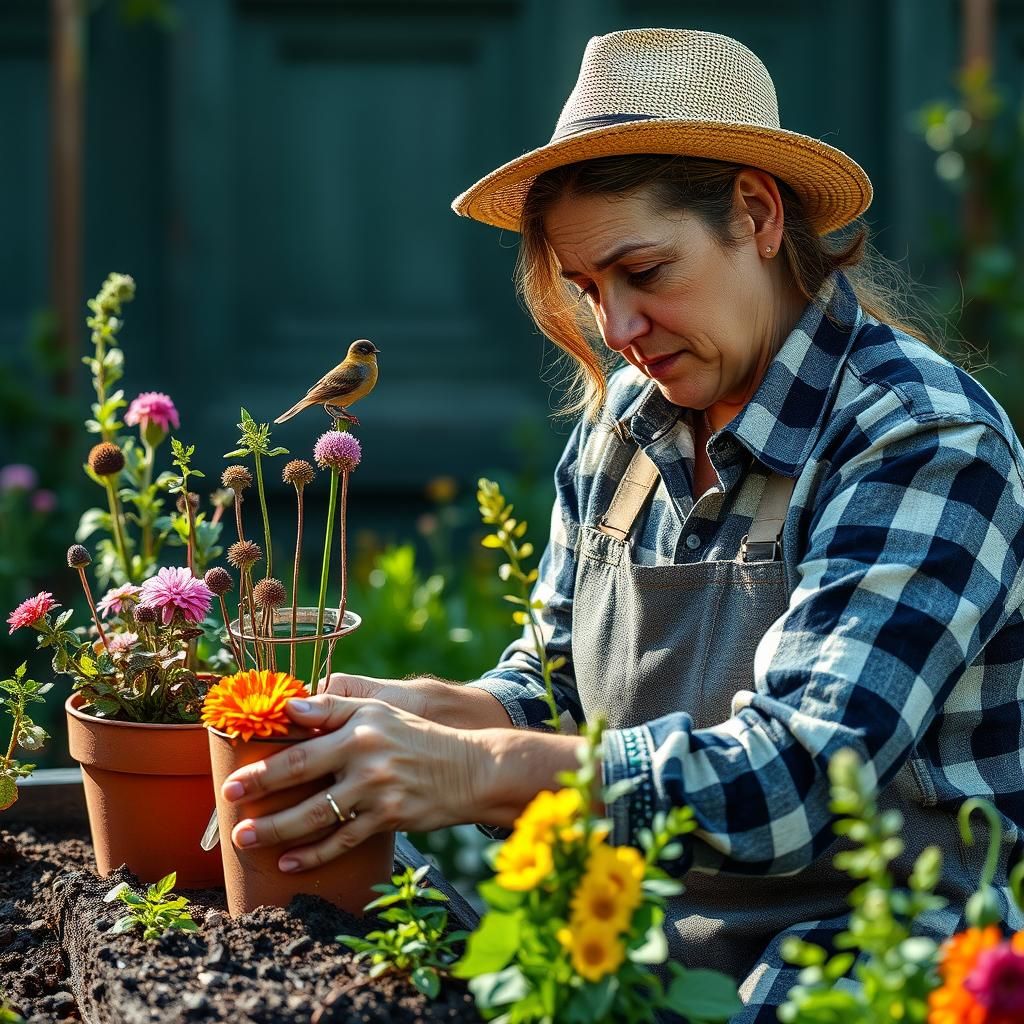
Gardening is a rewarding hobby that requires a unique set of skills and knowledge. But what do you call a person who excels in this art? The terminology surrounding gardening enthusiasts can vary widely, from amateur hobbyists to professional horticulturists. In this article, we will explore the appropriate terms used to describe skilled gardeners, delve into the specific skills they possess, and highlight the different roles these individuals can play in the world of gardening. Whether you’re a budding gardener or simply curious about the field, understanding the right terminology can enhance your appreciation of this flourishing craft.
What Do You Call a Person Who is Good at Gardening?
A person who is good at gardening is commonly referred to as a gardener. This term encompasses individuals who cultivate and manage plants, flowers, and vegetables either for personal enjoyment or as a profession. Gardeners possess a deep understanding of plant care, soil health, and the necessary techniques to maintain a thriving garden. Their skills often include knowledge of local climate conditions, pest management, and plant propagation, allowing them to create and nurture beautiful outdoor spaces. In addition to technical skills, effective gardeners often have a strong aesthetic sense that guides the design and layout of their gardens, making them not only functional but also visually appealing.
Types of Gardeners
Different types of gardeners specialize in various aspects of gardening. For example, a landscape gardener focuses on the design and layout of outdoor spaces, while a vegetable gardener specializes in growing edible plants. There are also ornamental gardeners who cultivate flowers and decorative plants. Each type requires specific knowledge and skills tailored to their respective domains, contributing to the diversity of gardening as a practice.
Skills and Knowledge Required
To be a successful gardener, one must possess a range of skills and knowledge. Understanding soil types and their nutrient requirements is crucial, as is knowledge of how to identify and control pests. Gardeners must also know how to choose the right plants for their environment, taking into consideration factors such as sunlight, water availability, and climate conditions. Ongoing education is vital, as gardening techniques and plant varieties continue to evolve.
Gardening as a Profession
Many individuals turn their passion for gardening into a full-time career, making them professional gardeners. This may involve working in various settings, such as public parks, botanical gardens, or private residences. Professional gardeners often offer services like garden design, maintenance, and consultation, and may also specialize in areas such as organic gardening or sustainable practices. Their work not only enhances the aesthetics of spaces but also contributes to the overall health of the environment.
The Joy of Gardening
Beyond its practical applications, gardening offers numerous emotional and mental health benefits. Many gardeners find joy and relaxation in tending to their plants, as it allows them to connect with nature and reduce stress. The act of nurturing living things can provide a sense of accomplishment and satisfaction, as they witness their efforts grow and flourish. This aspect of gardening makes it not just a hobby or profession, but a meaningful way to enrich one's life.
Community and Gardening
Gardening can often foster a sense of community among those who share this passion. Many neighborhoods have community gardens where local gardeners collaborate to grow plants, share resources, and exchange knowledge. These communal spaces not only provide access to gardening for those without private land but also create a sense of belonging and camaraderie. Such initiatives highlight the social benefits of gardening, reinforcing the idea that it is much more than just individual work.
| Term | Description |
|---|---|
| Gardener | A person who tends to and cultivates gardens, either as a hobby or professionally. |
| Landscape Gardener | Specializes in designing outdoor spaces, focusing on aesthetics and usability. |
| Vegetable Gardener | Focuses on growing edible plants and vegetables for personal use or market. |
| Ornamental Gardener | Specializes in growing flowers and decorative plants to enhance visual appeal. |
| Professional Gardener | Provides gardening services and expertise on a commercial basis, often with specialized skills. |
What do you call someone who is good at gardening?

A person who is good at gardening is often referred to as a gardener. This term encompasses a wide range of skills and expertise related to plant cultivation, landscaping, and horticulture. Gardeners can be amateur enthusiasts or professional landscapers, and they typically possess knowledge about different types of plants, soil management, and the best gardening practices.
Types of Gardeners
Gardeners can be categorized based on their specific skills and areas of focus. Each type has unique characteristics and interests that shape their gardening practices.
- Hobbyist Gardener: Someone who enjoys gardening as a leisure activity.
- Professional Gardener: A person who makes a living by providing gardening services or working in the horticulture industry.
- Landscape Gardener: A specialist who designs and maintains outdoor spaces, focusing on aesthetics and functionality.
Skills of a Gardener
A skilled gardener possesses a variety of abilities that enable them to effectively care for plants and maintain gardens. These skills can be gained through education and practical experience.
- Knowledge of Plant Species: Understanding different plants, their needs, and their growth habits.
- Soil Management: Knowing how to improve soil quality for better plant growth.
- Pest Control: Implementing strategies to prevent and deal with pests that harm plants.
Benefits of Gardening
Gardening offers numerous benefits, not just for the gardener but also for the environment and community. Engaging in gardening can be rewarding in various ways.
- Physical Health: Gardening can provide exercise and promote physical well-being.
- Mental Health: Being in nature and nurturing plants has been shown to reduce stress and anxiety.
- Environmental Impact: Promoting biodiversity and sustainability through responsible gardening practices.
Gardening Tools and Equipment
A successful gardener often utilizes various tools and equipment designed to make gardening easier and more efficient. Familiarity with these tools is essential for effective gardening.
See also:
- Hand Tools: Items like trowels, pruners, and rakes help with precise tasks.
- Power Tools: Equipment such as lawnmowers and rototillers can increase efficiency in larger gardens.
- Garden Supplies: Fertilizers, seeds, and soil amendments support healthy plant growth.
Gardening Communities
There are many ways gardeners can connect and share their passion for gardening through communities and organizations. Such communities often provide support and resources.
- Online Forums: Platforms where gardeners can ask questions and share experiences.
- Local Gardening Clubs: Groups that meet regularly to exchange advice and showcase plants.
- Workshops and Classes: Educational opportunities that help gardeners expand their knowledge and skills.
What is an expert in gardening called?
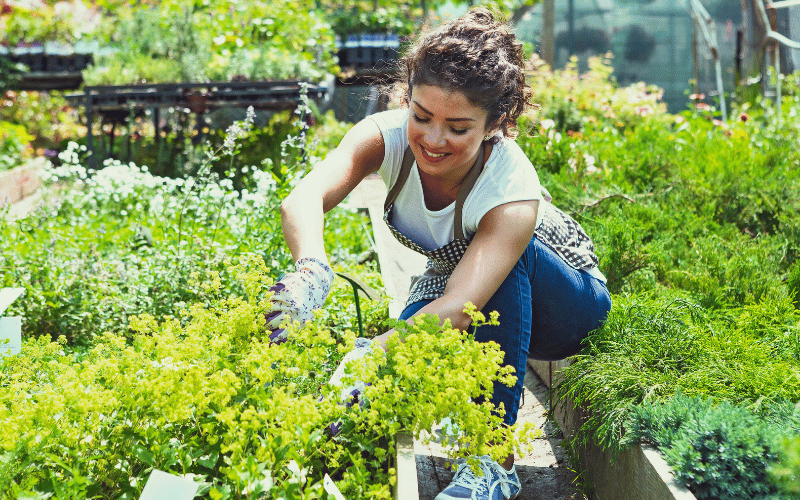
An expert in gardening is commonly referred to as a horticulturist. Horticulturists specialize in the cultivation of plants for food, beauty, and medicinal purposes, and their expertise spans across various areas of plant care, landscaping, and garden design.
What is Horticulture?
Horticulture is the branch of agriculture that focuses on the growing of garden plants, which includes fruits, vegetables, nuts, seeds, herbs, sprouts, mushrooms, algae, flowers, seaweeds, and non-food crops like grass and ornamental trees and plants. It encompasses the science and art of plant cultivation and involves practices that enhance the quality and productivity of plants.
- Understanding plant biology and physiology
- Utilizing soil management techniques
- Applying pest management strategies
Roles of a Horticulturist
Horticulturists have a wide array of responsibilities that may include advising homeowners and businesses on proper gardening techniques, designing landscapes, and conducting research to improve plant growth. They often provide educational resources that help others understand effective planting strategies and sustainable gardening practices.
- Conducting research in plant breeding and genetics
- Planning and maintaining landscapes
- Consulting on urban gardening initiatives
Types of Horticulturists
There are several specializations within horticulture, and horticulturists may focus on specific areas such as floriculture, landscape horticulture, and vegetable production. Each specialization requires knowledge of different plant types and cultivation methods to address unique challenges.
- Floriculturists specialize in flower cultivation and production
- Landscape horticulturists design and maintain outdoor spaces
- Pomologists focus on growing fruit-bearing plants
Educational Background of Horticulturists
Becoming a horticulturist typically requires formal education in botany, plant science, or similar fields. Many horticulturists hold degrees in horticulture and may pursue advanced studies or certifications in specific areas to enhance their expertise.
- A degree in Horticulture or related field
- Hands-on experience through internships or apprenticeships
- Continuous education through workshops and seminars
The Importance of Horticulturists in Society
Horticulturists play a crucial role in enhancing the quality of life in urban and rural environments. They contribute to food security, promote environmental sustainability, and often engage in community education to encourage local gardening practices. Their work supports biodiversity and can improve mental health through the creation of green spaces.
- They help create sustainable food systems
- Enhance urban green spaces for community well-being
- Promote conservation through ecological practices
What is a gardening person called?
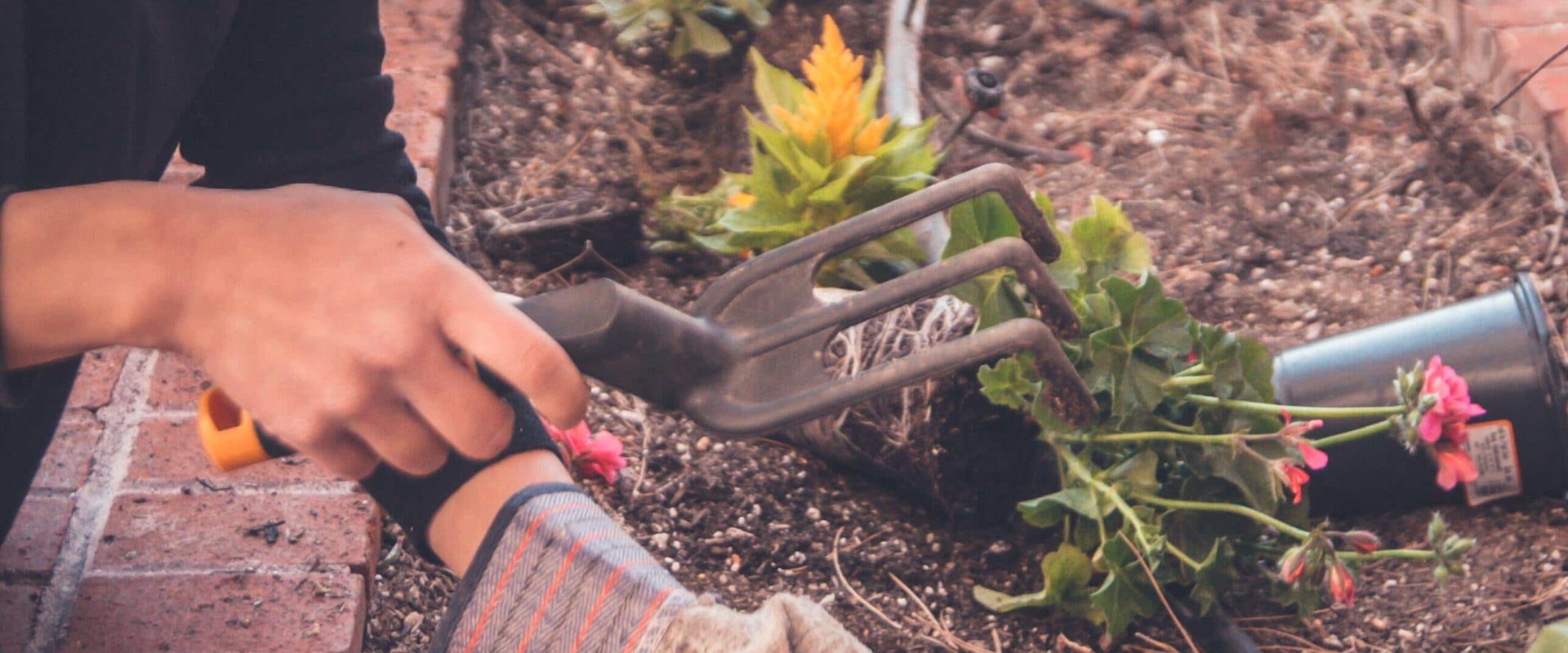
A gardening person is commonly referred to as a gardener. This term encompasses anyone who engages in the cultivation and management of plants, flowers, vegetables, and other forms of greenery in a garden setting. A gardener's responsibilities can vary significantly based on their experience, passion, and the type of gardening they engage in, which can include ornamental gardening, vegetable gardening, landscape gardening, and more.
Definition of a Gardener
A gardener is defined as a person who practices gardening, the science and art of growing plants. The role can range from hobbyists to professional landscapers who design and maintain outdoor spaces. In the context of work, a gardener may be responsible for tasks such as planting, weeding, watering, and pruning, or may specialize in a specific area such as horticulture.
- A gardener may work in public spaces like parks or private properties.
- They often possess knowledge about plant biology and environmental conditions.
- Skills can include design, pest management, and soil analysis.
Types of Gardeners
There are various types of gardeners based on their focus and expertise. For example, some may specialize in edible gardening, while others may focus on ornamental plants. Understanding these different categories can help identify the specific knowledge and skills of a gardener.
- Vegetable gardeners focus on growing food-producing plants.
- Flower gardeners primarily cultivate flowering plants for aesthetic purposes.
- Landscape gardeners design and implement outdoor spaces.
Skills and Knowledge Required
Being a successful gardener requires a diverse set of skills and knowledge. Gardeners must understand various aspects of botany, ecology, and horticulture to ensure healthy plant growth and an aesthetically pleasing garden.
See also:
- Knowledge of plant care including watering, fertilizing, and pest control.
- Skills in landscape design to create visually appealing gardens.
- Understanding of soil types and how they impact plant growth.
Benefits of Gardening
Gardening offers numerous benefits that extend beyond merely growing plants. It can promote mental well-being, provide fresh produce, and enhance the environment. Many gardeners enjoy these advantages, which often extend beyond the garden itself.
- Gardening can serve as a form of exercise, improving physical health.
- It can promote mental well-being through relaxation and mindfulness.
- Growing your own food contributes to a sustainable lifestyle.
Gardening as a Profession
For those who choose to pursue gardening as a profession, there are many opportunities within the industry. Professional gardeners may work in various settings, including botanical gardens, golf courses, or as private consultants.
- Landscape designers use gardening knowledge to create outdoor spaces.
- Horticulturists specialize in plant breeding and cultivation techniques.
- Botanical garden staff propagate and care for plant collections.
What is a good gardener called?
A good gardener is often referred to as a horticulturalist or simply a gardener. These individuals possess a thorough understanding of plants, soil, and gardening techniques, allowing them to effectively create and maintain healthy and beautiful gardens. Their skills range from basic planting and pruning to more advanced knowledge of plant diseases and pest management.
Here are some related topics that further explore what defines a good gardener:
Characteristics of a Good Gardener
A good gardener exhibits several key characteristics that set them apart from the average hobbyist. These traits enable them to tackle challenges and cultivate thriving environments for plants.
- Knowledgeable: A proficient gardener has a solid understanding of plant biology, ecology, and environmental factors.
- Patient: Gardening requires patience as plants take time to grow and flourish.
- Creative: Successful gardeners often display creativity in designing their garden layouts and selecting plant combinations.
Different Types of Gardeners
There are various types of gardeners, each specializing in different aspects of gardening. Knowing these distinctions helps in understanding the scope of gardening practices.
- Vegetable Gardeners: Focused on growing edible plants, these gardeners emphasize practicality and nutrition.
- Ornamental Gardeners: These gardeners create visually appealing landscapes, prioritizing aesthetics over utility.
- Landscape Gardeners: Specializing in the design of outdoor spaces, they integrate structures and plant life harmoniously.
The Importance of Gardening Skills
Gardening skills are vital not only for aesthetic purposes but also for ecological health and sustainability. Good gardening practices contribute positively to the environment and the community.
- Soil Management: A good gardener knows how to maintain soil health, which is crucial for strong plant growth.
- Pest Control: Understanding pest management helps in protecting plants without harming the ecosystem.
- Water Conservation: Effective gardeners utilize techniques that minimize water use while promoting plant health.
Educational Pathways for Aspiring Gardeners
For those looking to enhance their gardening skills, various educational pathways exist. These can significantly improve one's ability and knowledge in gardening.
- Online Courses: Numerous institutions offer online courses that cover basics to advanced gardening topics.
- Workshops: Local gardening clubs often host workshops focusing on specific skills such as pruning or pest identification.
- Mentorship: Learning from experienced gardeners can provide hands-on experience and deeper insights.
The Role of Technology in Gardening
Technology plays an increasingly significant role in modern gardening, helping gardeners achieve better results with less effort.
- Gardening Apps: These applications can help track planting dates, watering schedules, and pest management.
- Smart Irrigation Systems: These systems optimize water usage based on weather data and soil moisture levels.
- Online Communities: Digital forums connect gardeners, allowing them to share tips, experiences, and solutions to problems.
Questions from Our Readers
What do you call a person who is skilled at gardening?
A person who is skilled at gardening is often referred to as a gardener. This term encompasses individuals who tend to plants, flowers, and landscapes, demonstrating a strong understanding of botany and the science of plant care.
Are there different types of gardeners?
Yes, there are various types of gardeners, such as landscape gardeners, vegetable gardeners, and flower gardeners, each specializing in cultivating different types of plants and gardens based on their expertise and interests.
What skills does a gardener typically possess?
A good gardener possesses several important skills, including knowledge of plant species, effective soil management, and the ability to recognize and deal with pests and diseases that can affect plants, thus ensuring a healthy and thriving garden.
See also:
Can gardening be considered a profession?
Absolutely, gardening can be a profession. Many individuals work as professional gardeners, landscape designers, or horticulturists, where they apply their skills in design, plant selection, and maintenance to create and enhance outdoor spaces for clients.

If you want to read more articles like What do you call a person who is good at gardening? Exploring the Right Terminology and Skills, we recommend you check out our Gardeners category.
Leave a Reply
Related Articles