What Do I Put at the Bottom of My Compost Bin? Essential Tips for Successful Composting
Composting is a sustainable practice that transforms organic waste into nutrient-rich soil, benefiting both gardens and the environment. However, many beginners often wonder what materials to place at the bottom of their compost bins to optimize the process. The foundation of your compost bin plays a crucial role in aeration, drainage, and overall decomposition. In this article, we will explore essential tips for selecting the right materials to lay at the base of your compost bin, ensuring successful decomposition and rich compost production. By understanding these fundamentals, you can enhance your composting experience and contribute to a healthier ecosystem.
What to Put at the Bottom of Your Compost Bin?
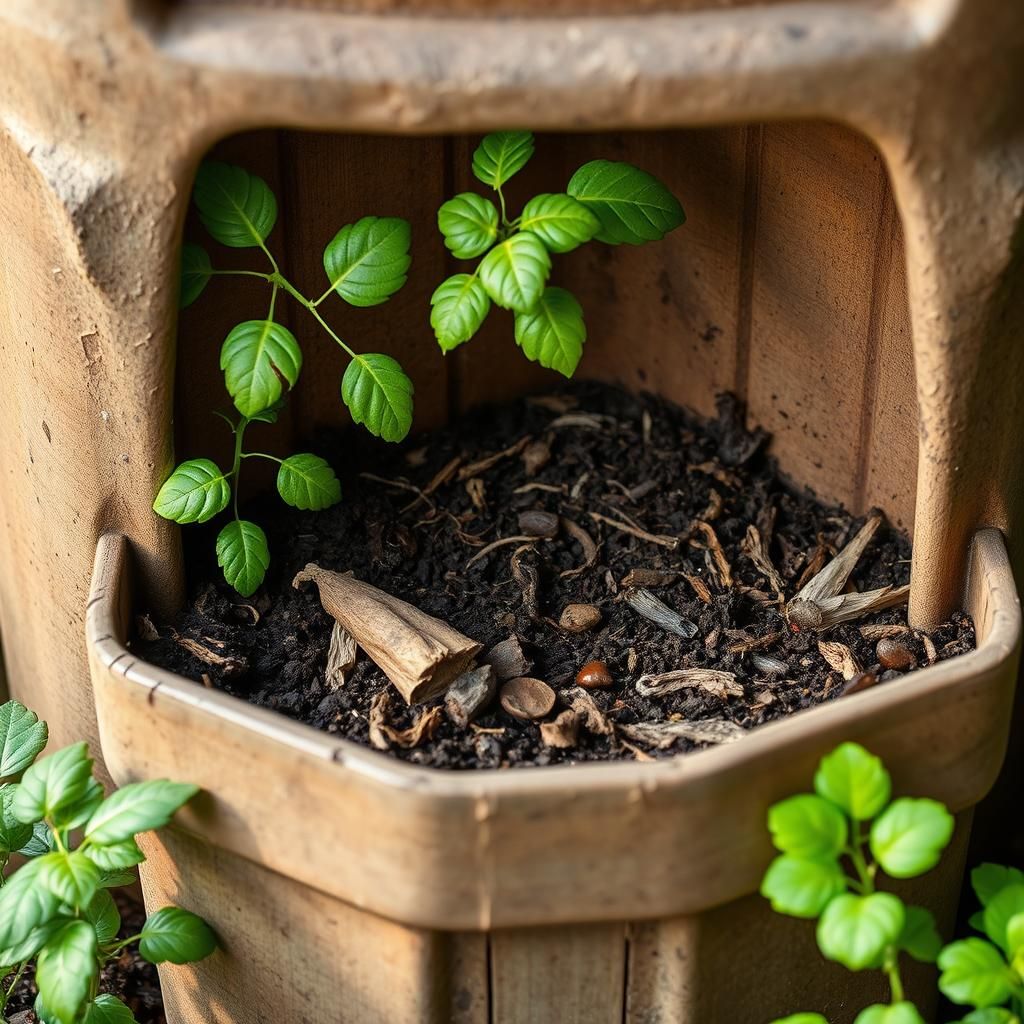
To create an effective compost bin, placing the right materials at the bottom is crucial for ensuring proper drainage and aeration. Typically, you should start with a layer of coarse materials like small branches, straw, or wood chips. These items allow air to circulate and help excess moisture drain away, preventing the compost from becoming too compacted and anaerobic. Additionally, incorporating a mix of green and brown materials in layers above this base helps maintain an optimal carbon-to-nitrogen ratio, promoting the breakdown of organic matter and enhancing the overall health of your compost.
Importance of Drainage
Implementing a well-draining layer at the bottom of your compost bin is essential to avoid waterlogging. When excess moisture accumulates, it can create anaerobic conditions that hinder the decomposition process, attracting pests and producing unpleasant odors. By using coarse materials like twigs or shredded cardboard, you allow for better airflow and moisture control, which are vital for a successful composting system.
Choosing Coarse Materials
The choice of coarse materials is pivotal for facilitating airflow within the compost bin. Items like small sticks, pine cones, and straw can effectively create gaps that enable air to circulate. This aeration is necessary for aerobic bacteria and microorganisms that break down organic waste efficiently. Always try to use materials that are readily available and non-toxic to ensure a safe composting environment.
Adding Green and Brown Materials
Once you have established the base layer with coarse materials, it's time to add green and brown materials. Green materials include nitrogen-rich items such as grass clippings, fruit scraps, or vegetable peels, while brown materials consist of carbon-rich options like dry leaves, cardboard, or newspaper. Balancing these two types of materials will optimize the composting process, as they work together to create heat and speed up decomposition.
See also:
Maintaining Airflow
Maintaining adequate airflow is critical for a successful compost bin. The proper placement of materials at the bottom helps establish a structure that allows air to flow freely throughout the compost. Aeration can be further enhanced by regularly turning your compost pile, which prevents compaction and ensures that all materials break down evenly. An effective composting system relies on consistent airflow to support the microorganisms essential for decomposition.
Common Mistakes to Avoid
One frequent mistake is not including enough coarse materials at the bottom of the compost bin, leading to poor drainage and excess moisture. Additionally, oversaturating the compost with too many greens can create imbalances that favor odor and pests. Avoiding these pitfalls by understanding the necessity of each layer and its components encourages a successful composting experience. Always remember to monitor your bin and adjust the materials as needed to maintain a balanced compost environment.
| Material Type | Examples | Benefits |
|---|---|---|
| Coarse Materials | Small branches, straw, wood chips | Enhances airflow and drainage |
| Green Materials | Grass clippings, fruit scraps | Nitrogen-rich, accelerates decomposition |
| Brown Materials | Dry leaves, cardboard | Carbon-rich, maintains balance in compost |
Choosing the Right Base Material for Your Compost Bin
To create a thriving compost ecosystem, it's essential to select the right base material for your compost bin. Common choices include brown materials like shredded leaves or cardboard, which provide carbon, and green materials such as kitchen scraps or grass clippings that supply nitrogen. A varied blend promotes aeration and balances the carbon-to-nitrogen ratio, ensuring that microorganisms can efficiently break down organic matter. Additionally, adding some soil or already-composted material can introduce beneficial microbes to kickstart the decomposition process. Consider the moisture levels and regularly mix the contents to maintain a healthy environment for composting.
Benefits of Using Brown Materials
Brown materials are rich in carbon, which is crucial for composting because it supports the microbial activity that breaks down organic waste. By incorporating items like dried leaves, straw, or cardboard, you create a balanced environment that enhances aeration. This not only helps in the efficient decomposition of the waste but also reduces any unpleasant odors that may arise. These materials decompose more slowly, contributing to a stable structure that maintains airflow within the compost bin.
The Role of Green Materials
Green materials provide essential nitrogen that fuels the growth and reproduction of microorganisms involved in composting. Items like fruit scraps, vegetable peels, and fresh grass clippings are great additions. Their higher moisture content also aids in the overall humidity of the compost pile, which is vital for the decomposition process. However, it’s important to balance the greens with browns to avoid a smelly pile that could attract pests.
See also:
Using Soil as an Addition
Incorporating a layer of soil or mature compost at the bottom of your compost bin can significantly enhance the composting process. Soil is teeming with beneficial microbes that can help kickstart the decomposition of organic materials. This addition not only boosts microbial activity but also helps to settle the initial layers, creating a healthy microhabitat for microorganisms to thrive. A small amount of soil added intermittently will also help maintain a balanced ecosystem.
Moisture Management in Your Compost Bin
Maintaining proper moisture levels is key to successful composting. The ideal moisture content is similar to a damp sponge—not too wet and not too dry. Regularly checking and adjusting moisture levels ensures that microorganisms can effectively break down materials. If your compost seems too dry, add some water or additional green materials; if it's too wet, incorporate more brown materials to absorb excess moisture. Aeration is also vital, so turning your compost regularly helps manage moisture and maintain an even composting process.
Layering Your Compost Ingredients
The technique of layering your compost ingredients is beneficial for establishing a good balance of greens and browns. Start with a base layer of coarse material to promote drainage, followed by alternating layers of green and brown materials. This layering helps in maintaining proper aeration while ensuring microbial activity remains high. By alternating the layers, you also prevent any one material from becoming too compact, allowing for better decomposition and a more effective composting process.
Questions from Our Readers
What should I put at the bottom of my compost bin?
To create an effective compost system, you should place a layer of browns (like small twigs or cardboard) at the bottom of your compost bin. This helps promote aeration and drainage, preventing the compost from becoming too wet and smelly.
Can I use kitchen scraps at the bottom of the compost bin?
It's generally best not to put kitchen scraps directly at the bottom of the compost bin, as they can create odors and attract pests. Instead, start with a base of browns to balance the moisture and allow for better decomposition.
See also:
How thick should the bottom layer be in my compost bin?
A thickness of about 3 to 6 inches of browns is recommended at the bottom of your compost bin. This allows for optimal airflow and helps the microorganisms break down the materials efficiently.
Can I add soil to the bottom of my compost bin?
Yes, adding a small amount of soil or finished compost can be beneficial at the bottom of your bin. It introduces helpful microbes that aid in the decomposition process, but it should not replace the necessary browns for aeration.
If you want to read more articles like What Do I Put at the Bottom of My Compost Bin? Essential Tips for Successful Composting, we recommend you check out our Compost category.
Leave a Reply
Related Articles