Discover the Best Color: What Color Should the Inside of a Greenhouse Be?

The color of a greenhouse's interior may seem like a minor detail, but it plays a crucial role in plant health and growth. The right color can enhance light distribution, temperature regulation, and even pest management. With various options to choose from, including white, green, and reflective materials, each color presents unique benefits and challenges. This article delves into the science behind greenhouse interior colors, exploring how each hue impacts photosynthesis, plant development, and overall yields. Discover which colors can help create the ideal environment for your plants, ensuring they thrive in a well-managed greenhouse setting.
- What Color Should the Inside of a Greenhouse Be?
- What is the best color for the inside of a greenhouse?
- Is it better for a greenhouse to be clear or green?
- What color of light should be in a greenhouse?
- What color should a greenhouse be?
- Questions from Our Readers
- What color should the inside of a greenhouse be for optimal light reflection?
- Does the color of the interior affect the temperature in a greenhouse?
- Are there any benefits to using colored paint inside a greenhouse?
- Should I consider the type of plants when choosing the interior color of my greenhouse?
What Color Should the Inside of a Greenhouse Be?
The color of the inside of a greenhouse is crucial as it can significantly influence the growth of plants. Generally, a white or light color is recommended for the interior surfaces. This is because lighter colors enhance light reflection, making the environment brighter and allowing for better photosynthesis. Furthermore, a white interior can help in maintaining an even temperature, as it reflects light and minimizes heat absorption. In contrast, darker colors may absorb too much heat and light, potentially creating an unbalanced environment for various plants. Thus, choosing the right color can contribute to a more productive and healthy greenhouse.
Benefits of a Light-Colored Interior
A light-colored interior in a greenhouse enhances light distribution, which is essential for plant growth. When the walls and ceilings are painted white or another light color, sunlight can reflect off these surfaces, increasing the overall light intensity available to plants. This is particularly beneficial during the shorter days of winter when natural sunlight is limited. Enhanced light levels promote better photosynthesis, leading to healthier plants and potentially higher yields.
Impact on Temperature Regulation
The color of the greenhouse interior also affects temperature regulation. Light colors reflect more sunlight and heat, helping maintain a cooler environment during hot days. On the other hand, darker colors absorb more heat, which could lead to overheating. Maintaining an optimal temperature is critical for plant health, as excessive heat can stress plants and impair their growth. Therefore, choosing a light color helps ensure a consistent, moderate temperature that supports plant development.
Considerations for Specific Plants
Different plants have varying light requirements, which can influence the ideal interior color for a greenhouse. For instance, plants that thrive in low light conditions might benefit from a light interior to maximize the available light, while some hardy species that can tolerate more heat might cope better in slightly darker conditions. Understanding the needs of specific plants allows for better design choices regarding interior color, promoting a more tailored environment for diverse plant species.
Potential Drawbacks of Dark Colors
Using dark colors for the interior of a greenhouse can present several challenges. Dark surfaces tend to absorb more heat, leading to potential overheating, especially during the summer months. This can create a stressed environment for plants, as many species prefer moderate temperatures. Moreover, dark interiors may reduce the amount of reflected light available to plants, which can hinder their growth and overall productivity. It is essential to consider these drawbacks before opting for darker colors.
Maintenance and Cleaning Considerations
The choice of color for a greenhouse interior also affects maintenance and cleaning. Light colors, while beneficial for reflecting light, may require more frequent cleaning to maintain their effectiveness. Dust and dirt can accumulate on white surfaces, which might impede light reflection if left unaddressed. In contrast, darker colors may show less dirt but can also absorb heat, leading to maintenance challenges regarding temperature control. Regular cleaning and maintenance practices should be incorporated into the greenhouse management routine, regardless of the chosen color.
| Color | Benefits | Drawbacks |
|---|---|---|
| White | Reflects light, enhances light levels, maintains moderate temperatures | Needs frequent cleaning |
| Light Colors | Increases light distribution, suitable for most plants | Can show dust and dirt easily |
| Dark Colors | Potentially absorbs heat (might suit heat-loving species) | Can lead to overheating, reduces light availability |
What is the best color for the inside of a greenhouse?
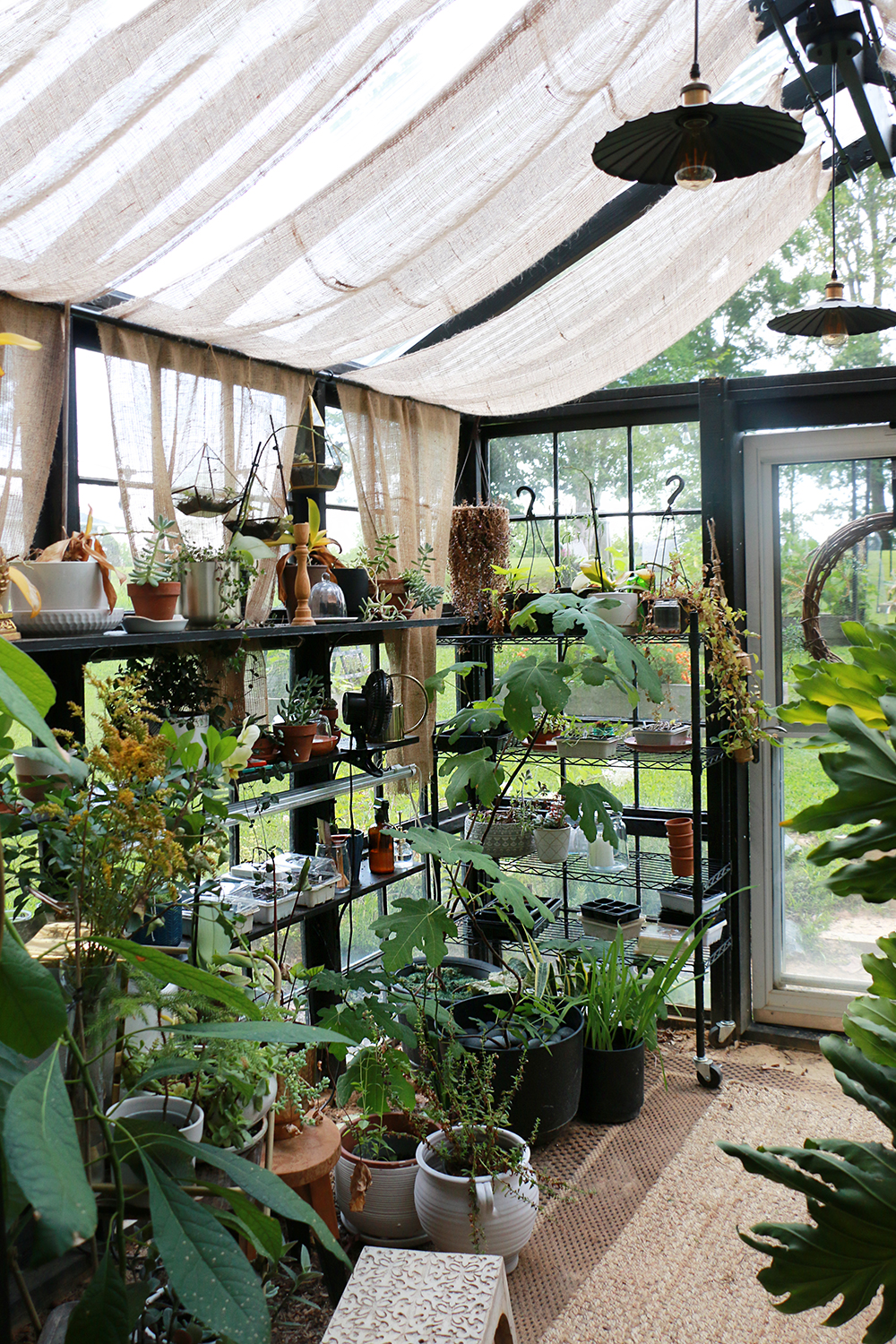
The best color for the inside of a greenhouse typically depends on the specific goals of the gardener, such as maximizing light absorption, heat retention, or aesthetic appeal. However, a commonly recommended color is white, primarily because it offers a variety of benefits that enhance plant growth and improve conditions inside the greenhouse.
Role of Color in Light Refraction
Color plays a crucial role in how light is refracted and absorbed within a greenhouse. When the interior surfaces are painted white:
- Light Reflection: White surfaces reflect more light, ensuring that plants receive better light distribution.
- Reduced Shadows: The reflective surfaces help minimize shadows, allowing plants to absorb light from multiple angles.
- Enhanced Photosynthesis: By maximizing light availability, plants can perform photosynthesis more efficiently.
Impact on Temperature Control
The color of the interior also influences temperature regulation within the greenhouse:
- Heat Retention: White interiors can help maintain stable temperatures by reflecting excess heat during daylight.
- Cooling Effect: During warmer months, a white interior can reflect sunlight, keeping the environment cooler.
- Even Distribution: The color aids in achieving an even temperature by reducing hot spots within the greenhouse.
Aesthetic Considerations
Aesthetics can also play a role in the choice of color for the interior of a greenhouse:
See also:
- Visual Appeal: A clean, bright white interior can create a more pleasant atmosphere for gardeners.
- Psychological Benefits: Bright spaces can enhance mood and reduce fatigue, benefiting those spending extended time inside.
- Contrast with Plants: White contrasts nicely with greenery, making it easier to spot issues with plant health.
Maintenance and Durability
The choice of color affects the maintenance needs of the greenhouse space:
- Cleaning Ease: White surfaces make it easier to identify and clean dirt or algae buildup.
- Durable Coatings: Using durable, weather-resistant white paint can prolong the lifespan of the interior finish.
- Regular Upkeep: Although white might require more frequent cleaning, its benefits often outweigh the additional maintenance.
Alternatives to White Interiors
While white is often recommended, there are alternatives that some gardeners may consider:
- Light Pastels: Soft pastel colors can provide some of the reflective benefits without the harsh brightness of white.
- Green Shades: Some choose light green, which integrates well with foliage and has a calming effect.
- Paneling Options: Consider clear or translucent panels that allow for natural light while providing a different aesthetic and insulation properties.
Is it better for a greenhouse to be clear or green?

When deciding whether a greenhouse should be clear or green, various factors come into play including light penetration, temperature control, and aesthetic considerations. Generally, clear greenhouses are considered more effective for plant growth due to enhanced light transmission, which is critical for photosynthesis. In contrast, green-greenhouses can help regulate temperature and reduce the intensity of direct sunlight but may limit the amount of light reaching the plants.
Light Transmission
The amount of light that penetrates a greenhouse is crucial for the growth of plants.
- Clear greenhouses allow maximum light transmission, which is essential for photosynthesis.
- Green materials might filter some wavelengths of light, potentially reducing the effectiveness of photosynthesis.
- Some plants require specific light conditions, making clear greenhouses more suitable for them.
Temperature Control
Temperature regulation is another important factor when considering greenhouse materials.
- Green greenhouses can help keep temperatures lower by reflecting some sunlight, which may be beneficial in hot climates.
- This can reduce heat stress on plants, allowing for better overall growth.
- However, in cooler climates, clear greenhouses can help retain heat, as they absorb and trap warmth more effectively.
Cost and Durability
When selecting materials for greenhouses, investment and lifespan are essential considerations.
- Clear greenhouse plastics are often made from UV-resistant materials, providing durability.
- Green materials may vary in durability, and cheaper options may not last as long.
- The initial cost of clear greenhouse structures may be higher, but they often provide better long-term value.
Aesthetics
The visual appeal of a greenhouse can influence its placement and design.
- Clear greenhouses offer a modern aesthetic, which can complement various landscape designs.
- Green options may blend better with outdoor surroundings but can appear more traditional or less transparent.
- Ultimately, the choice depends on personal preference and how the greenhouse fits into the overall garden design.
Plant Diversity and Specific Needs
Different plants have varying light and temperature requirements.
- Some tropical plants thrive better in a clear greenhouse where they have access to abundant light.
- Shade-loving plants may benefit from the partial blocking of light offered by a green greenhouse.
- Choosing the right option depends on the specific plant species being cultivated.
What color of light should be in a greenhouse?
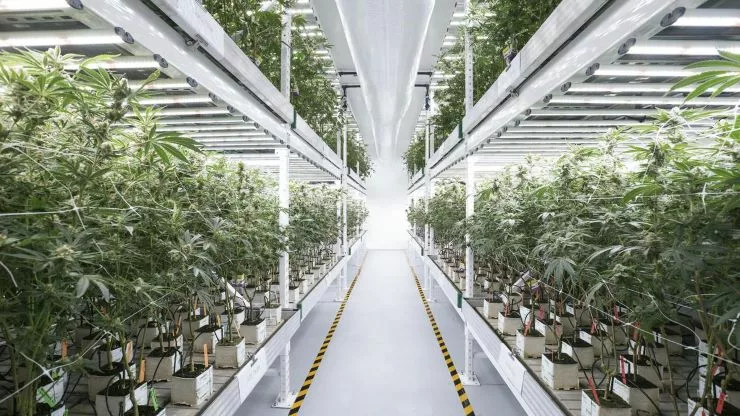
Understanding Plant Light Requirements
Plants require specific light conditions to thrive, and understanding these needs is crucial for greenhouse success. Light influences photosynthesis, germination, flowering, and overall growth. The appropriate light spectrum can affect different physiological processes in plants.
- Photosynthesis: Plants primarily absorb blue and red light for photosynthesis.
- Growth Stages: Different stages of growth may require varying light colors.
- Spectral Quality: The spectral quality of light impacts plant morphology and yield.
The Role of Blue Light in Growth
Blue light is essential for vegetative growth, promoting strong leaf and stem development. In a greenhouse setting, having an adequate amount of blue light can lead to healthier plants that can withstand stress and produce better yields.
See also:
- Stem Elongation: Blue light helps control stem elongation, preventing plants from becoming leggy.
- Chlorophyll Production: It enhances chlorophyll concentration, which is necessary for efficient photosynthesis.
- Leaf Expansion: Blue light encourages broader leaf growth, increasing the surface area for light absorption.
The Importance of Red Light for Flowering
Red light plays a vital role in the flowering and fruiting phases of plants. By providing the correct spectrum of red light within the greenhouse, growers can ensure that their plants bloom at the right time, maximizing their overall productivity.
- Flower Initiation: Red light promotes the transition from vegetative growth to flowering.
- Fruit Development: Adequate red light can improve the quality and quantity of fruit produced.
- Photoperiodism: It affects flowering times in plants sensitive to day length.
Balancing Light Colors for Optimal Growth
For optimal growth in a greenhouse, a balance between blue and red light is essential. Using a combination of light colors can help to create an environment that mimics outdoor conditions while still being controlled and efficient.
- Light Ratios: A balance of ~70% red light and ~30% blue light is commonly recommended.
- Varietal Needs: Different plant species may require slightly different light ratios.
- Growth Phases: Adjusting light ratios at various growth stages can improve results.
Using Artificial Lighting in Greenhouses
To meet the light requirements of plants, many growers install artificial lighting systems in greenhouses. LED lights are popular due to their efficiency and ability to provide specific light spectrums needed for plant growth.
- Energy Efficiency: LED lights consume less energy compared to traditional grow lights.
- Customizable Spectrums: Growers can select or adjust the light spectrum to match plant needs.
- Long Lifespan: LEDs typically have a longer lifespan than other types of grow lights, reducing replacement costs.
What color should a greenhouse be?
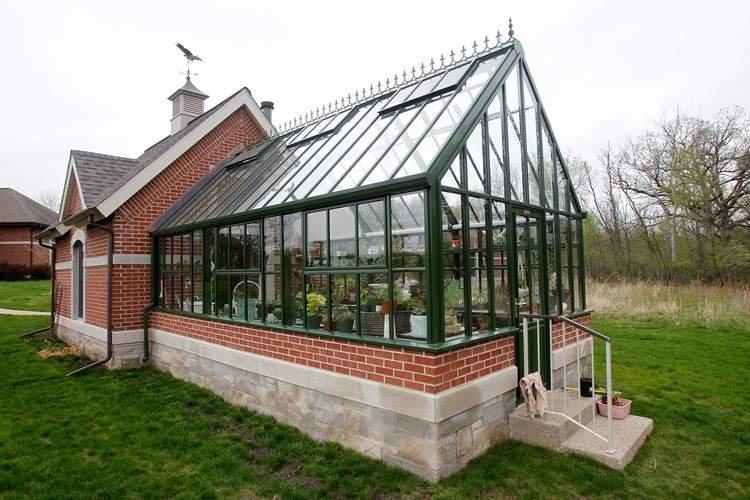
To determine the most suitable color for a greenhouse, it’s essential to understand the implications of color on plant growth and environmental conditions. The color of a greenhouse affects the amount of sunlight that enters, the temperature inside, and the overall growth conditions for plants. Here are some considerations regarding popular colors for greenhouses:
1. Green: A Natural Choice
The color green is often recommended for greenhouses because it blends well with the natural environment. Its reflective properties can help minimize light intensity, which is particularly beneficial in warmer climates.
- Reduces light scatter: Green materials reflect green light while absorbing others, which can reduce excessive light.
- Enhances aesthetics: A green greenhouse fits seamlessly in a garden, creating a pleasant visual appeal.
- Promotes harmony: Plants may thrive feeling less stressed in a naturally colored environment.
2. White: For Maximum Light Reflection
White greenhouses reflect sunlight exceptionally well, making them ideal in regions where heat management is crucial. This color can help keep the interiors cooler.
- Effective temperature control: White surfaces help lower the internal temperature, preventing overheating.
- Increased light levels: Reflection of sunlight can promote higher light levels, aiding younger plants that require more light for growth.
- Durability: White polyethylene coverings can withstand UV rays effectively, extending the life of the materials used.
3. Clear: Transparency for Natural Growth
Using clear materials allows maximum light penetration, which is essential for many plants. While not technically a color, transparent greenhouses enable unobstructed sunlight access.
- Optimal light availability: Clear panels can transmit up to 90% of sunlight, essential for full sun-loving plants.
- Versatile usage: Clear greenhouses can be used for various plant types, including seedlings and tropical plants.
- Monitoring growth: Transparency allows for easy observation of plant health and progress.
4. Black: Heat Retention
A black greenhouse absorbs heat effectively, which can create a warmer environment that is beneficial for certain heat-loving plants during cooler months.
- Enhanced warmth: Black materials help in retaining heat, thus creating a warmer microclimate.
- Reduced condensation: It minimizes likelihood of condensation forming inside the greenhouse, which can be detrimental to certain crops.
- Energy efficiency: By using less energy for heating, a black greenhouse can be more sustainable in specific contexts.
5. Blue: A Unique Option for Specific Needs
Some greenhouses utilize blue hues to enhance growth for particular plant species, as blue can stimulate photosynthesis and improve plant vitality.
- Growth stimulation: Studies show that blue light can encourage more vigorous growth in some plants.
- Visual appeal: Blue can act as a calming aesthetic, potentially improving the gardener's experience.
- Diversity in use: Ideal for niche markets like hydroponics or aquaponics industries that require controlled environments.
Questions from Our Readers
What color should the inside of a greenhouse be for optimal light reflection?
White is often recommended for the inside of a greenhouse because it reflects light effectively, helping to maximize the amount of sunlight that reaches your plants. This reflection can enhance photosynthesis and promote healthier growth.
Does the color of the interior affect the temperature in a greenhouse?
Yes, the color of the interior can significantly influence the temperature inside a greenhouse. Lighter colors, like white or light green, tend to reflect more sunlight, keeping the greenhouse cooler, while darker colors, such as black, absorb heat and can raise the temperature inside.
See also:
Are there any benefits to using colored paint inside a greenhouse?
Using colored paint inside a greenhouse can offer several benefits, including improved aesthetics and potentially even pest control. Certain colors may deter pests or cater to the types of plants being grown, allowing for better alignment with specific growing conditions.
Should I consider the type of plants when choosing the interior color of my greenhouse?
Yes, the type of plants you're growing can influence your choice of interior color. For example, light colors may be more suitable for plants that require high light levels, while darker shades might be beneficial for plants that prefer or tolerate lower light conditions.

If you want to read more articles like Discover the Best Color: What Color Should the Inside of a Greenhouse Be?, we recommend you check out our Greenhouse category.
Leave a Reply
Related Articles