What Color Does Soil Look Like If It's Healthy? Discover the Signs of Fertile Soil

Soil health is a critical factor in achieving robust plant growth and sustainable agriculture. But how can we determine if the soil is truly fertile? One of the key indicators lies in its color. Rich, healthy soil often exhibits a range of hues, each signifying specific nutrients and organic matter content. In this article, we will explore the various colors of healthy soil and what they reveal about its fertility. By understanding these visual cues, gardeners and farmers alike can make informed decisions to enhance soil quality and promote vigorous plant development. Discover the signs of fertile soil and ensure your land thrives.
What Does Healthy Soil Color Indicate?
Healthy soil typically exhibits a rich, dark brown or black color, which is primarily attributed to the presence of organic matter such as decomposed plants and other organisms. This darker hue not only signifies good levels of nutrients but also implies that the soil has a balanced structure that supports water retention and enhances microbial activity. Conversely, lighter soils, such as pale brown or grey, can indicate a deficiency in organic matter or an overly sandy composition, which may lead to poor water drainage and reduced fertility. Therefore, observing the soil's color can provide valuable insights into its overall health and fertility potential.
Factors Affecting Soil Color
Soil color is influenced by several factors, including the mineral composition, moisture content, and organic matter levels. For instance, soil high in iron oxides tends to appear reddish, while soils in waterlogged conditions may develop a grey or bluish tint due to reduced oxidation-reduction processes. Organic matter, which gives soil its dark color, plays a critical role in determining overall health; thus, variations in these factors can significantly alter the visual appearance of soil.
Soil Color and Nutrient Availability
The color of soil can also reflect its nutrient availability. Dark soils are often rich in nutrients, primarily due to their higher organic matter content, which is essential for supporting plant growth. In contrast, lighter soils, such as sandy or chalky soils, may lack nutrient density and exhibit poor agricultural potential. Hence, examining the soil's color can serve as an initial indicator for assessing its capacity to support diverse plant life.
Identifying Soil Types by Color
Different soil types can be identified and categorized based on their colors. For example, clay soils tend to have a darker hue due to their high organic content, while sandy soils usually present a lighter, more golden color due to the minimal organic matter present. Silt soils, which possess a finer texture, often appear darker than sand but lighter than clay. Understanding these color variations helps in determining soil type and its applicable uses in agriculture and gardening.
Color Changes and Soil Health
Monitoring changes in soil color can indicate shifts in soil health over time. For instance, if healthy dark soil transitions to a lighter shade, it could signal depletion of organic matter or nutrient loss, which may affect crop yields. Early detection of these color changes enables effective management practices like incorporating compost or cover crops to restore soil vitality.
Soil Color Testing Methods
Various methods exist for testing soil color, including the Munsell Soil Color Chart, which provides a standardized way to identify and classify soil colors accurately. This tool helps researchers, farmers, and agronomists evaluate soil conditions more effectively. Moreover, digital imaging technologies are increasingly being used to assess soil color and quality in real-time, providing a more precise analysis for better land management practices.
| Soil Color | Possible Implications |
|---|---|
| Dark Brown/Black | High organic matter, nutrient-rich |
| Red | High iron content |
| Grey/Blue | Waterlogged, reduced oxidation |
| Pale Brown | Low organic matter, nutrient-deficient |
| Yellow | Weathered minerals, possible acidity |
How can I tell if my soil is healthy?

To determine if your soil is healthy, several key indicators can be assessed. Healthy soil is crucial for proper plant growth, water retention, and overall ecosystem balance. Here are some of the most effective methods to evaluate your soil health.
Visual Indicators
Observing the visual characteristics of your soil can provide initial insights into its health.
See also:
- Color: Healthy soil typically has a rich, dark color, indicating the presence of organic matter.
- Texture: Soil should feel crumbly and well-aerated rather than compacted and hard.
- Moisture: Healthy soil retains moisture but not to the extent that it becomes waterlogged.
Soil pH Testing
Soil pH is a critical factor for plant health, affecting nutrient availability.
- Acidity/Alkalinity: A pH level between 6.0 and 7.5 is generally optimal for most crops.
- Testing Kits: You can use home testing kits or send samples to a lab for precise pH measurement.
- Adjustments: If the pH is too low or high, amendments such as lime or sulfur can be added to adjust it.
Organic Matter Content
The presence of organic matter is vital for nutrient retention and soil structure.
- Compost: Amendments like compost can enhance organic content and promote microbial health.
- Earthworms: A high population of earthworms is indicative of healthy, organic-rich soil.
- Humus: Dark, crumbly humus is a sign of well-decomposed organic matter and active soil biology.
Soil Structure
The physical structure of soil affects root growth and water permeability.
- Aggregates: Healthy soil should form aggregates, allowing for air and water flow.
- Compaction: Avoid overly compacted soil, which can hinder root development and water absorption.
- Soil Layers: Look for distinct layers; a variety of textures can indicate a diverse and healthy soil profile.
Biological Activity
Examining biological activity in the soil is crucial for identifying its health.
- Microbial Life: Healthy soil contains a diverse array of microorganisms that aid in nutrient cycling.
- Plant Growth: Vibrant plant growth and a variety of species are signs of beneficial soil microbiomes.
- Decomposition: A presence of decomposing organic materials indicates active biological processes.
What color of soil indicates poor drainage?
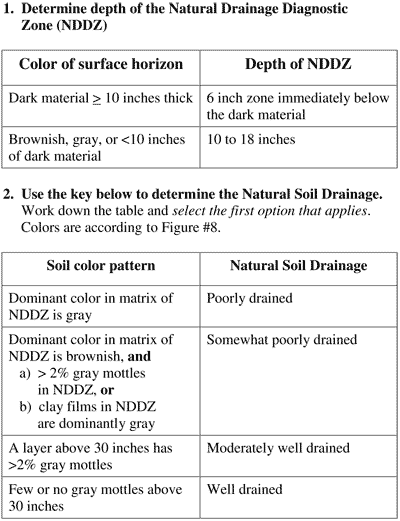
The color of soil that indicates poor drainage is typically a gray or blue hue, often accompanied by a layer of mottled colors that suggest the presence of saturation. Soil that remains consistently wet lacks aeration, leading to reduced oxygen availability for plant roots and resulting in the grayish appearance from the reduction of iron compounds when soil is waterlogged.
Understanding Soil Color
Soil color is a crucial factor in understanding its physical and chemical properties. Factors like organic matter, mineral content, and moisture levels influence the color of the soil.
- Iron Oxides: The presence of iron oxides can mean good drainage, while reduced iron colors the soil gray.
- Organic Matter: Dark soils rich in organic matter usually drain well, while light-colored soils can indicate leaching.
- Moisture Levels: Consistently wet soils tend to exhibit grayish tones due to lack of oxygen.
Implications of Poorly Drained Soil
Poorly drained soils can lead to a range of agricultural and ecological problems. Excessive moisture restricts root growth and promotes diseases in plants.
- Disease Proliferation: Waterlogged conditions can encourage fungal growth and root rot.
- Root Damage: Saturated soils can suffocate roots, leading to plant stress.
- Limited Nutrient Uptake: Poor drainage can inhibit nutrient availability to plants.
Identifying Poor Drainage in the Field
Farmers and gardeners often look for specific indicators in the field to determine if the soil is poorly drained. The visual appearance and texture are critical elements.
- Mottling: Irregular color patterns in soil can signal fluctuating water levels.
- Texture Examination: Clay-rich soils tend to retain more water compared to sandy soils.
- Water Pools: The formation of standing water after rain is a clear sign of poor drainage.
Management Practices for Poorly Drained Soil
To improve poorly drained soil conditions, specific management practices can be implemented. These strategies help enhance soil structure and drainage capacity.
See also:
- Amendments: Adding organic materials like compost can improve drainage in heavy soils.
- Drainage Systems: Installing tile drains or ditches can help redirect excess water.
- Crop Rotation: Certain crops can help improve soil structure and drainage over time.
Long-term Effects of Poor Drainage
Long-term poorly drained soils can lead to significant ecological changes, affecting not just the immediate area but also the surrounding ecosystems.
- Soil Erosion: Saturated soils are more prone to erosion, leading to loss of topsoil.
- Reduction in Biodiversity: Saturated conditions can limit plant diversity and associated wildlife.
- Changes in Soil Chemistry: Poor drainage can lead to nutrient leaching and imbalanced pH levels.
What is the best indicator of healthy soil?
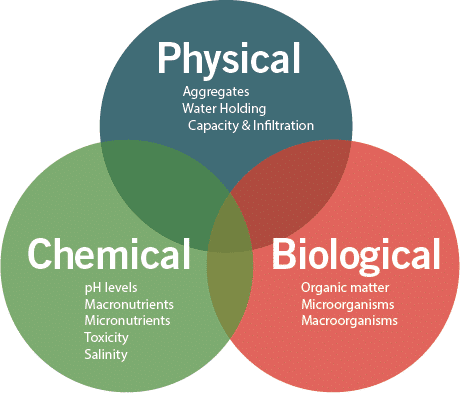
The best indicator of healthy soil is typically considered to be its biodiversity, particularly the presence and abundance of soil organisms. A healthy soil system supports a myriad of life forms, which are crucial for maintaining soil structure, nutrient cycling, and overall ecological balance. Soil biodiversity includes bacteria, fungi, protozoa, earthworms, and many other organisms that play key roles in nutrient availability and soil structure.
Soil Structure
Soil structure refers to the arrangement of soil particles and the spaces between them. Healthy soil has a well-developed structure that allows for good aeration, water retention, and root penetration. A crumb-like structure, often associated with healthy soils, is essential for sustaining the organisms that inhabit the soil.
- Aggregates: The formation of soil aggregates helps improve aeration and reduces compaction.
- Porosity: A well-structured soil has spaces or pores that hold air and water, crucial for plant roots.
- Root penetration: Healthy soil structure allows roots to grow deeper, accessing more nutrients and water.
Nutrient Availability
Nutrient availability in soil is essential for supporting plant growth. Healthy soils have a good balance of macro and micro-nutrients, which plants need to thrive. Soil that can efficiently supply essential nutrients is indicative of its health.
- Macro-nutrients: Elements like nitrogen, phosphorus, and potassium play vital roles in plant health.
- Micro-nutrients: Zinc, iron, and magnesium are also necessary in smaller amounts for various plant functions.
- Cation exchange capacity: A higher capacity indicates the soil’s ability to hold and supply nutrients to plants.
Organic Matter Content
High levels of organic matter in soil, such as decomposed plant and animal residues, are a strong indicator of soil health. Organic matter improves soil structure, increases nutrient retention, and enhances water-holding capacity.
- Soil fertility: Organic matter boosts fertility by providing essential nutrients as it decomposes.
- Water retention: Organic matter can significantly improve a soil's ability to retain moisture.
- Biodiversity support: It serves as a habitat and food source for a variety of soil microorganisms.
Soil pH Level
Soil pH is another critical factor in determining soil health. It affects nutrient availability and microbial activity. Most plants thrive in slightly acidic to neutral soils (pH 6.0 to 7.5). A soil's pH level can influence its overall health and productivity.
- Nutrient availability: Specific nutrients become more or less available to plants depending on the pH level of the soil.
- Microbial activity: Soil microorganisms are often most active in neutral pH conditions.
- Plant growth: Plants may show deficiency symptoms if the soil pH is too high or too low.
Soil Moisture Levels
Soil moisture is vital for all biological activities in the soil. Healthy soil maintains an adequate level of moisture, which is essential for plant growth, microbial activity, and soil structure.
- Water retention capacity: Healthy soils are capable of holding enough moisture without becoming waterlogged.
- Drainage: Proper drainage ensures that excess water doesn’t harm plant roots and soil organisms.
- Microbial functioning: Sufficient moisture levels support active microbial communities essential for nutrient cycling.
Questions from Our Readers
What color does healthy soil typically exhibit?
Healthy soil usually presents a dark brown or black color, which indicates a high level of organic matter. This richness in organic material is essential for providing nutrients to plants and sustaining life in the soil ecosystem.
Can healthy soil have different colors?
Yes, healthy soil can vary in color depending on its mineral content and location. While dark hues are common, other shades like red, yellow, or gray can also indicate healthy soil conditions if the necessary nutrients and moisture levels are present.
See also:
How can you tell if soil is healthy apart from its color?
Aside from color, healthy soil can be identified by its texture, structure, and smell. Soil that crumbles easily, has a pleasant earthy odor, and supports a diversity of organisms, such as earthworms, often indicates good health.
Does the color of soil affect plant growth?
Yes, the color of soil can impact plant growth. Darker soils generally absorb more heat and retain moisture better, thereby promoting healthier plant growth. However, soil color alone does not determine health; proper nourishment and drainage are equally important.

If you want to read more articles like What Color Does Soil Look Like If It's Healthy? Discover the Signs of Fertile Soil, we recommend you check out our Soil category.
Leave a Reply
Related Articles