What Can Be Some Negative Effects of Irrigation? Exploring Environmental and Economic Consequences
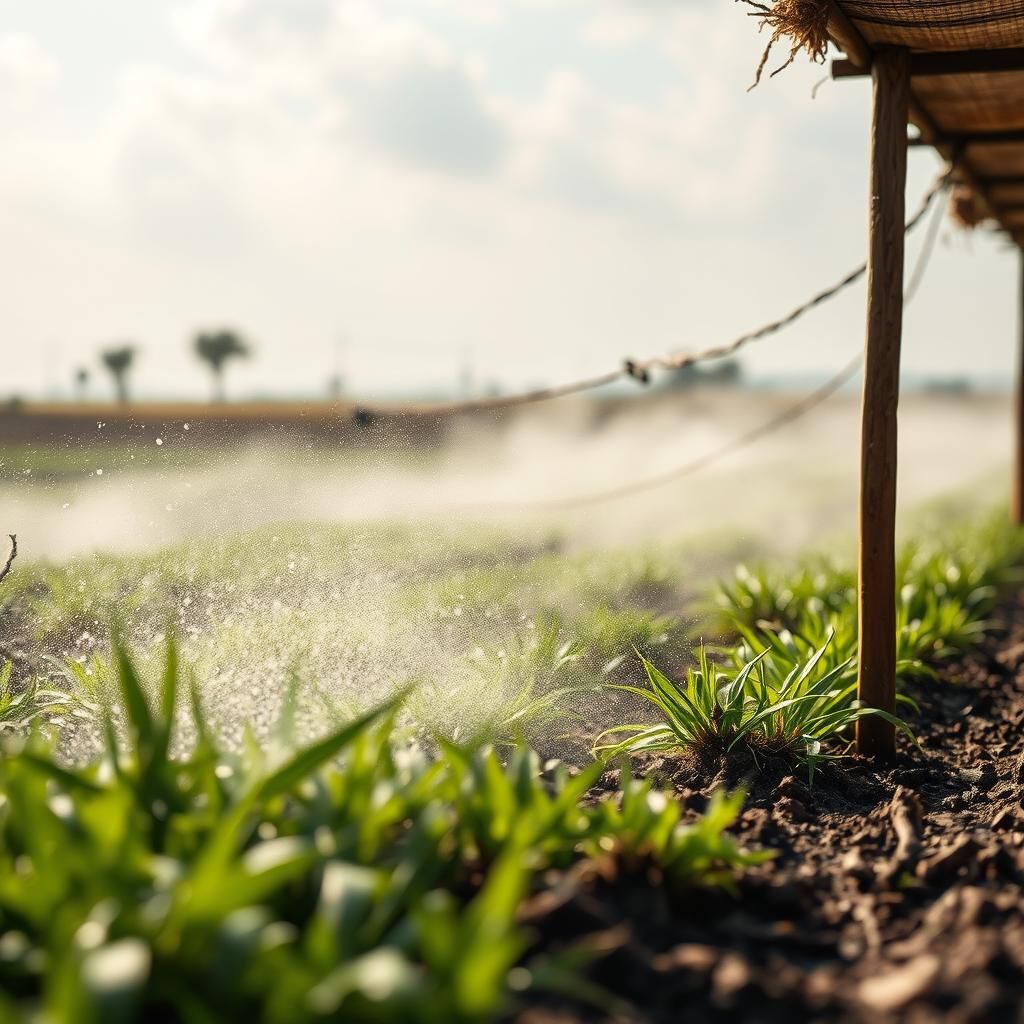
Irrigation has long been hailed as a crucial agricultural practice that sustains crops and boosts food production. However, beneath its benefits lie a range of negative effects that can impact both the environment and the economy. This article delves into the potential drawbacks of irrigation systems, including soil degradation, water quality issues, and the economic burdens on farmers and communities. By exploring these consequences, we can better understand the complexities of irrigation and its broader implications for sustainable agriculture and water management. As the world grapples with climate change and resource scarcity, reevaluating irrigation practices becomes increasingly imperative.
Negative Effects of Irrigation
Irrigation, while crucial for agricultural productivity, can lead to several negative effects that impact both the environment and farming practices. One significant issue is the salinization of soil, where the accumulation of salts due to excessive water application can render the land unproductive. This problem is exacerbated in arid regions where evaporation rates are high, leading to waterlogging and a decrease in soil health. Additionally, over-reliance on irrigation may disrupt local ecosystems, affecting the natural water cycle and causing habitats to deteriorate. The impact of irrigation practices can also contribute to social inequalities as access to water resources often favors larger landowners, leaving small farmers at a disadvantage.
Salinization of Soil
Salinization occurs when salts build up in the soil, often as a result of inappropriate irrigation practices. This process can severely affect soil chemistry and structure, leading to decreased soil fertility and crop yield. When water is applied to crops faster than it can evaporate or is taken up by plants, salts accumulate, forming a crust on the soil surface. This not only makes it difficult for plants to absorb water but can also lead to the need for additional soil amendment practices, further complicating agricultural efforts.
Waterlogging
Waterlogging is another detrimental effect of improper irrigation, where excess water saturates the soil and fills the spaces between soil particles. This condition prevents oxygen from reaching plant roots, resulting in root rot and the overall decline of plant health. Farmers may observe reduced crop yields and increased susceptibility to diseases, making the crop less viable. Moreover, waterlogged fields can create favorable conditions for pests, further complicating agricultural management.
Impact on Local Ecosystems
Irrigation can significantly alter local ecosystems, particularly when it diverts water from natural bodies such as rivers or wetlands. This diversion can reduce biodiversity and disrupt local habitats by lowering water levels and altering the chemistry of the surrounding soil and waterways. Consequently, essential services provided by these ecosystems—like water filtration and carbon storage—are diminished, creating cascading effects on plant and animal life. The decline in local biodiversity can also affect local fishing industries and tourism, leading to economic implications for communities.
Access to irrigation can disproportionately benefit larger landowners, creating social inequalities among farmers. Larger operations may have the resources to access water more easily, while smaller farmers often struggle to obtain sufficient water for their crops. This disparity can lead to economic challenges for less affluent farmers, including limited yields and increased production costs. Consequently, small-scale farms may face the threat of losing their livelihood, leading to further rural poverty.
Overuse of Water Resources
The overuse of water for irrigation not only depletes local aquifers but can also lead to regional water scarcity. As demand for water rises, especially in agriculture, it puts stress on limited freshwater resources, leading to conflicts over water rights. Unsustainable irrigation practices contribute to the depletion of rivers and lakes, forcing communities to confront the reality of diminishing water supplies. This situation often requires significant changes to irrigation strategies and the adoption of more sustainable practices to ensure water remains available for future generations.
| Negative Effect | Description |
|---|---|
| Salinization | Accumulation of salts leads to decreased soil fertility. |
| Waterlogging | Excess water saturates soil, preventing oxygen access to roots. |
| Environmental Impact | Disruption of ecosystems due to water diversion. |
| Social Inequalities | Disparities in water access favor larger landowners. |
| Resource Overuse | Depletion of aquifers leads to regional water scarcity. |
What are the negative effects of irrigation?
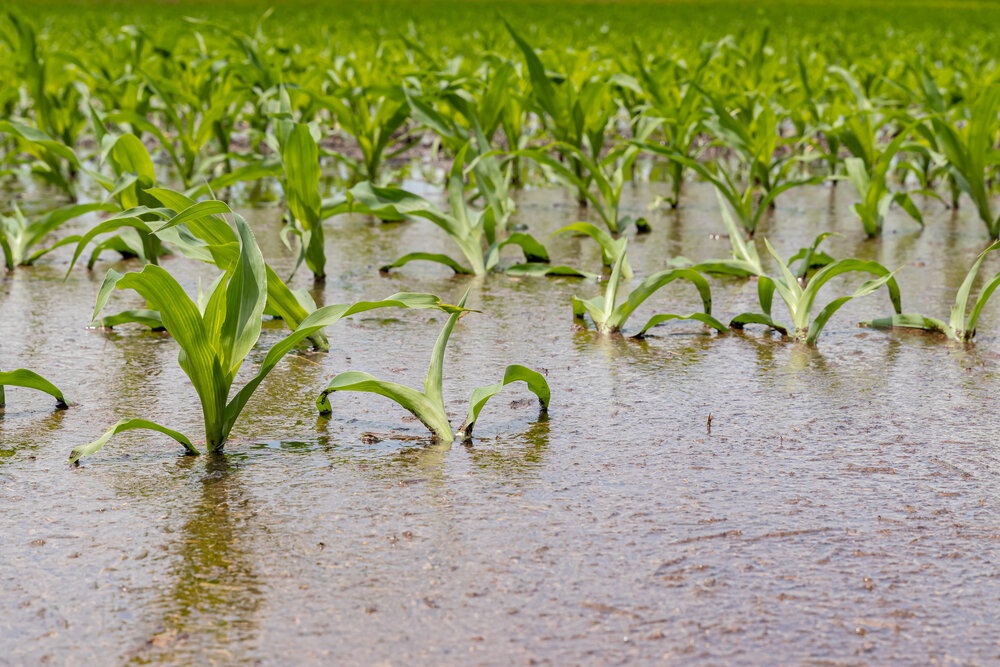
Irrigation plays a crucial role in agriculture, helping to ensure that crops receive sufficient water for growth. However, it is accompanied by various negative effects that can impact both the environment and agricultural sustainability. Below are some of the primary negative effects of irrigation.
Soil Salinization
Irrigation can lead to soil salinization, a process where salts accumulate in the soil due to improper water management. This occurs primarily when irrigation water evaporates, leaving behind salts that were dissolved in the water.
- Salts can hinder plant growth and reduce crop yields.
- Salinized soils may require costly amelioration techniques to restore fertility.
- Excess salts can contaminate groundwater systems, affecting drinking water quality.
Waterlogging
Another significant negative effect of irrigation is waterlogging, a condition resulting from excessive irrigation that saturates the soil. This occurrence can limit oxygen availability to plant roots, leading to various problems.
- Waterlogged soils can cause root rot and ultimately lead to crop failure.
- This condition can alter the microbial environment in the soil, negatively affecting nutrient availability.
- Persistent waterlogging can reduce the operational and economic efficiency of agricultural land.
Pest and Disease Proliferation
Irrigation can create a favorable environment for pests and diseases, as many pests thrive in moist conditions.
- Higher moisture levels can increase the populations of pests that damage crops.
- Diseases such as rot and blight may become more prevalent, leading to greater dependency on pesticides.
- This could lead to chemical resistance among pests, complicating future pest management efforts.
Alteration of Natural Water Systems
Irrigation systems can drastically alter natural water systems, affecting local ecosystems, hydrology, and biodiversity.
See also:
- Water diversion may lead to the depletion of rivers and lakes, affecting aquatic habitats.
- Changes in water flow can disrupt the natural migration patterns of fish and other organisms.
- Altered ecosystems may reduce biodiversity, leading to imbalances in local flora and fauna.
Increased Dependency on Water Resources
Irrigation leads to an increased dependency on water resources, which can strain available supplies, especially in arid regions.
- Over-extraction of water can lead to groundwater depletion, affecting future agricultural productivity.
- This dependency can create conflict over water resources among different agricultural sectors, local communities, and industries.
- Rising water demand can also impact the quality and sustainability of local water sources.
What are the disadvantages of irrigation?

Irrigation can significantly enhance agricultural productivity, but it also comes with various disadvantages that can adversely affect the environment, economy, and social structures.
Environmental Impact
Irrigation can greatly alter the natural ecosystem in several ways:
- Water Depletion: Excessive irrigation can lead to the depletion of local water resources, affecting not only agricultural needs but also the water supply for surrounding communities and wildlife.
- Soil Salinization: Continuous irrigation may cause a buildup of salts in the soil, leading to reduced soil fertility and making it difficult for crops to grow.
- Alteration of Natural Habitats: The creation and maintenance of irrigation systems can lead to habitat destruction, displacing native flora and fauna.
Economic Costs
While irrigation can increase crop yields, it also incurs several economic downsides:
- Initial Investment: Setting up an irrigation system requires significant capital investment, which can be a barrier for small farmers.
- Maintenance Expenses: Ongoing maintenance and repair of irrigation systems can incur substantial costs over time.
- Dependency on Water Supply: Farmers may become overly reliant on irrigation, which can be detrimental during water shortages or droughts, leading to economic instability.
Soil and Crop Health
Irrigation can negatively affect the health of soil and crops:
- Waterlogging: Excessive irrigation can result in waterlogged soils, which can suffocate plant roots and hinder growth.
- Pest Infestations: Irrigated conditions can create breeding grounds for pests and diseases, making crops more vulnerable.
- Reduced Soil Diversity: Continuous irrigation may lead to monocultures and reduce overall soil biodiversity, which is essential for resilient agricultural ecosystems.
The implementation of irrigation can create social challenges, particularly in developing regions:
- Water Conflicts: Competing water rights among farmers can lead to conflicts, especially in areas where water scarcity is prevalent.
- Displacement of Communities: Large-scale irrigation projects can displace local communities, causing social upheaval and cultural loss.
- Inequitable Resource Distribution: Wealthier farmers may have better access to irrigation resources, widening the gap between socio-economic groups.
Effects on Local Climate
Irrigation can also have implications for the local climate:
- Altered Weather Patterns: Large-scale irrigation can change local temperature and humidity levels, potentially affecting local weather durations and exacerbating drought conditions.
- Increased Evapotranspiration: Irrigated landscapes can lead to higher rates of evapotranspiration, which can influence local microclimates.
- Impact on Local Flora and Fauna: Changes in local climate can adversely affect local plant and animal species that are not adapted to the new conditions.
What problems can over-irrigation cause?
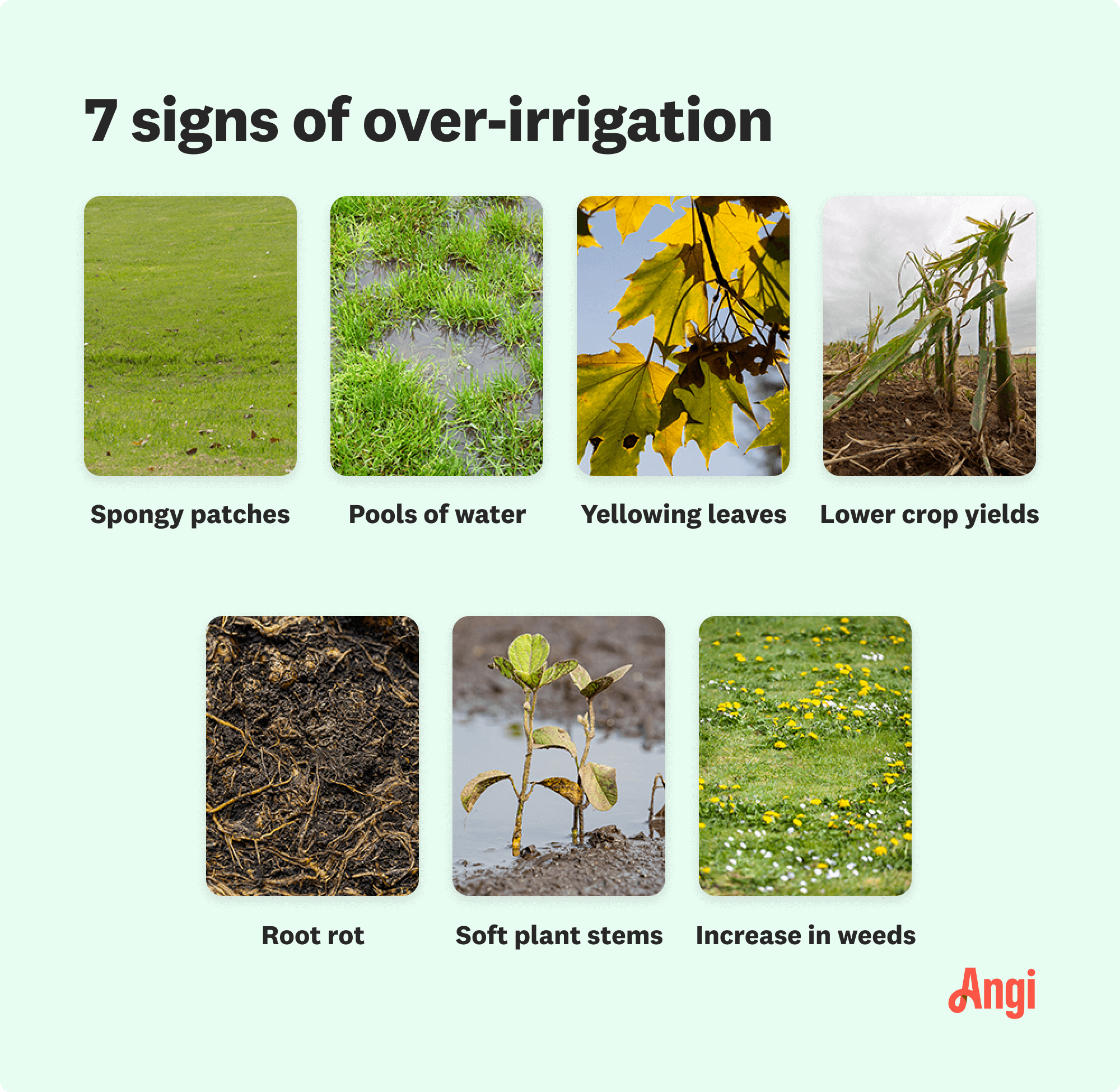
Over-irrigation occurs when water is applied to crops in excess of their needs. This practice can lead to several serious problems affecting both the environment and agriculture. Below are the main issues caused by over-irrigation.
Soil Salinization
Over-irrigation can lead to soil salinization, which is the accumulation of soluble salts in the soil. This affects soil health and crop yields in the following ways:
- Waterlogged conditions can promote salt accumulation as water evaporates, leaving salts behind.
- Crops become stressed due to high salinity levels, making it difficult for plants to absorb water.
- Long-term exposure to salinization can lead to a complete loss of arable land in affected areas.
Waterlogging
Excessive irrigation can also result in waterlogging, where the soil becomes saturated with water. This condition can have severe consequences:
- Waterlogged soils hinder root development, which can lead to reduced plant growth.
- It creates an ideal environment for disease-causing organisms that thrive in saturated soils.
- Waterlogging can affect the overall drainage dynamics of the area, impacting both surface and groundwater sources.
Reduced Nutrient Availability
Over-irrigation can reduce the availability of vital nutrients in the soil. This occurs due to several reasons:
See also:
- Saturated soil can lead to the leaching of essential nutrients away from the root zone.
- Excessive water can create conditions that promote the growth of nitrifying bacteria, causing nitrogen loss.
- The imbalance in nutrient availability can lead to poor crop performance and lower yields.
Increased Pest and Disease Incidence
The practice of over-irrigation can create favorable conditions for pests and diseases. This can escalate into significant agricultural challenges:
- High moisture levels support the proliferation of fungi and other pathogens.
- Waterlogged conditions attract pests that are detrimental to crops, such as root-eating insects.
- Increased reliance on chemicals for pest control can lead to environmental problems and resistance issues.
Environmental Imbalance
Over-irrigation can disrupt the natural water cycle and create an environmental imbalance. This can manifest in various ways:
- It can lead to increased runoff, which contributes to water pollution in nearby waterways.
- Excessive withdrawals from aquifers can cause groundwater depletion and affect ecological systems.
- The alteration of natural water flows can threaten local ecosystems, impacting wildlife and plant diversity.
What are the hazards of irrigation?

Irrigation is a crucial agricultural practice but it also poses several hazards that can impact both the environment and human health. Understanding these hazards is essential for developing sustainable irrigation practices.
Water Quality Issues
The quality of water used in irrigation is of paramount importance. Contaminated water can lead to the introduction of chemical and biological pollutants into crops, posing health risks to consumers. Some major aspects include:
- Pesticide Runoff: The use of pesticides can lead to runoff, where chemicals contaminate water sources.
- Nutrient Loading: Excess fertilizers can lead to nutrient saturation in water systems, causing algal blooms and further reducing water quality.
- Pathogen Irrigating with untreated wastewater can introduce pathogens, affecting crop safety and public health.
Soil Degradation
Repeated irrigation can lead to soil degradation, affecting agricultural productivity. This degradation occurs through various mechanisms:
- Salinization: Excessive irrigation can cause the accumulation of salt in the soil, rendering it less fertile.
- Erosion: Improper irrigation practices can result in soil erosion, stripping the land of its nutrient-rich topsoil.
- Compaction: Frequent waterlogging from over-irrigation can compact the soil, making it harder for roots to penetrate and absorb nutrients.
Water Resource Depletion
Irrigation is heavily dependent on freshwater resources, which are finite. Over-reliance on these resources leads to serious consequences:
- Groundwater Depletion: Excessive extraction of groundwater for irrigation can lower the water table, making it unsustainable over time.
- Surface Water Reduction: Significant water diversion for agricultural use can decrease river and lake water levels, impacting ecosystems.
- Increased Competition: Scarcity of water resources can lead to conflicts among agricultural, industrial, and residential users.
Impact on Local Ecosystems
Irrigation can significantly alter local ecosystems and biodiversity. The most notable impacts include:
- Habitat Loss: Conversion of natural landscapes to irrigated agriculture can destroy habitats for wildlife.
- Invasive Species: Changes in water flow can encourage the spread of invasive plant and animal species, disrupting local ecosystems.
- Pesticide Impact: Runoff can affect not only crops but also surrounding wildlife, leading to population declines of sensitive species.
Human Health Risks
The hazards of irrigation extend beyond environmental impacts and can pose serious risks to human health:
- Waterborne Diseases: Contaminated irrigation water can spread diseases, particularly in agricultural communities.
- Chemical Exposure: Farmers and consumers may be exposed to harmful chemicals used in irrigation, leading to health issues.
- Foodborne Illness: Crops irrigated with contaminated water can lead to foodborne illnesses when consumed by humans.
Questions from Our Readers
What are the environmental impacts of irrigation?
The environmental impacts of irrigation can be significant, leading to issues such as soil salinization, habitat degradation, and altered water flow patterns. Over time, excessive irrigation can accumulate salts in the soil, making it unproductive and harming local ecosystems. Additionally, the diversion of water for irrigation can disrupt natural water bodies, affecting the flora and fauna that depend on them.
How does irrigation affect water quality?
Irrigation can negatively influence water quality through runoff containing fertilizers and pesticides, which can lead to nutrient pollution in nearby rivers and lakes. This pollution can cause harmful algal blooms, reduce oxygen levels in the water, and ultimately impact aquatic life and the health of ecosystems.
What are the economic consequences of irrigation mismanagement?
Mismanagement of irrigation can lead to numerous economic consequences, such as reduced crop yields and increased costs for farmers. Over-irrigation can result in water logging and salinity issues, which diminish the productivity of agricultural land, while inefficient use of resources can escalate operational costs, impacting the overall profitability of farming operations.
Can irrigation contribute to local conflicts over water resources?
Yes, irrigation can exacerbate local conflicts over water resources, especially in regions where water is scarce. As farmers vie for limited water supplies, tensions can arise between agricultural and urban needs. This competition for water access can lead to disputes among communities, impacting social relationships and regional stability.
See also:

If you want to read more articles like What Can Be Some Negative Effects of Irrigation? Exploring Environmental and Economic Consequences, we recommend you check out our Irrigation category.
Leave a Reply
Related Articles