What are the Worst Weeds to Have in Your Garden? A Comprehensive Guide to Identification and Control

Weeds can quickly become a gardener's worst nightmare, overtaking flower beds, vegetable patches, and lawns. Identifying the worst offenders is crucial for maintaining a healthy and vibrant garden. In this comprehensive guide, we will explore the most troublesome weeds you may encounter, providing detailed descriptions to aid in identification. Additionally, we will offer effective control methods to help you manage these invasive plants. By understanding the characteristics and behaviors of these weeds, you'll be better equipped to protect your garden and promote its growth. Say goodbye to the battle with unwanted weeds and hello to thriving plant life!
What Are the Worst Weeds to Have in Your Garden?
Many gardeners face a continual battle against weeds that invade their spaces, but some weeds are particularly notorious for their ability to overwhelm and damage your garden. Among the worst offenders are dandelions, whose extensive root systems make them difficult to eradicate; bindweed, which twines around plants and can smother them; and crabgrass, known for its fast growth and competition with desirable plants for nutrients. Other troubling weeds include thistle, with its sharp spines, and nutgrass, which perpetuates itself through underground tubers. Understanding these harmful species is vital for maintaining a healthy garden environment.
Dandelions
Dandelions are among the most widespread weeds, recognized by their bright yellow flowers and puffball seed heads. They have a deep taproot that can grow up to 10 inches long, making them hard to remove. Not only do they compete for nutrients and water, but they also attract pollinators, which can be a double-edged sword for gardeners. While some may appreciate their presence, they can quickly take over if left unchecked.
Bindweed
Bindweed is a vining weed that can wrap around and suffocate neighboring plants, making it exceptionally problematic in gardens. Its creeping roots can extend several feet underground, allowing it to spread rapidly and resurface even after attempts to eradicate it. As a result, bindweed poses a significant threat, particularly in flower and vegetable gardens where it can hinder growth.
Crabgrass
Crabgrass, a fast-growing annual weed, thrives in poorly maintained soil and sunny conditions. Its ability to spread quickly allows it to outcompete lawns and garden plants for light and resources, leading to significant aesthetic and health issues in cultivated areas. Crabgrass can produce thousands of seeds each year, making early intervention crucial for preventing its dominance.
Thistle
Thistles are particularly challenging due to their sharp spines and extensive root systems. They can spread through seed dispersal, often becoming more numerous in disturbed or tilled areas. Their tough nature makes them difficult to remove, and they can choke out desirable plants, leading to reduced biodiversity in your garden.
Nutgrass
Nutgrass is a perennial weed notorious for its ability to reproduce through tubers that can lie dormant in the soil for years. Its grass-like appearance can easily be mistaken for normal grass, but it spreads aggressively, competing with garden plants for nutrients and moisture. Managing nutgrass requires perseverance and a systematic approach to prevent its reemergence.
| Weed | Key Characteristics | Impact on Garden |
|---|---|---|
| Dandelions | Bright yellow flowers with deep taproots | Compete for nutrients and attract pollinators |
| Bindweed | Vining growth with creeping roots | Smothers neighboring plants, hard to eradicate |
| Crabgrass | Fast growth, thrives in sunny spots | Outcompetes other plants for light and resources |
| Thistle | Sharp spines, extensive root systems | Chokes out desirable plants |
| Nutgrass | Perennial with dormant tubers | Aggressively competes for nutrients and moisture |
What are the hardest weeds to get rid of?
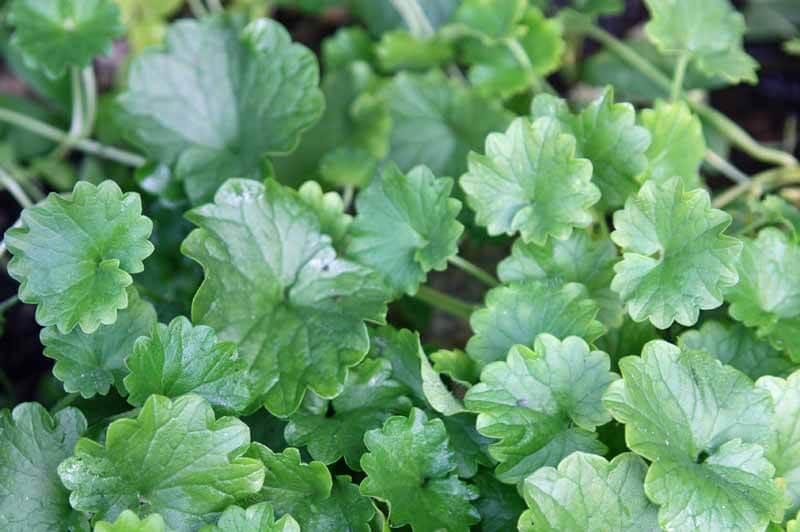
Persistent Perennials
Persistent perennials are some of the most challenging weeds to eliminate due to their robust root systems and ability to regenerate from small fragments. Common examples include:
- Dandelions - With a deep taproot, they can survive drought and regrow rapidly.
- Bindweed - Known for its vigorous creeping growth, which can choke out other plants.
- Canada Thistle - A deep-rooted perennial that spreads quickly by seed and roots.
Seed-Producing Annuals
Annual weeds that produce a high volume of seeds can overwhelm gardens if not controlled effectively. These weeds typically complete their life cycle in one growing season but can leave behind hundreds to thousands of seeds. Key examples are:
- Crabgrass - A common lawn weed that spreads aggressively through seed production.
- Pigweed - Once established, it produces substantial numbers of seeds, making eradication tough.
- Foxtail - The seeds can remain viable in the soil for years, making it hard to eliminate.
Weeds with Deep Roots
Weeds with extensive and deep root systems pose a significant challenge when trying to control them. They often store energy and nutrients below the ground, enabling them to survive adverse conditions. Some notable weeds include:
- Dock - With a robust taproot, it can regenerate from root fragments left in the soil.
- Yellow Nutgrass - Known for its invasive nature, it reproduces both via seed and tubers.
- Quackgrass - This perennial grass has extensive rhizomes that can spread aggressively.
Invasive Species
Invasive weeds can quickly take over local ecosystems, outcompeting native plants for resources. They often have fast growth rates and can thrive in various conditions. Examples include:
See also:
- Purple Loosestrife - This plant can quickly dominate wetland areas, harming biodiversity.
- Japanese Knotweed - Known for its ability to grow through concrete, it is incredibly difficult to remove.
- Garlic Mustard - It spreads rapidly and can significantly deplete local flora when not controlled.
Weeds Resistant to Herbicides
Some weeds have developed resistance to common herbicides, presenting a significant challenge for gardeners and farmers alike. These resistant weeds are often difficult to control and can quickly proliferate in treated areas. Examples of such weeds include:
- Palmer Amaranth - This fast-growing weed has developed resistance to multiple herbicide classes.
- Waterhemp - Known for its ability to survive treatments, it can produce a large number of seeds.
- Common Lambsquarters - A hardy annual that can evade herbicide treatments effectively.
What weeds should you not touch?
:max_bytes(150000):strip_icc()/gettyimages-700734907-1-f7f93d410e1a4759b0a8359b01fdeb9d.jpg)
Weeds can be more than just an eyesore in your garden; some can be highly harmful or toxic. If you're unsure about which weeds you should avoid touching, here’s an overview of some of the most notorious types.
1. Poison Ivy
Poison ivy is infamous for causing severe skin reactions. Contact with this plant’s oil, called urushiol, can lead to itching, rashes, and blisters. It's crucial to recognize its distinctive features: it typically has three leaflets, with a glossy appearance. Always avoid touching any part of this plant.
- Look for leaves of three
- Foliage changes color in the fall
- Can grow as a vine or small shrub
2. Giant Hogweed
Giant hogweed is a dangerous weed that can cause severe burns. The sap from the plant can make your skin hypersensitive to sunlight, leading to blistering and permanent scars. It can grow up to 14 feet tall and has large, umbrella-like flower clusters.
- Identifiable by its massive size
- White flowers in large clusters
- Thick, hairy stems
3. Poison Oak
Similar to poison ivy, poison oak can cause a painful rash due to urushiol. It is usually found in the western United States and can appear as a shrub or climbing vine. Its leaves often resemble those of an oak tree, making it easy to confuse with harmless plants.
- Usually has lobed leaves
- Can have a shiny appearance
- Grows in a variety of habitats
4. Nettles
Stinging nettles have tiny hairs on their leaves and stems that release a painful sting when touched. This can cause irritation, swelling, and a burning sensation that can last for hours. They are more common in damp areas, and should be approached with caution.
- Identifiable by their serrated leaves
- Can grow tall, up to 4 feet
- Found in shaded or moist environments
5. Wild Parsnip
Wild parsnip can make your skin so sensitive that even sunlight can cause severe burns if you’ve touched the plant. Its yellow flowers resemble those of the carrot family. The sap can cause a dangerous reaction, so it’s best to avoid it entirely.
- Has a rosette of leaves in spring
- Grows 3 to 5 feet tall
- Has a hollow stem with a yellow flower cluster
What kills weeds permanently in the garden?
:max_bytes(150000):strip_icc()/vinegar-as-a-natural-weed-killer-2132943-final-5c1a5edf46e0fb00012f1032.png)
Eliminating weeds permanently from your garden can be a challenging task, but it is essential for maintaining a healthy and thriving landscape. There are several methods and products available for killing weeds, which can be broadly categorized into chemical herbicides, organic treatments, and cultural practices. Here’s a detailed overview of effective techniques.
1. Chemical Herbicides
Chemical herbicides are synthetic products specifically designed to target and kill weeds. They are often the quickest option for immediate results.
- Glyphosate: This systemic herbicide kills weeds by being absorbed through the leaves and transported to the roots, effectively eliminating the entire plant.
- Pre-emergent herbicides: These prevent weed seeds from germinating and are applied before the weeds emerge in the spring.
- Selective herbicides: These target specific types of weeds while leaving desirable plants unharmed, making them suitable for established gardens.
2. Organic Weed Killers
For those who prefer an organic approach, there are several natural alternatives that can be used to control weeds without synthetic chemicals.
See also:
- Vinegar: Solutions containing high concentrations of acetic acid, such as vinegar, can desiccate the foliage of weeds, causing them to die.
- Boiling water: Pouring boiling water directly onto weeds can cook the plant tissue, providing a quick and effective method for small areas.
- Salt: Applying salt directly to the weeds can draw moisture away, causing them to shrivel and die, although care must be taken not to affect surrounding plants.
3. Mulching Techniques
Mulching is a proactive way to prevent weed growth by blocking sunlight and creating a barrier that impedes weed development.
- Organic mulch: Materials like wood chips, straw, and grass clippings help suppress weeds while also improving soil quality as they decompose.
- Landscape fabric: This barrier is designed to be laid down in garden beds, allowing water and nutrients to pass through while preventing weeds from emerging.
- Plastic sheeting: For larger areas, covering the ground with plastic can effectively heat the soil and smother weeds underneath.
4. Hand Pulling and Manual Removal
While it can be labor-intensive, hand pulling weeds is a very effective method for smaller infestations or for controlling perennial weeds with deep roots.
- Proper technique: Pulling weeds after rain ensures the soil is moist, making it easier to remove weeds along with their roots.
- Tools: Using tools like hoes or weeding forks can help in loosening the soil and extracting stubborn weeds.
- Regular maintenance: Establishing a routine for pulling weeds ensures that they do not have the chance to seed, leading to permanent control.
5. Preventive Measures
Preventing weeds from establishing themselves in the first place is one of the most effective long-term strategies.
- Smothering with cover crops: Growing cover crops can outcompete weeds for resources and light, minimizing their growth.
- Soil health: Maintaining healthy soil through compost and organic matter encourages the growth of desired plants, thereby naturally choking out weeds.
- Proper spacing: Planting flowers or vegetables closely together can create a competitive environment that reduces space for weeds to grow.
What weeds can tell you about your soil?

Weeds can provide valuable information about the characteristics and conditions of your soil. Different types of weeds thrive under specific soil conditions, and by observing which weeds are prevalent in an area, you can gain insights into soil quality, nutrient levels, and pH balance. Here are some common weeds and what they can indicate about your soil:
1. Dandelion (Taraxacum officinale)
Dandelions are well-known for their bright yellow flowers and deep taproots. They often signify that the soil has a compacted layer beneath the surface. This compaction can lead to poor drainage and a lack of nutrients. When you see dandelions, it may be beneficial to aerate your soil to improve its condition.
- Compaction: Indicates a hard layer of soil.
- Poor drainage: Suggests water may not be soaking in effectively.
- Soil aeration: Can be necessary for better nutrient flow.
2. Clover (Trifolium spp.)
Clover is a beneficial weed that often thrives in soil with low nitrogen levels. It has a natural ability to fix atmospheric nitrogen, which means its presence can indicate that your soil may benefit from enhanced nutrient availability. Moreover, clover can improve soil structure and can be an indicator of healthy soil ecosystems.
- Low nitrogen: Suggests the soil is nutrient-deficient.
- Nitrogen fixation: Clover aids in improving soil fertility.
- Soil structure: Indicates potential for better soil quality.
3. Chickweed (Stellaria media)
Chickweed typically flourishes in ground that is rich in organic matter and moist. Its presence can be a sign that the soil has good water retention capabilities and is relatively fertile. It can also indicate a lack of competition, suggesting that the soil is not overly disturbed or depleted by other plant growth.
- Moisture retention: Implies healthy soil moisture levels.
- Fertility: Signals higher nutrient content.
- Lack of competition: Indicates low disturbance.
4. Bindweed (Convolvulus spp.)
Bindweed is often found in soil that is poorly drained and can be a sign of underlying problems related to moisture retention. Its fast-growing nature may indicate that soil conditions are not conducive to the growth of other plants. This weed can also be a nuisance, often choking out desirable plants due to its aggressive growth.
- Poor drainage: Indicates potential waterlogging issues.
- Competitive growth: Signals that it's suppressing other plants.
- Soil health: Suggests a need for improved cultivation practices.
5. Nettle (Urtica dioica)
Nettles thrive in nutrient-rich soil, often indicating that the soil has high levels of nitrogen and organic matter. Their presence is typically a sign of active soil life, but they can also indicate that the soil is disturbed. The high nutrient content can indicate good fertility but may require management to prevent excessive weed growth.
- Nutrient density: Signals high nitrogen levels.
- Organic matter: Indicates rich biological activity.
- Management needs: Requires monitoring to control growth.
Questions from Our Readers
What are the common characteristics of the worst garden weeds?
The worst garden weeds often share some common characteristics that make them difficult to control. They typically have deep root systems which enable them to survive even when pulled, reproduce quickly through seeds or vegetative means, and thrive in a wide range of soil conditions. This adaptability allows them to easily outcompete your desired plants for nutrients, water, and sunlight.
How can I identify if I have invasive weeds in my garden?
Invasive weeds can often be identified by their rapid growth rates, aggressive spreading, and ability to establish in various conditions. Look for plants that produce an excess of seeds, have broad leaves, or resemble native species but grow more vigorously. Over time, these weeds will often dominate your garden space, indicating that they might be invasive.
See also:
What are some examples of the worst weeds to watch out for?
Some of the worst weeds to watch out for in your garden include dandelions, couch grass, bindweed, and crabgrass. These weeds are notorious for their ability to proliferate and can quickly take over garden beds if not kept in check. They can pose significant challenges to maintaining a healthy garden by competing with your plants for vital resources.
What methods can I use to control these problematic weeds?
Controlling problematic weeds can be achieved through various methods, including regular hand-pulling, using mulch to suppress their growth, and applying selective herbicides where appropriate. Additionally, maintaining healthy soil and competitive plant growth can help prevent these weeds from establishing themselves in your garden. Implementing a proactive weed management plan is crucial to keeping your garden thriving.

If you want to read more articles like What are the Worst Weeds to Have in Your Garden? A Comprehensive Guide to Identification and Control, we recommend you check out our Weeds category.
Leave a Reply
Related Articles