What are the Pros and Cons of Sprinkler Irrigation? A Comprehensive Analysis for Farmers and Gardeners
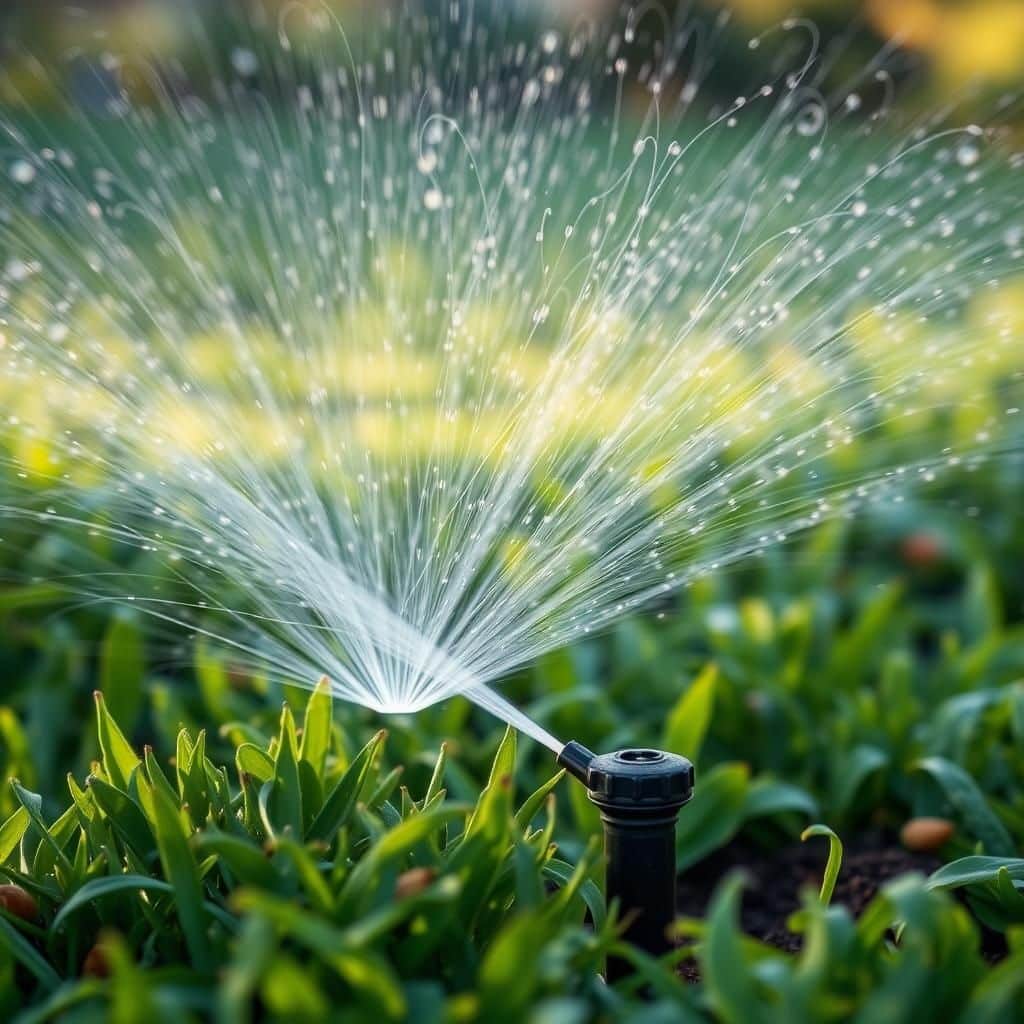
Sprinkler irrigation is a popular choice among farmers and gardeners for its efficiency in delivering water to crops and plants. This method mimics natural rainfall, enabling even distribution across various landscapes. However, like any agricultural technique, it comes with its own set of advantages and disadvantages. Understanding these pros and cons is crucial for optimizing water use, maximizing yield, and managing costs effectively. In this comprehensive analysis, we will explore the benefits and drawbacks of sprinkler irrigation, providing insights to help farmers and gardeners make informed decisions that align with their specific needs and environmental considerations.
Pros and Cons of Sprinkler Irrigation
Sprinkler irrigation systems offer both advantages and disadvantages for agricultural and landscape management. On the positive side, they allow for efficient water distribution over large areas regardless of terrain, making them ideal for crops that require uniform moisture. They also help to reduce soil erosion and can be adapted to various crop types. However, the drawbacks include high initial installation costs, potential water loss due to evaporation and wind, and the need for regular maintenance. Additionally, using sprinklers in humid climates can lead to fungal diseases in crops due to increased moisture on foliage.
Advantages of Sprinkler Irrigation
One of the significant advantages of sprinkler irrigation is its ability to deliver water evenly across various terrains, making it suitable for diverse crops. This uniformity ensures that all plants receive adequate moisture, which can enhance growth and productivity. Furthermore, sprinkler systems can be automated, allowing for precision watering schedules that save time and labor for farmers.
Disadvantages of Sprinkler Irrigation
Despite its benefits, sprinkler irrigation also has notable disadvantages. The initial setup can be quite costly, requiring a significant investment in both equipment and infrastructure. Additionally, water loss due to evaporation can occur, especially in hot and dry climates, reducing the overall efficiency of water use. This aspect can lead to increased operational costs over time.
Maintenance Requirements
Sprinkler systems require regular maintenance to ensure optimal performance. This includes checking for blockages in the pipes, maintaining nozzles, and ensuring that the system operates at the correct pressure. Failure to perform routine checks can result in uneven watering and decreased efficiency, which can harm crops and increase water waste.
Environmental Impact
The environmental impact of sprinkler irrigation varies based on its implementation. On the one hand, it can lead to reduced soil erosion and improved water conservation if used properly. On the other hand, overuse can result in runoff, leading to water quality issues due to nutrient leaching and pollution. Therefore, understanding local ecosystems is crucial to minimize any adverse effects.
Cost Considerations
The costs associated with sprinkler irrigation can be a barrier for many farmers. While the initial investment is high, long-term savings may be realized through efficient water use and reduced labor costs. Additionally, subsidies or assistance programs may be available to offset some of the installation expenses, making it a more viable option for those looking to utilize this irrigation method.
| Aspect | Pros | Cons |
|---|---|---|
| Water Distribution | Uniform coverage | Potential for evaporation loss |
| Cost | Long-term savings possible | High initial installation costs |
| Maintenance | Can be automated | Requires regular checks |
| Environmental Impact | Reduces soil erosion | Possible water quality issues |
What are the advantages and disadvantages of sprinkler irrigation?

Advantages and Disadvantages of Sprinkler Irrigation
Sprinkler irrigation is a method widely used for its effectiveness in delivering water to crops. However, like any irrigation system, it comes with both advantages and disadvantages.
Advantages of Sprinkler Irrigation
Sprinkler irrigation offers several benefits that make it a popular choice for many agricultural settings. Some of the key advantages include:
- Uniform Water Distribution: Sprinkler systems can distribute water evenly across the field, minimizing moisture variability.
- Flexibility: This system can be adapted to various crop types and terrains, allowing for irrigation in diverse conditions.
- Reduced Soil Erosion: Since water is applied in smaller quantities, the risk of runoff and soil erosion is significantly lower compared to other irrigation methods.
Disadvantages of Sprinkler Irrigation
Despite its advantages, sprinkler irrigation has some limitations that can affect its efficiency and practicality. The main disadvantages are:
- Initial Costs: The setup of a sprinkler irrigation system can be expensive due to the required equipment and infrastructure.
- Maintenance Requirements: Regular maintenance is essential to ensure the system functions effectively and prevents clogs and leaks.
- Weather Sensitivity: Sprinklers can lose water due to wind, reducing efficiency, and making them less suitable for very windy conditions.
Water Efficiency in Sprinkler Irrigation
Water efficiency is a critical factor in irrigation methods, and sprinkler systems can perform variably in this aspect. They may offer benefits such as:
- Targeted Application: Sprinklers can provide targeted watering, reducing water waste by applying water directly to the plant roots.
- Automated Systems: Many sprinkler setups can be automated, allowing for precise scheduling based on weather and soil moisture levels.
- Reduced Overhead Losses: Water delivered through pipes generally experiences less evaporation compared to surface irrigation methods.
Environmental Impact of Sprinkler Irrigation
The environmental effects of sprinkler irrigation can be both positive and negative. Its impact includes:
- Minimized Waterlogging: Sprinkler systems help prevent waterlogging, as they do not saturate the soil, protecting underground water quality.
- Energy Use: The operation of pumps and motors can lead to increased energy consumption, impacting the environment if not managed sustainably.
- Potential for Chemical Runoff: If not monitored properly, fertilizers and pesticides can be carried away by runoff from the sprinkler system.
Operational Considerations for Sprinkler Irrigation
Effective operation of a sprinkler irrigation system requires careful planning and management. Key operational considerations are:
See also:
- System Design: Proper design is crucial for maximizing efficiency, including factors like spacing, pressure, and coverage area.
- Monitoring and Adjustment: Regular monitoring is essential to adjust watering schedules based on crop needs and weather conditions.
- Training and Knowledge: Farmers need adequate training to operate and maintain the system efficiently and sustainably.
Economic Considerations in Sprinkler Irrigation
The economic implications of sprinkler irrigation can be significant and should be carefully evaluated. Notable economic considerations include:
- Cost-Benefit Analysis: Farmers must weigh the initial setup costs against potential increases in crop yield and quality.
- Labor Costs: The automation potential may reduce labor requirements, but maintaining the system still requires skilled labor.
- Long-Term Financial Planning: Understanding maintenance costs and inputs allows farmers to plan financially for sustainable operation.
Do sprinklers make your water bill high?

The use of sprinklers can significantly impact your water bill, depending on several factors such as the type of sprinkler system you have, the climate in your area, and how often you use it. Here are some key points to consider:
1. Type of Sprinkler System: Different sprinkler systems have varying water efficiency levels. For instance, spray heads tend to use more water compared to drip irrigation systems. If your system is not properly designed or maintained, it can lead to overwatering and an increased bill.
2. Watering Schedule: How often you water your lawn and garden directly affects your water usage. Many homeowners do not adjust their sprinkler schedules according to seasonal changes or rainfall, which can lead to higher usage. Using smart controllers that schedule watering based on weather data can help save water and reduce costs.
3. Lawn Size and Plant Types: The size of your lawn along with the types of plants you have will determine how much water is necessary. Larger areas require more water, and certain plants may need more watering than others. Analyzing your lawn's needs can optimize water usage and lower bills.
4. Local Water Rates: Water billing can vary significantly based on local rates. Cities with higher water costs will see a more substantial impact on the bill with increased usage from sprinklers. Understanding your local water rates can help you better assess how your sprinkler system affects your overall costs.
5. Inefficiencies and Leaks: Any inefficiencies in your sprinkler system, such as outdated technology or leaks, can lead to an increase in water fees. Regular maintenance, such as checking for leaks or replacing old parts, can help you ensure that your system is functioning efficiently.
1. Types of Sprinkler Systems
Different sprinkler systems operate on various principles and efficiencies that can affect water consumption:
- Spray Heads: Use a higher volume and can lead to wastage if not managed properly.
- Drip Irrigation: More efficient for gardens as it delivers water directly to the roots.
- Soaker Hoses: These can also help with efficiency as they release water slowly into the soil.
2. Effective Watering Schedule
Having an effective watering schedule can greatly impact your water usage:
- Seasonal Adjustments: Modify your schedule based on weather and plant growth.
- Smart Controllers: Utilize technology to automatically regulate watering based on rainfall.
- Time of Day: Water during early mornings or late evenings to minimize evaporation.
3. Lawn Size and Plant Types
Different lawn sizes and types of plants require specific watering needs:
- Large Lawns: Require more water, potentially leading to higher bills if not balanced.
- Drought-Resistant Plants: Consider using native plants that consume less water.
- Soil Type: Different soils retain moisture differently, influencing your watering needs.
4. Local Water Rates
Understanding your area's water rates can help you calculate potential costs:
- Flat Rates vs. Tiered Pricing: Know how your local provider charges for water usage.
- Increases During Summer: Some areas raise rates during peak seasons.
- Discount Programs: Look for any incentives for conservation in your area.
5. Maintenance and Efficiency
Regular maintenance is critical for keeping your system efficient:
- Regular Checks: Look for leaks and ensure all components are functioning.
- Updating Technology: Consider upgrading to more efficient sprinkler heads as needed.
- Proper Installation: Ensures water is directed where it is most needed.
What are the pros and cons of irrigation?

The practice of irrigation plays a crucial role in agriculture, particularly in areas where water scarcity limits crop production. It involves the controlled application of water to plants at regular intervals, and while it has many benefits, it also presents several challenges. Below are the detailed pros and cons of irrigation.
See also:
Advantages of Irrigation
One of the primary benefits of irrigation is its ability to enhance crop yield. With adequate water supply, plants can grow more robustly and produce higher quantities of fruits and vegetables. The merits of irrigation can be summarized as follows:
- Increased Agricultural Productivity: Irrigation allows farmers to cultivate more crops per season, especially in regions with unpredictable rainfall.
- Enhanced Food Security: Consistent water supply reduces the risk of crop failure, contributing to a stable food supply for communities.
- Soil Fertility Maintenance: Regular irrigation helps maintain optimal moisture levels, which can enhance nutrient mobility in the soil and improve crop health.
Disadvantages of Irrigation
Despite its benefits, irrigation can also lead to several adverse effects that need to be addressed. These drawbacks often stem from improper water management or over-reliance on irrigation systems. Key disadvantages include:
- Water Depletion: Over-irrigation can lead to the depletion of local water sources, affecting both agriculture and other sectors that depend on water.
- Soil Salinization: Improper irrigation can cause salt to accumulate in the soil, which can adversely affect crop growth and lead to unproductive land.
- Increased Pest and Disease Incidence: The consistent moisture provided by irrigation can create a favorable environment for pests and diseases, potentially harming crops.
Types of Irrigation Systems
Irrigation can be achieved through various systems, each with its unique benefits and challenges. Understanding these systems is crucial for effective water management in agriculture. The main types include:
- Surface Irrigation: Water is allowed to flow over the surface of the field, allowing gravity to carry it to the crops. This method is simple but can be inefficient.
- Drip Irrigation: This advanced system delivers water directly to the plant roots through a network of tubing. It's efficient and conserves water.
- Sprinkler Irrigation: Water is sprayed over the crops, similar to rainfall. This method is versatile but can be wasteful if not managed properly.
Environmental Impact of Irrigation
The use of irrigation systems can significantly influence the environment. While they help bolster agricultural productivity, they can also have detrimental effects if not implemented sustainably. Important environmental considerations include:
- Alteration of Local Hydrology: Extensive irrigation can change local water cycles and affect surrounding ecosystems.
- Impact on Biodiversity: Water diversion for irrigation can harm natural habitats, leading to a decline in plant and animal species.
- Pollution Risks: Irrigation can lead to runoff that contaminates local water supplies with fertilizers and pesticides.
Economic Aspects of Irrigation
Irrigation also has significant economic implications for farmers and the surrounding communities. The economic advantages and challenges associated with irrigation are as follows:
- Cost of Infrastructure: Establishing an irrigation system can require significant investment upfront, which may be a barrier for some farmers.
- Market Access: Higher crop yields can improve farmers' access to larger markets and enhance their income potential.
- Job Creation: Irrigation projects can create jobs, not only during the installation phase but also in ongoing operation and maintenance.
Is it worth getting a sprinkler system?
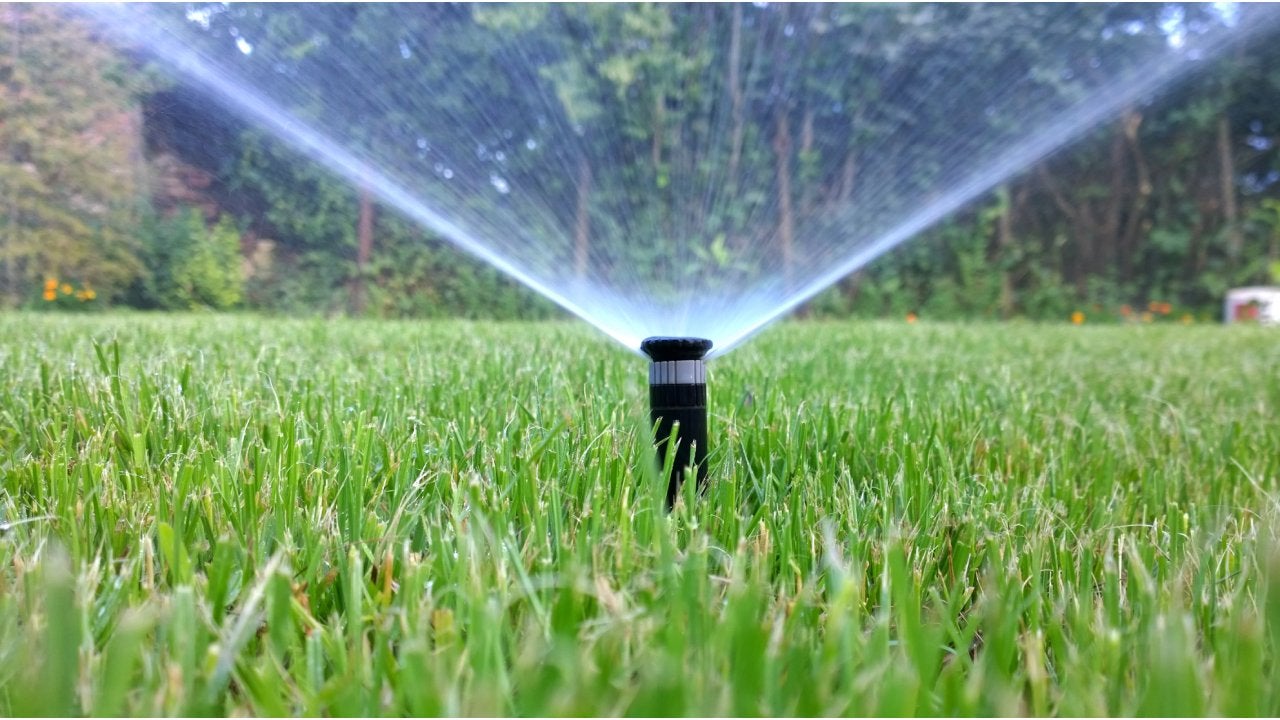
Determining whether it's worth getting a sprinkler system involves assessing various factors related to convenience, efficiency, and cost. Below, I provide an analysis delving into the benefits and considerations of installing a sprinkler system.
Cost Efficiency
A sprinkler system can prove to be a cost-effective solution in the long run. While the initial investment may be substantial, the operational benefits can outweigh the costs.
- Reduced Water Usage: Modern irrigation systems allow for precision watering, minimizing water waste.
- Lower Utility Bills: Efficient systems can significantly reduce monthly water bills by using only what is necessary.
- Increased Property Value: A professionally installed system can enhance the value of a property, appealing to potential buyers.
Convenience
One of the major advantages of a sprinkler system is the convenience it offers. Homeowners often find that the time saved on manual watering and maintenance is significant.
- Automation: With a timer or smart controller, a sprinkler system can operate without manual intervention.
- Consistency: These systems provide even and consistent coverage, ensuring plants receive adequate hydration.
- Time-Saving: Avoid the need to drag hoses or lug watering cans around the yard.
Plant Health
A well-designed sprinkler system contributes to the overall health of your plants and lawn. Consistent watering is essential for growth and vitality.
- Uniform Coverage: A sprinkler system ensures that all areas of the lawn receive equal amounts of water.
- Optimal Watering Schedule: Systems can be programmed for specific times, taking into account weather conditions.
- Soil Moisture Control: Many systems can be paired with soil moisture sensors to optimize watering schedules.
Environmental Considerations
Installing a sprinkler system can have positive implications for the environment. By using water more effectively, homeowners contribute to sustainability efforts.
- Water Conservation: A sprinkler system can minimize excess water usage, promoting better conservation practices.
- Reduced Runoff: Proper installation and design can limit water runoff, ensuring more water is absorbed by the soil.
- Eco-Friendly Technology: Many systems now integrate rain sensors or smart technology that adjusts watering based on current weather conditions.
Installation and Maintenance
The process of installing a sprinkler system involves both initial setup and ongoing maintenance that should be considered when evaluating its worth.
- Professional Installation: Hiring a professional ensures the system is set up correctly for optimal performance.
- Regular Maintenance: Periodic check-ups and adjustments may be necessary to keep the system functioning efficiently.
- Winterization: Proper procedures must be followed to protect the system during cold months, adding to maintenance considerations.
Questions from Our Readers
What are the main advantages of sprinkler irrigation?
One of the main advantages of sprinkler irrigation is its ability to efficiently distribute water across a large area. This method can provide uniform coverage, which is crucial for promoting healthy plant growth. Additionally, it can be easily adjusted to accommodate different crop requirements and varying soil types.
What are the disadvantages of using sprinkler irrigation?
Despite its benefits, sprinkler irrigation has some disadvantages, including its high initial installation cost and the potential for water loss due to evaporation and wind drift. Furthermore, it may require more maintenance compared to other methods, and certain crops may not respond well to overhead watering.
How does sprinkler irrigation compare to drip irrigation?
Sprinkle irrigation differs from drip irrigation in that it applies water overhead, while drip irrigation delivers water directly to the roots of plants. Drip irrigation is typically more water-efficient and can reduce weed growth, whereas sprinkler systems may be more suitable for larger field applications and can cover a wider area more quickly.
See also:
Is sprinkler irrigation suitable for all types of crops?
Sprinkler irrigation is not suitable for all types of crops, as it may cause waterlogging and disease in plants that prefer drier conditions. For example, root crops and certain vegetables may be adversely affected by overhead watering, while grains and some fruits typically thrive better with this method. The choice of irrigation should consider the specific needs of the crops being cultivated.

If you want to read more articles like What are the Pros and Cons of Sprinkler Irrigation? A Comprehensive Analysis for Farmers and Gardeners, we recommend you check out our Irrigation category.
Leave a Reply
Related Articles