What are the Four Types of Irrigation Systems? A Comprehensive Guide to Efficient Watering Techniques

Irrigation is a vital practice for achieving optimal agricultural productivity and maintaining lush landscapes. Understanding the various irrigation systems available can significantly enhance water efficiency and crop yield. This comprehensive guide explores the four primary types of irrigation systems: surface, drip, sprinkler, and subsurface irrigation. Each method has its unique advantages, applications, and considerations, making it essential for farmers and gardeners to choose the right system for their specific needs. Whether you are planting a small garden or managing a large agricultural operation, this guide will provide valuable insights into efficient watering techniques that can conserve water and promote healthy plant growth.
Types of Irrigation Systems
In agriculture, the four main types of irrigation systems are surface irrigation, drip irrigation, sprinkler irrigation, and subsurface irrigation. Each system caters to different agricultural practices and environmental conditions. Surface irrigation is a method where water flows over the soil surface and is suited for flat terrains. Drip irrigation, on the other hand, delivers water directly to the base of the plants, which is highly efficient and conserves water. Sprinkler irrigation mimics natural rainfall by spraying water onto crops through a system of pipes and nozzles, making it versatile for various terrains. Finally, subsurface irrigation involves burying irrigation lines beneath the soil surface, allowing water to be delivered directly to the root zone, which minimizes evaporation and runoff.
Surface Irrigation
Surface irrigation involves the application of water directly onto the soil surface, relying on gravity to distribute the water. This method is especially effective for crops planted in flat or gently sloping fields, as it encourages water infiltration and absorption by the roots. Although it is one of the oldest forms of irrigation, surface irrigation can lead to waterlogging and salinization if not managed properly.
Drip Irrigation
Drip irrigation is a highly efficient system designed to deliver precise amounts of water directly to the plant roots through a network of tubing, valves, and emitters. This method significantly reduces water waste, minimizes evaporation, and prevents weed growth, making it ideal for arid regions. By providing consistent moisture, drip irrigation promotes healthy crop development and can lead to higher yields in many agricultural settings.
Sprinkler Irrigation
Sprinkler irrigation involves the use of pumps to send water through pipes to spray it over crops in a manner similar to natural rainfall. This flexible system can be adjusted to accommodate various crop types and field shapes. Sprinkler systems can operate efficiently in various climatic conditions, but they often require a power supply and can be affected by wind, which may reduce efficiency.
Subsurface Irrigation
Subsurface irrigation is a technique that involves the installation of a buried piping system that delivers water directly below the soil surface. This method minimizes evaporation and surface runoff while maintaining soil moisture. It encourages deep root growth and can be particularly beneficial in arid regions or areas where water conservation is critical. However, this method can be more costly and complex to install and maintain compared to surface irrigation systems.
Comparison Table of Irrigation Systems
| Type | Water Efficiency | Initial Cost | Maintenance Level |
|---|---|---|---|
| Surface Irrigation | Moderate | Low | Moderate |
| Drip Irrigation | High | High | Low |
| Sprinkler Irrigation | Moderate | Medium | Moderate |
| Subsurface Irrigation | Very High | High | High |
What are the 4 main types of irrigation?

The four main types of irrigation are surface irrigation, drip irrigation, sprinkler irrigation, and subsurface irrigation. Each type has its unique characteristics, applications, and advantages.
Surface Irrigation
Surface irrigation involves the direct application of water to the soil surface, where it moves across the field by gravity. This method is often used in agriculture to irrigate crops efficiently, especially in flat or gently sloped areas.
- Gravity-fed: Water flows downhill, allowing for natural distribution, making it cost-effective.
- Suitability: Ideal for various crops and soils, especially when water supply is ample.
- Management: Requires careful management to prevent waterlogging and runoff.
Drip Irrigation
Drip irrigation delivers water directly to the plant roots through a network of tubing and emitters. This system is highly efficient and conserves water, making it suitable for arid regions.
- Precision delivery: Reduces evaporation and runoff, ensuring the water reaches the intended plants.
- Water efficiency: Uses significantly less water compared to traditional methods, promoting sustainability.
- Flexibility: Can be tailored to various crops and soil types, suitable for both small and large scale farming.
Sprinkler Irrigation
Sprinkler irrigation uses a system of pipes and pumps to spray water over the crops in a manner similar to rainfall. This method is versatile and effective for various terrain types.
- Uniform coverage: Can cover large areas uniformly when properly designed and managed.
- Adaptability: Suitable for various crops, including fruits, vegetables, and grains.
- Efficiency: Reduces water waste, particularly when equipped with modern, efficient systems.
Subsurface Irrigation
Subsurface irrigation involves placing water delivery systems below the surface of the soil. This method minimizes evaporation and ensures that the water reaches the root zone effectively.
- Reduced evaporation: Since the water is applied underground, loss due to evaporation is minimized.
- Soil health: Promotes optimal root growth and allows for better soil moisture retention.
- Labor savings: Reduces the frequency of irrigation applications, resulting in lower labor costs.
What are the 4 traditional methods of irrigation?


The four traditional methods of irrigation are crucial for agricultural practices, especially in areas where water is scarce. These methods have been used for centuries and continue to be relevant in many parts of the world, particularly in developing countries. Below are the four primary methods:
1. Surface Irrigation: This is one of the oldest methods of irrigation, where water is applied directly to the soil surface and allowed to flow over the field by gravity. It is most effective on flat or gently sloping land. The key aspects of surface irrigation include:
- Gravity Flow: Water moves naturally downhill, distributing itself across the field.
- Low Equipment Cost: This method generally requires minimal investment in technology or machinery.
- Soil Moisture Conservation: Effective water retention is achieved if managed properly.
2. Drip Irrigation: This method delivers water directly to the base of plants through a network of tubes, pipes, and emitters. It is particularly efficient since water is applied drop by drop, minimizing evaporation and runoff. Key points about drip irrigation include:
- Water Efficiency: Highly efficient in terms of water usage, reducing waste significantly.
- Crop Yield Improvement: Provides consistent moisture, which can enhance crop productivity.
- Reduction in Weed Growth: Since only the plant area is watered, weed growth is reduced.
3. Flood Irrigation: In this method, a significant amount of water is applied to the field, causing it to flood temporarily. Suitable for rice paddies, this method relies on the topography and soil characteristics. Important features include:
- Land Suitability: Effective in flat fields where water can evenly spread.
- Soil Nutrient Management: Flooding can help with nutrient dispersion and soil fertility.
- Labor Intensive: May require more labor to manage water levels and irrigation schedules.
4. Sprinkler Irrigation: This method mimics natural rainfall by spraying water over crops from a system of pipes and pumps. It is versatile and can be used on various types of terrain. Key characteristics of sprinkler irrigation include:
- Uniform Water Distribution: Provides even coverage across the field, which is crucial for crop health.
- Adaptability: Can be used in different soil and crop types, making it widely applicable.
- Higher Initial Investment: Typically requires more upfront costs for machinery and installation.
Advantages of Surface Irrigation
Surface irrigation offers several benefits, making it a popular choice in many agricultural settings:
- Simple Implementation: Easy to establish without advanced technology.
- Economical: Low operational costs compared to other irrigation methods.
- Maintenance: Usually requires less maintenance over time.
Advantages of Drip Irrigation
Drip irrigation has become increasingly favored for its efficiency and effectiveness. Its advantages include:
- Water Conservation: Delivers water directly to the root zone, minimizing waste.
- Improved Crop Health: Reduces the risk of fungal diseases by keeping foliage dry.
- Customizable: Can be tailored to meet specific crop needs.
Drawbacks of Flood Irrigation
While flood irrigation can be effective, there are notable drawbacks:
- Water Loss: Significant evaporation and runoff can waste water.
- Soil Erosion: Excessive flooding can lead to soil degradation over time.
- Uneven Flow Management: Requires careful management to avoid flooding specific areas.
Cost Factors of Sprinkler Irrigation
The implementation of sprinkler irrigation can be cost-prohibitive for some farmers. Considerations include:
- High Installation Costs: Requires substantial investment in equipment and infrastructure.
- Energy Consumption: Depending on the system, ongoing energy expenses can be significant.
- Potential for Mechanical Failure: Reliance on machinery means regular maintenance is crucial.
Environmental Impact of Irrigation Methods
Different irrigation methods have varying impacts on the environment, which should be taken into account:
- Water Table Depletion: Unsustainable practices can lower water levels.
- Soil Salinization: Inappropriate irrigation may lead to salt accumulation in the soil.
- Biodiversity Effects: Changes in water usage can affect local ecosystems and wildlife.
What are the 4 modern methods of irrigation?
The four modern methods of irrigation are drip irrigation, sprinkler irrigation, subsurface irrigation, and center pivot irrigation. Each of these methods has unique characteristics, benefits, and applications in agricultural practices.
Drip Irrigation
Drip irrigation is a highly efficient method that delivers water directly to the root zone of plants through a network of tubing and emitters. This system minimizes evaporation and runoff, ensuring that a maximum amount of water reaches the plants.
See also:
- Efficient Water Use: Uses less water by delivering small amounts frequently.
- Reduction of Weed Growth: Water is applied only where needed, reducing the emergence of weeds.
- Flexibility: Suitable for various terrains and can be automated for efficiency.
Sprinkler Irrigation
Sprinkler irrigation involves the application of water through a system of pipes and pumps that spray water into the air, mimicking natural rainfall. This method is versatile and can be adapted for different crop types and field sizes.
- Wide Coverage: Suitable for large areas and various crop types.
- Uniformity: Provides even water distribution across the field.
- Adaptability: Can be used on different soil types and slopes.
Subsurface Irrigation
Subsurface irrigation involves installing water delivery systems below the surface of the soil. This method is effective for reducing water loss through evaporation and enhancing moisture retention in the root zone.
- Improved Soil Moisture: Maintains consistent moisture levels without surface watering.
- Reduced Evaporation: Water is delivered below ground, significantly decreasing loss due to evaporation.
- Decreased Weed Pressure: Less moisture on the surface leads to fewer weed growth opportunities.
Center Pivot Irrigation
Center pivot irrigation uses rotating sprinkler systems mounted on wheeled towers, pivoting around a central point. This method is widely used in large-scale agriculture and is particularly effective for rolling terrains.
- Large Area Irrigation: Capable of covering vast areas efficiently.
- Automation: Systems can be programmed for schedules and water amounts.
- Flexibility in Crop Selection: Suitable for various crops and can adapt to differing irrigation needs.
What are the 4 methods of surface irrigation?
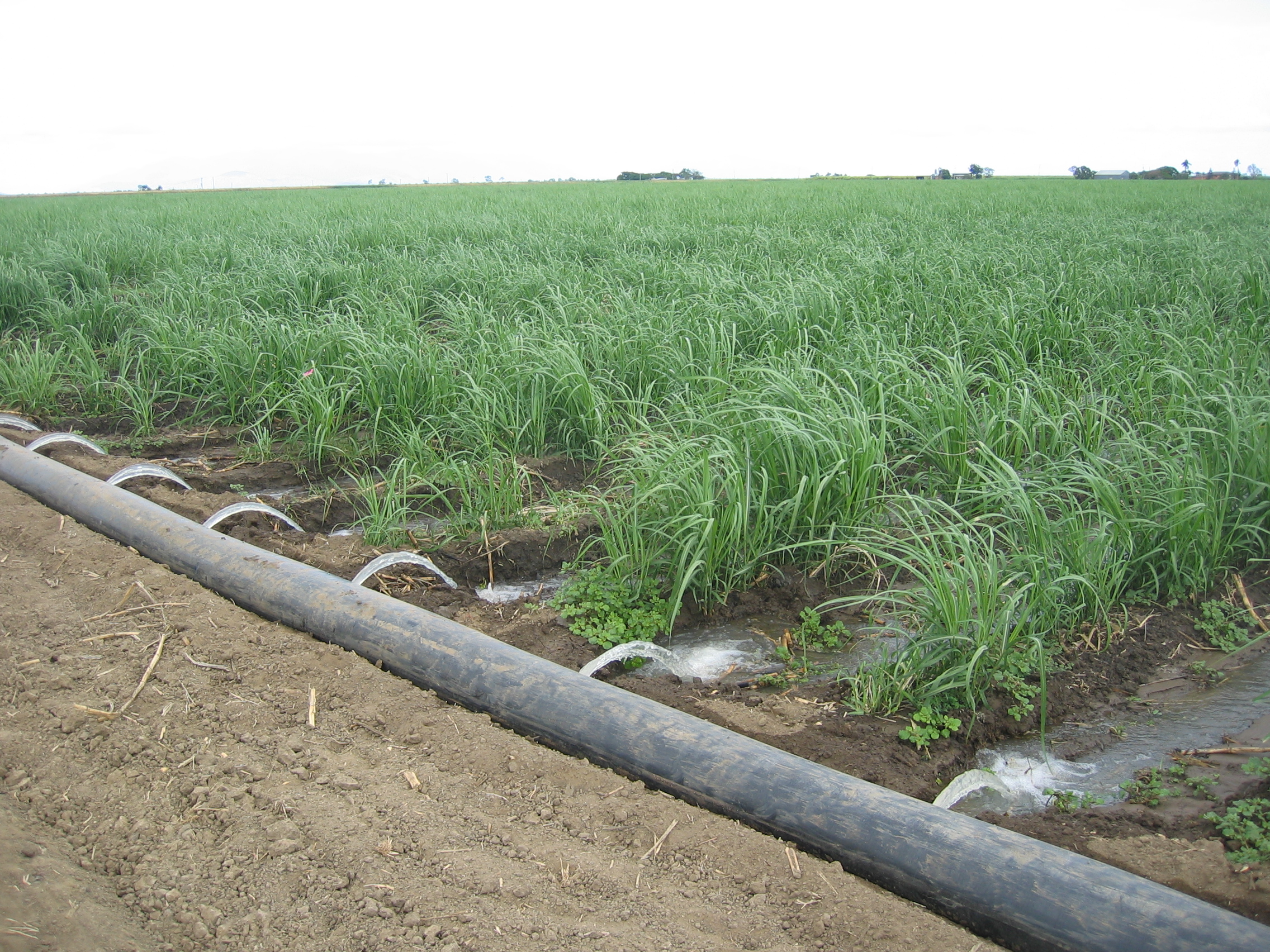
The four methods of surface irrigation are crucial for effective water management in agricultural practices. These methods include:
1. Flood Irrigation
2. Furrow Irrigation
3. Basin Irrigation
4. Border Irrigation
Flood Irrigation
Flood irrigation is a traditional method where fields are completely flooded with water. This technique allows water to flow over the surface evenly, soaking into the soil. Key aspects of flood irrigation include:
- Simple Implementation: This method requires minimal equipment, making it easy to establish.
- Water Distribution: Adequate for crops that thrive in wet conditions, ensuring uniform moisture.
- Soil Type Dependency: Effectiveness is influenced by soil texture and structure; heavy soils retain water longer than sandy soils.
Furrow Irrigation
Furrow irrigation involves creating small channels or furrows along the rows of crops. Water is directed down these channels, providing localized and efficient irrigation. Key considerations include:
- Efficiency: Reduces water waste compared to flood irrigation, focusing on plant roots.
- Crop Suitability: Ideal for row crops like corn and soybeans that have distinct rows.
- Field Preparation: Requires careful planning and proper grading to ensure effective water flow.
Basin Irrigation
Basin irrigation is characterized by level plots surrounded by bunds or ridges. Water is diverted into these basins to irrigate the entire area. Important aspects include:
- Water Retention: Allows for the slow infiltration of water, which minimizes runoff.
- Suitability for Certain Crops: Effective for crops that require steady moisture, such as rice.
- Labor Intensity: Typically more labor-intensive due to the manual creation of basins.
Border Irrigation
Border irrigation involves dividing the field into strips or borders, with each border irrigated alternately. This method allows for a controlled flow of water down the borders. Key points include:
- Effective Water Use: Limits water loss through evaporation and runoff.
- Soil Infiltration: Ensures that water seeps into the soil adequately over time.
- Design Flexibility: Can be adapted to various field sizes and shapes, making it a versatile option.
Questions from Our Readers
What are the four main types of irrigation systems?
The four main types of irrigation systems include surface irrigation, drip irrigation, sprinkler irrigation, and sub-surface irrigation. Each system has its own unique method of delivering water to crops, catering to different agricultural needs and water availability.
How does surface irrigation work?
Surface irrigation relies on gravity to distribute water across the field. Water flows over the soil surface and allows for natural infiltration, making it suitable for a variety of crops, but it can be less efficient in terms of water usage.
What are the benefits of drip irrigation?
Drip irrigation is known for its efficiency, as it delivers water directly to the plant roots through a network of pipes and emitters. This precision reduces water wastage and can significantly improve crop yields while minimizing weed growth.
See also:
When should I use sprinkler irrigation?
Sprinkler irrigation is often used in areas where water resources are abundant, as it mimics natural rainfall by spraying water over crops. It is particularly effective in covering large areas quickly and can be adjusted to meet varying crop water needs.

If you want to read more articles like What are the Four Types of Irrigation Systems? A Comprehensive Guide to Efficient Watering Techniques, we recommend you check out our Irrigation category.
Leave a Reply
Related Articles