What are the disadvantages of plastic plant pots? 10 Key Drawbacks You Should Know

Plastic plant pots have become a popular choice among gardeners and plant enthusiasts due to their lightweight nature and affordability. However, while they offer certain advantages, it's essential to consider the disadvantages that come with using plastic for your plants. From environmental concerns to issues related to plant health, these drawbacks can significantly impact your gardening experience. In this article, we will explore ten key disadvantages of plastic plant pots, shedding light on why you might want to reconsider your choice and explore more sustainable alternatives for your green companions.
What Are the Disadvantages of Plastic Plant Pots?
Plastic plant pots offer convenience and flexibility, but they come with several disadvantages that affect both plant health and environmental sustainability. One significant drawback is their inability to provide proper aeration; unlike clay or ceramic pots, plastic containers often retain moisture without allowing airflow to the roots, which can lead to root rot. Additionally, these pots can be less durable and may become brittle over time, particularly when exposed to UV light. Their widespread use contributes to the growing issue of plastic pollution, as they are not biodegradable and can persist in the environment for hundreds of years. Moreover, the production of plastic pots often involves the use of harmful chemicals that can leach into the soil, posing risks to both plants and surrounding ecosystems.
Lack of Aeration
One of the key issues with plastic plant pots is their lack of aeration. Unlike other materials, such as terracotta or fabric pots, plastic does not allow air to circulate to the roots. This can create a damp environment that is conducive to fungal diseases and root rot, which can ultimately harm or kill the plant. Proper root respiration is vital for plant growth, and restricted airflow can hinder the plant's life-sustaining functions.
Durability Concerns
Plastic pots can suffer from durability concerns, especially when exposed to extreme weather conditions. Although they are lightweight and easy to transport, they can become brittle and crack when left under the sun for extended periods. This reduces their lifespan and can lead to waste, as broken pots often end up in landfills. In contrast, materials like ceramic or metal have a more extended life expectancy, making them a better investment in the long run.
Environmental Impact
The environmental impact of plastic plant pots is significant, as they contribute to the growing problem of plastic pollution. Once discarded, these pots can take hundreds of years to decompose, releasing toxins into the soil and waterways during that time. With millions of plastic pots produced each year, the cumulative effect poses a serious threat to ecosystems. Their non-biodegradable nature makes it critical to seek more sustainable alternatives for gardening and planting.
Chemical Leaching
Chemical leaching is another concern associated with plastic pots. Many plastic materials contain harmful chemicals, such as phthalates and bisphenol A (BPA), which can leach into the soil and be absorbed by the plant. This poses potential risks not only to the plants but also to the humans and animals that consume them. Therefore, growers must be cautious about using certain plastic pots, particularly for growing edible plants, to avoid the risks associated with chemical contamination.
Limited Insulation
Plastic pots provide limited insulation compared to natural materials, which can affect the temperature of the soil. During hot weather, plastic containers can heat up quickly, potentially leading to elevated soil temperatures that can stress the root system. Conversely, in colder climates, they may not retain heat as effectively, subjecting the roots to colder temperatures. This temperature inconsistency can adversely affect plant growth and overall health.
| Disadvantage | Description |
|---|---|
| Lack of Aeration | Limited airflow leading to root rot. |
| Durability Concerns | Can become brittle and break down over time. |
| Environmental Impact | Contributes to plastic pollution. |
| Chemical Leaching | Potentially harmful chemicals may enter the soil. |
| Limited Insulation | Poor temperature regulation for root systems. |
Why are plastic pots bad for plants?
Plastic pots can be detrimental to plants for various reasons, primarily due to the properties of the plastic material and its interaction with the plant's environment. Below are detailed explanations of why plastic pots are considered bad for plants, along with related subtopics.
1. Lack of Breathability
Plastic pots are not breathable, which leads to poor aeration of the soil. This lack of airflow can create a moisture-rich environment detrimental to root health.
See also:
- Roots need oxygen to grow and thrive. When confined in a non-porous environment, the roots may suffocate.
- Improper aeration can lead to root rot, a condition caused by excessive moisture around the roots.
- The overall health of plants may decline due to the inability of the soil to dry out appropriately, encouraging the growth of harmful microorganisms.
2. Temperature Fluctuations
Plastic pots can cause significant temperature fluctuations for roots. They can heat up quickly in sunlight and retain heat, which can stress the roots of the plant.
- The rapid increase in temperature during the day can lead to thermal shock in plants, affecting their growth.
- At night, plastic pots can cool down quickly, leading to a drastic change in the environment for the roots.
- Such instability can stunt plant growth and impede the overall development of the plant.
3. Chemical Leaching
Some plastic materials can leach harmful chemicals into the soil, which can adversely affect plant health.
- Certain types of plastic may release toxins when exposed to heat or sunlight, impacting soil quality.
- These chemicals can interfere with plant nutrient uptake, leading to deficiencies in vital elements.
- Long-term use of such pots may result in soil that is no longer conducive to healthy plant growth.
4. Limited Drainage
Most plastic pots come with limited drainage options, making it difficult for excess water to escape.
- Poor drainage can lead to waterlogging, which is detrimental to root systems.
- Waterlogged soil can promote the growth of fungi and rot, which can lead to serious plant health issues.
- Inadequate drainage can inhibit soil nutrient availability and lead to poor plant growth.
5. Environmental Impact
Plastic pots contribute significantly to environmental pollution due to their non-biodegradable nature.
- Plastic waste persists in the environment for centuries, causing harm to ecosystems.
- The production of plastic pots involves the use of fossil fuels, contributing to greenhouse gas emissions.
- Switching to biodegradable or sustainable alternatives can mitigate these environmental effects significantly.
What are the disadvantages of using a plastic container?
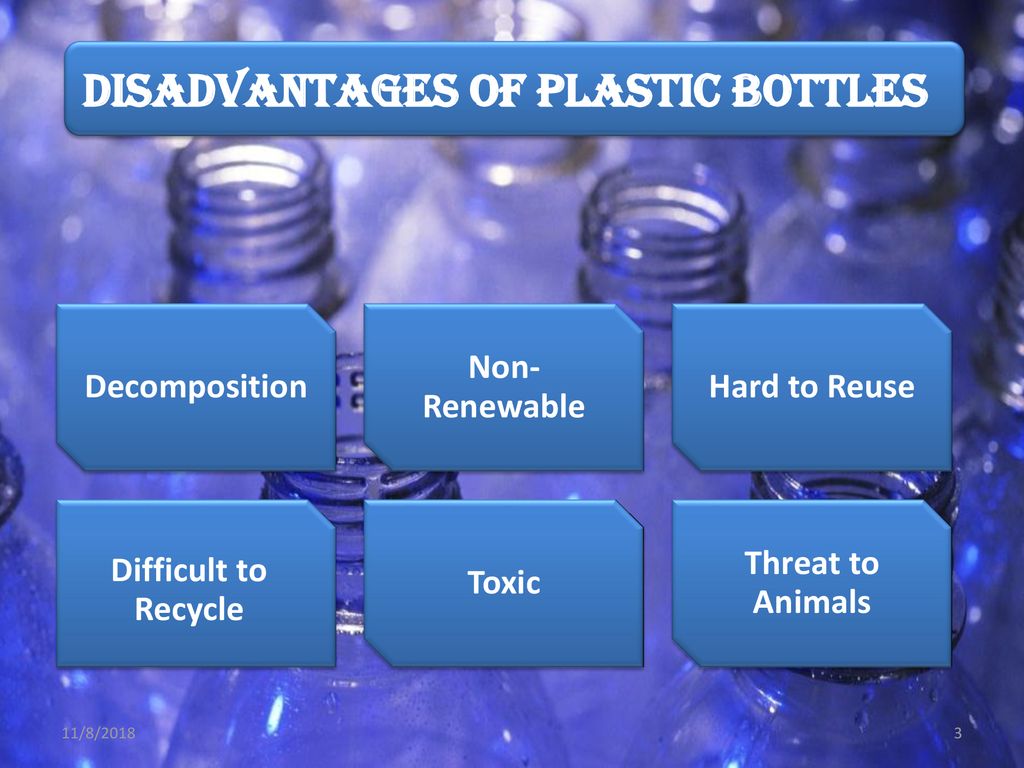
Plastic containers have become ubiquitous due to their convenience and lightweight nature, but they also come with a number of significant disadvantages. These drawbacks can affect not only the environment but also human health.
Environmental Impact
The use of plastic containers contributes significantly to environmental degradation. Plastics are derived from fossil fuels, and their production involves the release of greenhouse gases. Additionally, most plastics are not biodegradable, leading to long-lasting pollution in landfills and oceans.
- Non-biodegradable: Plastics can persist in the environment for hundreds of years.
- Marine pollution: Plastics often end up in oceans, harming marine life.
- Resource-intensive: Manufacturing plastic containers requires substantial energy and non-renewable resources.
Health Concerns
Certain types of plastic containers can leach harmful chemicals into food and beverages. Substances like bisphenol A (BPA) and phthalates are linked to various health issues, including hormonal disruptions and increased cancer risks.
- Chemical leaching: Over time, and especially when exposed to heat, plastics can release toxic substances.
- Food safety: Not all plastics are safe for food contact, raising concerns about contamination.
- Health risks: Linked to potential reproductive and developmental issues.
Durability Issues
While plastic containers are often marketed for their durability, they can be prone to scratches and cracks, which can compromise their integrity. This fragility can lead to more frequent replacements, which is not cost-effective in the long run.
- Wear and tear: Plastics can degrade with time and exposure to elements.
- Reduced lifespan: Frequent handling can lead to damage, requiring more frequent purchases.
- Compromised safety: Damaged containers may harbor bacteria, posing health risks.
Limited Temperature Resistance
Many plastic containers are not suitable for extreme temperatures. Using them in microwaves or dishwashers can cause warping or melting, while freezing can lead to cracks. This limits their usability across different cooking and storage methods.
See also:
- Heat sensitivity: Plastics can release chemicals when heated beyond a certain point.
- Freezer risk: Freezing can change the container’s physical structure, leading to potential leaks.
- Food taste alteration: Heated plastics may alter the taste of food and beverages.
Cost of Recycling
While recycling is a potential solution for plastic waste, the process is often not cost-effective. Many types of plastics require extensive cleaning and processing, which can make recycling financially unviable.
- High processing costs: The recycling process can be expensive compared to the production of new plastic.
- Limited recycling facilities: Availability of recycling services often varies by region.
- Challenging materials: Contamination makes it harder to recycle plastics effectively.
Which is better for plants, clay or plastic pots?

When choosing between clay or plastic pots for plant cultivation, both types have their own advantages and disadvantages, impacting plant health, growth, and overall aesthetics. The decision often depends on the specific needs of the plants being grown, as well as the preferences of the gardener.
Durability and Longevity
Clay pots are known for their durability, as they are resistant to outdoor elements and can last for years, provided they are cared for properly. In contrast, plastic pots tend to be less durable, especially if they are exposed to extreme temperatures or sunlight regularly. However, they can also be resistant to cracking, which can sometimes make them more practical for certain applications.
- Clay pots can break if dropped or handled roughly.
- Plastic pots can fade over time but are less likely to suffer from cracks.
- Choosing a pot material also depends on desired longevity in your gardening setup.
Water Retention and Drainage
Clay pots excel in water retention due to their porous nature, which allows moisture to evaporate slowly. This property can help prevent overwatering, which is beneficial for many plants. On the other hand, plastic pots tend to retain more water, leading to an increased risk of root rot and other moisture-related issues unless proper drainage holes are included.
- Porous clay pots allow for air exchange and better drainage.
- Non-porous plastic pots might need additional drainage solutions.
- Understanding water needs of your plants helps determine the optimal pot choice.
Weight and Mobility
One of the most significant advantages of plastic pots is their lightweight nature, making them easier to move around, especially when planting larger specimens. Clay pots, while sturdy, are often much heavier, which can make them less practical for frequent relocation or for gardeners with limited strength.
- Plastic pots are often preferred for larger plants due to their lightweight.
- Clay pots provide better stability but can be cumbersome to move.
- Consider the mobility factor if you plan to rearrange your garden frequently.
Temperature Regulation
Clay pots are better at regulating soil temperature, helping to keep the roots cooler during hot weather and warmer in cold weather due to their natural insulation properties. Plastic pots, however, can heat up quickly, leading to fluctuations that may stress certain plants.
- Insulating properties of clay pots create a stable environment for roots.
- Rapid heat absorption in plastic pots can lead to root damage.
- Assess the climate in your area when choosing pot materials.
Environmental Impact
When considering the environmental impact, clay pots are made from natural materials, making them a more sustainable choice. Conversely, plastic pots are typically produced from petroleum-based resources, raising concerns about their eco-friendliness and recyclability, although many garden centers now offer recyclable options.
- Clay pots are biodegradable and have a smaller carbon footprint.
- Plastic pots can contribute to environmental waste unless properly recycled.
- Evaluate your potential impact on the environment when selecting pots.
Questions from Our Readers
What are the environmental concerns associated with plastic plant pots?
The use of plastic plant pots raises significant environmental concerns due to their non-biodegradable nature. Once disposed of, they can persist in landfills for years, contributing to plastic pollution in terrestrial and aquatic ecosystems. Additionally, the production of plastic pots involves the use of fossil fuels, which contributes to greenhouse gas emissions.
Do plastic plant pots affect soil health?
Plastic plant pots can negatively impact soil health if they do not allow for proper drainage and air circulation. This can lead to overwatering and root rot, hindering plant growth. Moreover, the chemicals in some plastics may leach into the soil, potentially affecting microbial activity and other soil organisms essential for ecosystem balance.
See also:
Are plastic plant pots durable compared to other materials?
While plastic plant pots are often more durable and lightweight compared to materials like clay, they can become brittle and break under exposure to UV light over time. This fragility can lead to waste and the need for frequent replacements, which may offset their initial durability advantage.
What alternatives exist to plastic plant pots?
Alternatives to plastic plant pots include biodegradable pots made from materials like peat, bamboo, or recycled paper. These options provide an environmentally friendly choice, as they break down more easily and won’t contribute to long-term plastic waste. Additionally, ceramic and metal pots offer durability and aesthetic appeal, though they can be heavier and more expensive.

If you want to read more articles like What are the disadvantages of plastic plant pots? 10 Key Drawbacks You Should Know, we recommend you check out our Pots category.
Leave a Reply
Related Articles