What are the Disadvantages of Lucerne Grass? A Comprehensive Overview
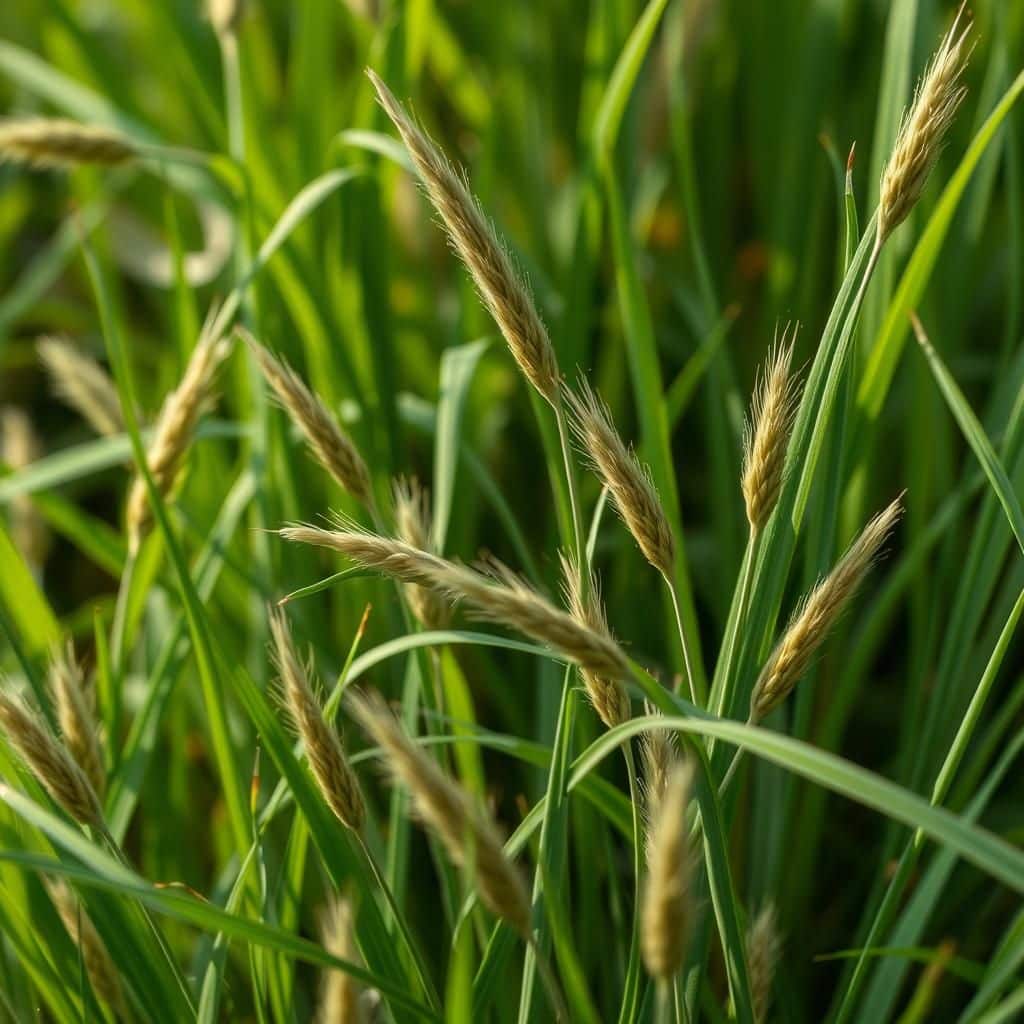
Lucerne grass, also known as alfalfa, is widely praised for its high nutritional value and benefits in livestock feed. However, it is essential to recognize that this forage has certain disadvantages that can impact agricultural practices and animal health. This comprehensive overview delves into the potential drawbacks of lucerne grass, including its susceptibility to pests and diseases, water and nutrient requirements, and management challenges. Understanding these factors is crucial for farmers and livestock producers to make informed decisions about incorporating lucerne grass into their feeding programs and optimizing their operations for sustainable production.
What are the Disadvantages of Lucerne Grass?
Lucerne grass, also known as alfalfa, is often praised for its high nutritional value and adaptability; however, it comes with several disadvantages that must be considered. One of the most prominent concerns is its susceptibility to various pests and diseases, including aphids and root rot, which can greatly impact yield and quality. Additionally, lucerne grass has a tendency to require more water than other forage crops, making it less suitable for regions with limited water resources. Furthermore, its deep root system can compete with other crops for nutrients, potentially leading to soil depletion in multi-crop systems. Lastly, the high protein content can also lead to nutritional imbalances in livestock if not managed correctly, particularly in ruminants, where excessive protein can disrupt digestion.
Susceptibility to Pests
Lucerne grass is particularly vulnerable to a range of pests such as aphids, leafhoppers, and spider mites. These pests can significantly reduce the growth and yield of the crop, leading to increased management costs as farmers must implement pest control measures. Additionally, the presence of pests can attract secondary issues, such as the spread of diseases, impacting the overall health of the lucerne grass.
Disease Risks
The cultivation of lucerne grass can be hampered by several diseases including root rot and downy mildew. These diseases can thrive in certain environmental conditions, and their impact can lead to poor stands and decreased productivity. Managing these diseases often requires careful crop rotation and the use of resistant varieties, adding complexity to lucerne grass farming.
Water Requirements
Lucerne grass is known for its high water requirements compared to other forage crops. It typically demands at least 20-30 inches of water annually, which can be a significant drawback in areas facing drought conditions or those reliant on minimal irrigation. This necessity for substantial water can limit its cultivation to regions with adequate rainfall, making it less versatile than other forage options.
Soil Depletion
The deep root system of lucerne grass allows it to extract moisture and nutrients from deeper soil layers, which can lead to soil depletion over time in continuous cropping systems. This can be particularly problematic in nutrient-poor soils where lucerne competes with neighboring plants, affecting the overall health of the ecosystem and reducing soil fertility in the long run.
Nutritional Imbalances
Due to its high protein content, lucerne grass can cause nutritional imbalances in livestock if not managed properly. Ruminants that consume excessive amounts of this forage may experience digestive issues such as bloat or acidosis, especially if introduced too quickly to lucerne-rich diets. Therefore, careful balancing of rations is crucial to prevent health complications in livestock.
| Disadvantage | Description |
|---|---|
| Pest Susceptibility | Lucerne grass is prone to pests that can reduce yield. |
| Disease Risks | Various diseases can impact the health and productivity of lucerne. |
| Water Requirements | Needs more water than many other forage crops. |
| Soil Depletion | Can deplete soil nutrients due to its deep roots. |
| Nutritional Imbalances | High protein content can lead to health issues in livestock. |
What are the negatives of lucerne?

Potential Nutritional Imbalances
Lucerne, also known as alfalfa, can cause nutritional imbalances in livestock diets if not managed properly. Its high protein content, coupled with a rich mineral profile, can lead to issues such as urea toxicity or excessive calcium levels. While it can be a beneficial forage, it's crucial to balance it with other feed to prevent negative effects on animal health.
- High protein levels can lead to urea buildup.
- Excessive calcium can disrupt the phosphorus ratio.
- Ruminants might experience digestive issues if lucerne is overconsumed.
Allergies and Sensitivities in Animals
Some animals may develop allergies or sensitivities to lucerne. This is particularly concerning for horses and certain livestock that might react negatively to the rich fiber content or specific proteins found in lucerne. Such sensitivities can manifest in various ways, including respiratory issues or skin problems, leading to a need for careful observation when introducing lucerne to their diet.
- Potential respiratory issues due to dust in cut lucerne.
- Skin irritations or allergies in sensitive animals.
- Possible digestive upset from sudden dietary changes.
High Fiber Content Effects
While fiber is essential for animal digestion, lucerne’s high fiber content can sometimes lead to complications in certain animals. In ruminants, excessive fiber intake from lucerne can cause bloat or impaction colic, especially if not provided with adequate water or if they consume it in large quantities without proper acclimatization.
- Potential for bloat in cattle and sheep.
- Increased risk of colic in horses.
- Need for proper water intake to offset high fiber effects.
Environmental Considerations
Producing lucerne can have significant environmental impacts due to its demand for water and land. Overcultivation can lead to soil degradation and decreased biodiversity in agricultural areas. Furthermore, its water-intensive nature may also lead to water scarcity issues, especially in regions where water resources are already strained.
See also:
- Overuse can lead to soil degradation and loss of nutrients.
- High water requirements can stress local water resources.
- Monoculture practices can reduce agricultural biodiversity.
Cost Implications
While lucerne is a highly nutritious forage option, the cost of cultivation and maintenance can be a downside. Farmers may face challenges with initial establishment costs, ongoing fertilizer needs, and pest management. This can lead to elevated expenses compared to other forage crops.
- Initial planting and establishment costs can be significant.
- Ongoing maintenance and fertilization expenses add up.
- Pest management can increase overall production costs.
Is too much lucerne bad for horses?

Lucerne, also known as alfalfa, is a popular forage choice for horses due to its high protein and nutrient content. However, feeding too much lucerne can pose health risks. The high protein level, combined with its calcium content, can lead to an imbalance in a horse's diet. Here are several factors to consider regarding the potential downsides of excessive lucerne consumption.
Risk of Colic
Overfeeding lucerne can increase the risk of colic, which is a condition that causes significant abdominal pain in horses. This is particularly true if horses are not accustomed to high levels of protein or are transitioned too quickly to lucerne.
- Horses may experience gas or bloating.
- Changes in gut flora can lead to digestive upset.
- Colic can necessitate emergency veterinary intervention.
Obesity and Laminitis
Excessive lucerne can contribute to obesity in horses, especially in those that are not very active. The rich caloric content may promote weight gain, which can subsequently lead to other issues such as laminitis.
- Obese horses are at higher risk for metabolic disorders.
- Laminitis can cause severe discomfort and difficulty in movement.
- Managing weight becomes more challenging with high-calorie diets.
Calcium-Phosphorus Imbalance
Lucerne is particularly high in calcium, which can create a dietary imbalance when fed in excess. This can interfere with the absorption of phosphorus, leading to potential skeletal issues.
- An imbalance can affect bone density and health.
- Horses might develop issues such as joint pain over time.
- A proper balance of minerals is crucial for overall health.
Behavioral Changes
Feeding too much lucerne may lead to behavioral changes in horses. The increased protein can sometimes make horses more excitable or energetic, which can affect their temperament.
- Horses may display nervous behaviors or hyperactivity.
- Increased energy levels might lead to more accidents or injuries.
- Unpredictable behavior can make handling and riding more difficult.
Impact on Teeth and Digestion
Excessive lucerne can have a detrimental impact on a horse’s teeth and overall digestion. The sticky nature of lucerne can lead to dental problems, while the lack of necessary roughage can affect gut motility.
- Sticky residues can lead to dental decay.
- Horses may experience difficulty chewing and digesting effectively.
- A reduction in essential roughage can lead to gastrointestinal issues.
What is lucerne good for?

Lucerne, also known as alfalfa, is a perennial flowering plant in the legume family that has a multitude of benefits for both livestock and human consumption. It is particularly renowned for its high nutritional content and versatility.
Nutritional Benefits for Livestock
Lucerne is highly valued in the agricultural industry for its role as feed for livestock. Its rich nutritional profile offers several advantages:
- Protein Source: Lucerne is an excellent source of protein, essential for muscle development and overall health in animals.
- Vitamins and Minerals: It is loaded with vitamins A, D, E, K, and minerals such as calcium, magnesium, and potassium, which support various bodily functions.
- Digestibility: The plant’s fibrous structure promotes good digestion, ensuring that livestock can absorb nutrients efficiently.
Human Nutrition
Lucerne sprouts and leaves are gaining popularity as nutritious food options for humans as well. They provide a range of health benefits:
See also:
- Rich in Antioxidants: Lucerne contains antioxidants that can help combat oxidative stress and inflammation in the body.
- Low in Calories: With low calorie content, they are ideal for weight management when included in a balanced diet.
- Dietary Fiber: The high fiber content aids in digestion and may help lower cholesterol levels.
Soil Improvement and Sustainability
Lucerne plays a significant role in enhancing soil health and sustainability. This is especially pertinent in agricultural practices:
- Nitrogen-Fixing: As a legume, lucerne has the ability to fix atmospheric nitrogen, enriching the soil and reducing the need for synthetic fertilizers.
- Soil Erosion Prevention: Its deep root system helps anchor soil, minimizing the risk of erosion.
- Crop Rotation Benefits: Including lucerne in crop rotations can improve the yield of subsequent crops and promote biodiversity.
Medicinal Properties
Lucerne has been used in traditional medicine and is believed to offer various health benefits:
- Cholesterol Regulation: Some studies suggest that lucerne may help lower cholesterol levels and support cardiovascular health.
- Anti-Inflammatory Effects: Its active compounds may reduce inflammation, providing relief for conditions like arthritis.
- Hormonal Balance: Lucerne is thought to aid in balancing hormone levels, which may be particularly beneficial for women during menopause.
Environmental Benefits
Lucerne contributes positively to the environment, making it a sustainable choice in agriculture:
- Carbon Sequestration: The plant captures carbon dioxide from the atmosphere, helping to mitigate climate change.
- Habitat for Wildlife: Lucerne fields can serve as habitats for various species, promoting biodiversity.
- Water Conservation: Its deep root systems can improve water infiltration and retention in the soil, enhancing water conservation efforts.
Does lucerne make a horse hot?
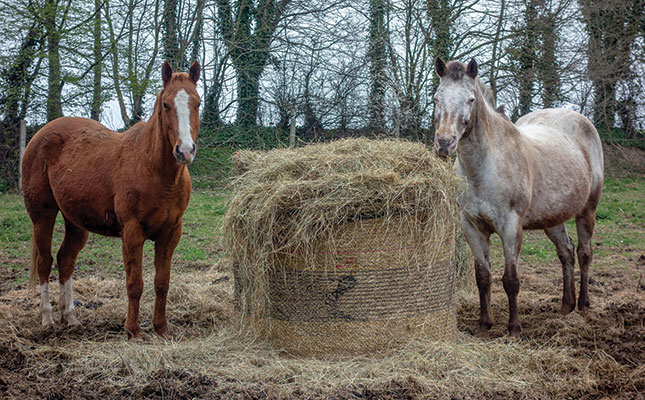
Lucerne, also known as alfalfa, is often questioned regarding its potential effects on horses, particularly whether it makes them hot. The term hot typically refers to horses that exhibit excessive energy or become overly excitable, particularly during training or riding.
Understanding Lucerne’s Nutritional Profile
Lucerne is a legume that is high in protein, calcium, and energy. Its rich nutritional content can contribute to a horse's overall vigor. A few key points include:
- Protein Content: Lucerne typically contains higher protein levels compared to grass hay, which can enhance muscle development.
- Energy Levels: The digestible energy in lucerne can provide significant fuel for active horses, potentially leading them to exhibit more energy.
- Calcium Levels: Its high calcium content can also influence metabolic functions, which might contribute to heightened energy levels.
Individual Horse Responses
The way lucerne affects a horse can vary significantly between individuals. Factors such as age, metabolism, and overall health play crucial roles:
- Age and Activity Level: Younger or more active horses may respond more energetically to lucerne compared to older or less active ones.
- Metabolic Rate: Some horses have faster metabolisms that may react more dramatically to the energy content in lucerne.
- Training History: Horses with different training backgrounds may exhibit varying levels of excitability when fed lucerne.
Feeding Management Practices
Proper management of lucerne intake is essential to prevent unwanted excitability in horses. Considerations include:
- Gradual Introduction: Introduce lucerne slowly to allow the horse's digestive system to adjust.
- Balancing Diet: Ensure that lucerne is part of a balanced diet that includes forage, grains, and other essential nutrients.
- Monitoring Behavior: Keep an eye on the horse's behavior and energy levels after feeding lucerne and adjust portions as necessary.
Signs of a 'Hot' Horse
Horses that become overly excitable after consuming lucerne may exhibit certain signs. These can include:
- High Energy Levels: A horse that seems unusually energetic or restless.
- Increased Heart Rate: Physical signs such as a racing heart during or after exertion.
- Difficulty Focusing: Trouble concentrating during training or rides, leading to erratic behavior.
Expert Opinions and Recommendations
Equine nutritionists and veterinarians often provide guidance regarding lucerne in a horse's diet. Recommendations frequently include:
- Assessment of Individual Needs: An evaluation of each horse's specific dietary needs and reactions to lucerne.
- Consulting Professionals: Engaging with an equine nutritionist to tailor diets for performance horses.
- Alternative Forages: Considering alternatives to lucerne if a horse consistently displays 'hot' behavior.
Questions from Our Readers
What impact does lucerne grass have on soil quality?
Lucerne grass can have both positive and negative impacts on soil quality. While it helps in fixing nitrogen and improving soil fertility, its deep rooting system can lead to soil compaction in certain conditions, which may hinder water infiltration and root growth for other plants.
How does lucerne grass affect surrounding vegetation?
The introduction of lucerne grass can sometimes lead to competition with surrounding vegetation. Its vigorous growth and ability to dominate smaller species can result in reduced biodiversity, as it outcompetes native plants for sunlight, nutrients, and space.
See also:
Are there any pest issues associated with lucerne grass?
Yes, lucerne grass is susceptible to various pests such as the lucerne flea and aphids, which can adversely affect its growth and yield. These pests can lead to increased costs for farmers due to the need for frequent monitoring and potential pesticide applications.
What are the water requirements for lucerne grass?
Lucerne grass typically has high water requirements, especially during its growth stages. Inadequate water availability can lead to reduced yield and quality, making it important for farmers to ensure proper irrigation and manage water resources effectively.

If you want to read more articles like What are the Disadvantages of Lucerne Grass? A Comprehensive Overview, we recommend you check out our Turf category.
Leave a Reply
Related Articles