What are the Disadvantages of Bougainvillea? Essential Insights for Gardeners
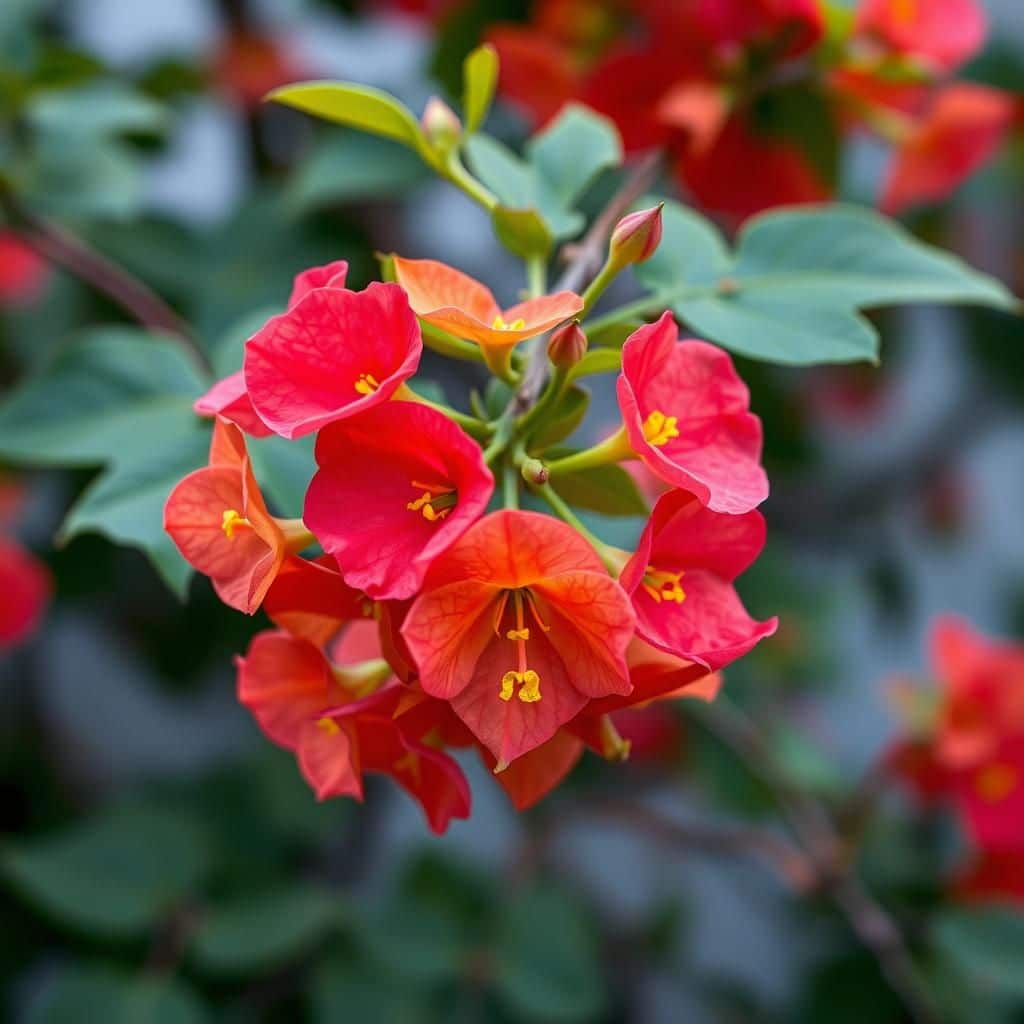
Bougainvillea is a vibrant and popular plant choice for gardeners seeking to add a splash of color to their outdoor spaces. However, despite its beauty and allure, this climbing vine comes with its own set of disadvantages that gardeners should be aware of. From its aggressive growth habits to the challenges of maintenance and care, understanding these drawbacks is essential for anyone looking to incorporate bougainvillea into their landscape. In this article, we will explore the potential downsides of bougainvillea and provide essential insights for gardeners to make informed decisions about this stunning yet demanding plant.
Disadvantages of Bougainvillea
Bougainvillea, while a beautiful and vibrant addition to gardens, does come with several disadvantages that potential growers should consider. One of the primary concerns is its invasiveness, as it can quickly take over garden spaces and outcompete other plants. Additionally, its thorns can pose a risk to people and pets, making it less suitable for areas with high foot traffic. Bougainvillea also requires specific growing conditions and can be sensitive to water levels, as it does not thrive in poorly draining soils. Moreover, its seasonal blooming means that outside of its active blooming period, the plant can appear quite bare and unappealing. Lastly, if not pruned regularly, bougainvillea can become leggy and sparse, negatively affecting its aesthetic appeal.
Invasiveness
Bougainvillea is known for its rapid growth and ability to spread quickly, which can lead to it becoming an invasive species in various regions. This can result in the plant overtaking other flora, disrupting local ecosystems, and requiring substantial effort to manage. Gardeners might find themselves needing to regularly prune or even remove sections of bougainvillea to maintain balance in their garden environments.
Thorns and Damage
One of the more practical disadvantages of bougainvillea is its thorns. These sharp protrusions can cause cuts and scrapes, posing a risk to gardeners and pets alike. This characteristic can limit where the plant is placed, as areas with high human or animal traffic may not be suitable, making bougainvillea a less ideal choice for family-friendly gardens.
Specific Growing Conditions
Bougainvillea thrives in certain growing conditions, requiring well-draining soil and plenty of sunlight. It can be quite sensitive to overwatering, leading to root rot, and it does not perform well in humid environments. As a result, gardeners in less than ideal climates or soil conditions might struggle to cultivate healthy plants, finding the maintenance to be more demanding than anticipated.
Seasonal Blooming
The plant's seasonal blooming habits can also be seen as a disadvantage. Bougainvillea typically exhibits its vibrant colors during the warmer months, leading to a period of dormancy where the plant loses its aesthetic appeal. During this time, the plant can appear sparse and uninviting, which can be disappointing for gardeners looking for year-round visual interest.
Maintenance and Pruning
Lastly, bougainvillea tends to require regular maintenance and pruning to keep it healthy and visually appealing. If left unchecked, the plant can grow excessively large and become leggy, diminishing its attractiveness. Gardeners need to invest time and effort in both formative and rejuvenation pruning, which can be a deterrent for those seeking low-maintenance landscape options.
| Disadvantage | Description |
|---|---|
| Invasiveness | Can rapidly spread and take over garden spaces. |
| Thorns | Sharp thorns can cause injuries to people and pets. |
| Specific Conditions | Requires specific soil and climate conditions to thrive. |
| Seasonal Blooming | Bears vibrant blooms only during specific seasons. |
| Maintenance | Needs regular pruning to maintain shape and health. |
Where should you not plant bougainvillea?
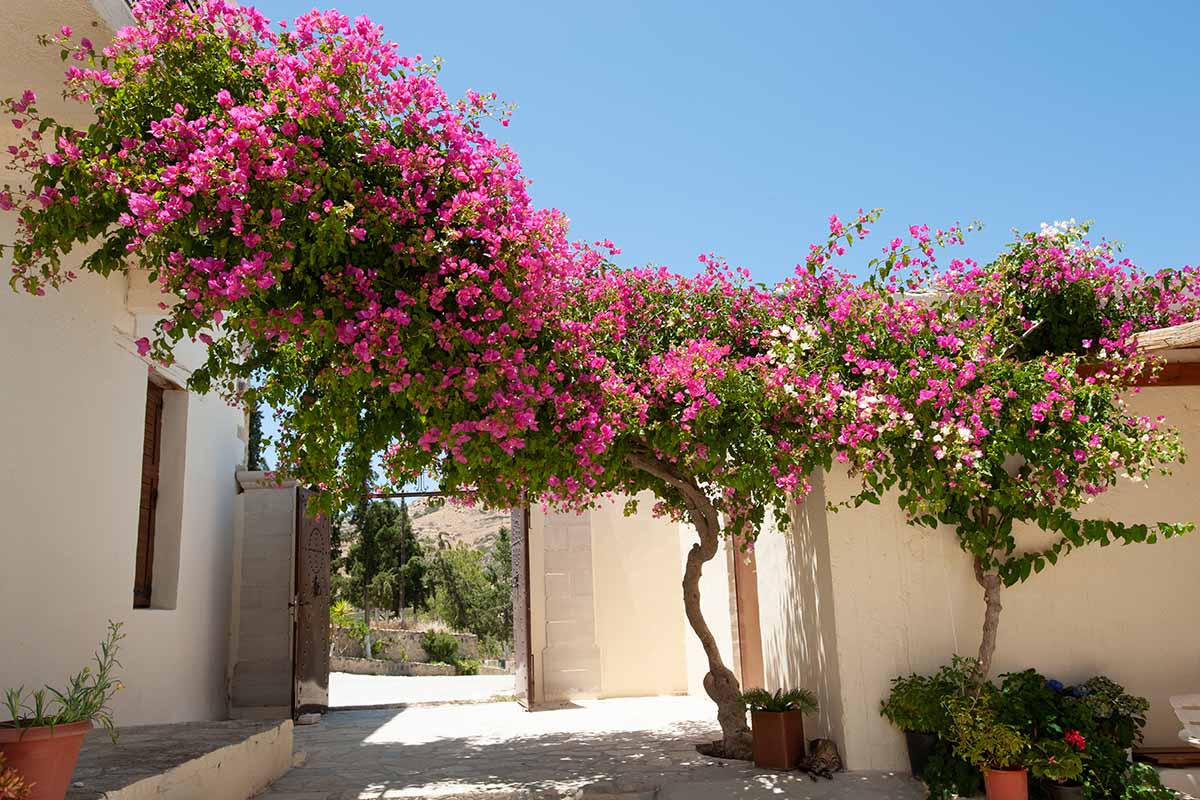
Bougainvillea is a vibrant and hardy plant known for its stunning flowers, but it has specific requirements and preferences for optimal growth. Understanding where not to plant bougainvillea is crucial for its health and flourishing. Here are the key locations to avoid:
Areas with Poor Drainage
Bougainvillea thrives in well-draining soil, which prevents root rot and other diseases. Poor drainage can lead to waterlogged roots, adversely affecting the plant's growth and health.
- Heavy clay soils hold water.
- Low-lying areas where water accumulates.
- Locations with inadequate soil amendments to improve drainage.
Shaded Locations
Bougainvillea requires plenty of sunlight to bloom effectively. Planting in shaded areas can cause leggy growth and reduced flowering.
- Underneath large trees that obstruct sunlight.
- On the northern side of buildings where sunlight is limited.
- In densely wooded areas with little direct light.
Areas with Cool Climates
Bougainvillea is a tropical plant that flourishes in warm climates. Chilly temperatures can stunt its growth or kill it entirely.
- Regions with frequent frost or snow.
- North-facing slopes that remain cooler.
- Areas where nighttime temperatures drop significantly.
High-Wind Areas
Bougainvillea can be vulnerable to strong winds that can damage its delicate branches and flowers. It is essential to avoid places where wind is a constant issue.
See also:
- Open fields without natural windbreaks.
- Coastal areas prone to strong gusts.
- Ridge tops that experience continuous exposure to winds.
Contaminated Soil Locations
Planting bougainvillea in areas with contaminated or poor-quality soil can hinder its growth and lead to health problems.
- Near industrial sites with potential soil pollutants.
- Landfills where decomposition might release harmful compounds.
- Areas previously treated with toxic pesticides.
Do bougainvillea grow better in pots or ground?
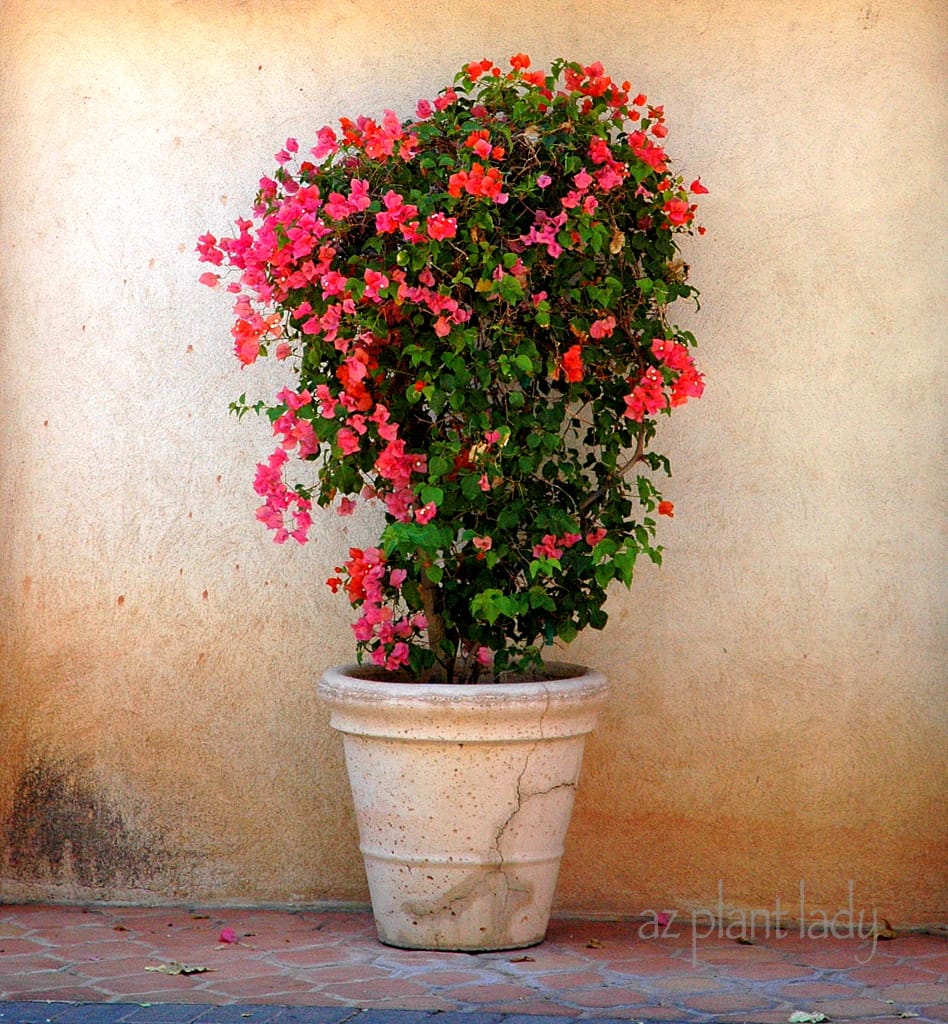
Bougainvillea can grow effectively in both pots and the ground, but each method has its advantages and disadvantages. The choice between these growing conditions largely depends on specific factors such as climate, space, and personal preferences.
Advantages of Growing Bougainvillea in Pots
Growing bougainvillea in pots comes with several benefits:
- Mobility: Potted bougainvillea can be moved to optimize sunlight exposure and protect them from harsh weather conditions.
- Soil Control: Container gardening allows for better control over the soil type and watering conditions, which is crucial for bougainvillea.
- Space Management: Pots can be placed in limited spaces like balconies or patios, making bougainvillea accessible for people with restricted garden areas.
Challenges of Growing Bougainvillea in Pots
While there are advantages, there are notable challenges as well:
- Watering Needs: Potted plants might dry out quickly, requiring more frequent watering compared to those planted in the ground.
- Size Limitations: Bougainvillea can grow large, and pots may restrict their growth, leading to potential stunting.
- Root Health: Over time, roots may become root-bound, limiting nutrient uptake and overall health.
Benefits of Planting Bougainvillea in the Ground
Planting bougainvillea directly in the ground offers distinct benefits:
- Natural Growth: In the ground, bougainvillea can develop deeper and more extensive root systems, leading to more robust growth.
- Water Retention: Soil in the ground tends to retain moisture better, which may reduce the frequency of watering needed.
- Long-term Investment: Ground-planted bougainvillea can live longer and thrive better as they adapt to local soil and climate conditions.
Potential Issues with Ground Planting
Despite its advantages, there are issues to consider when planting in the ground:
- Space Requirements: Bougainvillea takes up more space when planted in the ground, which may not be ideal for small gardens.
- Less Control: Soil quality and drainage might vary, making it harder to manage the plant's watering and nutrient needs.
- Environmental Risks: Ground-planted bougainvillea can be more vulnerable to pests, diseases, and extreme weather conditions.
Factors to Consider When Choosing Between Pots or Ground
When deciding where to plant bougainvillea, consider the following factors:
- Climate: Assess the local climate and how it impacts plant growth in pots vs. the ground.
- Available Space: Evaluate the available space for gardening—potting may work better in confined areas.
- Growth Goals: Determine the desired size and appearance of the bougainvillea; pots can limit growth.
Is A bougainvillea good or bad for you?
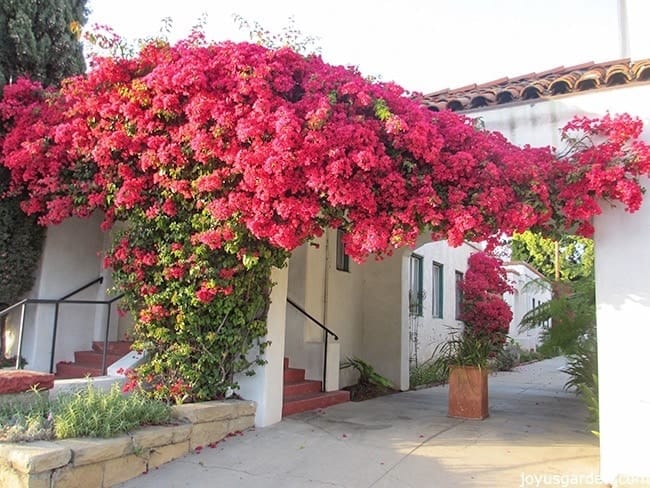
Is a bougainvillea good or bad for you? Bougainvillea is a popular ornamental plant known for its vibrant colors and ability to thrive in various climates. Whether it's considered good or bad largely depends on the context in which it's being assessed—particularly regarding health, environmental impact, and maintenance.
Health Benefits of Bougainvillea
Bougainvillea possesses several health benefits that can be advantageous if used properly.
- Anti-inflammatory properties: The plant contains compounds that may help reduce inflammation.
- Natural remedy: Bougainvillea can be used in traditional medicine for treating various ailments, such as fever and dysentery.
- Aesthetic value: Its vibrant colors can enhance mood and reduce stress levels through visual stimulation.
Allergens and Sensitivities
On the downside, bougainvillea can pose risks for individuals with allergies or sensitive skin.
- Pollen production: Bougainvillea produces pollen that can trigger respiratory issues in allergic individuals.
- Thorns: The presence of thorns on the plant can cause skin irritation or injury when handling the plant.
- Contact dermatitis: Some people may experience allergic reactions upon contact with the plant's leaves or sap.
Environmental Impact
Bougainvillea can be beneficial or detrimental to the environment depending on where it is planted.
See also:
- Local biodiversity: It can contribute positively to local biodiversity by attracting pollinators like bees and butterflies.
- Invasive species: In certain areas, bougainvillea may become invasive, outcompeting native species and disrupting local ecosystems.
- Soil health: Bougainvillea helps improve soil by preventing erosion with its deep root systems.
Maintenance and Care
The maintenance of bougainvillea requires specific practices to ensure its health and longevity.
- Watering needs: Bougainvillea prefers dry conditions and should not be over-watered to prevent root rot.
- Sunlight requirements: This plant thrives in full sun, needing at least 5 hours of direct sunlight per day.
- Pruning: Regular pruning helps stimulate blooming and maintain the desired shape and size.
Uses of Bougainvillea in Landscaping
Bougainvillea is widely utilized in landscaping due to its beautiful appearance and versatile growth habits.
- Garden design: Its colorful bracts make it an excellent choice for creating vibrant garden borders or focal points.
- Hedging: Bougainvillea can be shaped into hedges that provide privacy without losing aesthetic appeal.
- Vertical gardening: It is often used on trellises, arbors, and walls to create lush vertical gardens.
What is the secret to growing bougainvillea?
To successfully grow bougainvillea, certain secrets and techniques can significantly enhance its development and flowering. This vibrant, tropical plant thrives in specific conditions, and understanding its needs is crucial for achieving a lush growth and a spectacular display of colors.
Understanding Bougainvillea’s Native Habitat
Bougainvillea originates from the tropical and subtropical regions of South America. Understanding its native habitat is essential for replicating the conditions that promote robust growth. Key elements include:
- Sunlight: Bougainvillea thrives in full sun, requiring at least 5 to 6 hours of direct sunlight daily.
- Soil: They prefer well-draining soil rich in organic matter, typically sandy or loamy.
- Temperature: These plants flourish in warm temperatures, ideally between 70°F and 100°F (21°C to 38°C).
Optimal Watering Techniques
Proper watering practices are critical for the health of bougainvillea. Over-watering can lead to root rot, while under-watering may inhibit flowering. Here’s how to find the right balance:
- Watering Schedule: Allow the soil to dry out completely between waterings. Water deeply but infrequently.
- Seasonal Adjustments: Reduce watering in the fall and winter months when the plant is dormant.
- Humidity Levels: While bougainvilleas are drought-tolerant, they benefit from occasional misting in dry climates to maintain humidity.
Fertilization Strategies
Regular fertilization plays a vital role in the growth and blooming of bougainvilleas. The right nutrients can significantly enhance flower production. Consider the following strategies:
- Type of Fertilizer: Use a balanced fertilizer or one high in phosphorus, which supports flowering.
- Application Frequency: Fertilize every 4 to 6 weeks during the growing season (spring and summer).
- Organic Options: Compost and well-rotted manure can provide essential nutrients while improving soil structure.
Pruning Techniques for Healthier Growth
Pruning is essential for maintaining the shape and vitality of bougainvillea. Proper pruning encourages denser growth and more abundant flowers. Follow these tips:
- Timing: Prune in late winter or early spring before new growth begins.
- Cutting Technique: Use clean, sharp shears to cut back overly long stems and shape the plant.
- Encouraging Blooms: Removing spent flowers can promote new growth and additional flowering cycles.
Pest and Disease Management
Like any plant, bougainvillea is susceptible to pests and diseases. Implementing effective management strategies is crucial for maintaining plant health. Consider the following:
- Common Pests: Watch for aphids, spider mites, and mealybugs. Regular inspections can help identify problems early.
- Disease Prevention: Ensure proper airflow around the plant to prevent fungal diseases and root rot.
- Organic Treatments: Utilize insecticidal soaps or neem oil as a natural pest control method when necessary.
Questions from Our Readers
What are the common problems associated with bougainvillea?
Bougainvillea can present several common problems, including susceptibility to a variety of pests like aphids and spider mites. Moreover, they may suffer from root rot if overwatered, leading to declining health and eventual death of the plant if not addressed promptly.
Are bougainvillea thorny plants?
Yes, bougainvillea is known for its sharp thorns, which can pose a risk of injury to gardeners and passersby. This characteristic can make maintenance and handling quite challenging, especially in residential areas or where children are present.
Do bougainvillea require a lot of maintenance?
While bougainvillea is considered a low-maintenance plant in terms of drought tolerance, it does require regular pruning to maintain its shape and encourage blooming. Without proper care, it can become overgrown and unmanageable, leading to an unattractive appearance.
Can bougainvillea damage property?
Yes, bougainvillea can potentially damage property if not properly managed. Its vigorous growth can lead to the climbing of structures, which may result in structural issues or the invasion of plumbing systems if not kept in check.
See also:

If you want to read more articles like What are the Disadvantages of Bougainvillea? Essential Insights for Gardeners, we recommend you check out our Gardeners category.
Leave a Reply
Related Articles