What are the disadvantages of a wooden pergola? Exploring the Drawbacks and Limitations

Wooden pergolas are often cherished for their aesthetic appeal and ability to enhance outdoor spaces. However, while they can add charm and functionality to gardens and patios, they are not without their drawbacks. This article aims to explore the disadvantages of wooden pergolas, shedding light on limitations such as maintenance requirements, susceptibility to weather damage, and cost considerations. Understanding these potential pitfalls is essential for homeowners contemplating the installation of a wooden pergola, ensuring that their investment aligns with long-term needs and preferences.
Disadvantages of Wooden Pergolas
Wooden pergolas can enhance outdoor spaces, but they come with several disadvantages that homeowners should consider. One significant drawback is the maintenance required; wooden materials are prone to rot, insect infestations, and weathering, necessitating regular treatment and finishes to preserve their integrity. Additionally, wooden pergolas may have a shorter lifespan compared to those constructed from alternative materials, such as vinyl or metal, which are often more durable. Furthermore, wood can be susceptible to warping and splitting, especially in areas with extreme temperature fluctuations or high humidity levels, leading to potential structural issues. Finally, the initial cost of high-quality wood can be considerably higher than other materials, impacting the overall budget for outdoor projects.
Maintenance Requirements
Maintaining a wooden pergola can be quite labor-intensive. Wooden structures require frequent inspections for signs of rot and insect damage, and regular treatments with water repellents, sealants, and stains are necessary to protect the wood from the elements. Failure to properly maintain the pergola can lead to degradation of the wood, resulting in costly repairs or replacement.
Susceptibility to Rot and Insects
Wood is particularly vulnerable to rot and insect infestations, such as termites and wood-boring beetles. Over time, exposure to moisture without proper upkeep can lead to significant damage, undermining the structural integrity of the pergola. Choosing untreated wood increases these risks, while treated wood can raise concerns regarding toxicity and environmental impact.
Weather can greatly impact the durability of wooden pergolas. In regions with extreme weather conditions, wood can expand and contract, leading to warping or cracking. Prolonged exposure to rain or moisture can accelerate decay, while intense sunlight can cause fading and drying out of the wood, necessitating more maintenance than other materials that offer better resistance to harsh weather.
Costo y presupuesto
The initial cost of a wooden pergola can be substantial, particularly when using high-quality hardwoods. While wood may offer an attractive aesthetic, its price can be a significant factor for homeowners, especially in comparison to vinyl or metal alternatives, which may have a lower upfront cost and require less maintenance in the long term.
Limited Lifespan
Compared to metal or composite structures, wooden pergolas generally have a shorter lifespan. The effects of weather, pests, and the need for regular maintenance can lead to deterioration over time. Homeowners should weigh the beauty and customization potential of wood against the reality of its limited longevity when planning outdoor projects.
| Disadvantage | Description |
|---|---|
| Maintenance | Requires regular treatment and inspections to prevent rot and damage. |
| Rot and Insects | Vulnerable to decay and infestations, especially without proper care. |
| Weather-Related Issues | Exposed to warping and cracking from fluctuating weather conditions. |
| Cost | Higher initial investment in quality wood compared to other materials. |
| Lifespan | Typically shorter lifespan than metal or composite options. |
Are wooden pergolas worth it?
Cost Considerations
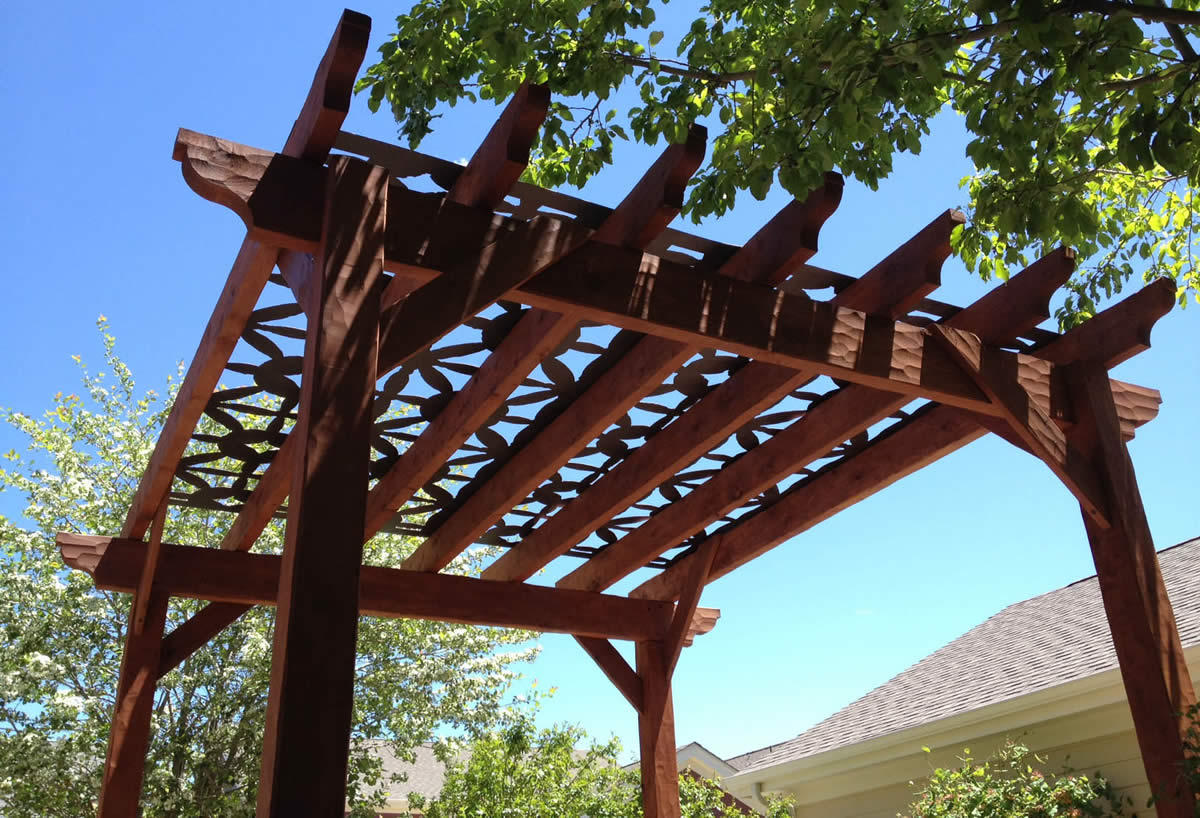
The cost of a wooden pergola can vary widely based on several factors, including the type of wood used, the size of the structure, and whether it is built professionally or as a DIY project. It's essential to weigh the initial investment against potential benefits. Here are some key aspects to consider:
- Material Costs: Different types of wood have different price points. Cedar, for example, is known for its durability and resistance to weather, which may make it a more expensive option.
- Installation Costs: Hiring a professional may be more costly, but it can also ensure better quality and longevity.
- Long-Term Investment: Investing in a wooden pergola may increase property value and enhance your outdoor living space, which can be a significant saving in the long run.
Maintenance Requirements
Maintaining a wooden pergola is crucial to ensuring its longevity and aesthetic appeal. Wooden structures require regular maintenance to prevent decay and insect infestation. Here are the main maintenance aspects to consider:
- Sealing and Staining: Regular staining or sealing can protect the wood from moisture and UV damage, prolonging its lifespan.
- Cleaning: Periodic cleaning can help maintain its appearance and prevent mold or mildew from developing.
- Repairs: It's essential to inspect the pergola regularly for signs of damage and to address any issues promptly to avoid larger repairs later.
Design Versatility
Wooden pergolas are known for their design versatility, allowing homeowners to personalize their outdoor spaces. They can complement various architectural styles and landscapes. Key design considerations include:
- Customization: Wooden pergolas can be tailored in size, shape, and style to fit specific preferences and needs.
- Integration: They can easily integrate with other structures like decks, patios, or gardens, enhancing the overall aesthetics.
- Functionality: Pergolas can serve multiple purposes, such as creating shaded areas, supporting climbing plants, and defining outdoor living spaces.
Environmental Impact
When considering the worthiness of a wooden pergola, it's important to examine its environmental impact. Wood is a renewable resource, but sustainability practices vary widely. Important points to consider include:
- Source of Wood: Choosing sustainably sourced wood from certified suppliers can minimize environmental damage.
- Carbon Footprint: Wood structures can have a lower carbon footprint compared to other materials, like metal or plastic, if sourced responsibly.
- Lifespan and Disposal: Knowing the durability of the wood helps in understanding its overall environmental impact and disposal methods at the end of its life.
Adding Value to Your Property
A well-constructed wooden pergola can enhance the overall value of your property. Its impact on aesthetics and function can be significant. Consider these factors:
- Curb Appeal: A stylish pergola improves your home's exterior appearance, making it more attractive to potential buyers.
- Outdoor Living Space: Adding a pergola extends your living area outdoors, which is highly desirable in the real estate market.
- Potential ROI: Many homeowners see a return on investment through increased home value and enhanced functionality of their outdoor space.
What is the life expectancy of a wooden pergola?
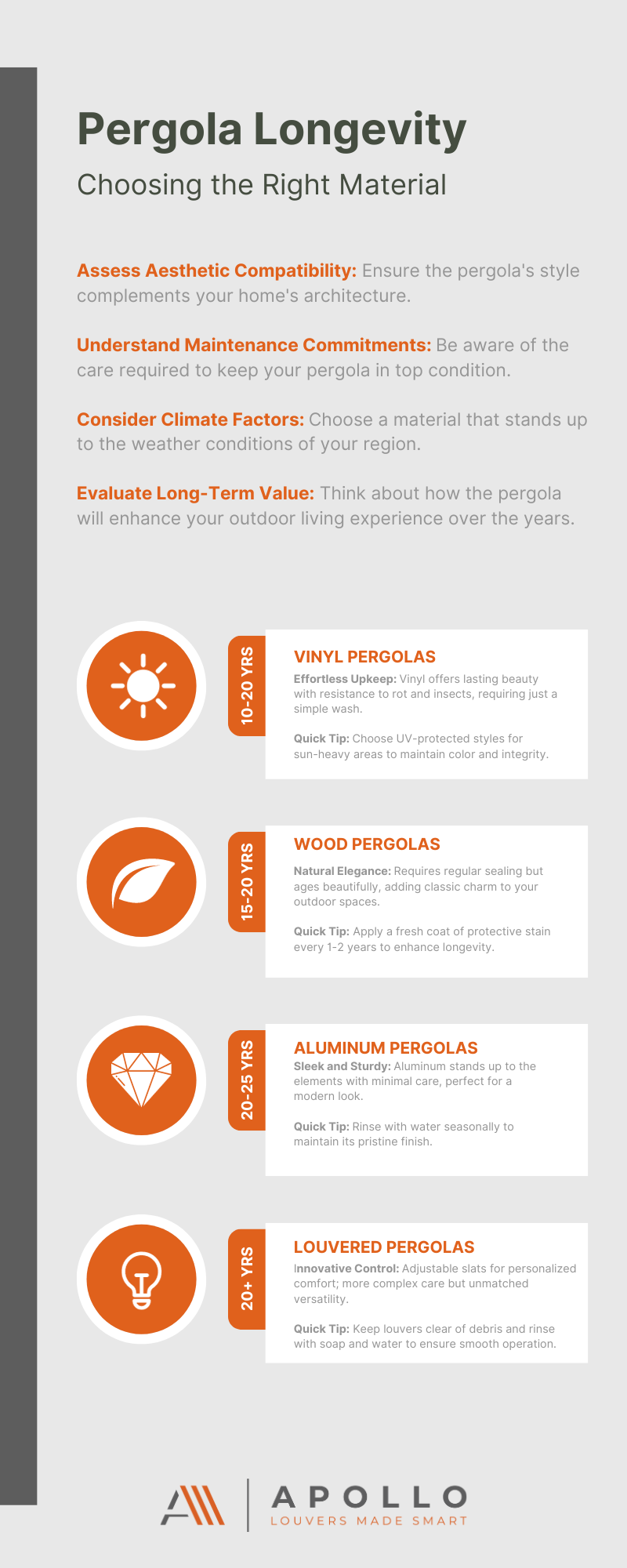

The life expectancy of a wooden pergola can vary significantly based on several factors, including the type of wood used, maintenance practices, environmental conditions, and overall construction quality. Generally, a well-constructed wooden pergola made from high-quality materials can last anywhere from 10 to 30 years. However, with proper care and maintenance, some pergolas may last even longer.
Factors Affecting Lifespan
The longevity of a wooden pergola is influenced by numerous factors. Some principal considerations include the following:
- Wood Type: Hardwoods like cedar and redwood naturally resist decay better than softwoods.
- Climate: Regions with harsh weather (heavy rains, snow, or extreme UV exposure) can reduce lifespan.
- Maintenance: Regular staining, sealing, and proper cleaning can significantly enhance durability.
Types of Wood Used
The type of wood chosen for the pergola plays a crucial role in determining its lifespan. Common choices include:
- Cedar: Naturally resistant to rot, cedar can last up to 30 years with maintenance.
- Redwood: Similar to cedar but typically more expensive; it can also endure 25-30 years.
- Pine: A more affordable option, however, it requires treatment and regular maintenance to achieve a lifespan of about 10-15 years.
Maintenance Tips for Longevity
To maximize the life of a wooden pergola, regular maintenance is essential. Consider these practices:
- Sealing: Applying a sealant every few years protects the wood from moisture and UV damage.
- Cleaning: Regularly removing debris and dirt prevents mold and decay.
- Inspection: Routinely check for signs of damage or pest infestation to address issues early.
Environmental Considerations
The environment where a pergola is located can greatly impact its lifespan. Important factors include:
- Moisture Levels: High humidity or frequent rain can accelerate decay unless preventative measures are taken.
- Sun Exposure: Direct sunlight can cause the wood to dry out and split, necessitating protective treatments.
- Wind Exposure: Locations with high winds can cause structural stress and might require stronger construction techniques.
Construction Quality
The overall quality of the construction also significantly affects longevity:
- Foundation: A solid foundation prevents shifting and settling, which can lead to structural issues.
- Joinery: High-quality joints and fasteners resist wear and offer better durability.
- Design: A well-thought-out design that allows for drainage and airflow can mitigate moisture-related problems.
What happens when it rains on a pergola?
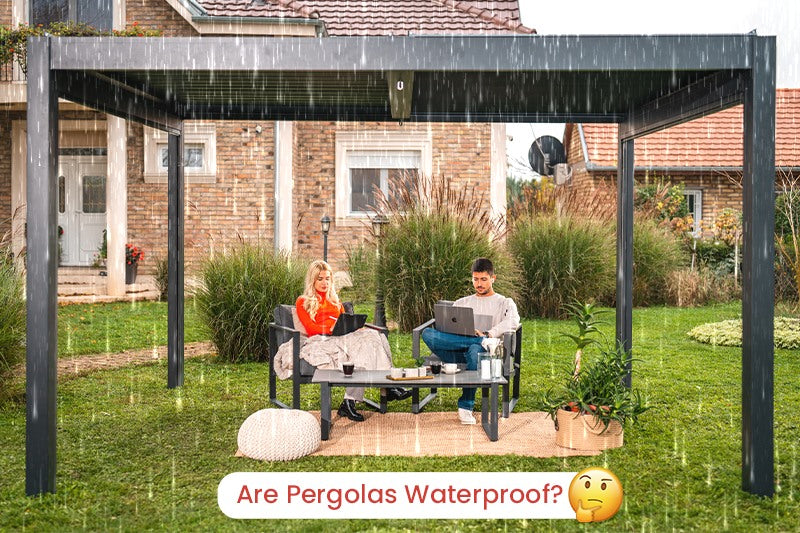
When it rains on a pergola, several factors come into play that can affect its structure, surrounding areas, and overall functionality. A pergola is typically designed as an outdoor structure, providing partial shelter. Here are the details regarding the consequences of rain on a pergola:
Structural Impact on the Pergola
Rain can have both positive and negative effects on the structural integrity of a pergola. Over time, continuous exposure to moisture can lead to issues such as:
- Wood Rot: If the pergola is made from wood, prolonged rain can cause the wood to absorb moisture, leading to rot and decay.
- Metal Corrosion: For metal pergolas, water can cause rust to form, which diminishes the lifespan and appearance of the structure.
- Weakening Joints: Rain can lead to the weakening of joints and connections, compromising the overall stability of the pergola.
Water Drainage Considerations
A well-designed pergola should account for water drainage to minimize pooling and prevent damage. Factors affecting water drainage include:
- Gutter Installation: Installing gutters can help direct rainwater away from the structure, preventing water from accumulating on the roof.
- Sloped Roof Design: A sloped design encourages water runoff, reducing the likelihood of standing water.
- Ground Drainage: Ensuring proper drainage around the base of the pergola is essential to avoid water seeping into the foundation.
Impact on Surrounding Area
When it rains, the area beneath and around the pergola can be affected in multiple ways. These include:
- Soil Saturation: Continuous rain can lead to excess water saturation in the soil, potentially affecting plant life.
- Mud and Erosion: Heavy rainfall can cause mud to accumulate and erode the ground surrounding the pergola.
- Puddles Formation: If the drainage is insufficient, puddles may form, creating an unpleasant and muddy environment.
Usage During Rainy Weather
The utility of a pergola during rain can vary based on its design and material. Considerations for usage include:
- Temporary Shelter: A pergola provides limited shelter; however, heavier rains may still result in getting wet.
- Enjoyment of Rain Sounds: Some people find the sound of rain on a pergola soothing, enhancing their outdoor experience.
- Protecting Furniture: It can help protect outdoor furniture from direct rain, but additional covers may be needed for full protection.
Maintenance After Rain
After a rainstorm, specific maintenance tasks can help ensure the longevity of the pergola, including:
- Inspection: Regularly inspect for signs of damage, such as rust or rot, to address issues early.
- Cleaning: Remove debris and dirt from the roof and gutters to prevent clogs and promote effective drainage.
- Sealing: Apply protective sealants or paints to wood or metal surfaces to bolster resistance against moisture.
What are the cons of a pergola?
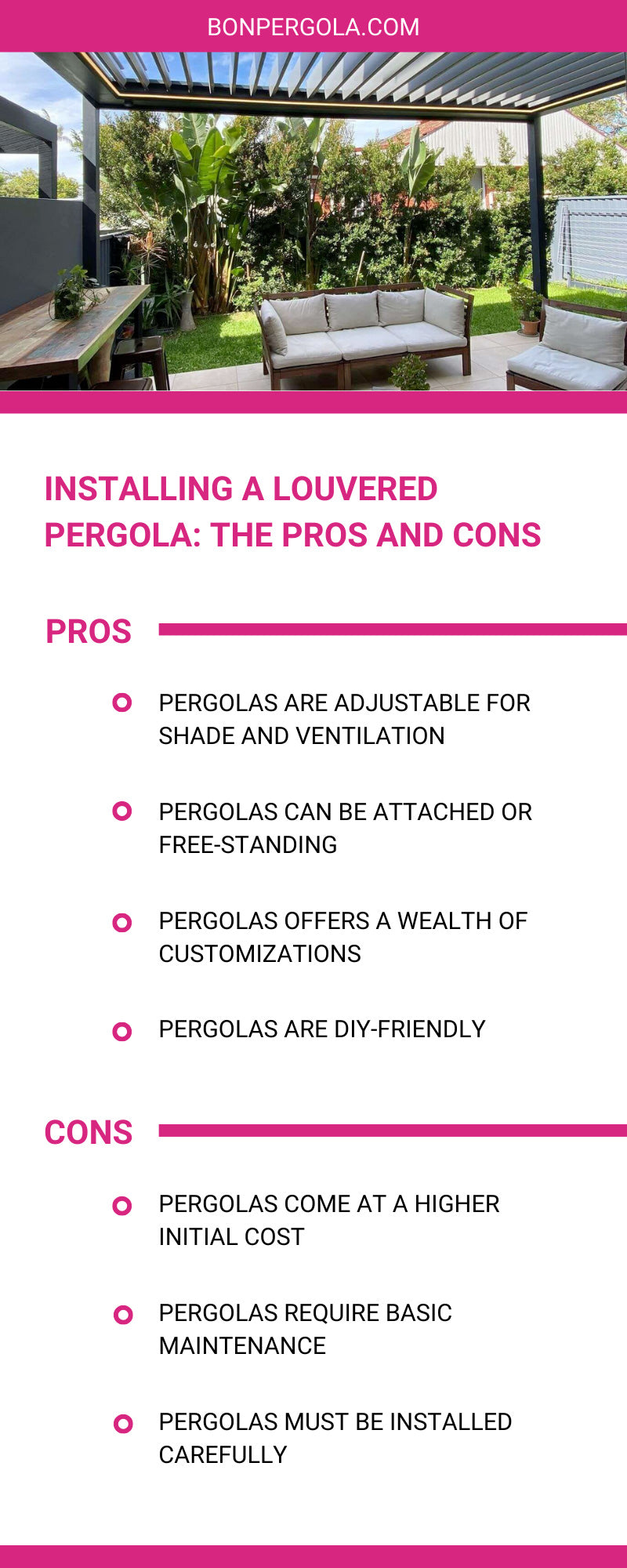

Pergolas can be a beautiful addition to any garden or outdoor space, but they also come with a variety of cons that potential buyers should consider. Here are some of the disadvantages associated with pergolas:
1. Limited Weather Protection: Unlike fully covered structures, pergolas provide minimal protection from the elements. Rain and snow can easily pass through, making the space less usable during inclement weather.
2. Maintenance Requirements: Depending on the material used, pergolas can require substantial maintenance. Wooden pergolas, for instance, may need regular staining or sealing to prevent rot and decay, while metal structures may require rust treatment.
3. Potential Structural Weakness: The open design of pergolas can make them susceptible to wind damage, particularly in areas prone to high winds. Over time, the structure may weaken if not properly maintained or secured.
4. Limited Functionality: A pergola primarily offers an aesthetic appeal rather than practical space. Unlike fully enclosed patios, they do not provide privacy or a fully functional outdoor room, which could limit their use and enjoyment.
5. Cost Implications: While a pergola can be a stylish addition, the costs of materials and installation can add up. Depending on the design and materials, it may not be a budget-friendly option for all homeowners.
Limited Weather Protection
Pergolas offer minimal shelter from weather elements, which is one of their main disadvantages. This limitation can lead to discomfort during rainy or extremely sunny days.
- Rain can make furniture and surfaces wet and unusable.
- Direct sunlight exposure can render the area too hot for comfortable use.
- Minimal snow coverage can lead to accumulated snow on furniture and flooring.
Maintenance Requirements
Different materials used in constructing pergolas require different levels of maintenance. Regular upkeep can be a significant factor when deciding on a pergola.
- Wooden pergolas need periodic staining and sealing to protect against weather-related damage.
- Metal pergolas may require treatments for rust and corrosion.
- Over time, failing to maintain a pergola could lead to costly repairs or replacements.
Potential Structural Weakness
The design of a pergola, with its open frame, makes it less sturdy compared to fully enclosed structures. This can pose risks, especially in adverse weather conditions.
- High winds can cause damage, leading to structural instability.
- Improper installation may increase the risk of collapses or misalignment.
- Materials not rated for extreme weather can suffer severe damage over time.
Limited Functionality
While pergolas enhance the aesthetic of an outdoor space, they may not serve practical purposes that homeowners desire, which can be a drawback for some.
- They do not provide full privacy, making some homeowners feel exposed.
- The open nature may not allow for comfortable gatherings during inclement weather.
- They may lack the versatile use of a fully enclosed room.
Cost Implications
The financial aspect of installing a pergola can be a concern for many homeowners. Depending on the design and materials, costs can escalate quickly.
- High-quality materials can significantly increase the overall budget.
- Professional installation costs might be substantial, adding to project expenses.
- Long-term maintenance costs should also be factored into the budget.
Questions from Our Readers
What are the maintenance requirements for a wooden pergola?
A wooden pergola requires regular maintenance to keep it in good condition. This includes staining or sealing the wood every few years to protect it from rot, insects, and weather damage. If not maintained, the wood can deteriorate over time, leading to costly repairs or even replacement.
How does weather affect a wooden pergola?
Weather can significantly impact a wooden pergola. Exposure to moisture can cause wood to swell or rot, while excessive sunlight can lead to fading and cracking. Additionally, harsh winter conditions with snow and ice can stress the structure, potentially compromising its integrity.
Are wooden pergolas prone to pests?
Yes, wooden pergolas are prone to pests, especially termites and carpenter ants, which can compromise the wood structure. Regular inspections and treating the wood with pest control solutions can help mitigate this risk, but homeowners must remain vigilant to prevent infestations.
See also:
Is a wooden pergola more expensive in the long term?
While the initial cost of a wooden pergola may be lower than other materials, its long-term expenses can climb due to maintenance, repairs, and the potential need for replacement due to weathering. Thus, homeowners should consider both initial investment and ongoing costs when choosing a pergola.
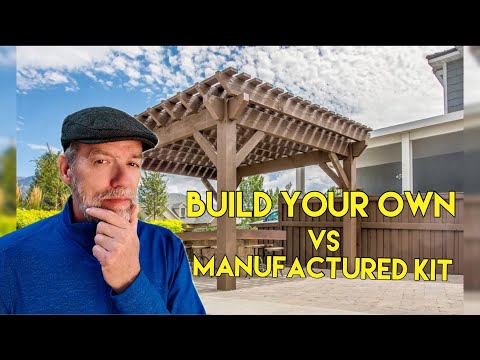
If you want to read more articles like What are the disadvantages of a wooden pergola? Exploring the Drawbacks and Limitations, we recommend you check out our Pergola category.
Leave a Reply
Related Articles