What Are the Disadvantages of a Soaker Hose? Uncover the Drawbacks of This Irrigation Method
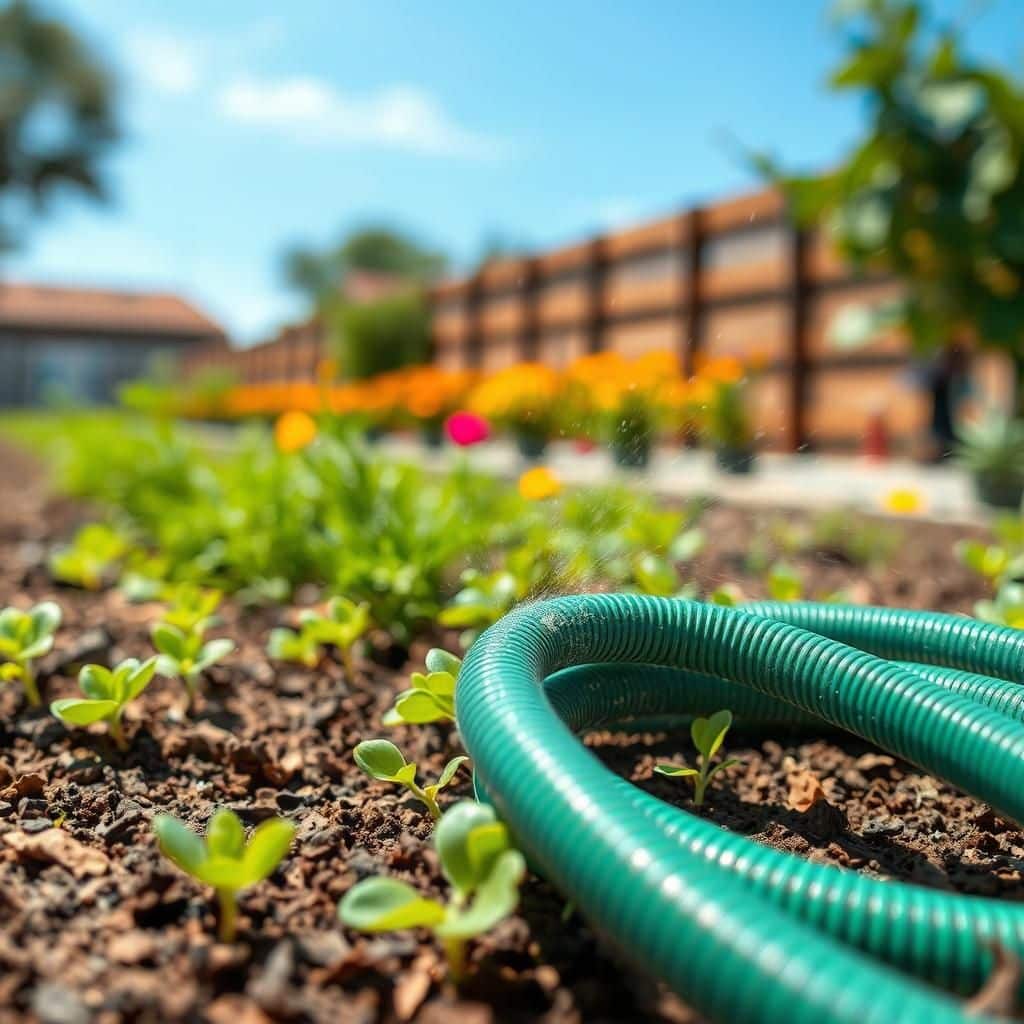
Soaker hoses are often touted as a convenient irrigation solution for gardens and landscapes. While they offer several benefits, it's essential to recognize the potential drawbacks associated with this method. In this article, we will explore the disadvantages of using soaker hoses, shedding light on issues such as uneven watering, maintenance challenges, and installation limitations. Understanding these drawbacks can help gardeners make informed decisions about their irrigation strategies, ensuring their plants receive the optimal care they need. Join us as we uncover the lesser-known aspects of soaker hoses to help you determine if this method is right for your gardening objectives.
Disadvantages of Using a Soaker Hose
Using a soaker hose can present several disadvantages that gardeners and homeowners should consider before incorporating them into their irrigation systems. One significant issue is their limited range, as these hoses are typically effective only in the vicinity where they are laid. They require careful positioning to ensure even moisture distribution, and poor placement can lead to dry spots in the garden. Additionally, soaker hoses can become easily clogged with mineral buildup over time, especially if used with untreated water. This may necessitate regular maintenance, which can be time-consuming and frustrating for users. Soaker hoses may also lack the precision of drip irrigation systems, resulting in excess water runoff in some areas and inefficient watering practices. Furthermore, frost or extreme temperatures can damage these hoses, leading to more frequent replacements compared to conventional watering methods.
Limited Coverage Area
Soaker hoses are designed to provide coverage primarily in the areas directly adjacent to their placement. This limitation means that if a gardener has a large or irregularly shaped garden, the hoses may not reach all plants equally, leading to uneven watering. Consequently, gardeners may need to purchase multiple hoses or frequently relocate them to ensure adequate moisture for all plants, which can be both labor-intensive and inconvenient.
Clogging Issues
One of the most frequent problems with soaker hoses is their tendency to clog. This can occur due to sediment buildup, especially when using water that contains minerals, such as hard water. Clogging can significantly reduce the efficiency of the hose, resulting in less water reaching the intended plants. Gardeners must regularly inspect and clean the hoses to prevent this issue, adding to the overall maintenance required when using soaker hoses.
Less Efficient Water Usage
Soaker hoses may not deliver water as efficiently as other irrigation methods such as drip irrigation systems. While they do allow for deep watering, the lack of control over the specific amounts of water delivered can lead to some areas receiving too much water while others may not receive enough. This can result in wasteful water usage and potentially lead to water logged areas or overwatering, which can harm plant roots.
Temperature Sensitivity
Soaker hoses can be vulnerable to temperature fluctuations. In colder climates, exposure to frost can damage the hose material, leading to leaks or premature failure. Similarly, excessive sunlight can degrade the hose’s quality over time, making durability a concern. Gardeners need to store these hoses properly during extreme weather conditions, which may not be practical for everyone.
Cost of Replacement
While soaker hoses can be relatively inexpensive initially, they may need to be replaced more frequently compared to traditional watering solutions. Factors like wear and tear, clogging issues, and damage from environmental conditions contribute to the overall cost of maintaining a functional garden irrigation system. Over time, these costs can add up and make soaker hoses a less economical choice for long-term use.
| Disadvantage | Description |
|---|---|
| Limited Coverage Area | Only effective in areas where laid, leading to potential dry spots. |
| Clogging Issues | Susceptible to mineral buildup, requiring regular maintenance and cleaning. |
| Less Efficient Water Usage | Can result in uneven watering and water wastage. |
| Temperature Sensitivity | Can be damaged by frost or direct sunlight, affecting durability. |
| Cost of Replacement | May require frequent replacements, resulting in higher long-term costs. |
How long should you let a soaker hose on?
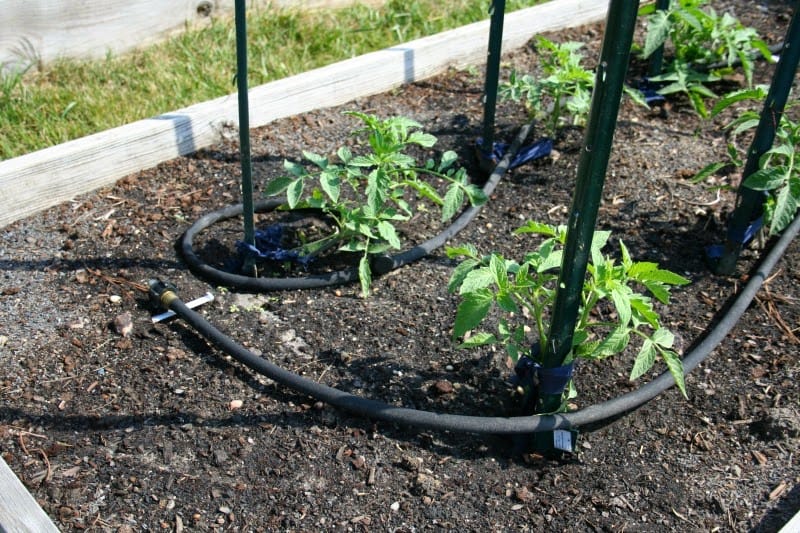

To determine how long you should let a soaker hose run, it's essential to consider factors such as the type of soil, plant needs, and weather conditions. Generally, a soaker hose should be left on for about 30 to 60 minutes, depending on these variables. During this time, the water seeps through the hose and slowly nourishes the soil and plants. Here are some guidelines to help you decide the appropriate duration for your specific situation.
Understanding Soil Type
Different soil types absorb water at varying rates. For instance, sandy soil drains quickly, requiring a shorter watering time with a soaker hose. In contrast, clay soil retains moisture longer, allowing for extended watering periods. Consider the following:
- Sandy Soil: Water for about 30 minutes.
- Loamy Soil: Aim for 45 minutes.
- Clay Soil: Use the hose for up to 60 minutes.
Plant Water Requirements
Different plants have unique water needs that affect soaker hose duration. Some plants, like vegetable gardens, may need more consistent moisture, while established trees need less frequent watering. Here’s how you might adjust:
- Seedlings and New Plants: 45-60 minutes for consistent moisture.
- Mature Plants: 30-45 minutes depending on their needs.
- Water-Sensitive Plants: Check soil moisture after 30 minutes to avoid overwatering.
Weather Considerations
The atmospheric conditions play a crucial role in determining how long to run your soaker hose. Hot and dry weather necessitates longer watering times, while rainy or cooler days allow for shorter runs. Consider these points:
- Hot and Windy Days: Run the hose for 60 minutes to compensate for evaporation.
- Cool, Cloudy Days: A 30-minute run may suffice.
- After Heavy Rain: Skip watering altogether or reduce the time significantly.
Using a Timer
Utilizing a timer can simplify the process of determining how long to run your soaker hose. Here’s how to effectively manage your watering schedule:
- Set a Timer: Program it for 30-60 minutes based on soil and weather.
- Check Soil Moisture: Use a soil moisture meter to avoid overwatering.
- Adjust as Needed: Modify the timer based on feedback from the plant's health and soil condition.
Monitoring and Adjusting Watering Practices
Regularly monitoring your watering practices ensures that your plants receive the right amount of moisture without over or under-watering. Here’s how to stay on top:
- Observe Plant Health: Yellowing leaves or wilting may indicate overwatering.
- Inspect Soil Moisture: Use your finger or a moisture meter to assess moisture levels.
- Adjust Watering Time: Based on observations, modify the duration as necessary.
What is better, drip or soaker hose?
:strip_icc()/BHG-Drip-Irrigation-vs.-Soaker-Hose_185280890-_100654813-b41cdb98b91043039e2fd76aaf96c7c0.jpg)
Understanding Drip Irrigation
Drip irrigation is a highly efficient watering method that involves delivering water directly to the plant roots through a network of tubing and emitters. This technique minimizes water waste and promotes deep root growth. Some of the key benefits include:
See also:
- Water Efficiency: Uses up to 60% less water compared to traditional methods.
- Targeted Delivery: Water is applied directly to the soil, reducing evaporation losses.
- Reduced Weed Growth: By watering only the plants, weed growth can be minimized.
Understanding Soaker Hoses
Soaker hoses are porous tubes designed to release water slowly along their length. They lay on the soil surface or just below it, allowing water to seep out directly into the soil. They are particularly useful for vegetable gardens, flower beds, and uneven terrains. Key advantages include:
- Ease of Use: Simple to install and can be connected to a standard garden hose.
- Cost-Effective: Generally less expensive than drip irrigation systems.
- Soil Moisture Maintenance: Provides a consistent moisture level in the soil.
Water Conservation Comparison
When evaluating water conservation, both systems offer benefits, but their effectiveness can vary based on the application. Drip irrigation typically excels in:
- Precision: Delivering water precisely where it is needed.
- Adjustability: Easily modified to suit various plant needs.
- Pumping Pressure Utilization: Works well with low-pressure water supply systems.
On the other hand, soaker hoses can be advantageous in situations where:
- Simplicity: Low-tech solutions are preferred.
- Large Areas: Useful for covering wide garden beds without a complex setup.
- Cost Concerns: Lower initial investment for small gardens.
Soil Type and Plant Selection
The type of soil and the plants in question significantly affect whether drip or soaker hoses are more suitable. For example, sandy soils typically require more frequent watering, making drip systems ideal because of their precise delivery. On the contrary, clay soils can retain moisture, where soaker hoses provide adequate watering without over-saturation. Consider the following factors:
- Soil Drainage: Evaluate how well your soil drains to determine watering needs.
- Plant Species: Different plants have varying moisture requirements.
- Root Depth: Deep-rooted plants may benefit more from drip systems.
Maintenance and Longevity
Both drip and soaker systems require different levels of maintenance, affecting their longevity and performance. Drip irrigation systems may necessitate routine checks to ensure emitters are not clogged. They typically last longer and can be more efficient when maintained:
- Inspecting Emitters: Regular maintenance can prevent buildup that affects flow.
- Winterization: Drip systems need to be drained to prevent freezing.
- Component Replacement: Individual parts can be replaced as needed.
In contrast, soaker hoses may degrade over time, especially when exposed to the elements:
- Material Quality: Invest in high-quality hoses for longer life.
- Cleaning: Regular flushing can help maintain water flow.
- Sunlight Exposure: UV light can cause wear; using them covered can increase longevity.
Questions from Our Readers
What are the main disadvantages of using a soaker hose?
The main disadvantages of using a soaker hose include inefficient water distribution, as water may not reach all areas evenly, and clogging issues due to dirt and debris, which can impede water flow. Additionally, they may require constant monitoring to ensure they are functioning properly and can be less durable compared to traditional hoses.
Are soaker hoses suitable for all types of soil?
Soaker hoses are not necessarily suitable for all types of soil; they tend to perform best in loamy soils that retain moisture well. In sandy soils, water may drain too quickly, while in clay soils, the hose may not provide sufficient penetration, leading to uneven watering and potential root rot.
See also:
Do soaker hoses require special installation or maintenance?
Yes, soaker hoses require special installation techniques, such as laying them out in a serpentine pattern, and can also need regular maintenance to prevent clogs. This includes flushing the hoses to clear any blockages and ensuring that they are properly weatherproofed to prolong their lifespan.
Can soaker hoses be used with drip irrigation systems?
Soaker hoses can be used in conjunction with drip irrigation systems, but it's important to ensure that the pressure from the water supply is managed appropriately. Using them together may lead to uneven water distribution, so careful planning and adjustments are needed to optimize their performance.

If you want to read more articles like What Are the Disadvantages of a Soaker Hose? Uncover the Drawbacks of This Irrigation Method, we recommend you check out our Irrigation category.
Leave a Reply
Related Articles