What Are the Disadvantages of a Raised Garden Bed? Key Drawbacks to Consider Before Gardening

Raised garden beds have gained popularity among gardening enthusiasts for their numerous advantages, including improved soil drainage and ease of access. However, before embarking on this gardening method, it's essential to consider the potential drawbacks. While raised beds can enhance the gardening experience, they also come with limitations that could impact your overall success. From higher initial costs to challenges in water retention and soil temperature regulation, understanding these disadvantages will help you make an informed decision. This article explores the key drawbacks of raised garden beds, ensuring that you weigh the pros and cons before planting your seeds.
What are the Disadvantages of a Raised Garden Bed?
While raised garden beds offer many advantages, they also come with several disadvantages that potential gardeners should consider. One of the primary issues is the cost associated with building or purchasing raised beds, which can be significantly higher than simply planting in the ground. Additional factors include the need for consistent watering and soil management, as raised beds can dry out faster than traditional garden plots. Moreover, the height of the beds can pose challenges for certain gardeners, particularly those with mobility issues, as accessing plants may become difficult. Furthermore, the materials used for the beds may not always be eco-friendly, potentially leaching harmful substances into the soil over time.
Initial Cost of Construction
The initial cost of constructing a raised garden bed can be a significant disadvantage for many gardeners. While the investment can lead to better yields and organization, the expense of quality materials like cedar or redwood, as well as soil and compost, can deter beginners or those on a tight budget.
Soil Drainage Issues
Raised garden beds can sometimes lead to soil drainage issues. If the bed is not built with proper drainage systems in mind, excess water can accumulate, leading to root rot and other plant diseases. Additionally, gardeners need to regularly monitor the moisture levels to ensure healthy plant growth.
Watering Requirements
The watering needs of raised garden beds often require more attention compared to in-ground gardens. Because of their elevation and structure, these beds can dry out faster, particularly in warmer climates. This means that gardeners might need to invest more time and effort in ensuring regular and adequate hydration for their plants.
Accessibility Challenges
For some individuals, particularly elderly gardeners or those with disabilities, the height of raised beds can pose accessibility challenges. While raised beds can reduce the need to bend over, they may still be too high for some people to reach, making it difficult to tend to plants without assistance.
Environmental Impact of Materials
The materials used in constructing raised garden beds may also have an environmental impact. Certain types of treated wood can contain chemicals that are harmful to plants and soil health, raising concerns about leaching. Additionally, sourcing non-renewable materials for building beds can contribute to environmental degradation.
| Disadvantage | Description |
|---|---|
| Initial Cost | Higher expense than traditional gardening methods. |
| Soil Drainage | Risk of poor drainage leading to plant diseases. |
| Watering Requirements | Higher maintenance due to faster drying of soil. |
| Accessibility | Challenges for individuals with mobility issues. |
| Environmental Impact | Potential leaching of harmful chemicals from materials. |
What are the two cons of raised beds?

Raised beds offer various benefits to gardeners, but they also come with some drawbacks. Here are two notable cons of raised beds:
1. Initial Cost
Constructing raised beds can be relatively expensive compared to traditional gardening methods. The initial investment may include costs for materials such as wood, soil, and hardware. This expense can be a barrier for new gardeners or those on a tight budget.
2. Soil Drying Out
Raised beds often experience faster soil drying compared to ground-level gardens. This can lead to increased watering needs, especially in warmer climates. The elevated position causes more air exposure, which can contribute to moisture evaporation.

Initial Cost Considerations
Building raised beds typically involves several cost factors that gardeners should consider.
- Materials: High-quality wood or composite boards, soil amendments, and irrigation materials can add up.
- Tools: Depending on the desired design, you might need specific tools for construction, hence adding to the overall expenditure.
- Long-term Investment: While there are upfront costs, it’s important to remember that raised beds can lead to improved yields and longer-lasting structures if built correctly.
Soil Management Challenges
One of the key challenges with raised beds is the management of soil moisture.
- Retention: Soil in raised beds tends to dry out more quickly, necessitating frequent watering.
- Amendments: Regular monitoring and amendments may be required to maintain nutrient levels, as rapid drainage can leach nutrients.
- Mulching: Implementing mulch can help mitigate moisture loss, but this adds another layer of management to consider.
Labeling and Identification
Raised beds may lead to challenges in identifying plants and managing space.
- Plant Labels: In a raised bed, especially if densely planted, it can be easy to forget what has been planted where without proper labeling.
- Companion Planting: Understanding compatible plants can be more difficult when they are grown in elevated structures.
- Crop Rotation: Implementing a rotation plan within the confines of raised beds can become more complex.
Accessibility Issues
While raised beds are generally considered accessible, they can present some issues for certain users.
- Height Variability: Ideal height can vary by individual; not all raised beds accommodate wheelchair users effectively.
- Maintenance: The need for regular maintenance can be a challenge for the elderly or those with physical limitations.
- Design: Designing raised beds with accessibility in mind may require extra planning and resources, impacting cost and effort.
Environmental Impact Concerns
Finally, raised beds may have some environmental considerations that should not be overlooked.
- Material Sourcing: Depending on the materials sourced, there can be environmental impacts associated with their production and transport.
- Ecosystem Disruption: Creating raised beds may disrupt existing ecosystems and soil organisms that aid in soil health.
- Waste Management: If using treated wood, there could be concerns regarding leaching of chemicals into the soil.
When should you not use a raised bed?
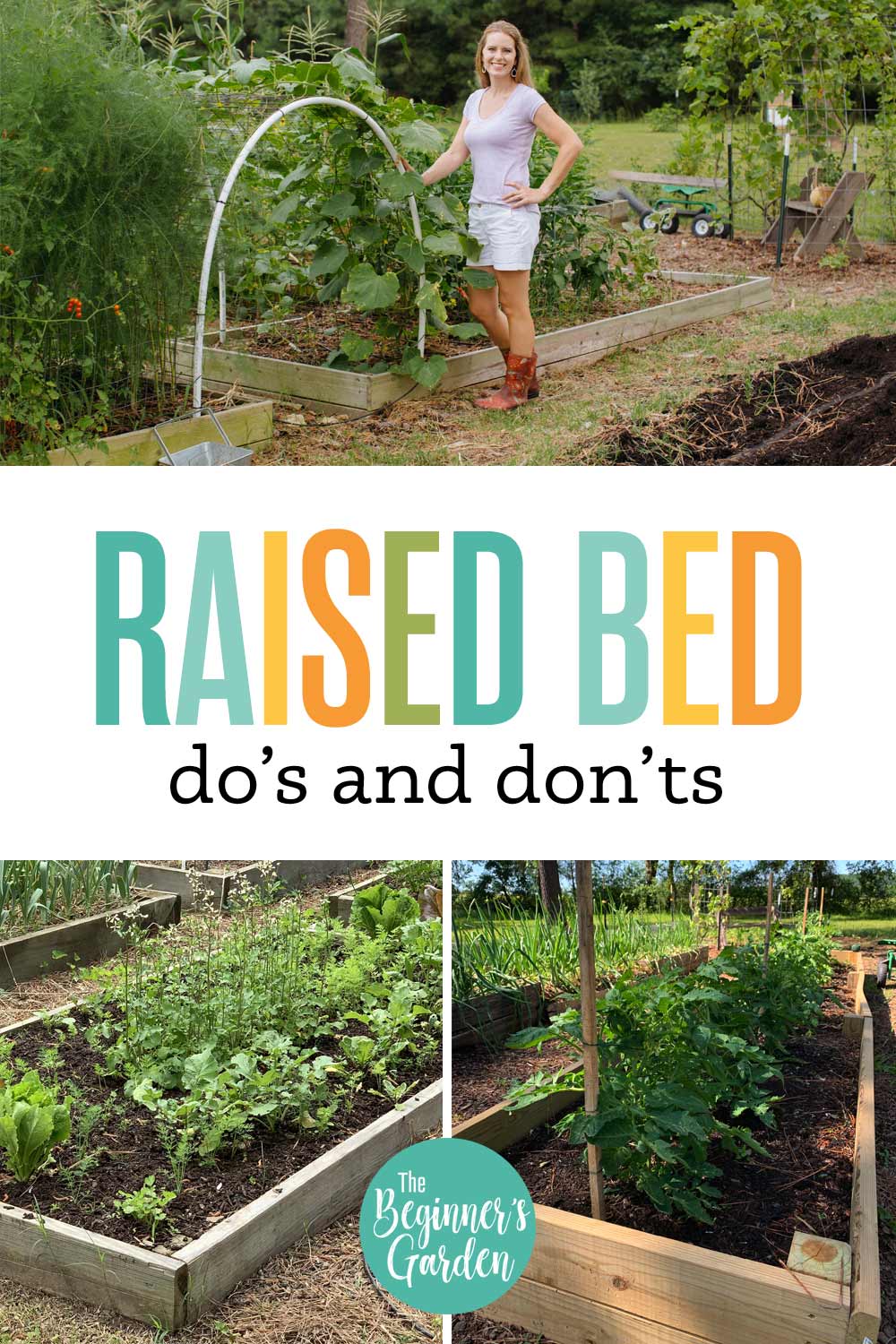
When considering gardening techniques, raised beds are a popular choice due to their numerous advantages, such as improved drainage, soil quality, and ease of access. However, there are specific circumstances when using raised beds may not be the best option.
1. Limited Space Availability
Raised beds require a certain amount of space for proper construction and growth. In urban gardening or areas with limited land area, raised beds can take up valuable space.
- Site Constraints: If the area has a small footprint, using conventional ground gardening techniques may be more feasible.
- Paving or Hardscape: Raised beds are not suitable on paved surfaces where soil amendments and natural drainage are needed.
- Accessibility: Limited space can restrict access for maintenance and harvesting, which is essential for successful gardening.
2. Poor Soil Drainage Issues
In regions where heavy clay soil or poor drainage is present, using raised beds might not alleviate the problem.
- Saturation Risk: If the raised bed lacks proper drainage, plants may still suffer from waterlogged conditions.
- Soil Composition: The existing soil may be too compact to provide necessary aeration even when elevated.
- Flooding Concerns: Areas prone to flooding may lead to water accumulating in raised beds, thus negating their benefits.
3. High Wind Areas
Raised beds can be vulnerable to wind damage in regions where high winds are frequent, affecting plant stability.
- Structural Integrity: A poorly constructed bed may be blown over, resulting in plant damage.
- Plant Exposure: Plants in raised beds may face harsher wind conditions, which can stunt their growth.
- Shelter Needs: If natural windbreaks are absent, raised beds may require additional protection measures.
4. Specific Plant Requirements
Some plants have unique needs that may not be suited for raised bed gardening.
See also:
- Root Depth: Certain crops, like carrots and potatoes, require sufficient depth which may limit in a raised bed.
- Soil Temperature: Specific plants may prefer cooler soil than what a raised bed can provide, due to increased heat retention.
- Moisture Preferences: Plants that thrive in consistently moist conditions might not fare well in the draining aspect of raised beds.
5. Cost Considerations
Establishing raised beds can incur significant costs, making them less ideal for all gardeners.
- Material Expenses: Costs for lumber, soil, and other building materials can add up quickly.
- Installation Time: The construction of raised beds requires an investment of time and effort, which might not be feasible for everyone.
- Ongoing Maintenance: Raised beds may require additional upkeep to maintain structural integrity over time, leading to further expenses.
Is it better to have a raised garden bed or in the ground?

Deciding between a raised garden bed and traditional in-ground gardening involves various factors, including soil quality, gardening goals, and physical accessibility. Each method has its own advantages and disadvantages, influencing not only plant health but also gardener satisfaction.
Soil Quality and Drainage
Raised garden beds typically provide improved drainage and soil quality compared to in-ground gardening. The soil in raised beds can be customized, allowing for the mixing of high-quality compost, nutrients, and soil amendments, which can lead to healthier plants. In contrast, the soil in the ground may face issues like poor drainage or soil compaction.
- Customization: Raised beds allow you to create ideal soil conditions tailored for specific plants.
- Drainage: Better drainage reduces the risk of waterlogging, which can harm plant roots.
- Soil Quality: You can have consistent soil quality throughout the growing season.
Pest and Weed Control
Another significant aspect is pest and weed management. Raised beds can act as a barrier against certain ground pests while allowing for easier weed control. They can limit the types of weeds that thrive compared to traditional gardens, where weeds often compete directly with plants.
- Pest Barriers: Raised beds can be covered or constructed to deter pests such as slugs and rabbits.
- Weed Management: The elevated nature makes it easier to spot and remove weeds before they spread.
- Less Competition: Reduced competition from weeds means plants can focus energy on growth.
Accessibility and Ergonomics
For those with mobility concerns, raised garden beds can provide significant accessibility benefits. They can be built at a height that minimizes bending, making it easier for individuals with back or joint pain to tend to their plants.
- Height Options: Raised beds can be tailored to the gardener’s comfort level.
- Reduced Strain: Less bending and kneeling means less physical strain during gardening tasks.
- Gardening with Mobility Aids: Raised beds can be designed for use with wheelchairs or other mobility aids.
Microclimatic Conditions
Raised beds can create unique microclimatic conditions, often resulting in warmer soil that can extend the growing season for certain plants. This can be particularly beneficial in cooler climates where early planting is desired.
- Soil Temperature: The soil in raised beds typically warms up faster in spring.
- Drainage Control: Improved drainage can prevent frost damage on roots in colder months.
- Extended Season: You can grow more crops per year due to the extended growing season.
Budget and Resources
Cost is often a considerable factor when deciding between raised beds and in-ground gardens. Constructing a raised garden bed can involve more initial investment in materials and soil, whereas in-ground planting usually requires less upfront expenditure. However, the long-term benefits might offset initial costs.
- Initial Costs: Raised beds require materials like wood, bricks, or metal for construction.
- Soil Investments: Filling a raised bed with quality soil can be costly.
- Long-term Savings: Healthier plants in raised beds can lead to reduced need for fertilizers and amendments.
Questions from Our Readers
What are the disadvantages of a raised garden bed?
One of the main disadvantages of a raised garden bed is the cost involved in building it, as materials like wood, stone, or metal can be expensive. Additionally, if not properly maintained, the bed could lead to issues with pests or have limited access to nutrients, which may require more frequent amendments.
Do raised garden beds require more water?
Yes, raised garden beds can require more water compared to traditional in-ground gardens, as the soil tends to dry out faster due to increased exposure to air. This means that gardeners may need to implement a more rigorous watering schedule to ensure plants receive adequate moisture.
Can raised garden beds limit the types of plants I can grow?
While raised garden beds offer plenty of flexibility, the depth of the bed can limit the types of plants that can thrive. Shallow beds may restrict the growth of root crops or deep-rooted plants, making it essential to choose the right plants for the specific depth of the raised bed.
See also:
Are raised garden beds difficult to maintain?
Raised garden beds can sometimes be more labor-intensive than traditional gardens, as they often need continuous upkeep and soil enrichment. While they can offer better drainage and easier access, the need for regular maintenance can become a challenge if not managed properly.

If you want to read more articles like What Are the Disadvantages of a Raised Garden Bed? Key Drawbacks to Consider Before Gardening, we recommend you check out our Planter category.
Leave a Reply
Related Articles