What are the best planters to leave outside? Discover Top Options for Your Garden
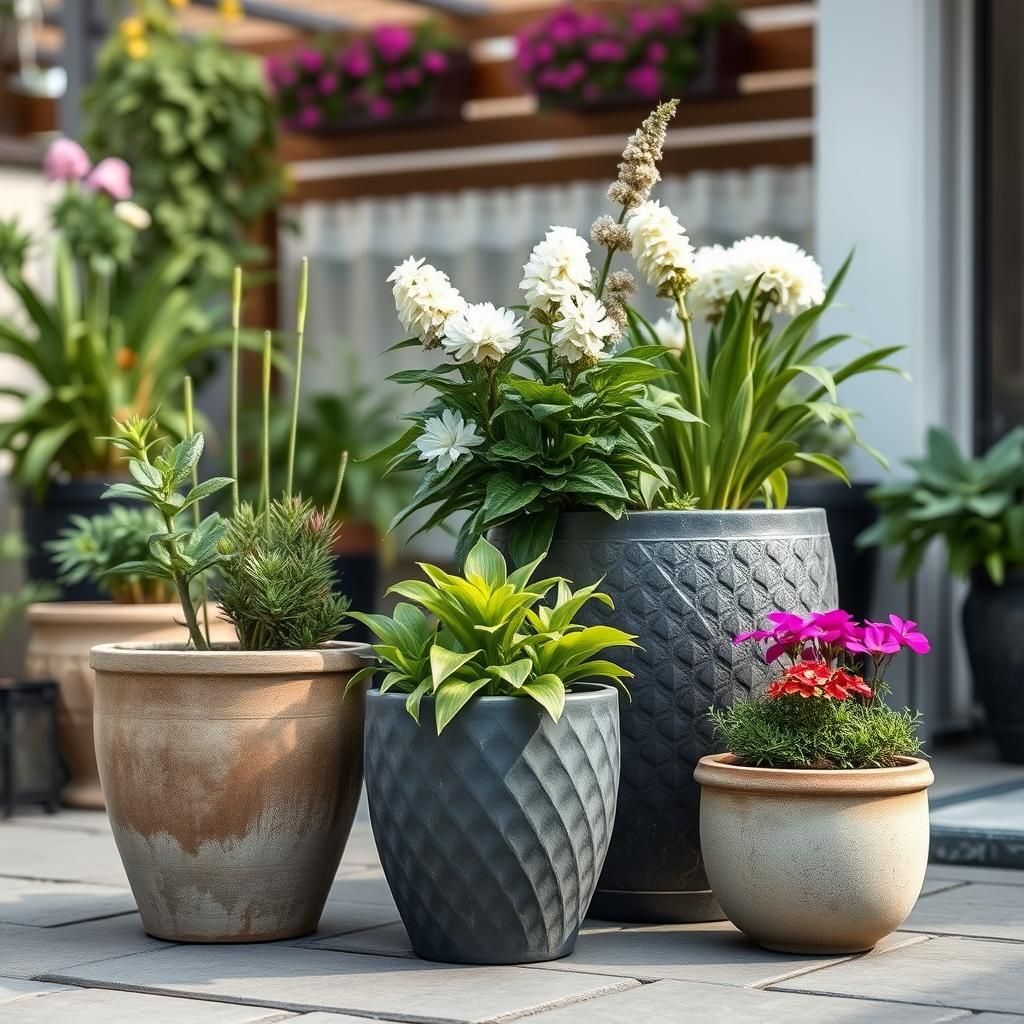
When it comes to garden aesthetics and functionality, choosing the right outdoor planters is essential. Not only do they enhance the visual appeal of your outdoor space, but they also provide a suitable environment for your plants to thrive. With countless options available, it can be daunting to find the ideal planters that can withstand the elements while offering style and durability. In this article, we will explore the top choices for outdoor planters, considering factors like material, design, and weather resistance to help you make the best decision for your garden.
What are the Best Planters to Leave Outside?
When selecting planters that can be left outside, it is crucial to choose materials that can withstand the elements while also providing adequate drainage for healthy plant growth. Ceramic, fiberglass, and resin are popular choices due to their durability and resistance to fading and cracking. Wood can also be a great option, particularly varieties treated to resist rot and moisture damage. Additionally, larger planters tend to fare better in variable weather conditions as they provide better insulation for the roots. It's important to ensure that any planter has drainage holes, as excess water can lead to root rot and other issues.
Material Considerations for Outdoor Planters
The choice of material for outdoor planters significantly affects their longevity and performance. Ceramic planters are aesthetically pleasing but can crack in freezing temperatures unless they are frost-resistant. Plastic options are lightweight and rarely break, making them ideal for transport, but they may fade over time when exposed to sunlight. Fiberglass combines the benefits of various materials, providing insulation and durability while remaining lightweight. Wooden planters, if treated appropriately, can offer a rustic charm but require maintenance to prevent rot.
Drainage: Key for Healthy Plants
Drainage is an essential factor in maintaining healthy plants in outdoor planters. Without proper drainage holes, excess water can accumulate, leading to conditions that promote root rot and fungal diseases. Most materials can successfully incorporate drainage, but using planters with built-in systems or adding gravel at the bottom can enhance water management. Ensuring that soil drains well and that plants are not sitting in waterlogged conditions is crucial for growth and overall plant health.
Weather Resistance and Durability
Durability against severe weather conditions is paramount when selecting planters for outdoor use. Metal planters, although stylish, can heat up quickly and may corrode over time if not treated properly. Concrete planters are extremely durable and can withstand freezing temperatures but are heavy, which limits mobility. An ideal outdoor planter should be able to resist UV radiation, rain, snow, and temperature fluctuations without compromising the plants inside.
See also:
Size Matters in Outdoor Planters
The size of the planter is crucial for both aesthetic and botanical reasons. Larger planters provide more soil volume, which aids in moisture retention and temperature regulation for the roots. This can be especially beneficial in extreme weather conditions. Additionally, larger planters can accommodate a wider variety of plant sizes and types, allowing for more creative landscaping options. Conversely, smaller planters may be more prone to drying out and can be less forgiving of planting mistakes.
Style and Design Options
The aesthetic appeal of outdoor planters can enhance your garden or patio area significantly. Options range from minimalist modern designs to more intricate traditional styles. Color and texture also play a role, providing opportunities to complement architectural features or natural surroundings. While selecting style, it's vital to consider how the planter will blend with the overall landscape. Using planters of varying heights and styles can add depth and interest to outdoor spaces.
| Material | Durability | Maintenance | Weight | Drainage |
|---|---|---|---|---|
| Ceramic | Good (frost-resistant) | Moderate | Heavy | Yes |
| Plastic | Excellent | Low | Lightweight | Yes |
| Fiberglass | Excellent | Low | Lightweight | Yes |
| Wood | Good (if treated) | High | Moderate | Yes |
| Metal | Good (if treated) | Moderate to High | Heavy | Yes |
Essential Factors to Consider When Choosing Outdoor Planters
When selecting the best planters to leave outside, it is crucial to consider various factors such as material, durability, and drainage. Durable materials like ceramic, metal, or high-quality resin can withstand harsh weather conditions, ensuring that your plants thrive while maintaining the aesthetic appeal of your garden. Additionally, good drainage is vital to prevent waterlogging and foster healthy root growth, so look for planters with drainage holes or those that are designed to allow excess water to escape. The size of the planter should also correspond to the specific plants you intend to grow, as sufficient space is necessary for the plants to flourish.
Choosing the Right Material for Outdoor Planters
The material of your outdoor planters plays a significant role in their longevity and performance. Common materials include wood, clay, ceramic, plastic, and metal. Wooden planters offer a rustic look but require regular maintenance to prevent decay, while ceramic and clay are aesthetically pleasing but can crack in freezing temperatures. On the other hand, plastic planters are lightweight and weather-resistant, making them an ideal choice for easy handling, while metal planters provide a modern touch but may retain heat, which can affect soil moisture levels.
Benefits of Using Raised Garden Beds
Raised garden beds have gained popularity among gardeners for their many benefits, including improved drainage, better soil quality, and convenience in planting and harvesting. Elevating your plants can help avoid issues associated with poor soil conditions, promote heat retention, and reduce the likelihood of weeds. Raised beds also require less bending, making gardening more physically accessible, especially for those with mobility concerns. Moreover, they can be constructed from various materials to suit your garden's aesthetic, provided they have proper drainage.
See also: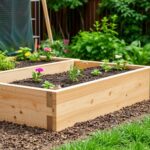
Temperature Resistance in Outdoor Planters
When leaving planters outside, it's essential to consider their temperature resistance to protect your plants against extreme conditions. Certain materials excel in insulation, keeping soil temperatures stable, which is beneficial for plant health. For example, thick plastic or insulated metal planters can help prevent overheating during summer and frost damage during winter. Investing in planters that can withstand high heat or freezing temperatures will help ensure the survivability of your plants throughout the seasons.
Importance of Drainage in Plant Health
Drainage is a vital element in the health of your outdoor plants. Without proper drainage, excess water can accumulate, leading to root rot and other detrimental conditions. Many planters come equipped with drainage holes, promoting water circulation and preventing soaker injuries. Additionally, incorporating materials like gravel or using self-watering systems can enhance drainage functionality while helping maintain soil moisture. Prioritizing adequate drainage in your planters is essential for promoting vibrant and healthy plant growth.
Design Considerations for Outdoor Planters
Aesthetic appeal is often a deciding factor when selecting outdoor planters. The design of your planters should complement your garden style, whether it be modern, rustic, or traditional. Consider factors such as color, shape, and height when choosing your planters, as they can significantly impact the visual harmony of your outdoor spaces. Mixing different sizes and shapes can create an interesting visual display, while uniformity can ensure a more streamlined and organized look. Balancing functionality with pleasing aesthetics is key to achieving an inviting garden atmosphere.
Questions from Our Readers
What materials are best for outdoor planters?
When choosing outdoor planters, materials like terra cotta, fiberglass, and metal are highly recommended. These materials are durable and can withstand various weather conditions, making them suitable for long-term outdoor use.
How do I ensure my outdoor planters can withstand winter?
To help your outdoor planters survive the winter, select frost-resistant materials and consider adding drainage holes to prevent water from freezing inside. Additionally, using insulating materials can protect the roots from extreme cold.
See also:
Are there specific plants that work best in outdoor planters?
Yes, certain plants thrive better in outdoor planters, such as herbs, flowers, and vegetables that are suited for container gardening. Choose plants that are known for their hardiness and can adapt well to local climates.
How often should I water outdoor planters?
The frequency of watering outdoor planters depends on factors like temperature, humidity, and the type of plants used. Generally, it's advisable to check the soil moisture regularly and water when the top inch of soil feels dry to the touch.

If you want to read more articles like What are the best planters to leave outside? Discover Top Options for Your Garden, we recommend you check out our Planter category.
Leave a Reply
Related Articles