What are the Best Native Shrubs for Screening? Top Picks for Privacy and Aesthetic Appeal
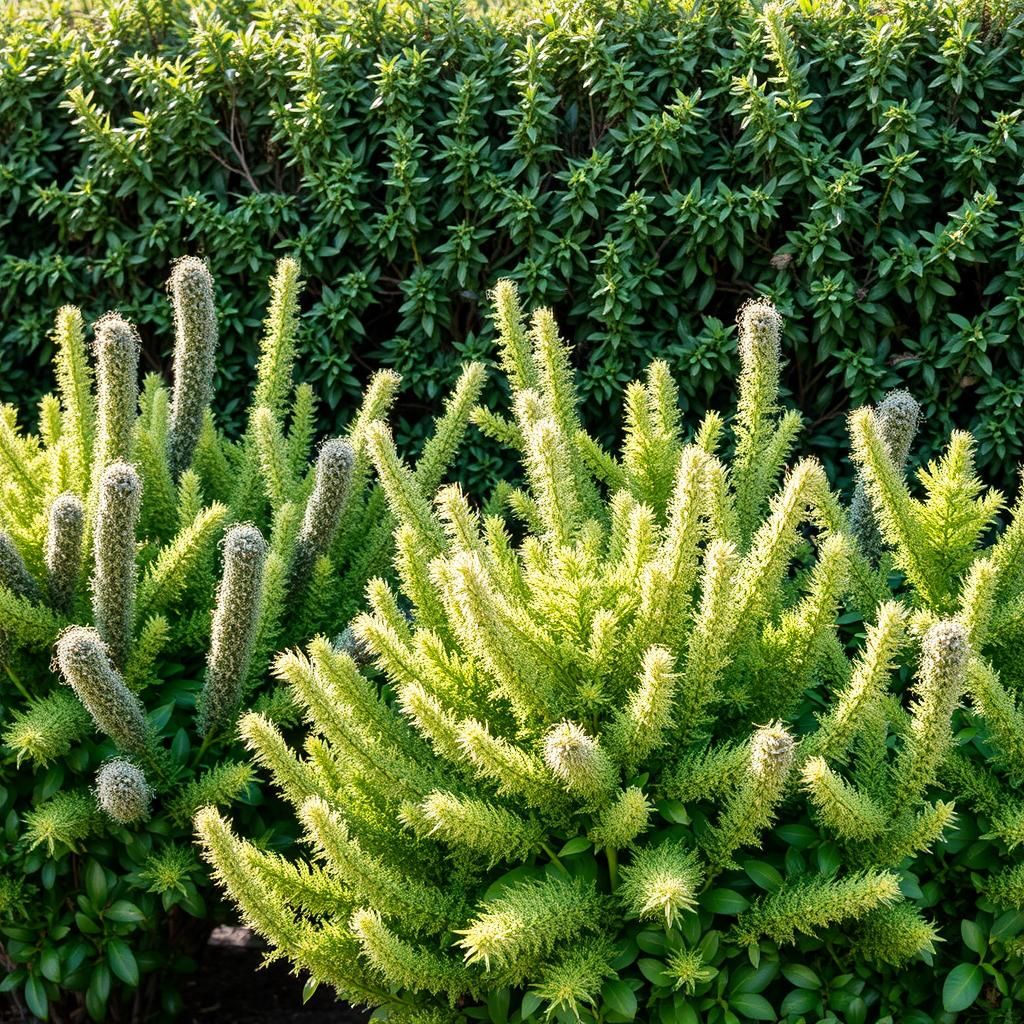
When it comes to creating a private oasis in your backyard, native shrubs play a crucial role in providing both screening and aesthetic appeal. The right selection of shrubs can enhance your landscape while offering natural barriers against prying eyes and noise. This article explores the best native shrubs that not only thrive in their local environments but also contribute to the biodiversity of your garden. From evergreen options that ensure year-round coverage to flowering varieties that add color and texture, we present top picks to help you achieve the perfect balance of privacy and beauty in your outdoor space.
What Are the Best Native Shrubs for Screening?
When looking to create a natural screen in your landscape, choosing the right native shrubs is crucial for both aesthetics and the local ecosystem. Native shrubs are adapted to the local climate and soil conditions, which makes them low-maintenance and beneficial for local wildlife. Some of the best options include the Eastern Red Cedar, which features dense foliage and can grow tall, providing excellent privacy; the American Holly, known for its attractive berries that draw birds; and the Wax Myrtle, which has fragrant foliage and can thrive in a variety of soil types. These shrubs not only enhance the visual appeal of your property but also contribute to regional biodiversity and offer habitat for local fauna.
Eastern Red Cedar
The Eastern Red Cedar (Juniperus virginiana) is a versatile native shrub that can function as a small tree or a large shrub, reaching heights of up to 40 feet. Its dense foliage provides excellent screening and privacy while its evergreen nature ensures that it retains its coverage year-round. Additionally, it produces small, blue berries that attract birds, making it an excellent choice for gardeners looking to enhance wildlife habitat.
American Holly
American Holly (Ilex opaca) is an evergreen shrub recognized for its glossy, spiky leaves and vibrant red berries, which offer visual interest in landscaping. This shrub typically grows to about 15-30 feet tall, making it suitable for privacy screens. Its hardy nature allows it to thrive in various climates, and it serves as a valuable food source for birds during the winter months, promoting biodiversity.
Wax Myrtle
Wax Myrtle (Morella cerifera) is a fragrant shrub that grows quickly and can reach heights of 10-20 feet. Its dense foliage makes it ideal for screening, while its ability to tolerate a variety of soil types—including wet soils—adds to its versatility. Additionally, its aromatic leaves can be used in cooking, and the shrub attracts various pollinators, making it a beneficial addition to any landscape.
See also:
Spicebush
Spicebush (Lindera benzoin) is a deciduous shrub that can grow up to 12 feet tall and boasts aromatic leaves that release a spicy fragrance when crushed. This shrub is particularly valuable for creating a light to medium screen due to its dense growth habit. Moreover, it produces small yellow flowers in early spring that attract pollinators, while the berries provide food for birds in the fall, thus fostering biodiversity in your garden.
Black Chokeberry
Black Chokeberry (Aronia melanocarpa) is an adaptable shrub that can grow between 3-6 feet tall, making it ideal for smaller spaces while still providing a natural screen. Not only does it produce beautiful white flowers in spring, but it also bears dark purple berries in the summer, which are favored by birds. This shrub is also known for its fall foliage, which turns vibrant shades of red and orange, adding seasonal interest to your landscape.
| Native Shrub | Height | Type | Wildlife Benefits |
|---|---|---|---|
| Eastern Red Cedar | Up to 40 feet | Evergreen | Attracts birds |
| American Holly | 15-30 feet | Evergreen | Food source for birds |
| Wax Myrtle | 10-20 feet | Evergreen | Attracts pollinators |
| Spicebush | Up to 12 feet | Deciduous | Food for birds; attracts pollinators |
| Black Chokeberry | 3-6 feet | Deciduous | Bird food; seasonal color |
Choosing the Right Native Shrubs for Your Landscape
Selecting the ideal native shrubs for screening not only enhances your garden's privacy but also contributes to its overall aesthetic appeal and biodiversity. Native shrubs thrive in local conditions, requiring less maintenance and providing essential habitat for wildlife. To make the most informed choice, consider the size, growth rate, and form of the shrubs, alongside their seasonal interest and ability to thrive in your specific climate. Pairing different species can create a visually pleasing tapestry while serving as an effective barrier against noise and visual intrusion.
Understanding Native Shrub Ecology
A solid grasp of native shrub ecology is crucial when planning for screening. Native shrubs have evolved alongside the local ecosystem, developing specific adaptations that allow them to thrive in the local soil, climate, and the types of pests in the area. They often support pollinators and other wildlife, enhancing the ecological integrity of your garden. Utilizing these plants contributes to a resilient landscape that requires less water and fewer chemical inputs, thereby promoting a healthier environment.
Top Native Shrubs for Small Spaces
For smaller gardens, selecting compact native shrubs is essential to ensure effective screening without overwhelming the space. Options like the Inkberry or Dwarf Azalea provide dense foliage with manageable growth habits, making them excellent choices for discreet privacy. Their adaptability to pruning also allows homeowners to shape them to fit their aesthetic desires while still providing an effective barrier. Additionally, their smaller footprint minimizes competition for nutrients and resources.
See also:
Colorful Native Shrubs for Seasonal Interest
Incorporating colorful native shrubs maximizes the visual appeal of your landscape throughout the seasons. Plants like the Winterberry or Ninebark offer vibrant foliage, flowers, and fruits that provide aesthetic value in various stages of growth. The seasonal transformations appeal to the eye and encourage biodiversity, attracting various pollinators and birds. Choosing a mix of such shrubs can create a landscape that evolves beautifully throughout the year, enhancing both privacy and beauty.
Maintaining Your Native Shrub Screen
*Maintenance* is a critical consideration for any screening solution, and native shrubs often require less than their non-native counterparts. Regular tasks include pruning to maintain desired shapes, checking for common pests, and occasional mulching to retain moisture. Native species generally exhibit greater drought resistance and require fewer interventions, which can save homeowners time and resources while promoting a lush and healthy shrub screen.
Utilizing Native Shrubs for Wildlife Habitat
In addition to providing privacy and aesthetic appeal, native shrubs can serve as vital habitats for local wildlife. By selecting species that produce berries, nectar, or have dense foliage, you can attract a diverse range of birds, insects, and other wildlife into your garden. This not only enhances the ecological value of your landscape but also fosters a connected, vibrant outdoor space where the interplay between plants and wildlife can be vividly experienced.
Questions from Our Readers
What are the best native shrubs for screening?
Native shrubs that are ideal for screening include Aronia melanocarpa (Black chokeberry), Ilex vomitoria (Yaupon holly), and Rhododendron species. These shrubs not only provide excellent privacy but also thrive in a variety of climates and require minimal maintenance.
How tall do native shrubs need to be for effective screening?
For effective screening, native shrubs should ideally reach a height of at least 6 to 8 feet. This height ensures that they can effectively block views and provide a natural barrier between spaces, enhancing privacy in your landscaping.
See also:
How far apart should native shrubs be planted for screening?
When planting native shrubs for screening, it's generally recommended to space them about 3 to 5 feet apart. This spacing allows for growth and ensures that the shrubs can fill in to create a dense, cohesive hedge over time.
Do native shrubs require a lot of maintenance for screening purposes?
Most native shrubs require minimal maintenance compared to non-native species, making them an excellent choice for screening. They are typically well-adapted to the local environment, needing less water and fewer chemicals, which translates to lower overall care requirements.

If you want to read more articles like What are the Best Native Shrubs for Screening? Top Picks for Privacy and Aesthetic Appeal, we recommend you check out our Shrubs category.
Leave a Reply
Related Articles