What are the best evergreen shrubs to cover a fence? A Comprehensive Guide for Lush Privacy and Beauty

Creating a stunning and private outdoor space is a goal for many homeowners, and using evergreen shrubs to cover fences can be an effective solution. These versatile plants not only provide year-round greenery but also add beauty and texture to your landscape. In this comprehensive guide, we will explore the best evergreen shrubs that can serve as living fences, enhancing both privacy and aesthetics. From robust varieties that thrive in various climates to low-maintenance options perfect for smaller gardens, discover which shrubs will transform your yard into a lush, secluded retreat. Let's dive into the top picks for your green sanctuary!
What Are the Best Evergreen Shrubs to Cover a Fence?
When looking for the best evergreen shrubs to cover a fence, it’s essential to consider both their growth patterns and aesthetic appeal. A few top choices include Boxwood, which provides a dense and formal appearance, Holly, offering bright berries in winter, and Leyland Cypress, known for its rapid growth and tall stature. These shrubs not only create a privacy barrier but also enhance the landscape throughout the year, making your fence more visually pleasing. It's crucial to assess your local climate and soil conditions as these factors can influence the success and health of your chosen shrubs.
Boxwood
Boxwood is a popular choice for covering fences due to its compact growth habit and ability to be shaped easily. This dense evergreen shrub can grow up to 5 feet tall and thrives well in partial shade to full sun. It is particularly valued for its glossy green leaves that remain vibrant throughout the year, making it a perfect choice for creating a formal hedge or privacy screen.
Holly
Holly shrubs are an excellent option for fences as they not only offer year-round greenery but also produce stunning red berries in the winter months, providing a festive look. Some varieties, such as the American Holly, can grow quite tall, making them perfect for creating a living fence. Hollies thrive best in well-drained soil and can tolerate a range of light conditions, from full sun to partial shade.
Leyland Cypress
Leyland Cypress is renowned for its quick growth and can reach heights of up to 60 feet. This makes it an ideal choice for those looking to create a tall privacy screen in a relatively short span of time. The lush, feathery foliage is attractive throughout the year and works well in various soil conditions, though it prefers well-drained environments.
Juniper
Junipers are versatile evergreen shrubs that come in a variety of shapes and sizes, making them suitable for different fencing needs. Their low-maintenance nature and ability to adapt to poor soils make them an ideal choice for many gardeners. Junipers provide a rustic look with their needle-like foliage and can withstand drought conditions, making them perfect for regions with less rainfall.
Arborvitae
Arborvitae is another noteworthy shrub for fence coverage, often used for creating formal hedges. Known for its conical shape, Arborvitae can grow quite tall, offering excellent privacy and wind protection. They are low-maintenance and thrive in a range of soils, making them a popular choice for landscaping. Their rich green foliage provides a beautiful contrast against any fence backdrop.
| Shrub Type | Height | Growth Rate | Sunlight Preference |
|---|---|---|---|
| Boxwood | Up to 5 feet | Slow | Partial shade to full sun |
| Holly | 6 to 15 feet | Moderate to fast | Full sun to partial shade |
| Leyland Cypress | Up to 60 feet | Fast | Full sun |
| Juniper | Varies (1 to 12 feet) | Slow to moderate | Full sun |
| Arborvitae | Up to 30 feet | Moderate | Full sun to partial shade |
What is the best shrub to hide a fence?

When selecting the best shrub to hide a fence, several factors should be considered including growth habit, height, foliage density, and regional climate. Among the popular options, Arborvitae (Thuja) is frequently chosen due to its upright growth and dense foliage, making it effective for creating a natural screen. Other notable contenders include Boxwood (Buxus), Holly (Ilex), and Privet (Ligustrum), each providing unique characteristics suitable for different garden styles and preferences.
Choosing the Right Shrub Height
When hiding a fence, it's essential to consider the height of the shrub. Depending on the fence's height and the desired level of privacy, you may choose:
- Short Shrubs: Consider varieties like dwarf Boxwood, which provide a low hedge appearance.
- Medium Shrubs: Opt for plants like Holly or Forsythia that can maintain a mid-level height.
- Tall Shrubs: Arborvitae or Leyland Cypress are perfect for creating a tall screen for complete privacy.
Foliage Density and Thickness
The density of a shrub's foliage is crucial for effective screening. Shrubs with dense and thick leaves help obscure the view of a fence:
- Evergreen Shrubs: Such as Arborvitae, keep their foliage year-round, creating a consistent barrier.
- Deciduous Shrubs: Use plants like Lilac, which may lose leaves in winter but provide blooms in spring.
- Mixed Shrub Borders: Combine evergreen and deciduous varieties for year-round coverage with seasonal interest.
Growth Rate and Maintenance
The growth rate of a shrub affects how quickly it can serve its purpose of hiding a fence. Consider the maintenance required:
- Fast-Growing Shrubs: Plants like Leyland Cypress can quickly reach desired heights but may need regular trimming.
- Slow-Growing Shrubs: Options like Juniper tend to require less maintenance but will take time to mature.
- Maintenance Needs: Assess whether you prefer low-maintenance shrubs or don't mind occasional pruning to shape your plants.
Climate Compatibility
Selecting the right shrub also means considering your local climate, as some shrubs thrive in specific weather conditions:
See also:
- Cold Weather Zones: Choose hardy varieties like Boxwood that tolerate colder temperatures.
- Warm Weather Zones: Opt for heat-tolerant shrubs like Oleander in warmer climates.
- Moisture Levels: Assess the shrub’s water requirements to match your soil's moisture levels, like choosing Wetland species for rainy areas.
Design and Aesthetic Appeal
Beyond functionality, the aesthetic aspect of the shrub should harmonize with your garden design:
- Color Variations: Bright blooms from species like Azalea can add a pop of color to your landscape.
- Textural Contrast: Combine shrubs with varied leaf shapes to create visual interest and depth.
- Seasonal Changes: Consider planting varieties that bloom at different times for year-long beauty.
What is the fastest growing plant to cover a fence?
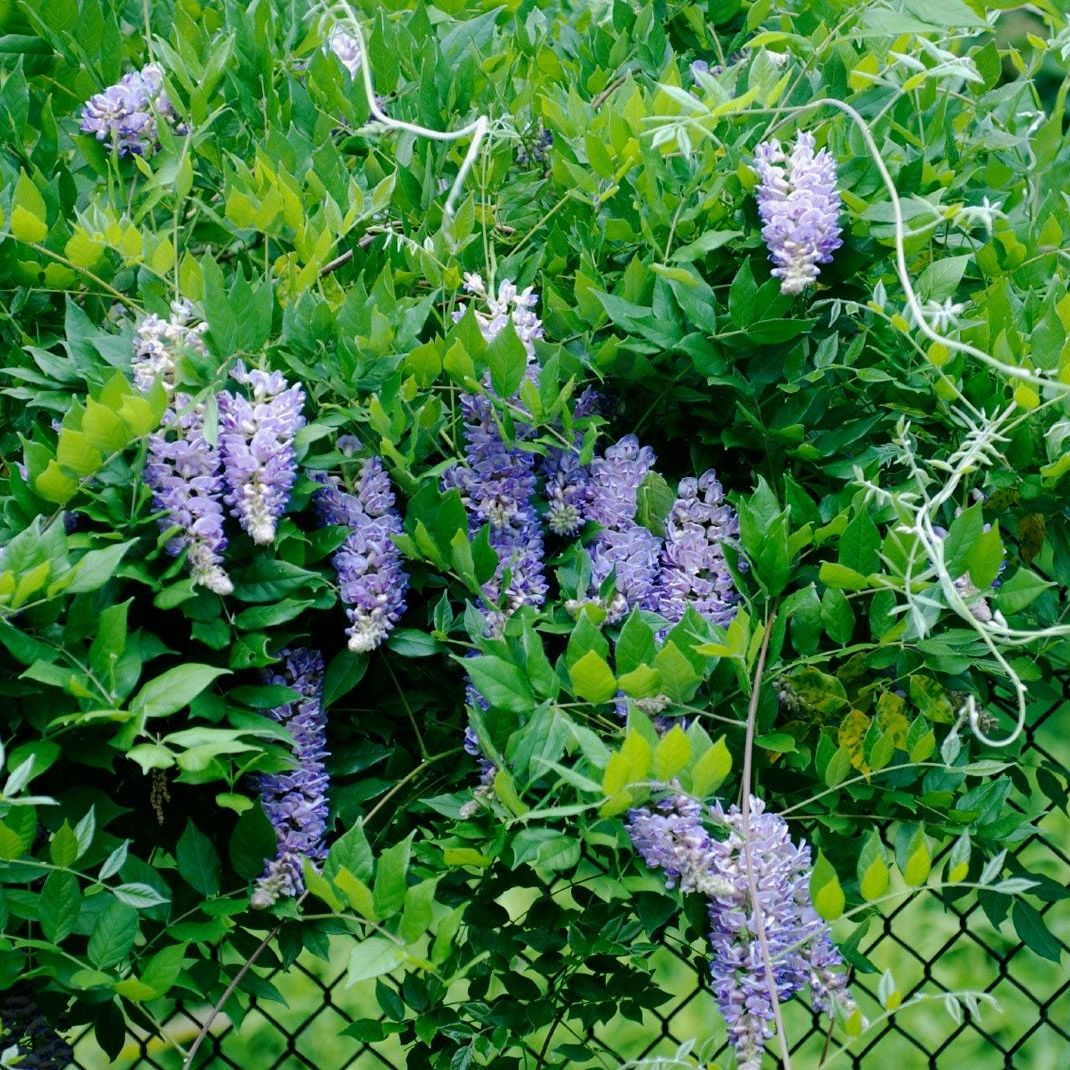
The fastest growing plant to cover a fence is often considered to be bamboo. Certain species of bamboo can grow exceptionally quickly, sometimes up to 3 feet in just a single day under ideal conditions. This rapid growth makes bamboo not only an attractive option for privacy but also an environmentally friendly one, as it is a sustainable choice that can rejuvenate itself quickly. Here are five specific species known for their fast growth:
1. Golden Bamboo (Phyllostachys aurea)
Golden Bamboo is an attractive option that can grow to heights of 20-30 feet. It is characterized by its bright yellow shoots and dense growth habit. Key points about Golden Bamboo include:
- Quick growth rate, often achieving three feet in just a single week.
- Forms a tight hedge that provides excellent privacy.
- Resistant to pests and can tolerate a variety of soil types.
2. Giant Green Bamboo (Bambusa vulgaris)
Giant Green Bamboo is known for its towering height and lush appearance, reaching up to 55 feet. It provides a stunning backdrop for any garden. Important aspects include:
- Fast growth, achieving significant height within the first few years.
- Its nodes can be spaced far apart, allowing for a more open fence coverage.
- It can adapt to poor soil conditions making it quite versatile.
3. Black Bamboo (Phyllostachys nigra)
Black Bamboo is unique for its dark, black-colored stems, making it a striking choice. It can reach up to 30 feet tall. Features of Black Bamboo include:
- Rapidly grows in the right conditions, providing a dense border.
- The aesthetic appeal adds a modern touch to traditional gardens.
- Once established, it is very low maintenance and hardy.
4. Clumping Bamboo (Bambusa species)
Clumping bamboo varieties are generally less invasive than running types, making them ideal for residential areas. They can grow quite fast, reaching elevations of up to 15-30 feet. Advantages include:
- Minimal risk of spreading uncontrollably into gardens.
- Offers a lush green appearance year-round, contributing to aesthetic value.
- Flexible pruning allows for achieving desired height and density.
5. Trumpet Vine (Campsis radicans)
While not technically a bamboo, Trumpet Vine is a fast-growing vine that can cover a fence quickly with its vibrant blossoms. It can grow up to 25 feet. Important characteristics include:
- Blooms in the summer, attracting hummingbirds and butterflies.
- Fast growth helps to establish coverage in just one growing season.
- Can thrive in various soils and conditions, making it a hardy choice.
What are low maintenance shrubs for fence lines?
:strip_icc()/row-boxwood-bushes-ea73609e-5d631b28e3a94c24beecd4664415861a.jpg)
Low maintenance shrubs are an excellent choice for fence lines, providing a natural boundary while requiring minimal care. These shrubs are typically drought-resistant, pest-resistant, and do not need frequent pruning. When selecting low maintenance shrubs for your fence line, consider options that are well-suited to your climate and soil conditions, as well as the overall aesthetics you wish to achieve. Here are some popular low maintenance shrubs for your fence line:
1. Boxwood (Buxus)
Boxwood is a classic shrub known for its denseness and ability to be shaped into formal hedges. It is often used along fence lines for its clean, structured look.
- Evergreen: Retains its foliage throughout the year.
- Ideal for trimming: Can be easily shaped or left to grow naturally.
- Drought-tolerant: Requires less water once established.
2. Juniper (Juniperus)
Junipers are adaptable shrubs that come in many varieties, including ground covers and upright forms. They are incredibly resilient and require little maintenance.
- Low water needs: Once established, junipers can thrive in dry conditions.
- Pest resistant: Less prone to diseases and pests.
- Aesthetic variety: Wide range of colors and shapes available.
3. Spiraea (Spiraea spp.)
Spiraea is a deciduous shrub that produces beautiful flowers in spring and summer. It requires minimal maintenance and can blend seamlessly into a natural landscape.
See also:
- Fast-growing: Quickly fills in spaces along fences.
- Attractive blooms: Offers seasonal interest with clusters of flowers.
- Adaptable: Grows well in various soil types and conditions.
4. Barberry (Berberis)
Barberry shrubs are known for their hardiness and vibrant foliage, which can add color to any landscape. They are low maintenance and can thrive in poor soils.
- Thorny protection: Acts as a barrier, providing security.
- Variety of colors: Available in a range of yellow, red, and green hues.
- Very drought tolerant: Requires minimal watering once established.
5. Dwarf Alberta Spruce (Picea glauca 'Conica')
This compact evergreen shrub is perfect for adding a touch of greenery without requiring extensive care. Its conical shape makes it an attractive option for fence lines.
- Slow growth: Does not require frequent pruning.
- Year-round beauty: Provides consistent foliage in all seasons.
- Space-saving: Perfect for smaller areas while still making a statement.
What is the fast growing evergreen shrub for privacy?
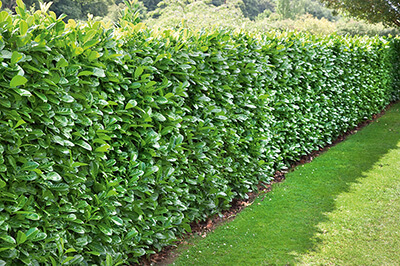
The fast-growing evergreen shrub for privacy is commonly known as Leyland cypress (Cupressocyparis leylandii). This shrub is exceptionally popular for its quick growth rate and dense foliage, which makes it an ideal choice for creating privacy screens and windbreaks. Leyland cypress can grow up to 3 to 4 feet per year under optimal conditions, reaching heights of 60 to 70 feet when fully mature. This characteristic, coupled with its ability to thrive in a variety of soil types and climates, makes it one of the preferred choices for homeowners seeking to enhance their privacy.
Benefits of Leyland Cypress for Privacy
Leyland cypress provides several benefits when used as a privacy shrub:
- Rapid Growth: Its fast growth rate allows it to quickly fill in gaps and provide the desired privacy in a short period.
- Dense Foliage: The tightly packed leaves form a solid barrier, effectively blocking the view from neighbors and passersby.
- Low Maintenance: Once established, it requires minimal care, making it a hassle-free option for homeowners.
Optimal Growing Conditions for Leyland Cypress
To achieve the best results with Leyland cypress, it's essential to understand its growing conditions:
- Soil Type: Prefers well-draining soil that is rich in organic matter to promote healthy growth.
- Sunlight: Thrives in full sun, though it can tolerate partial shade; ideally, it should receive at least six hours of sunlight daily.
- Watering: Regular watering is necessary, especially during the first few years after planting to establish a strong root system.
Planting and Spacing Guidelines
When planting Leyland cypress for privacy, proper spacing is critical to ensure optimal growth:
- Spacing: Plant Leyland cypress shrubs approximately 5 to 10 feet apart to allow for their wide spread as they mature.
- Planting Depth: Dig a hole twice the width of the root ball and the same depth to encourage healthy root development.
- Time of Planting: The best time to plant is in early spring or fall to take advantage of moderate temperatures and moisture.
Pest and Disease Management
Like all plants, Leyland cypress can be susceptible to pests and diseases. Here are some considerations for management:
- Common Pests: Watch for aphids and spider mites, which may require insecticidal soap or neem oil treatment.
- Diseases: Be aware of potential fungal issues, particularly if the shrub is overcrowded or lacking in airflow.
- Prevention: Ensure good air circulation and proper spacing can help minimize the risk of disease.
Alternatives to Leyland Cypress
If Leyland cypress does not suit your needs or local climate, consider these alternatives:
- Green Giant Arborvitae: Another fast-growing evergreen that can reach heights of 50 to 60 feet with similar privacy benefits.
- Boxwood: Slower growing but offers a more formal hedge appearance and can be shaped easily.
- Photinia: Known for its vibrant color and dense growth, this shrub can also serve as a great privacy barrier.
Questions from Our Readers
What are the top evergreen shrubs for privacy fences?
Some of the best evergreen shrubs for privacy fences include Boxwood, Holly, and Arborvitae. These plants provide dense foliage, ensuring that your fence is well covered and adding an attractive backdrop to your garden.
How tall do evergreen shrubs grow?
The height of evergreen shrubs varies by species, but many can grow between 3 to 15 feet. It's essential to choose a variety that matches the height you desire for your fence coverage.
Do evergreen shrubs require a lot of maintenance?
While some evergreen shrubs may need regular pruning and watering, many are relatively low-maintenance. Choosing native varieties can also help reduce the overall upkeep required, leading to less stress for homeowners.
Can evergreen shrubs thrive in different climates?
Yes, many evergreen shrubs are adaptable and can thrive in a variety of climates. However, it's important to select varieties that are suited for your specific climate to ensure healthy growth and longevity.
See also:

If you want to read more articles like What are the best evergreen shrubs to cover a fence? A Comprehensive Guide for Lush Privacy and Beauty, we recommend you check out our Shrubs category.
Leave a Reply
Related Articles