Discover What are the 5 Ingredients that Make Up Soil: A Comprehensive Guide
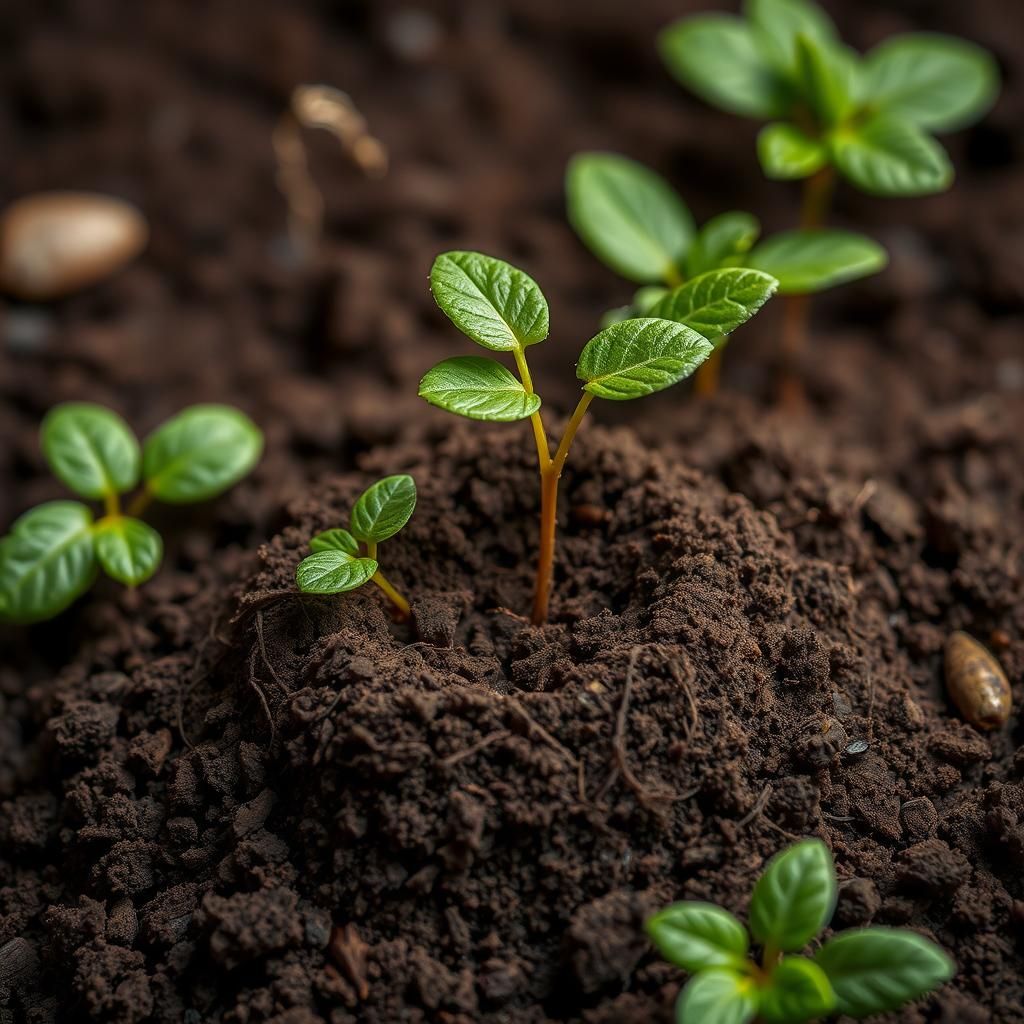
Soil is a fundamental component of our ecosystem, playing a vital role in supporting plant life and sustaining biodiversity. Understanding the composition of soil can enhance our appreciation of the natural world and improve agricultural practices. In this comprehensive guide, we will explore the five key ingredients that make up soil: minerals, organic matter, air, water, and living organisms. Each of these components contributes uniquely to soil health and fertility, influencing everything from plant growth to nutrient cycling. Join us as we delve into the intricate world of soil and uncover the essential elements that support life on Earth.
What Are the 5 Ingredients That Make Up Soil?
Soil is a complex ecosystem made up of five essential ingredients: minerals, organic matter, water, air, and living organisms. Each of these components plays a crucial role in defining soil's properties and its ability to support plant life. Minerals, which are derived from the weathering of rocks, provide essential nutrients for plants. Organic matter, primarily composed of decomposed plants and animals, enhances soil structure and fertility. Water is vital for the biological processes that take place in the soil, while air facilitates respiration for both roots and soil microorganisms. Lastly, living organisms, including bacteria, fungi, and insects, aid in the decomposition process and nutrient cycling, contributing to soil health and productivity.
Minerals
Minerals form the foundation of soil, originating mainly from the weathering of rocks. They are categorized into two groups: macro-minerals and micro-minerals. Macro-minerals, such as calcium, potassium, and magnesium, are needed in larger quantities and significantly impact the soil's pH and nutrient availability. Micro-minerals, including iron, copper, and zinc, are required in smaller amounts but are equally essential for various plant functions. The presence and proportion of these minerals influence soil texture, fertility, and the growth of plants.
Organic Matter
Organic matter is a vital soil component, consisting largely of decomposed plant and animal material. This component enhances soil structure, improves its ability to retain moisture, and provides essential nutrients for plants. As organic matter breaks down, it releases nitrogen, phosphorus, and sulfur, which are crucial for plant growth. Additionally, high levels of organic matter can improve soil aeration and drainage, facilitating root development and enhancing the microbial activity that contributes to nutrient cycling.
Water
Water is indispensable for a healthy soil environment. It acts as a solvent for nutrients, allowing plants to absorb them through their roots. Soil moisture is crucial for biological activity, influencing microbial populations and the decomposition process. The amount of water held in soil pores can determine its texture and structure, impacting drainage and aeration. The balance of water in soil also influences its fertility and the types of vegetation it can support, making it a pivotal ingredient in soil composition.
Air
Soil air is essential for the survival of both plants and microorganisms within the soil ecosystem. It comprises a mixture of gases, primarily nitrogen and oxygen, that facilitate respiration. Adequate air pockets in the soil allow roots to breathe and prevent the build-up of harmful gases, such as carbon dioxide. The distribution of air within soil is influenced by its structure and moisture content. Compact soils with poor drainage often suffer from low oxygen levels, affecting plant health and growth.
Living Organisms
Living organisms within the soil are crucial for maintaining soil fertility and structure. This diverse community includes bacteria, fungi, earthworms, and insects, all of which contribute to the decomposition of organic matter. These organisms break down complex materials into simpler forms, releasing vital nutrients back into the soil. Their activities also enhance soil structure by creating aggregates, which improve aeration and water retention. A healthy balance of these organisms promotes robust plant growth and a sustainable soil environment.
| Ingredient | Description | Function |
|---|---|---|
| Minerals | Derived from weathered rocks, providing nutrients. | Support plant growth and affect soil pH. |
| Organic Matter | Decomposed plant and animal material. | Enhances soil fertility and structure. |
| Water | Essential liquid for biological processes. | Facilitates nutrient absorption and microbial activity. |
| Air | Mixture of gases in soil voids. | Supports respiration for roots and microorganisms. |
| Living Organisms | Bacteria, fungi, earthworms, and insects. | Contribute to nutrient cycling and soil structure. |
What is 5 of the soil composed of?
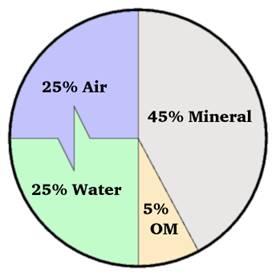
Soil is a complex mixture comprised of various components, each contributing to its overall functionality and fertility. The primary components of soil can be typically understood in terms of the five main constituents: minerals, organic matter, water, air, and living organisms.
Minerals
Minerals are the inorganic components of soil, primarily derived from the weathering of rocks. They provide essential nutrients that plants need to grow.
- Sand: Coarse particles that improve drainage.
- Silt: Medium-sized particles that help retain moisture.
- Clay: Fine particles that hold nutrients and moisture.
Organic Matter
Organic matter consists of decomposed plant and animal material, which enriches the soil. It plays a crucial role in enhancing soil structure and fertility.
- Humus: Well-decomposed organic matter that improves soil quality.
- Soil fauna: Including earthworms and insects that aid in decomposition.
- Plant residues: Remaining parts of plants that add nutrients to the soil.
Water
Water is essential for life and plays a pivotal role in the soil ecosystem. It aids in transporting nutrients and provides moisture for plant roots.
- Soil moisture: Water available to plants for uptake.
- Groundwater: Water located underground that can influence soil composition.
- Surface water: Water bodies that can affect nearby soil properties.
Air
Air within the soil is critical for the respiration of roots and microorganisms. It ensures a healthy balance of gases necessary for biological processes.
See also:
- Oxygen: Vital for respiration of roots and microbes.
- Carbon dioxide: Produced by organisms and used by plants for photosynthesis.
- Nitrogen: Essential for plant growth, often absorbed from the air in the soil.
Living Organisms
Living organisms, including bacteria, fungi, insects, and larger animals, are fundamental to soil health. They contribute to nutrient cycling and overall soil structure.
- Bacteria: Decomposers important for breaking down organic matter.
- Fungi: Mycorrhizal fungi help in nutrient absorption for plants.
- Invertebrates: Such as earthworms, enhance soil aeration and fertility.
What 5 ingredients are needed to create soil?
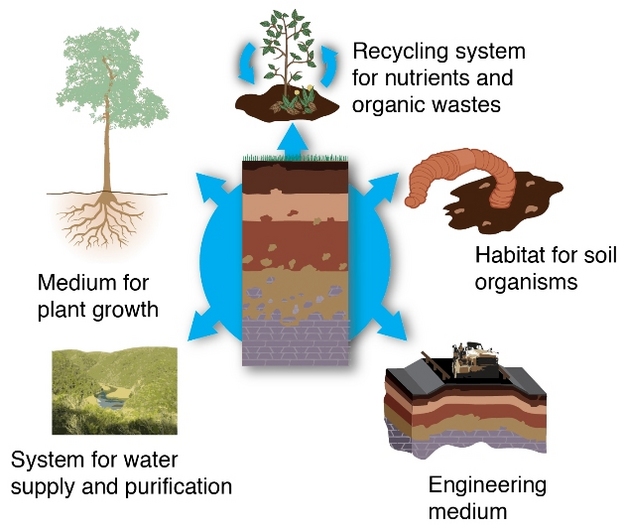
To create soil, there are five essential ingredients that play a crucial role in its formation and fertility. These ingredients are:
1. Minerals
2. Organic Matter
3. Water
4. Air
5. Living Organisms
1. Minerals
The foundation of soil comprises various types of minerals, which originate from the weathering of rocks and parent material. These minerals provide essential nutrients for plant growth. They can be categorized into three main types:
- Sands: The largest particles that allow for good drainage.
- Silt: Medium-sized particles that provide nutrient and moisture retention.
- Clay: The smallest particles that hold water and nutrients but may compact easily.
2. Organic Matter
Organic matter refers to decomposed plant and animal material. It is vital for maintaining soil structure, fertility, and moisture retention. The key contributions of organic matter include:
- Nutrient Supply: Releases essential nutrients like nitrogen and phosphorus.
- Soil Structure: Enhances soil aeration and improves drainage.
- Water Retention: Increases the soil's ability to hold water.
3. Water
Water is an essential component of soil as it facilitates the movement of nutrients and is crucial for plant growth. The role of water in soil includes:
- Dissolving Nutrients: Carries nutrients to plant roots.
- Supporting Microbial Activity: Helps decompose organic matter and maintain soil health.
- Regulating Temperature: Contributes to thermal stability in the soil environment.
4. Air
Air is another critical ingredient of soil, specifically the spaces between soil particles. The presence of air in soil allows for gas exchange, which is necessary for root respiration and microbial activity. Key aspects of air in soil are:
- Oxygen Supply: Provides oxygen for roots and soil microorganisms.
- Carbon Dioxide Removal: Allows for the escape of carbon dioxide produced by root respiration.
- Gas Exchange: Is vital for maintaining a healthy soil ecosystem.
5. Living Organisms
The presence of various living organisms in soil, such as bacteria, fungi, earthworms, and insects, is vital for soil health and functionality. These organisms contribute by:
- Decomposition: Breaking down organic matter into simpler compounds.
- Nutrient Cycling: Contributing to the transformation and availability of nutrients.
- Soil Structure Improvement: Enhancing soil aeration and the creation of soil aggregates.
What are the 5 most important elements needed in soil?

The five most important elements needed in soil are nitrogen, phosphorus, potassium, calcium, and magnesium. These elements are crucial for plant growth, influencing their health and productivity.
Nitrogen
Nitrogen is a vital element for plants as it is a major component of chlorophyll, the molecule responsible for photosynthesis. It also plays a key role in the synthesis of amino acids and proteins. Without sufficient nitrogen, plants exhibit stunted growth and yellowing leaves.
- Promotes leafy growth and green foliage.
- Essential for the production of enzymes and proteins.
- Increases crop yields significantly.
Phosphorus
Phosphorus is essential for energy transfer within the plant. It is a component of ATP (adenosine triphosphate), which provides energy for various metabolic processes. Additionally, phosphorus supports root development and flowering.
See also:
- Enhances root growth and establishment.
- Improves flowering and fruiting in plants.
- Strengthens overall plant health and resilience.
Potassium
Potassium regulates various physiological processes within plants. It is crucial for water regulation, enzyme activation, and photosynthesis. Plants deficient in potassium may exhibit symptoms such as browning leaf edges and weaker stems.
- Regulates water uptake and drought resistance.
- Activates important enzymes for metabolism.
- Strengthens plant tissues and improves disease resistance.
Calcium
Calcium is important for maintaining cell structure and integrity. It serves as a secondary messenger in various cellular processes and is essential for root development. Calcium also helps in the regulation of nutrient uptake.
- Supports cell wall development and stability.
- Facilitates nutrient transport within the plant.
- Helps in the prevention of certain plant diseases, such as blossom end rot in tomatoes.
Magnesium
Magnesium is a core component of chlorophyll, which plays a key role in photosynthesis. It also aids in the synthesis of proteins and the activation of various plant enzymes. Magnesium deficiency can lead to chlorosis and poor plant health.
- Essential for chlorophyll production and photosynthesis.
- Activates numerous enzymes involved in plant growth.
- Improves nutrient uptake efficiency within the plant.
What are 5 factors that create soil?
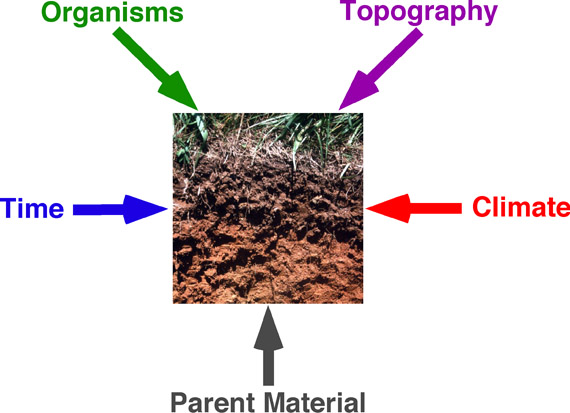
The formation of soil is influenced by several interconnected factors that contribute to its development and characteristics. Here are five key factors that create soil:
1. Parent Material
2. Climate
3. Topography
4. Biological Activity
5. Time
Parent Material
Parent material refers to the original matter from which the soil develops. It can be made up of bedrock, sand, silt, or clay, among other materials. The properties of the parent material significantly influence the texture, mineral content, and nutrient availability of the resulting soil.
- Mineral Composition: Different parent materials contribute varying minerals, which impact soil fertility.
- Texture: The size of the particles in the parent material can determine soil drainage and aeration.
- Weathering Processes: Physical and chemical weathering of parent material breaks it down into finer particles that form soil.
Climate
Climate plays a crucial role in soil formation by influencing weathering processes and biological activity. Factors such as temperature, precipitation, and seasonal changes affect how quickly soil develops and the types of vegetation that thrive in an area.
- Temperature: Warmer climates can accelerate chemical reactions, leading to faster soil formation.
- Moisture: Adequate rainfall supports plant growth and contributes organic matter to the soil.
- Wind and Erosion: Climatic conditions can contribute to the erosion of soil materials, affecting soil depth and composition.
Topography
Topography involves the physical landscape features of an area, including slope, elevation, and drainage patterns. These features can significantly impact soil formation and characteristics.
- Drainage: Slope affects water runoff and accumulation, which can influence soil moisture availability.
- Soil Depth: Elevated areas may have thinner soils due to erosion, while valleys may collect richer, deeper soils.
- Sun Exposure: Variations in topography can lead to different microclimates, affecting vegetation and soil properties.
Biological Activity
Biological activity encompasses the influence of living organisms in soil formation, including plants, animals, microbes, and fungi. These organisms contribute to the breakdown of organic matter and the cycling of nutrients.
- Organic Matter Accumulation: Plants and decaying organisms provide organic material, essential for soil fertility.
- Microbial Activity: Microbes break down organic matter and facilitate nutrient cycling, contributing to soil health.
- Soil Structure: Earthworms and other soil fauna mix and aerate the soil, improving its structure and drainage.
Time
Time is a fundamental factor in soil formation, as soil develops gradually through ongoing weathering and biological processes. The age of the soil can affect its horizonal development, maturity, and overall properties.
- Soil Horizons: Over time, distinct layers or horizons can develop, each with specific characteristics.
- Stability of Features: Older soils may have more stable characteristics due to prolonged weathering.
- Environmental Changes: Over time, shifts in climate and vegetation can also alter existing soils and contribute to new formations.
Questions from Our Readers
What are the 5 main ingredients of soil?
The five main ingredients that make up soil are minerals, organic matter, water, air, and living organisms. Each of these components plays a crucial role in maintaining the ecosystem of the soil and ensuring the health of plants.
Why are minerals important in soil?
Minerals provide essential nutrients for plants and are critical for soil structure. They come from the weathering of rocks and contribute to the chemical and physical properties of soil, influencing its fertility and ability to retain water.
See also:
How does organic matter affect soil quality?
Organic matter, such as decomposed plants and animals, enhances soil quality by improving its structure, water retention, and nutrient availability. It also fosters a healthy ecosystem for microorganisms, which are vital for nutrient cycling.
What role do living organisms play in soil?
Living organisms, including bacteria, fungi, and earthworms, are essential for the biological activity in soil. They help decompose organic material, promote nutrient cycling, and improve soil aeration, all of which are vital for supporting plant growth.

If you want to read more articles like Discover What are the 5 Ingredients that Make Up Soil: A Comprehensive Guide, we recommend you check out our Soil category.
Leave a Reply
Related Articles