What are the 5 Basic Elements of Landscape Design? A Comprehensive Guide for Beginners

Landscape design is an art that combines nature and functionality, transforming outdoor spaces into aesthetically pleasing environments. For beginners, understanding the foundational elements of landscape design is essential to creating harmonious and inviting spaces. This comprehensive guide will explore the five basic elements of landscape design: line, scale, texture, color, and form. Each element plays a vital role in achieving balance and visual interest, allowing you to express your personal style while enhancing the natural beauty of your surroundings. Dive in to discover how to effectively incorporate these elements into your landscaping projects and elevate your outdoor experience.
Understanding the 5 Basic Elements of Landscape Design
Landscape design is a multifaceted field that involves the careful consideration of its five basic elements: line, form, texture, color, and scale. Each of these elements plays a critical role in creating a harmonious and aesthetically pleasing outdoor space. Line refers to the contours and outlines within a landscape, guiding the viewer's eye and creating movement. Form encompasses the shapes of various landscape features, whether they are trees, shrubs, or structures, contributing to the overall composition. Texture involves the surface qualities of materials and plants, adding depth and interest. Color connects emotionally with the observer and can evoke different feelings depending on the palette chosen. Finally, scale ensures that the proportions of elements work in concert with one another, maintaining balance in the design. Together, these elements form the foundation of effective landscape design.
Line in Landscape Design
In landscape design, line is an essential element that dictates the structure and flow of a space. It serves to lead the viewer's eye through the landscape, creating pathways, borders, and visual connections. Lines can be straight, which often give a sense of formality and order, or they can be curved, which can impart a more organic and relaxed feel. By effectively utilizing line, designers can highlight key features, guide foot traffic, or create a sense of movement and perspective within the landscape.
Form and Its Importance
Form refers to the three-dimensional shape of landscape elements, including plants, structures, and hardscapes. It encompasses both the overall silhouette and the intricate details of individual components. Varied forms can add visual interest and complexity to a design. For instance, the architectural form of a gazebo or the rounded shape of a bush can create focal points. Understanding how different forms interact and complement each other is crucial for achieving balance and harmony in a landscape.
Texture: Adding Depth and Interest
Texture plays a significant role in enhancing the sensory experience of a landscape. It describes the surface quality of materials and plants, which can range from smooth and glossy to rough and fibrous. Combining different textures can create a rich tapestry in the landscape, making it more visually appealing and layered. For example, juxtaposing the fine needles of an evergreen with the bold leaves of a perennial can create striking contrasts that draw the eye and engage the observer.
Color as an Emotional Connector
Color is one of the most impactful elements in landscape design, capable of evoking emotions and setting the mood of the space. The selection and combination of colors can influence how a landscape feels; warm colors like reds and yellows can create a sense of energy and excitement, while cool colors like blues and greens can promote calmness and tranquility. Seasonal changes in color, particularly through flowering plants and foliage, can also add dynamism, ensuring that the landscape evolves throughout the year.
Scale for Balance and Harmony
Scale refers to the relative size of elements in the landscape and how they relate to each other and their surroundings. It is crucial for maintaining a sense of proportion and balance in the overall design. A landscape with inappropriate scale can feel overwhelming or sparse, leading to discomfort for the observer. By carefully considering scale, designers can ensure that individual components, such as plants, seating areas, and pathways, work cohesively together, creating an inviting and harmonious environment.
| Element | Description |
|---|---|
| Line | Guides the eye and creates movement through the landscape. |
| Form | The three-dimensional shape of landscape features, contributing to overall composition. |
| Texture | Adds depth and interest through surface qualities of plants and materials. |
| Color | Evokes emotions and sets the mood of the landscape. |
| Scale | Ensures the proportions of elements work in harmony with one another. |
What are the 7 principles of landscape design with examples?
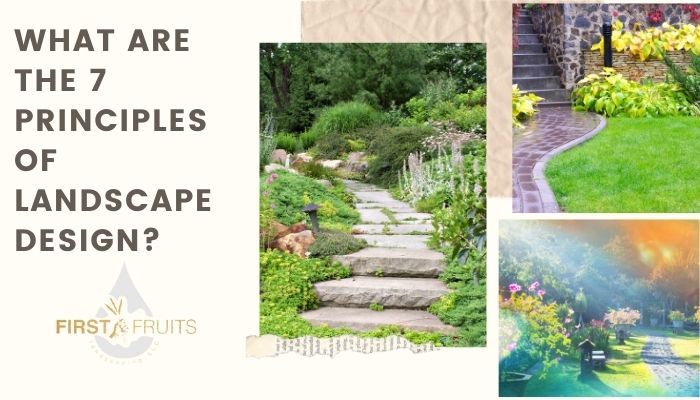
The 7 principles of landscape design are foundational guidelines that can help in creating functional, aesthetically pleasing, and sustainable outdoor spaces. Here are detailed descriptions of these principles along with examples:
1. Unity
Unity in landscape design refers to the harmonious relationship between various elements of a landscape. It ensures that all components work together to create a cohesive overall look.
- Example: A garden where plant colors, materials, and furniture pieces are carefully selected to match and enhance each other.
- Examples of achieving unity include:
- Using a consistent color palette across different plants and materials.
- Incorporating similar textures in paving, furniture, and planting.
- Creating focal points that draw the eye and anchor the design.
2. Balance
Balance refers to the distribution of visual weight in a landscape. This can be achieved through symmetrical or asymmetrical arrangements.
- Example: A formal garden with equal numbers of identical shrubs on either side of a central pathway represents symmetry, while an informal garden with different plants balanced in size and color displays asymmetry.
- Examples of achieving balance include:
- Using symmetrical layouts for more formal designs.
- Employing asymmetrical designs to create more dynamic and interesting landscapes.
- Balancing large elements with smaller ones to enhance visual appeal.
3. Focal Point
A focal point is an element that attracts attention and serves as a visual anchor in a landscape. It can be a piece of art, a tree, or a water feature.
- Example: A large sculpture standing in the center of a garden or a vibrant flowerbed that draws the eye.
- Examples of creating focal points include:
- Placing unique garden ornaments at strategic locations.
- Using a flowering tree that stands out against evergreen backgrounds.
- Incorporating water features like ponds or fountains to create interest.
4. Scale and Proportion
Scale and proportion involve the size relationship between different elements in a landscape. These concepts ensure that elements fit well together and create an aesthetically pleasing environment.
- Example: A large tree might dominate a small garden, making the space feel cramped, while a series of smaller plants can complement a sturdy fence.
- Examples of maintaining scale and proportion include:
- Choosing plants with heights that complement surrounding structures.
- Using hardscape materials that match the size of the landscaping features.
- Ensuring pathways are wide enough for intended traffic while maintaining the overall scale.
5. Rhythm
Rhythm in landscape design relates to the repetition of elements and the flow they create in a space. This principle helps to guide the eye and create movement throughout the landscape.
See also:
- Example: Planting a repetitive pattern of flowers or shrubs along a pathway, creating a sense of flow and continuity.
- Examples of establishing rhythm include:
- Using a sequential arrangement of plants to draw the eye along a path.
- Repeating colors and shapes to create a sense of movement.
- Incorporating elements like benches or trellises at regular intervals to establish a cadence in the design.
6. Contrast
Contrast emphasizes differences in color, texture, and shape to create visual interest and variety in the landscape design.
- Example: Using dark foliage plants against lighter blooming flowers creates a striking contrast.
- Examples of utilizing contrast include:
- Mixing finely textured plants with coarser ones for visual diversity.
- Combining various colors of plants to evoke different moods.
- Pairing hardscape materials with natural ones to enhance the overall landscape.
7. Transition
Transition refers to the smooth progression from one element or area to another. It helps to maintain continuity and cohesiveness within the landscape.
- Example: Gradually changing the height of plants from taller ones in the back to shorter ones in the front creates a flow in planting beds.
- Examples of achieving transition include:
- Gradually varying plant sizes to avoid abrupt changes.
- Using color transitions from warm to cool tones.
- Incorporating pathways that gently curve instead of sharp lines to guide the movement through the landscape.
What are the 5 elements and principles of design?

The five elements and principles of design are fundamental concepts that guide designers in creating aesthetically pleasing and functional designs. Understanding these elements and principles is essential for effective visual communication.
Elements of Design
The elements of design are the basic components that make up a composition. They are the building blocks that can bring a design to life. The five key elements include:
- Line: Lines can be straight or curved and are used to create shapes, directions, and textures. They can convey emotion and movement.
- Shape: Shapes are formed when lines enclose a space. They can be geometric (like squares and circles) or organic (irregular shapes found in nature).
- Color: Color adds visual interest and can influence mood and perception. Understanding color theory, including the color wheel and harmony, is crucial.
- Texture: Texture refers to the surface quality of a design. It can be tactile (physical texture) or visual (implied texture).
- Space: Space is the area around and between elements. It defines shape and can create a sense of depth or dimension within a design.
Principles of Design
The principles of design dictate how the elements of design are organized and structured. Understanding these principles ensures that designs are cohesive and effective. The five key principles include:
- Balance: Balance refers to the distribution of visual weight within a design. It can be symmetrical (equal on both sides) or asymmetrical (unequal but still visually balanced).
- Contrast: Contrast is the use of opposing elements to draw attention and create visual interest. This can involve juxtaposing different colors, shapes, or sizes.
- Emphasis: Emphasis is about highlighting the most important elements in a design. This can be achieved by using size, color, or placement to make certain features stand out.
- Movement: Movement guides the viewer's eye through a design. It can be created through the arrangement of elements, lines, or even the flow of shapes.
- Pattern: Pattern involves the repetition of elements to create a sense of unity or rhythm. This can enhance the overall visual experience of a design.
The Importance of Lines in Design
Lines are one of the most fundamental elements of design. They can serve multiple purposes within a composition. The characteristics of lines include:
- Direction: Lines can guide the viewer’s gaze, leading them through the design.
- Emotion: Different types of lines (curved vs. straight) can evoke different feelings.
- Structure: Lines can outline shapes and provide a framework for the rest of the design.
Color Theory in Design
Color theory is critical for effective visual communication. Understanding how colors work together can significantly enhance the design. Important considerations include:
- Color Wheel: The color wheel is a visual representation of colors, showcasing relationships between primary, secondary, and tertiary colors.
- Color Harmony: This principle focuses on creating aesthetically pleasing combinations of colors that work well together.
- Color Psychology: Different colors can evoke specific emotions and associations; understanding this can influence design choices effectively.
Creating Texture in Design
Texture adds depth and interest to a design. It can be employed in various ways, such as:
- Tactile Texture: This refers to the physical texture you can feel, such as paper grain or fabric.
- Visual Texture: This is an implied texture that creates an illusion of depth or dimension, often seen in graphic designs.
- Texture Variation: Mixing different textures can create intrigue and visual interest in a design.
The Role of Balance in Design
Balance is essential for creating stability in a design. It can be categorized into:
- Symmetrical Balance: This is achieved by placing equal visual weight on both sides, often creating a formal and organized look.
- Asymmetrical Balance: This involves arranging elements of different weights to achieve a balanced composition, often resulting in a dynamic and interesting layout.
- Radial Balance: This is when elements are arranged around a central point, creating a sense of harmony and unity.
What are the five elements considered in a natural landscape?

The five elements considered in a natural landscape are essential components that create the visual and ecological character of the environment. These elements include landform, water, vegetation, climate, and soil. Each element plays a critical role in shaping ecosystems and influencing biodiversity.
Landform
Landform refers to the physical shape and nature of the landscape, which includes features such as mountains, valleys, hills, and plains. These characteristics greatly influence both human activity and ecological processes.
- Topography: The arrangement of the natural and artificial physical features affects water drainage and soil erosion.
- Elevation: Higher elevations may support different vegetation types and climatic conditions compared to lower areas.
- Landforms and Ecosystems: Different landforms provide habitats for various species, contributing to overall biodiversity.
Water
Water is a fundamental aspect of natural landscapes as it supports life and shapes geographical features. This includes rivers, lakes, wetlands, and oceans, which are vital for both ecological balance and human use.
- Freshwater Sources: Rivers and lakes provide necessary resources for drinking water, agriculture, and recreation.
- Wetlands: They serve as crucial ecosystems that filter pollutants and provide habitats for wildlife.
- Impact on Climate: Water bodies influence local climates, helping to moderate temperatures and increase humidity.
Vegetation
Vegetation comprises all plant life in an area, playing a crucial role in maintaining ecological balance. It varies significantly depending on the climate and landforms present in a landscape.
See also:
- Diversity of Species: Different ecosystems host various types of plants, from forests to deserts, each adapted to their environment.
- Role in the Ecosystem: Vegetation provides food, shelter, and oxygen, and helps in regulating the water cycle.
- Impact of Human Activity: Urbanization and agriculture can significantly alter natural vegetation patterns, affecting biodiversity.
Climate
Climate encompasses the long-term weather patterns of an area, influencing the other elements of a natural landscape. It determines the types of vegetation that can thrive and the overall ecological balance.
- Temperature and Precipitation: These two factors greatly influence the types of ecosystems that develop in a landscape.
- Seasonal Changes: Seasonal variations affect plant growth, animal behavior, and water availability.
- Climate Change: Increasing global temperatures and shifting weather patterns are altering existing natural landscapes and their ecosystems.
Soil
Soil is the upper layer of Earth where plants grow. It plays a vital role in sustaining vegetation and is an essential component of the natural landscape.
- Soil Composition: Different soil types (clay, sandy, loamy) affect water retention and nutrient availability.
- Biological Activity: Soil is home to a variety of organisms that contribute to nutrient cycling and organic matter decomposition.
- Impact of Land Use: Agricultural practices and urban development can degrade soil quality, affecting the entire ecosystem.
What are the 7 steps to landscape design?
The 7 steps to landscape design include:
1. Research and Assess: Gather information about the site and the needs of the clients. Assess the current landscape, taking into account factors like soil quality, drainage, sunlight, and existing plants.
2. Define Objectives: Establish the goals for the landscape project. This can include aesthetic preferences, functional requirements, and maintenance considerations.
3. Create a Base Map: Develop a detailed map of the existing site. Include structures, trees, gardens, and utilities. This will serve as the foundation for the design.
4. Design Layout: Start drafting the design by laying out different elements like flower beds, paths, and patios. Use the information from the previous steps to inform your layout.
5. Select Plants and Materials: Choose appropriate plants and materials that fit the design objectives and local climate. Consider factors like growth patterns, color, and maintenance needs.
6. Finalize the Design: Refine the preliminary design based on feedback and make adjustments as necessary. Ensure that all elements are cohesive and serve the intended purposes.
7. Implement the Plan: Once the design is finalized, it's time to execute it. This involves preparing the site, installing plants, and constructing any necessary features.
Research and Assess the Site
To begin the landscape design process, research and assessment are crucial. Understand the environmental aspects of the site by checking its history, physical features, and any prevailing conditions. Pay attention to the following:
- Evaluate soil quality for plant health.
- Identify drainage issues to prevent water accumulation.
- Observe sunlight patterns to maximize plant growth.
Defining Objectives Clearly
Establishing clear objectives helps guide the design process effectively. Discuss with clients about what they envision for their landscape and ensure that their wants are communicated well. Consider these objectives:
- Determine the primary use of the space.
- Identify desired aesthetic styles, such as modern or rustic.
- Evaluate the maintenance level clients are willing to commit to.
Creating a Base Map
A base map is essential for accurate planning. It includes all aspects of the existing landscape and serves as a tool for the design. Important elements on this map are:
- Existing structures such as houses and garages.
- Utility lines and their locations.
- Current plantings that may be retained or removed.
Design Layout Considerations
Drafting the design layout is where creativity starts to take form. Focus on arranging different landscape elements for optimal flow and visual appeal. When designing, consider:
- The arrangement of paths and walkways for accessibility.
- The placement of patios or seating areas for social interaction.
- Grouping of plants by their needs and aesthetic appearance.
Selecting Plants and Materials
Choosing the right plants and materials is fundamental to the success of the design. This decision should reflect the overall objectives and local conditions. Key factors include:
- Selecting species that thrive in the local climate.
- Considering the color palette for seasonal interest.
- Choosing durable materials for long-term sustainability.
Questions from Our Readers
What are the 5 basic elements of landscape design?
The 5 basic elements of landscape design include line, form, texture, color, and scale. These components work together to create a visually pleasing and functional outdoor space, helping to guide the viewer's eye and create a cohesive design.
How do lines influence landscape design?
Lines are crucial in landscape design as they help to organize and define spaces. They can be straight, curved, or diagonal, and can lead the eye to specific areas, creating a sense of movement and structure throughout the landscape.
See also:
What role does color play in landscape design?
Color plays a significant role in landscape design by influencing mood and atmosphere. Different colors evoke various emotions, and using a well-chosen palette can enhance the visual appeal and ambiance of the outdoor environment.
Why is texture important in landscape design?
Texture adds depth and interest to a landscape, affecting how light interacts with plants and materials. A variety of textures, whether they be smooth or rough, can create contrast and emphasize different features, making the design more engaging.

If you want to read more articles like What are the 5 Basic Elements of Landscape Design? A Comprehensive Guide for Beginners, we recommend you check out our Landscaping category.
Leave a Reply
Related Articles