What are the 4 Traditional Methods of Irrigation? Discover the Best Techniques for Effective Farming
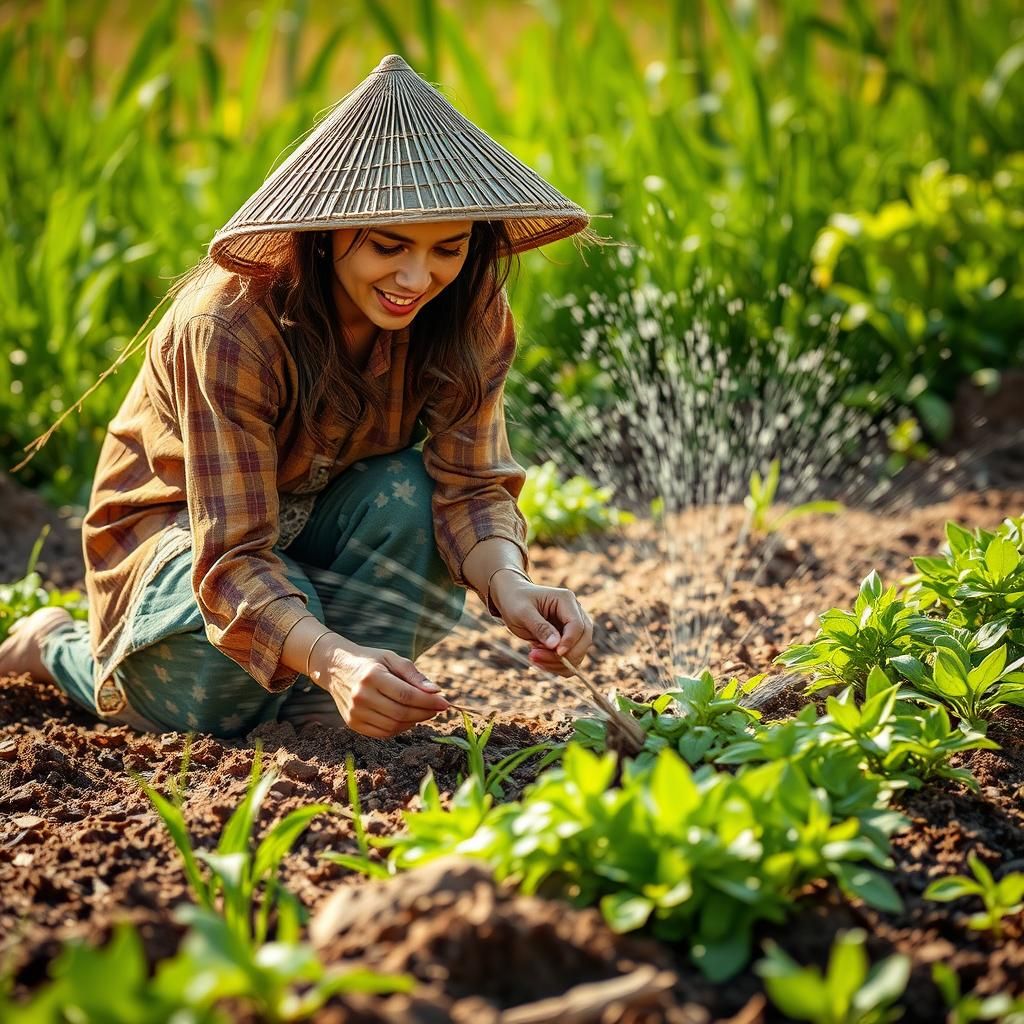
Irrigation is a vital component of successful farming, ensuring that crops receive the water they need to thrive. With various techniques available, understanding the traditional methods of irrigation can help farmers choose the best practices for their specific needs. This article explores the four primary traditional irrigation methods—surface, drip, sprinkler, and flood irrigation—each with its unique advantages and applications. By examining these techniques, we aim to provide insights that can enhance agricultural productivity and sustainability, ensuring that farmers can effectively manage water resources in an ever-changing environmental landscape. Discover how these time-tested methods can optimize your farming efforts.
Traditional Methods of Irrigation
The four traditional methods of irrigation include surface irrigation, drip irrigation, sprinkler irrigation, and subsurface irrigation. Surface irrigation involves the distribution of water over the soil surface through gravity, allowing it to infiltrate into the ground. Drip irrigation is more efficient, delivering water directly to the plant roots through a network of tubing and emitters, reducing evaporation and runoff. Sprinkler irrigation utilizes a system of pipes and nozzles to spray water over crops, mimicking natural rainfall, while subsurface irrigation involves placing the water delivery systems below the soil surface, allowing for moisture retention and reduced evaporation. Each method serves specific agricultural needs and environmental conditions, influencing crop yield and water management practices.
Surface Irrigation
Surface irrigation is one of the oldest and most common methods used globally. It involves applying water to the soil surface and allowing it to flow over the land by gravity. This technique can be highly effective in regions with flat terrain and adequate water supplies. The main forms include basin, furrow, and border irrigation, each tailored to specific crop types and soil characteristics. While surface irrigation is relatively low-cost, it can lead to issues such as soil erosion and waterlogging if not managed properly.
Drip Irrigation
Drip irrigation is recognized as one of the most water-efficient irrigation methods. By delivering water directly to the base of plants through a network of tubes and emitters, it minimizes wastage through evaporation or runoff. This method is particularly useful in arid regions where water is scarce, allowing farmers to maximize crop yields with minimal water usage. Additionally, drip irrigation systems can be automated, providing precise control over water application and improving overall crop health.
Sprinkler Irrigation
Sprinkler irrigation uses a system of pipes, pumps, and sprinkler heads to distribute water over crops in the form of rain. It is versatile and can be used on various terrain types, making it suitable for both large-scale and small-scale agricultural operations. This method helps in maintaining adequate soil moisture levels and can be adjusted based on climatic conditions. However, it may require a significant initial investment and energy for pumping, potentially impacting its cost-effectiveness in some cases.
Subsurface Irrigation
Subsurface irrigation involves the installation of a network of perforated pipes below the soil surface to deliver water directly to the root zone of the plants. This method effectively reduces water evaporation and minimizes the risk of weeds, as the soil surface remains dry. Subsurface irrigation is particularly beneficial for high-value crops that require consistent moisture levels. It promotes deeper root growth and enhances the overall health of plants, although it can be more complex and costly to install and maintain than other irrigation methods.
Comparative Overview of Irrigation Methods
| Irrigation Method | Water Efficiency | Cost | Suitability |
|---|---|---|---|
| Surface Irrigation | Moderate | Low | Flat terrain, adequate water supply |
| Drip Irrigation | High | High | Arid regions, high-value crops |
| Sprinkler Irrigation | Moderate | Medium | Varied terrain types |
| Subsurface Irrigation | Very High | High | High-value crops, deep moisture needs |
What are the four traditional methods of irrigation?

The four traditional methods of irrigation are surface irrigation, drip irrigation, sprinkler irrigation, and flood irrigation. Each of these methods has distinct characteristics, advantages, and challenges, and they are employed based on the requirements of the crops, soil type, and water availability.
Surface Irrigation
Surface irrigation involves distributing water over the soil surface by gravity. This method is one of the oldest and most common practices in agriculture.
- Gravity-Based System: Water flows from a higher elevation to lower areas without the need for pumps.
- Types: It includes furrow, basin, and border irrigation methods.
- Advantages: Low cost and simplicity in operation.
Drip Irrigation
Drip irrigation is a highly efficient method that delivers water directly to the plant's root zone through a system of tubes and emitters.
- Water Efficiency: Reduces water wastage by minimizing evaporation and runoff.
- Crop Health: Provides a consistent moisture level that can enhance crop yields.
- Adaptability: Can be customized for various crops and terrains.
Sprinkler Irrigation
Sprinkler irrigation mimics natural rainfall by spraying water over the crops through a system of pipes and nozzles.
- Versatility: Suitable for a wide range of crop types and field sizes.
- Water Distribution: Can efficiently cover irregular-shaped fields.
- Efficiency Metrics: Helps to control water application rates and timing.
Flood Irrigation
Flood irrigation involves saturating the field by allowing water to flow across the surface, soaking into the soil.
- Soil Saturation: Ensures the soil receives adequate moisture for plant growth.
- Traditional Practice: Used extensively in areas with flat terrains and abundant water sources.
- Challenges: It can lead to waterlogging and soil erosion if not managed properly.
What are the 4 main types of irrigation?

The four main types of irrigation are:
See also:
1. Surface Irrigation
Surface irrigation is one of the oldest and simplest forms of irrigation. It involves distributing water over the soil surface and allowing it to infiltrate into the ground through gravity.
Advantages of Surface Irrigation
This method has several advantages, including:
- Cost-Effective: It requires minimal investment compared to more advanced systems.
- Simple to Implement: The setup is straightforward and can be adapted to various types of terrain.
- Effective for Thirsty Crops: Allows water to seep into the root zone effectively.
Disadvantages of Surface Irrigation
Despite its advantages, surface irrigation also has some drawbacks:
- Water Waste: There may be significant evaporation and runoff losses.
- Soil Erosion: Improper management can lead to soil degradation.
- Labor-Intensive: It often requires a considerable amount of manual labor for maintenance.
2. Drip Irrigation
Drip irrigation is a highly efficient method that delivers water directly to the plant roots in a controlled manner through a system of pipes, valves, and emitters.
Efficient Water Usage
Drip irrigation is particularly useful for its water-saving features:
- Minimized Evaporation: Water is applied directly to the soil, reducing evaporation rates.
- Reduced Weed Growth: Since water is delivered to specific plants, surrounding weeds receive less moisture.
- Precise Application: Allows for better control of water delivery based on crop needs.
Challenges of Drip Irrigation
While highly effective, drip irrigation has its challenges:
- Initial Cost: The setup and installation can be expensive.
- Maintenance Needs: Emitters can become clogged and require regular checks.
- Requires Technical Knowledge: A proper understanding of design and management is essential.
3. Sprinkler Irrigation
Sprinkler irrigation mimics natural rainfall and involves applying water in a controlled manner through a system of pipes and pumps that spray water over the crops.
Benefits of Sprinkler Irrigation
The method provides several advantages, including:
- Flexibility: It can be used on various crops and soil types.
- Uniform Water Distribution: Ensures even coverage, reducing the risk of dry spots.
- Can Cover Large Areas: Suitable for extensive farmland with varying terrains.
Drawbacks of Sprinkler Irrigation
However, there are also a few drawbacks:
- High Initial Costs: The installation and equipment can be expensive.
- Dependent on Weather Conditions: Wind and high temperatures can reduce efficiency.
- Possible Water Loss: Evaporation and drift can lead to water wastage.
4. Subsurface Irrigation
Subsurface irrigation involves the installation of a system beneath the soil surface to deliver water directly to the roots, minimizing evaporation and surface runoff.
Advantages of Subsurface Irrigation
This method has unique benefits, such as:
- Water Conservation: Reduces water loss through evaporation.
- Less Weed Growth: Since water is delivered underground, surface weeds get less moisture.
- Promotes Deep Root Growth: Encourages plants to develop stronger root systems.
Challenges of Subsurface Irrigation
Nonetheless, this type of irrigation presents some challenges:
- High Initial Investment: Installation costs can be significant.
- Complex Maintenance: Requires careful planning and monitoring to avoid clogging.
- Limited Usage: It may not be suitable for all crop types or soil conditions.
What are the 4 modern methods of irrigation?
The four modern methods of irrigation include drip irrigation, sprinkler irrigation, subsurface irrigation, and center pivot irrigation. Each method has its unique applications, benefits, and challenges, helping to optimize water usage in agricultural practices.
See also:
Drip Irrigation
Drip irrigation is a highly efficient watering system that delivers water directly to the plant's root zone, reducing evaporation and runoff. This method utilizes a network of tubing and emitters to supply water in a slow and controlled manner, allowing for maximum absorption by the plants.
- Water Efficiency: Drip irrigation uses less water compared to traditional methods, conserving resources.
- Soil Health: It minimizes soil erosion and runoff, promoting healthy root development.
- Targeted Watering: Water is applied directly to the plants, reducing weed growth and ensuring that every plant receives adequate moisture.
Sprinkler Irrigation
Sprinkler irrigation mimics natural rainfall by distributing water through a network of pipes and sprinklers. This method is versatile and can be used for various crops and terrains, making it a popular choice in agriculture and landscaping.
- Uniform Coverage: Sprinklers provide even distribution of water, ensuring that all plants receive sufficient moisture.
- Adaptable: This method can be adjusted based on the crop and environmental conditions, making it suitable for various settings.
- Reduced Labor: Automated sprinklers can be programmed, reducing manual watering efforts and labor costs.
Subsurface Irrigation
Subsurface irrigation involves installing water delivery systems below the soil surface, supplying moisture directly to the root zone. This method helps in conserving water and maintaining soil structure.
- Reduced Evaporation: By supplying water underground, evaporation losses are minimized, ensuring more water reaches the plants.
- Enhanced Soil Conditions: It improves soil moisture levels uniformly, promoting healthier crop growth.
- Less Weed Growth: Since water is applied below the surface, weed emergence is reduced, leading to less competition for nutrients.
Center Pivot Irrigation
Center pivot irrigation systems utilize rotating sprinklers mounted on wheeled towers to irrigate large circular areas of farmland. This method is particularly effective for large-scale agriculture.
- High Efficiency: Center pivot systems can cover extensive areas efficiently, reducing labor and water usage.
- Automation: Most systems can be automated, allowing for precise scheduling and management.
- Versatile Application: This method can be adapted for different types of crops, soil conditions, and climates.
What are the 4 methods of surface irrigation?
There are four primary methods of surface irrigation, which are widely used in agricultural practices. These methods utilize the force of gravity to distribute water across the field, ensuring that crops receive adequate moisture. The four methods are flood irrigation, furrow irrigation, border irrigation, and basin irrigation.
Flood Irrigation
Flood irrigation is one of the simplest forms of surface irrigation. In this method, water is allowed to flow over the entire surface of the field, saturating the soil. It is particularly effective for crops that can tolerate wet conditions. However, flood irrigation can lead to issues like waterlogging and inefficient water use.
- Easy to implement with minimal infrastructure.
- Can provide water to a wide variety of crops.
- Risk of uneven distribution and excessive runoff.
Furrow Irrigation
Furrow irrigation involves creating small trenches or furrows along the rows of crops and directing water into these furrows. This method is more efficient than flood irrigation and allows for better management of water resources. It minimizes water wastage and reduces erosion risks.
- Water is concentrated in the furrows, improving uptake by roots.
- Less surface area is wetted compared to flood irrigation.
- Can be adapted to various soil types and crop needs.
Border Irrigation
Border irrigation, also known as strip irrigation, utilizes leveled strips or borders to guide water along the field. This method allows for a more controlled distribution of water compared to flood irrigation, while still relying on gravity. The spacing and length of the borders can be adapted based on the crop and soil properties.
- Effective for large fields and crops with similar water needs.
- Reduces the risk of waterlogging compared to unrestricted flow.
- Can be automated to increase efficiency.
Basin Irrigation
Basin irrigation is characterized by the creation of small basins around plants, which are then filled with water. This method is particularly useful for orchards and other tree crops. The basins enable deep penetration of water and ensure effective moisture retention without the risk of oversaturation.
- Allows for deep watering, promoting strong root development.
- Minimizes water loss through evaporation.
- Ideal for crops requiring precise moisture control.
Questions from Our Readers
What are the four traditional methods of irrigation?
The four traditional methods of irrigation include flood irrigation, surface irrigation, drip irrigation, and sprinkler irrigation. Each method has its own advantages and is suited for different types of crops and geographical conditions.
How does flood irrigation work?
Flood irrigation involves saturating the soil with water by creating a controlled flow, allowing the water to spill over and cover the crops. This method is simple and cost-effective but can lead to water wastage and soil erosion if not managed properly.
What is surface irrigation, and how is it different from flood irrigation?
Surface irrigation refers to the application of water to the soil surface, where it flows over the ground to reach plants. Unlike flood irrigation, surface irrigation is typically more controlled and can be designed to minimize runoff and water loss, often using channels or basins.
What are the characteristics of drip irrigation?
Drip irrigation is a highly efficient method that delivers water directly to the roots of plants through a system of pipes and emitters. This method conserves water, reduces evaporation, and minimizes weed growth, making it ideal for regions with limited water resources.
See also:

If you want to read more articles like What are the 4 Traditional Methods of Irrigation? Discover the Best Techniques for Effective Farming, we recommend you check out our Irrigation category.
Leave a Reply
Related Articles