Ultimate Guide to Trees That Grow Well in Clay Soil Australia: Top Species for Your Landscape
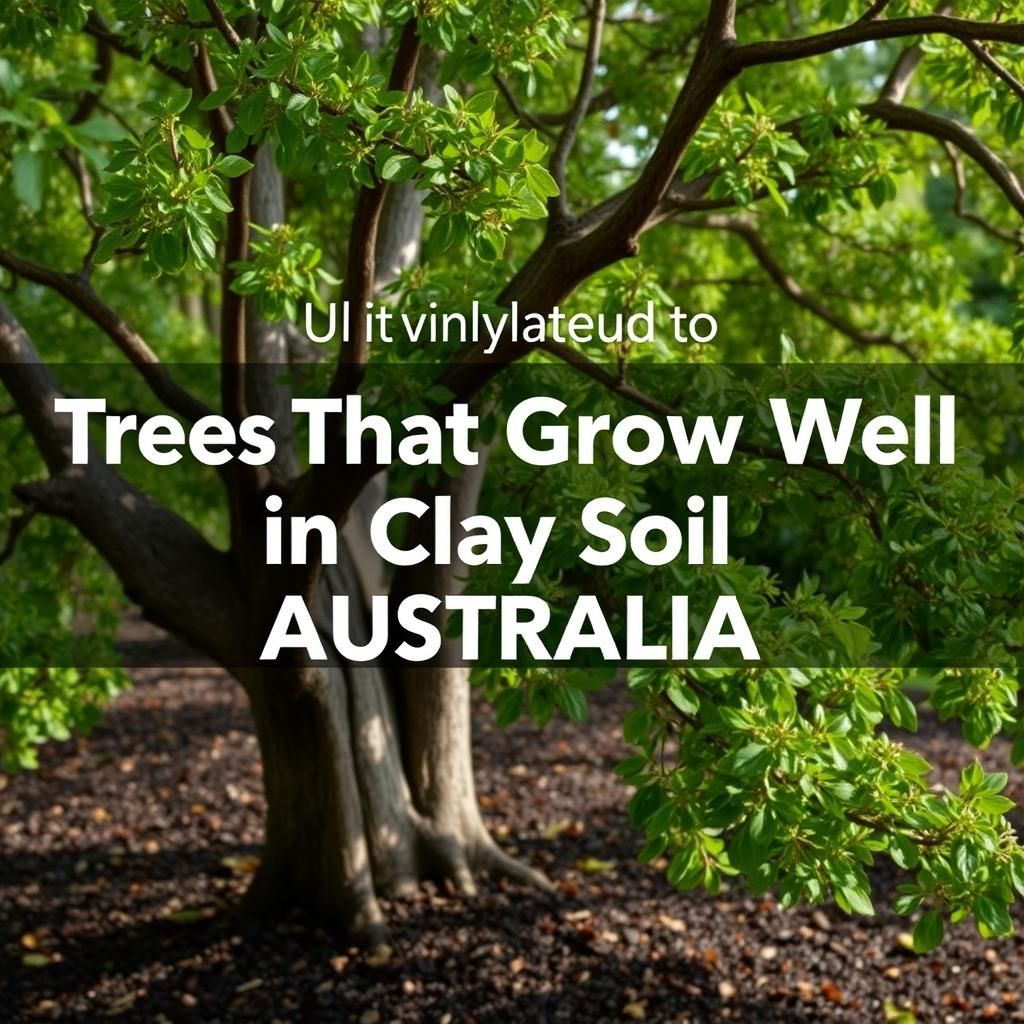
Clay soil can be a challenging environment for gardeners and landscapers, but it can also support a variety of thriving tree species. In Australia, where diverse climates and ecosystems abound, selecting the right trees for clay soil is crucial for achieving a healthy and vibrant landscape. This ultimate guide will explore the top tree species that not only tolerate but flourish in clay soil conditions. From native options that enhance biodiversity to ornamental varieties that add aesthetic appeal, discover the best trees for your garden that will thrive in the unique Australian clay environments.
Trees That Thrive in Clay Soil in Australia
Clay soil can present unique challenges for gardeners and landscapers, but several species of trees are well adapted to these conditions in Australia. These trees typically possess deep root systems and can tolerate the poor drainage and high nutrient content that clay soils often provide. Among the most suitable options are the River Red Gum (Eucalyptus camaldulensis), known for its resilience and ability to grow in flood-prone areas, and the Willow Bottle Tree (Brachychiton populneus), which thrives in various soil types, including clay. Other trees such as the Silky Oak (Grevillea robusta) and the Queensland Blue Gum (Eucalyptus tereticornis) also demonstrate excellent adaptability to these soil conditions. When selecting trees for clay soil, it's important to consider not only their growth habits but also their potential for environmental resilience and visual appeal in the landscape.
River Red Gum
The River Red Gum (Eucalyptus camaldulensis) is a native Australian tree that excels in clay soils due to its ability to absorb excess moisture and thrive in flood-prone areas. This tree is known for its characteristic bark that peels in strips and its elegant canopy, providing shade and habitat for various wildlife. Furthermore, it is drought-tolerant once established, making it a popular choice in regions experiencing variable rainfall.
Willow Bottle Tree
The Willow Bottle Tree (Brachychiton populneus) is another excellent option for clay soil in Australia. This tree features a unique bottle-shaped trunk that stores water, allowing it to survive in drier periods. Its striking foliage and ability to adapt to various soil types make it a favored choice for urban landscapes. Additionally, it produces attractive yellow flowers that appeal to birds and insects, adding ecological value to any garden.
Silky Oak
The Silky Oak (Grevillea robusta) is prized for its fast growth and aesthetic appeal. This tree can tolerate clay soils and offers a beautiful canopy with feathery leaves that turn golden in autumn. It also provides excellent shade and attracts a variety of wildlife, including nectar-feeding birds due to its abundant flowers. Its adaptability makes it a suitable choice for both residential gardens and commercial landscapes.
Queensland Blue Gum
The Queensland Blue Gum (Eucalyptus tereticornis) is a tall, strong tree that is well-suited for clay soils. Its gutter-like foliage and straight trunk make it a favorite for timber production, while its robust nature allows it to thrive in regions with poor drainage and compacted soils. Additionally, this species is known for its ability to tolerate occasional flooding, making it a resilient choice for challenging sites.
Coast Banksia
The Coast Banksia (Banksia integrifolia) is another tree that thrives in clay soil conditions. This hardy species is known for its striking, cylindrical flower spikes, providing vibrant colors in the landscape while attracting native pollinators like bees and birds. Its deep root system makes it suitable for poor drainage areas while contributing to soil stabilization, making it valuable in landscaping and conservation efforts.
| Tree Species | Soil Adaptability | Notable Features |
|---|---|---|
| River Red Gum | Excellent | Flood-resistant, provides habitat |
| Willow Bottle Tree | Adaptable | Unique trunk shape, drought tolerant |
| Silky Oak | Excellent | Fast growth, beautiful foliage |
| Queensland Blue Gum | Well-suited | Timber production, straight trunk |
| Coast Banksia | Thrives | Colorful flowers, attracts wildlife |
Essential Tips for Planting Trees in Clay Soil
When considering trees that thrive in clay soil, it is crucial to prepare the site appropriately to ensure successful growth. Begin by assessing the drainage of your soil, as clay retains moisture, which can lead to root rot. Enhancing soil structure by incorporating organic matter such as compost can improve aeration and drainage. Additionally, selecting the right species suited for Australian climates will maximize your chances of creating a thriving landscape. It is also important to space trees adequately to allow for their canopy development and to minimize competition for nutrients.
Characteristics of Clay Soil
Clay soil is known for its compact nature, which creates a challenging environment for many plants. Its particle size is smaller than that of sandy or loamy soils, leading to poor drainage and aeration. This type of soil tends to retain moisture, making it prone to extended waterlogging during heavy rains. However, certain tree species have adapted to thrive in these conditions, taking advantage of the moisture while their root systems manage to establish stability even in dense substrate. Understanding these characteristics is vital when choosing appropriate tree species for your landscape.
Best Tree Species for Clay Soil in Australia
Several tree species perform exceptionally well in Australia's clay soils. Some of the top recommendations include the Eucalyptus and Melaleuca genera, which are native and well-adapted to various Australian climates. Another excellent choice is the Acacia tree, known for its hardiness and ability to fix nitrogen in the soil. The Liquidambar and Taxodium trees also present a good fit, providing aesthetic value along with their resilience in heavier soil types. Selecting these species not only supports biodiversity but also ensures a flourishing landscape.
Planting Techniques for Clay Soil
Successful planting in clay soil requires a tailored approach that differs from that of other soil types. Begin by digging wide and shallow holes to minimize soil compaction, ensuring that roots have ample room to spread. Before placing the tree, add a mixture of compost and mulch at the bottom and around the sides of the planting hole to enhance drainage and provide nutrients. It's also advantageous to plant during the cooler months to reduce stress on the tree. After planting, apply a layer of mulch to help retain moisture and regulate soil temperature, thus improving the tree's chances of survival.
Maintenance Practices for Clay Soil Trees
Once trees are established in clay soil, proper maintenance is essential to promote healthy growth. Regularly monitor the moisture levels, especially during dry periods, ensuring that trees receive adequate watering without causing waterlogging. Pruning is also important; removing dead or overcrowded branches can enhance air circulation and reduce the risk of disease. Additionally, fertilizing with low-nitrogen inputs can boost soil health without leading to excessive growth that could stress the trees. Performing these maintenance tasks ensures a vibrant and healthy landscape year-round.
Common Challenges with Clay Soil Trees
Despite their resilience, trees in clay soil may face specific challenges, including pests and diseases that thrive in moist conditions. Overwatering can lead to root rot, while compacted soil may prevent adequate root development. Furthermore, nutrient deficiencies can arise if the soil lacks organic content. Regular monitoring and appropriate interventions such as amended soil and targeted pest management can mitigate these issues, ensuring that the trees remain robust and healthy despite the challenges posed by heavy soils.
Questions from Our Readers
What types of trees are suitable for clay soil in Australia?
Many tree species thrive in clay soil across Australia. Some of the best options include eucalyptus, melaleuca, and casuarina. These trees are well-adapted to poorly drained soils and can withstand the heavy moisture that clay retains, making them excellent choices for landscaping in these conditions.
How can I improve clay soil for planting trees?
To enhance clay soil for tree planting, consider adding organic matter such as compost or well-rotted manure. This technique improves drainage and soil structure, allowing roots to establish more easily. Incorporating materials like gypsum can also help break up compacted clay, promoting better growth conditions for your trees.
Can I plant fruit trees in clay soil?
Yes, you can successfully plant fruit trees in clay soil by selecting varieties that tolerate wetter conditions. Species like apple, pear, and certain citrus trees can be grown in clay, particularly if you amend the soil and ensure proper drainage. Selecting appropriate rootstock is also crucial for managing moisture levels around the roots.
What care do tree seedlings need in clay soil?
Tree seedlings planted in clay soil require diligent care, including regular watering to prevent stress during dry periods. It's important to monitor soil moisture levels, as clay can retain water, leading to root rot if overwatered. Additionally, applying mulch around the base can help regulate soil temperature and retain moisture while minimizing competition from weeds.
If you want to read more articles like Ultimate Guide to Trees That Grow Well in Clay Soil Australia: Top Species for Your Landscape, we recommend you check out our Landscaping category.
Leave a Reply
Related Articles