Should You Wet the Ground Before Laying Turf? Essential Tips for a Successful Lawn Installation
When installing new turf, one of the key considerations is whether to wet the ground beforehand. Many homeowners wonder if pre-soaking the soil can enhance the success of their lawn installation. This article delves into the benefits and potential drawbacks of wetting the ground prior to laying turf. We will explore essential tips and best practices to ensure that your new lawn thrives, providing you with a lush, green space for years to come. Understanding the right approach to soil preparation is crucial for achieving a healthy, vibrant lawn. Let’s uncover the secrets to a successful turf installation.
Should You Wet the Ground Before Laying Turf?
Before laying turf, it is generally advisable to wet the ground to promote better soil preparation and rooting of the grass. Moistening the soil helps to break down any compacted layers and enables the turf to settle more easily into the ground. This practice ensures that the turf rolls have a greater chance of establishing roots quickly, as it facilitates water absorption and encourages healthier growth. However, it’s important to avoid saturating the soil, as overly wet conditions can lead to poor drainage and other issues that could hinder the establishment of the turf.
Benefits of Wetting the Ground
Wetting the ground before laying turf offers several benefits, including improved soil structure and faster root establishment. By moistening the soil, you create a conducive environment for the turf's roots to penetrate deeply and establish a strong foundation. This results in stronger, healthier grass that is more capable of withstanding environmental stresses such as drought or pests. A well-prepared, slightly damp surface allows for easier installation and better contact between the turf and the soil, ultimately leading to a more vibrant lawn.
How Much Water to Apply
When preparing the ground for turf laying, it is essential to apply the right amount of water. The goal is to moisten the top 4 to 6 inches of soil without creating a soggy environment. Typically, applying about 1 inch of water the day before laying the turf is sufficient. This ensures the soil is damp enough to provide the necessary moisture for the new grass while preventing puddling or water accumulation, which can lead to root rot or other turf issues.
Timing and Conditions
Timing plays a crucial role in the effectiveness of wetting the ground before laying turf. Ideally, you should aim to wet the soil a day or two prior to installation, allowing it to absorb moisture without remaining muddy. Additionally, it's best to consider the weather conditions; if rain is expected shortly after installation, it may be sufficient to skip extra watering. Conversely, in hot or windy conditions, additional moisture may be needed to prevent the soil from drying out too quickly after installation.
Avoiding Over-Saturation
While it is beneficial to wet the ground before laying turf, it is critical to avoid over-saturation. Waterlogged soil can negatively impact turf growth, promoting diseases such as fungal infections and inhibiting proper root establishment. Signs of over-saturation include standing water and a spongy feel to the soil. It's essential to monitor moisture levels closely and adjust watering practices accordingly to ensure a balanced environment that supports healthy turf growth.
Using Soil Testing to Determine Moisture Needs
Conducting a soil test can provide valuable information about the moisture needs of your specific lawn area before laying turf. By analyzing soil composition and current moisture levels, you can make informed decisions about whether additional watering is needed. Soil tests may reveal compacted layers that require more water to break down or indicate adequate moisture content that allows you to skip wetting altogether. Understanding your soil's needs will ultimately lead to better turf health and longevity.
| Factor | Recommended Action |
|---|---|
| Soil Moisture | Moisten the top 4-6 inches |
| Water Application | Apply about 1 inch of water |
| Timing | 1-2 days before installation |
| Over-Saturation | Avoid standing water |
| Soil Testing | Conduct a test for moisture needs |
Do you wet the soil before laying turf?

When laying turf, it is indeed beneficial to wet the soil beforehand. This preparation step helps create the ideal environment for the grass to establish itself effectively.
The Importance of Moisture in Soil
Having adequately moist soil is crucial for several reasons:
See also:
- Facilitates Root Growth: Wet soil encourages the grass roots to penetrate deep, providing stability and nutrients.
- Reduces Shock: Laying turf on dry soil can shock the plants, hindering establishment.
- Improves Soil Structure: Moist soil is easier to work with and ensures better contact between the turf and ground.
How to Properly Wet the Soil
To achieve the best results, follow these steps for wetting the soil:
- Check Soil Moisture: Use a soil moisture meter or a simple screwdriver to check if the soil is dry.
- Water Evenly: Apply water uniformly across the area to prevent pooling, aiming for a depth of about 6-8 inches.
- Allow Time to Absorb: Give the soil some time to absorb the water before laying the turf, ideally a few hours.
Common Mistakes When Wetting the Soil
Avoid these pitfalls when preparing to lay turf:
- Overwatering: Saturated soil can lead to waterlogging and root rot.
- Ignoring Soil Type: Different soil types may require varying amounts of water.
- Inadequate Time: Rushing the watering process can result in poor turf establishment.
Benefits of Wetting the Soil Before Turf Installation
Wetting the soil offers multiple advantages:
- Better Engagement: Moist soil helps the turf to bond well with the ground.
- Enhanced Nutrient Uptake: Damp soil aids the turf in accessing nutrients more effectively.
- Improved Weed Control: Wet soil can help suppress weed growth, giving new turf a better chance.
When to Wet the Soil
Timing is also important for effective soil preparation:
- Before Installation: Ideally, wet the soil a day before laying the turf.
- During Dry Spells: Be mindful of weather conditions; wet soil can dry out quickly on hot days.
- After Initial Turf Laying: A gentle watering after laying can further help grass acclimate.
How to properly prepare ground to lay new turf?

To properly prepare the ground for laying new turf, several steps must be taken to ensure that the new grass takes root effectively and flourishes. This process involves assessing the existing soil, removing debris, leveling the ground, and ensuring proper drainage. Here’s how to do it correctly:
Assess the Existing Soil
Understanding the current state of your soil is crucial for successful turf installation. You should:
- Test the soil for pH and nutrient levels using a soil testing kit.
- If the soil is compacted, consider aerating it to promote better drainage.
- Identify any drainage issues or areas where water tends to pool.
Clear the Area
Before laying the new turf, it is essential to clear the area of any obstacles. This can include:
- Removing weeds, grass, rocks, and debris from the surface.
- Using a shovel or a spade to remove the top layer of existing grass.
- If necessary, apply a herbicide to eliminate stubborn weeds prior to clearing.
Level the Ground
A level surface is vital for even turf growth. To achieve this, you need to:
- Use a
- Ensure that the ground slopes slightly away from buildings to promote drainage.
- Compact the soil lightly to create a firm base for the turf.
Improve Soil Quality
Enhancing soil quality can significantly increase the chances of successful turf growth. Here are some steps to take:
See also:
- Add organic matter such as compost to enrich the soil.
- Incorporate fertilizers that are high in nitrogen, phosphorus, and potassium.
- Mix any amendments thoroughly into the top 2-3 inches of soil.
Water the Soil
Proper hydration of the soil before laying turf is essential. Follow these practices:
- Moisten the soil a few days before laying turf, ensuring it is damp but not soggy.
- Watering helps in settling the soil and can reveal any uneven spots that need leveling.
- Avoid watering immediately before laying the turf to prevent it from sticking to the soil.
What to do before installing turf?
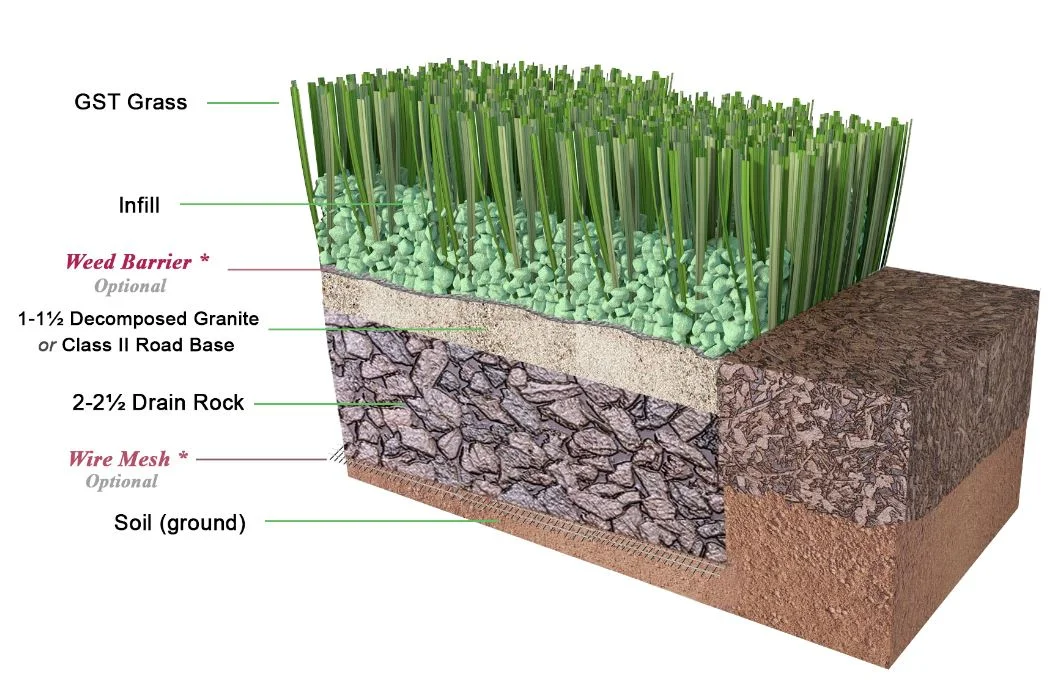
Before installing turf, several important steps must be taken to ensure the best results and longevity of the installation. This involves careful planning, preparation of the area, and understanding the materials and equipment needed. Here’s a detailed guide on what to do before laying down turf.
Assessing the Area
Assessing the area where the turf will be installed is crucial. This involves evaluating the drainage, sunlight, and existing vegetation.
- Drainage: Check if the area has good drainage. If not, you may need to improve it to prevent water pooling.
- Sunlight: Determine how many hours of sunlight the area receives daily, as this will affect the type of turf you choose.
- Existing Vegetation: Identify any existing grasses or weeds that need to be removed before installation.
Choosing the Right Turf
Choosing the right type of turf is essential to match the specific needs of your landscape and intended use. Different types of turf can tolerate varying levels of foot traffic and weather conditions.
- Type of Turf: Decide between natural grass or artificial turf based on your maintenance preferences and usage of the area.
- Foot Traffic: For high-traffic areas, select a durable type of turf that can withstand wear.
- Climate Suitability: Ensure the turf type is suitable for your local climate conditions.
Preparing the Soil
Preparing the soil is a vital step to ensure that the turf establishes itself properly. This involves removing debris, leveling the ground, and improving soil quality.
- Remove Debris: Clear the area of rocks, sticks, and other debris that could hinder turf growth.
- Level the Ground: Use a rake to level the soil, creating a smooth surface free of bumps or hollows.
- Improve Soil Quality: Enrich the soil with compost or fertilizer to provide essential nutrients for the turf.
Installing Edging
Installing edging around the area where the turf will be laid helps to define the space and keep the turf in place.
- Material Selection: Choose appropriate materials for edging such as plastic, metal, or stone that suit your aesthetic and functional needs.
- Stability: Ensure that the edging is installed securely to prevent the turf from spreading or shifting.
- Design Consideration: Plan the design of your lawn, considering curves and corners for a neat appearance.
Gathering Necessary Tools and Material
Before beginning the installation of turf, it is essential to have all necessary tools and materials ready. This ensures a smooth process without interruptions.
- Tools: Gather tools such as a shovel, rake, utility knife, and roller for installation.
- Materials: Ensure you have enough turf rolls, as well as base materials like sand or soil for leveling.
- Watering Equipment: Have hoses or irrigation systems ready for post-installation watering to help the turf settle in.
Questions from Our Readers
Should you wet the ground before laying turf?
Yes, it is advisable to wet the ground before laying turf. This helps to ensure good soil contact, which is essential for the turf to establish roots quickly and effectively.
How much water is needed before laying turf?
It's recommended to use enough water to make the soil moist but not saturated. A light watering is generally sufficient to prepare the area without creating muddy conditions.
See also:
Can wet soil affect the quality of the turf?
Yes, while moist soil is beneficial, overly wet conditions can lead to compaction and hinder root development. It's important to maintain a balance to promote healthy growth.
What type of soil preparation is needed before laying turf?
Before laying turf, you should ensure the soil is loose and amended, if necessary, with organic matter. Wetting the ground can aid in achieving optimal soil conditions for the turf to thrive.

If you want to read more articles like Should You Wet the Ground Before Laying Turf? Essential Tips for a Successful Lawn Installation, we recommend you check out our Turf category.
Leave a Reply
Related Articles