Should You Put Fertiliser Down Before Laying Turf? Essential Tips for a Lush Lawn

Laying turf can transform your outdoor space into a vibrant and lush lawn, but the preparation is crucial for achieving the best results. One common question among homeowners is whether to apply fertilizer before laying turf. This article delves into the importance of soil preparation, the role of fertilizers, and essential tips to ensure your new lawn thrives. By understanding the benefits of pre-turf fertilization and following expert recommendations, you can create a strong foundation for healthy grass growth, ultimately leading to a beautiful and flourishing yard. Discover how to set the stage for success in your lawn care journey.
Should You Apply Fertiliser Before Laying Turf?
Applying fertiliser before laying turf can be beneficial as it helps establish a strong foundation for the new grass. When turf is laid on nutrient-rich soil, it provides an immediate supply of essential nutrients that promote healthy root growth and overall vitality. This practice can enhance the success rate of the turf, enabling it to settle in more quickly and thrive in its new environment. However, timing and the type of fertiliser used are crucial; using a high-quality starter fertiliser can help support the young grass as it becomes established.
Benefits of Applying Fertiliser
Applying fertiliser before laying turf offers several benefits, such as providing the necessary nutrients that the grass will require to grow robustly. Nutrients like nitrogen, phosphorus, and potassium found in fertilisers help to enhance root development and promote lush green growth, leading to a more vibrant lawn. Furthermore, having these nutrients readily available from the start can minimize the stress on the grass as it transitions to its new environment.
Choosing the Right Fertiliser
When selecting a fertiliser for use before laying turf, opt for a starter fertiliser designed specifically for new grass. These products typically have a high phosphorus content, which is essential for root establishment. Moreover, understanding the N-P-K ratio on the fertiliser bag can guide you towards the right product for your specific soil and grass type, ensuring optimal growth conditions for your new lawn.
Timing of Application
The timing of applying fertiliser is crucial for the best outcomes. It is typically advisable to apply the fertiliser a few days before laying the turf, allowing it to integrate into the soil. This timing ensures that nutrients are present when the turf is laid down, creating an ideal environment for the grass to settle and begin its growth. Additionally, it is essential to avoid applying fertiliser immediately before laying turf, as this can lead to nutrient leaching and inefficiencies.
Soil Preparation
Proper soil preparation is equally important when considering fertiliser application. Before laying turf, ensure that the soil is well-aerated and free of debris. Incorporating fertiliser into the top layer of soil can enhance its effectiveness, allowing for better absorption by the grass roots. Testing the soil pH can also help determine whether additional amendments are necessary, thereby optimizing the growing conditions for your new turf.
Potential Risks of Over-Fertilisation
While applying fertiliser has its benefits, it is crucial to avoid over-fertilisation, which can lead to problems such as nutrient burn and excessive growth. Too much fertiliser can damage young grass, making it more susceptible to diseases and pests. To prevent this, always adhere to the recommended application rates and consult product guidelines to ensure your turf receives the right amount of nutrients without negative side effects.
| Aspect | Details |
|---|---|
| Benefits | Provides essential nutrients for robust growth. |
| Type of Fertiliser | Use starter fertiliser with a high phosphorus content. |
| Timing | Apply a few days before laying turf. |
| Soil Preparation | Ensure well-aerated and debris-free soil. |
| Risks | Avoid over-fertilisation to prevent grass damage. |
Should you put fertilizer down before laying turf?
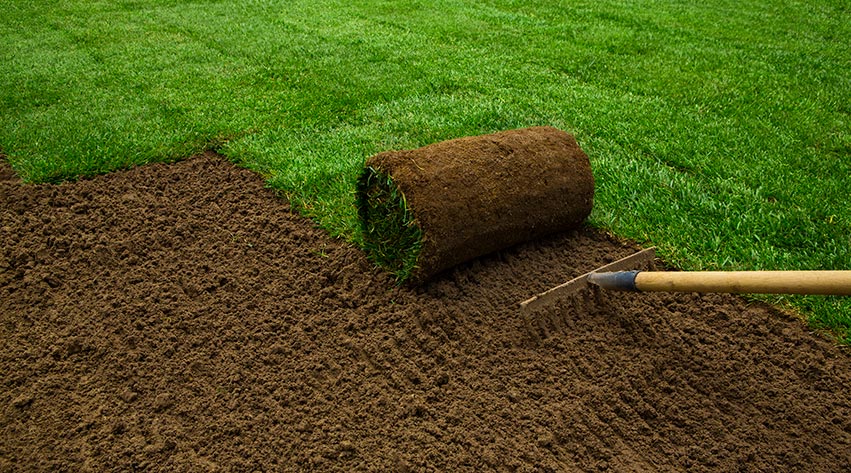
When considering the application of fertilizer before laying turf, it is generally advisable to apply a starter fertilizer to enhance the growth conditions for the new grass. The primary reason for this is that grass requires essential nutrients, particularly phosphorus, as it establishes. A starter fertilizer specifically formulated for new grass can help boost root development and ensure a healthy, lush lawn later on. Here are some important factors to consider:
Understanding the Role of Fertilizer
Fertilizer plays a critical role in providing the necessary nutrients that newly laid turf needs to establish itself effectively. The essential nutrients in fertilizers are categorized into three main types:
- Nitrogen: Crucial for leaf growth and overall green color.
- Phosphorus: Promotes root development, which is vital for a strong foundation.
- Potassium: Enhances disease resistance and drought tolerance.
Types of Fertilizer Suitable for New Turf
When choosing a fertilizer to apply before laying turf, it is important to select one that is designed specifically for this purpose. The options include:
- Granular fertilizers: Easy to apply and can provide long-lasting nutrients.
- Liquid fertilizers: Offer quick nutrient availability but may require more frequent application.
- Organic fertilizers: Improve soil health and may be less likely to burn the grass.
Applying Fertilizer Correctly
Applying fertilizer requires careful consideration to prevent over-application, which can harm both the turf and the environment. Follow these guidelines:
- Test the soil: Conduct a soil test to determine nutrient needs before applying any fertilizer.
- Follow the package instructions: Use the recommended rates for the specific fertilizer type chosen.
- Even application: Use a spreader for even coverage to avoid patches of burned grass.
Timing of Fertilizer Application
The timing of fertilizer application is crucial to ensure that the nutrients are available when the turf is laid. Consider the following:
- Pre-turf application: Apply fertilizer a few days before laying the turf to allow it to settle into the soil.
- Post-installation feeding: Follow up with additional fertilization after the turf is established for continued growth.
- Seasonal timing: Choose the right season; early spring or early fall is generally best for cool-season grasses.
Benefits of Fertilizing Before Turf Laying
Fertilizing before laying turf offers several advantages that contribute to a successful lawn establishment process:
See also:
- Faster establishment: Nutrient-rich soil helps new grass roots establish quickly.
- Healthy growth: Good nutrient availability promotes vigorous and healthy turf growth.
- Improved resilience: Well-fed turf is more resistant to pests, diseases, and environmental stressors.
What is best to put down before laying turf?

To ensure successful turf installation, it is essential to prepare the soil properly before laying turf. The best materials and practices to use include the following components:
1. Soil Preparation: The first step is to prepare the existing soil. This involves removing any weeds, rocks, or debris that may hinder soil aeration and root growth. Use a rake to level the surface, allowing for a smooth foundation.
2. Soil Test: Conducting a soil test is crucial to understand the nutrient levels and pH balance of your soil. Based on the results, you may need to add amendments such as lime to increase the pH or sulfur to decrease it, ensuring optimal conditions for growth.
3. Organic Matter: Incorporating organic matter improves soil structure and fertility. Adding compost or well-rotted manure enriches the soil with essential nutrients and enhances moisture retention. Spread a layer of about 2 to 4 inches across the area.
4. Fertilizer Application: Prior to laying turf, apply a starter fertilizer that is high in phosphorus, which promotes root development. Follow the manufacturer’s instructions for the appropriate amount, and ensure even distribution throughout the area.
5. Grading and Leveling: Ensure that the soil is properly drained by grading the area. A slight slope away from buildings is advisable to prevent water pooling. Using a leveling rake, achieve a uniform surface, filling in any low spots and smoothing out high areas for a polished look.
Soil Preparation for Turf Installation
Before laying turf, it's imperative to prepare the soil adequately. This involves several steps to ensure that the new grass has the best chance of rooting well and thriving.
- Clear the area of all debris, including old sod and plants.
- Till the soil to a depth of about 3 to 4 inches to aerate it and enhance drainage.
- Level the surface using a rake to create a smooth foundation.
Importance of Soil Testing
Conducting a soil test helps ascertain the fertility and pH levels of your soil, enabling you to make informed decisions regarding soil amendments and nutrient additions.
- Gather soil samples from different areas of your yard.
- Send the samples to a lab or use a home testing kit to evaluate soil health.
- Based on the results, apply necessary amendments to balance nutrients.
Benefits of Adding Organic Matter
Incorporating organic matter into the soil prior to turf installation is vital for improving soil quality and promoting healthy grass growth.
- Enhances water retention, reducing the need for frequent watering.
- Provides essential nutrients and enhances soil microbial activity.
- Improves soil structure, allowing for better root penetration.
Choosing the Right Fertilizer
Using a suitable starter fertilizer is crucial as it provides the necessary nutrients to support the initial growth of the turf after installation.
- Select a fertilizer formula that has a high phosphorus content (the middle number in the N-P-K ratio).
- Apply the fertilizer evenly over the required area before laying the turf.
- Water the area lightly to help the fertilizer penetrate the soil.
Grading and Leveling Techniques
Proper grading and leveling of the soil create a foundation that supports even growth and proper drainage of the turf.
- Use a landscape rake to fill in low spots and even out high areas.
- Establish a slight grade away from any structures to facilitate drainage.
- Check the level of the soil using a straight edge or leveling board to ensure uniformity.
Do you fertilize before or after laying sod?

When laying sod, it is generally recommended to fertilize before laying it down. This practice will provide an immediate source of nutrients for the new grass as it establishes itself. Here’s a detailed explanation of the process involved and considerations to keep in mind.
See also:
Understanding the Importance of Pre-Fertilization
Fertilizing the soil before laying sod ensures that the grass has access to essential nutrients right from the start. This creates a conducive environment for root development and enhances the overall establishment process. The pre-fertilization process consists of:
- Soil Testing: Conducting a soil test can help determine the nutrient levels and pH of the soil.
- Choosing the Right Fertilizer: Select a fertilizer that is appropriate for your soil type and local conditions to ensure optimal growth.
- Preparing the Soil: Aerate and amend the soil as necessary to maximize nutrient absorption.
How to Fertilize Before Laying Sod
Applying fertilizer prior to sod installation involves specific steps to ensure maximum effectiveness. Follow these steps for best results:
- Clear the Area: Remove old grass, weeds, and debris from the area where you will lay the sod.
- Apply Fertilizer Evenly: Spread the chosen fertilizer evenly across the prepared soil using a broadcast spreader or by hand.
- Incorporate the Fertilizer: Lightly rake the soil to incorporate the fertilizer into the top few inches of soil.
Benefits of Fertilizing Before Sod Installation
Pre-fertilizing the soil can offer several advantages that contribute to a successful sod installation. Key benefits include:
- Faster Establishment: Fertilized soil helps the sod roots to establish quickly by providing immediate access to nutrients.
- Improved Grass Health: Healthy grass develops stronger resistance to pests and diseases.
- Enhanced Growth: Nutrient-rich soil promotes vigorous growth, ensuring a lush and green lawn in a shorter time frame.
Considerations for Fertilizing After Laying Sod
Although pre-fertilization is common, some scenarios may call for fertilizing after laying sod. It's important to consider:
- Timing: Fertilizing shortly after laying sod may cause the grass to grow too fast, leading to weak roots.
- Type of Fertilizer: Use a starter fertilizer specifically formulated for new sod to ensure it meets the unique needs of young grass.
- Watering: After applying fertilizer once the sod is laid, thorough watering is essential to help dissolve the nutrients.
Common Mistakes to Avoid When Fertilizing Sod
Avoiding common mistakes can lead to better outcomes when fertilizing sod. Some pitfalls to be mindful of include:
- Over-fertilization: Applying too much fertilizer can burn grass roots and hinder growth.
- Ignoring Soil pH: Not addressing soil pH can limit nutrient availability, despite fertilization.
- Skimping on Preparation: Failing to properly prepare the soil can result in poor sod establishment, regardless of fertilization efforts.
Should you fertilize before or after planting grass?

Fertilizing before or after planting grass is a decision that can significantly impact the establishment and health of your new lawn. It's generally recommended to fertilize before sowing grass seeds, especially with a starter fertilizer. This practice enhances soil fertility and provides the necessary nutrients that promote quick and healthy grass growth.
Benefits of Fertilizing Before Planting
Fertilizing before planting provides an enriched soil environment that benefits grass seeds. By incorporating nutrients into the soil before sowing, you can stimulate seed germination and root development.
- Nutrient Availability: Seeds will have immediate access to essential nutrients.
- Improved Germination Rates: Fertilized soil can lead to enhanced sprouting of seeds.
- Stronger Root Development: Early access to nutrients promotes healthy root systems.
Choosing the Right Fertilizer
Selecting the right type of fertilizer is crucial for grass establishment. A starter fertilizer, which is typically high in phosphorus, is advisable when planting grass.
- N-P-K Ratio: Look for fertilizers with the right nitrogen (N), phosphorus (P), and potassium (K) ratio suitable for your grass type.
- Organic vs. Synthetic: Decide whether to use organic options that release nutrients slowly or synthetic fertilizers for quick nutrient availability.
- Soil Testing: Conduct soil tests to determine nutrient deficiencies and tailor your fertilizer choice accordingly.
Timing for Fertilization
Timing is essential when fertilizing grass seeds. Generally, you should apply fertilizer at the same time as you seed for optimal results.
- Preparation Phase: Amend the soil with fertilizer before seeding in early spring or fall.
- Weather Conditions: Consider soil moisture and temperature, as they affect nutrient absorption.
- Follow-Up Fertilization: Plan for additional fertilization later to ensure ongoing nutrient supply.
Potential Risks of Over-Fertilizing
Over-fertilizing can lead to various soil and grass health issues, making it critical to monitor application rates carefully.
- Nutrient Burn: Excessive nutrients can harm grass roots, leading to brown patches.
- Environmental Impact: Runoff from over-fertilized lawns can contaminate local waterways.
- Weed Growth: Too much fertilizer can encourage weed proliferation, competing with your grass.
Fertilizing After Planting
While fertilizing after planting is generally not preferred, it can still be beneficial in specific scenarios. It’s essential to know when and how to apply post-planting fertilizers effectively.
- Delayed Growth: If grass shows signs of slow growth, an additional fertilization can be beneficial.
- Balanced Nutrient Supply: After grass establishment, apply a balanced fertilizer based on soil nutrient levels.
- Follow-up Schedule: Implement a fertilization schedule to support ongoing lawn health throughout the growing season.
Questions from Our Readers
Should you apply fertiliser before laying turf?
Yes, applying fertiliser before laying turf can help provide essential nutrients to the grass as it establishes itself. This practice ensures that the new turf has the necessary resources to develop strong roots and thrive in its new environment.
What type of fertiliser should be used before laying turf?
It is recommended to use a balanced fertiliser with a ratio of nitrogen, phosphorus, and potassium (N-P-K) that supports root development and overall growth. A starter fertiliser, specially formulated for new grass, is often a good choice.
See also:
How much fertiliser should be applied before turf installation?
The amount of fertiliser to apply typically depends on the product specifications, but a general guideline is to use about 1 to 2 pounds of fertiliser per 100 square feet of area. Always follow the manufacturer's instructions for the best results.
Can you over-apply fertiliser before laying turf?
Yes, over-applying fertiliser can lead to nutrient burn and negatively affect the growth of your new turf. It's crucial to follow recommended application rates to avoid damaging the grass and soil health.

If you want to read more articles like Should You Put Fertiliser Down Before Laying Turf? Essential Tips for a Lush Lawn, we recommend you check out our Turf category.
Leave a Reply
Related Articles