Should You Line a Planter Box with Plastic? Key Considerations for Perfect Gardening
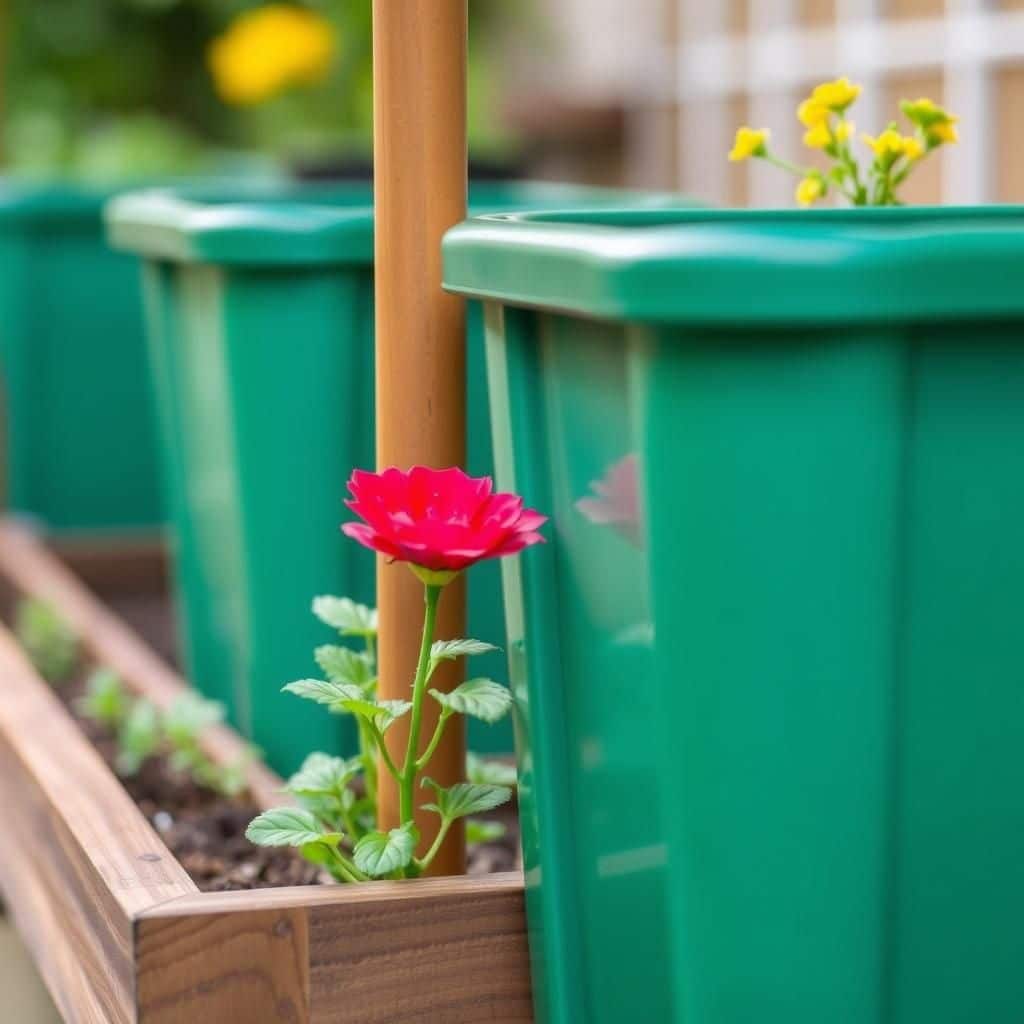
When it comes to gardening, the choice of materials and methods can significantly impact the health of your plants and the longevity of your planter box. One common debate among gardeners is whether to line a planter box with plastic. While it can offer benefits such as moisture retention and root protection, there are also potential drawbacks that could affect your plants' growth. In this article, we will explore key considerations to keep in mind when deciding whether or not to use plastic liners in your planter boxes, helping you create the perfect environment for your garden to thrive.
Should You Line a Planter Box with Plastic?
Lining a planter box with plastic can be a beneficial choice, depending on the plants you intend to grow and the specific conditions of your gardening environment. By using a plastic liner, you can help to prevent soil from escaping through the drainage holes while also reducing the risk of wood rot in wooden planter boxes, as the moisture gets absorbed by the plastic rather than seeping into the wood. However, it's essential to ensure that the liner allows for appropriate drainage; otherwise, excess water can accumulate, leading to root rot or other water-related issues. Therefore, weighing the pros and cons is crucial to determine if lining your planter box is optimal for your particular gardening needs.
Benefits of Using Plastic Liners
Using plastic liners in planter boxes provides several advantages, such as increasing the longevity of the box by protecting it from consistent exposure to moisture. This protection can prevent the deterioration of materials like wood, extending the lifespan of your planter box. Additionally, plastic liners can help retain moisture in the soil, which can be beneficial in hotter climates and helps reduce the frequency of watering. Lastly, plastic liners create an effective physical barrier against soil-borne pests and diseases.
Potential Drawbacks
While there are benefits to using plastic liners, some potential drawbacks should be considered as well. One significant issue is the risk of poor drainage; if the plastic does not allow water to flow freely, it can lead to waterlogged soil, which can harm plant roots. Additionally, plastic can become brittle over time if not made of a high-quality material, leading to cracks and tears that compromise its effectiveness. Another concern is that the use of plastic may increase the temperature of the soil, which might not be suitable for all plant types.
Alternative Materials for Lining
Instead of plastic, gardeners might explore alternative materials for lining planter boxes. For example, geotextiles are a popular option as they are designed to allow water to drain while still containing the soil. Additionally, using landscape fabric can also achieve similar results. Natural options, like burlap or coconut coir, can provide airflow and drainage if you prefer biodegradable choices. These alternatives can mitigate moisture retention issues while not compromising the health of the plants.
Environmental Considerations
The environmental impact of using plastic should also be taken into account. While using plastic liners may keep your planter boxes in good condition and extend their lifespan, they are not biodegradable and can contribute to plastic pollution. Some gardeners might prefer more sustainable options like recycled materials or biodegradable fabrics that have a lesser impact on the environment. Evaluating the eco-friendliness of the materials you choose can be crucial for environmentally-conscious gardening.
When Not to Use Plastic Liners
There are specific scenarios where it may be better to avoid using plastic liners in planter boxes. For plants that thrive in well-drained soil or individuals cultivating native plants, plastic can hinder the natural drainage process. In addition, for deep-rooted plants that prefer to explore the soil below, a plastic liner could impede their growth and adaptability. It's essential to consider the type of plants being grown and their specific requirements to ensure successful gardening.
| Material | Benefits | Drawbacks |
|---|---|---|
| Plastic | Durable, moisture retention | Poor drainage, environmental impact |
| Geotextiles | Good drainage, breathable | Can be costly, variable quality |
| Burlap | Biodegradable, natural aesthetic | Breaks down over time, less durable |
| Coconut Coir | Eco-friendly, retains moisture well | Can be expensive, variable quality |
| Landscape Fabric | Good drainage, blocks weeds | Can degrade under sunlight, less durable |
Do I need to line my planter box with plastic?
Lining your planter box with plastic can be beneficial, but it is not always necessary. The decision to use a plastic liner depends on several factors including the type of plants being grown, the materials of the planter box, and the drainage needs of your garden setup. Here are some detailed insights to help you determine whether you should line your planter box with plastic.
Benefits of Using a Plastic Liner
Using a plastic liner in your planter box can offer several advantages:
- Water Retention: A plastic liner helps in retaining moisture in the soil, which can be beneficial during hot weather.
- Soil Separation: It prevents soil from leaching out of the planter, ensuring that your plants have the necessary nutrients.
- Pest Prevention: A plastic barrier can deter pests and diseases from affecting your plants.
Disadvantages of Using a Plastic Liner
While there are benefits, there are also some drawbacks to consider:
- Drainage Issues: If water doesn’t drain properly, it can lead to root rot and other problems.
- Temperature Regulation: Plastic can heat up in the sun, potentially harming sensitive plant roots.
- Environment Concerns: Some types of plastic may not break down or could leach harmful chemicals into the soil.
Alternatives to Plastic Liners
If you decide against using plastic, there are alternative methods for lining planter boxes:
- Landscape Fabric: This breathable material allows for drainage while preventing soil loss.
- Natural Materials: Using wood chips, straw, or coconut coir can effectively line your box and promote healthy growth.
- Cardboard or Newspaper: These biodegradable options allow for drainage while breaking down over time, enriching the soil.
Types of Plants and Their Needs
Different plants have various requirements that can influence the need for a plastic liner:
See also:
- Tropical Plants: These may thrive with a liner to retain moisture.
- Cacti and Succulents: These prefer well-draining conditions and might not need a liner.
- Vegetables: Depending on the type, some may benefit from the moisture retention a liner provides.
Testing for Drainage
To determine if you need a plastic liner, it is essential to test the drainage:
- Water Test: Fill the planter with water and observe how quickly it drains.
- Soil Consistency: Check if the soil becomes waterlogged after watering.
- Plant Health: Monitor your plants for signs of overwatering or root rot, which may indicate drainage issues.
What is the best material to line a planter box with?
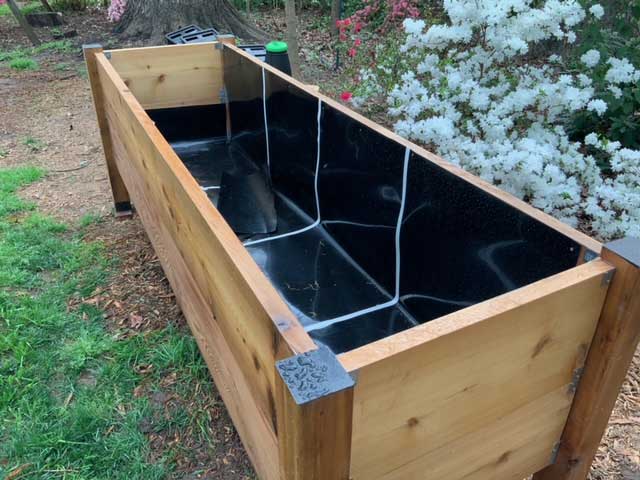
The best material to line a planter box largely depends on factors such as the type of plants being grown, the durability desired, and the environmental conditions. Common materials used for lining planter boxes include landscaping fabric, plastic liners, rubber mats, cardboard, and burlap. Each of these materials has its own advantages and disadvantages which influence their suitability for different situations.
Landscaping Fabric
Landscaping fabric is a popular choice for lining planter boxes due to its durability and water permeability. This material helps retain soil while allowing excess water to drain away, preventing root rot.
- Advantages: Breathable, prevents soil erosion.
- Disadvantages: Can decompose over time and may need to be replaced.
- Best For: Perennial plants and vegetable gardens.
Plastic Liners
Plastic liners provide a waterproof barrier between the soil and the planter box material. They are especially useful when using untreated wood, which can rot over time.
- Advantages: Inexpensive, easy to cut and fit.
- Disadvantages: Can hold heat, potentially harming plant roots.
- Best For: Annual flowers and container gardening.
Rubber Mats
Rubber mats or liners are excellent for providing protection, especially if the planter box is made of wood. They offer flexibility and can endure exposure to moisture and soil without deteriorating quickly.
- Advantages: Long-lasting, resistant to mold and mildew.
- Disadvantages: More expensive than other options.
- Best For: Decorative planters with heavy-duty use.
Cardboard
Using cardboard as a lining material is a cost-effective and eco-friendly option. Cardboard can decompose over time, enriching the soil, but it may not provide the longevity of other materials.
- Advantages: Biodegradable, easy to source.
- Disadvantages: Can break down quickly, leading to soil loss.
- Best For: One-season planting and environmentally conscious gardeners.
Burlap
Burlap is another popular natural material ideal for lining planter boxes. Its breathability allows for proper drainage while simultaneously keeping the soil intact.
- Advantages: Natural fiber, biodegradable, and attractive.
- Disadvantages: Can decompose quickly and may be less durable in humid climates.
- Best For: Aesthetic planters and organic gardening.
What to line the bottom of a planter box with?

To line the bottom of a planter box, it's essential to choose materials that foster healthy plant growth while ensuring proper drainage. The lining serves multiple purposes, including preventing soil loss, reducing weed growth, and maintaining moisture levels. Here are several options you can consider:
Landscape Fabric
Landscape fabric is a popular choice for lining planter boxes due to its permeability and durability. It allows water to drain while preventing soil from escaping the bottom of the box.
- Permeable: Allows water to pass through while keeping the soil intact.
- Weed Prevention: Reduces the chances of weeds growing up into the planter from below.
- Durability: Often made from synthetic materials, it can withstand elements for multiple planting seasons.
Gravel or Pebbles
Using a layer of gravel or small pebbles at the bottom of your planter box is another great option. This method improves drainage and helps to prevent soil compaction.
- Improved Drainage: Allows excess water to flow freely away from the roots.
- Soil Compaction Prevention: Keeps the soil loose and aerated, promoting healthy root growth.
- Easy to Replace: If necessary, gravel layers can be easily removed and swapped out.
Plastic or Rubber Sheeting
A plastic or rubber sheet can be used as a lining for a planter box. It is important to poke holes for drainage, but it effectively holds soil and retains moisture.
See also:
- Moisture Retention: Keeps moisture in the soil longer, which is beneficial for plants that prefer consistently damp conditions.
- Soil Retention: Prevents soil from washing out through drainage holes.
- Custom Size: Easily cut to fit any size or shape of planter box.
Old Newspaper or Cardboard
Using layers of old newspaper or cardboard can be an eco-friendly option for lining a planter. This solution helps with drainage while breaking down naturally over time.
- Eco-Friendly: Recycles paper waste, reducing landfill contributions.
- Natural Decomposition: As they break down, they can contribute organic matter to the soil.
- Cost-Effective: Often free or available for a very low cost.
Coir Mats
Coir mats, made from coconut husks, are another sustainable option that allows for excellent drainage and air circulation while keeping soil intact.
- Biodegradable: Made from natural materials, they break down over time but support healthy plant growth during their use.
- Good Drainage: Their construction allows water to flow through easily.
- Aeration Properties: Provides a breathable barrier that promotes root health.
What is the best way to line a raised planter box?
The best way to line a raised planter box involves several considerations to ensure optimal plant growth, moisture retention, and prevention of soil erosion. Here’s a detailed approach:
Choosing the Right Lining Material
The lining material you choose for your raised planter box greatly influences its durability and functionality. Some common options include:
- Landscaping fabric: Great for allowing water to pass while preventing soil from escaping.
- Plastic liners: Useful for water retention but can lead to drainage issues if not designed properly.
- Biodegradable options: Such as coconut coir or burlap, beneficial for sustainability but may require replacement sooner.
Understanding Drainage Needs
Proper drainage is crucial to prevent waterlogging and ensure healthy root systems. The lining must facilitate drainage while keeping the soil intact:
- Elevated base: Consider elevating the planter box's base with slats to enhance drainage.
- Drainage holes: Ensure that the lining has adequate holes or slits for water to escape.
- Layering gravel: Adding gravel beneath the soil can improve drainage in case of heavy rains.
Protecting Against Pests
Lining your raised planter box helps to protect your plants from pests by acting as a barrier. Here are effective methods to fortify your box:
- Hardware cloth: Line the bottom with fine mesh to keep rodents out while allowing drainage and air circulation.
- Garden netting: Cover the top with a light netting to deter birds and larger pests.
- Insect fabric: Use insect-proof fabric to shield seedlings from harmful insects without blocking sunlight.
Insulating the Soil for Temperature Control
Lining can help with insulating the soil, protecting roots from extreme temperatures. Consider these approaches:
- Foam insulation: Install foam panels on the sides for extra insulation during cold months.
- Wool felt: Use wool felt that provides thermal insulation without hindering water movement.
- Mulching: Add a layer of organic mulch on top of the soil to regulate temperature fluctuations.
Maintaining Soil Nutrients
Preventing soil erosion while maintaining nutrients is vital for plant health. Effective strategies include:
- Add organic matter: Mix in compost to enrich soil structure and fertility before lining.
- Soil retention fabric: Line with a fabric that holds soil while allowing microbial action.
- Periodic testing: Regularly check soil nutrient levels and amend as needed to sustain plant growth.
Questions from Our Readers
Should you line a planter box with plastic?
It is often recommended to line a planter box with plastic to help retain moisture and prevent soil from washing out. However, it is important to poke holes in the plastic to ensure adequate drainage and prevent root rot.
What are the benefits of lining a planter box with plastic?
Lining a planter box with plastic provides several benefits, including moisture retention, protection against soil leaching, and extending the life of the wood or material used for the planter. It can also help to keep the soil warmer during cooler months.
Can using plastic liners affect the health of plants?
Yes, using plastic liners can potentially affect plant health if not done correctly. Without proper drainage holes, the excess water can accumulate, leading to root rot. It’s essential to ensure that water drainage is adequate for healthy plant growth.
What are alternatives to plastic for lining a planter box?
Alternatives to plastic for lining a planter box include using landscape fabric, burlap, or untreated wood. These materials allow for better air circulation and drainage, which can promote healthier root systems while still providing some protection to the planter structure.
See also:

If you want to read more articles like Should You Line a Planter Box with Plastic? Key Considerations for Perfect Gardening, we recommend you check out our Planter category.
Leave a Reply
Related Articles