Should You Cut Above or Below Node When Pruning? Expert Tips for Optimal Plant Care

Pruning is a vital aspect of plant care that can significantly influence a plant's health and growth. One of the most debated topics among gardeners is whether to cut above or below a node when making these crucial cuts. Each method has its own merits and potential drawbacks that can affect the plant's recovery and subsequent growth. In this article, we'll explore expert tips and best practices for pruning, helping you make informed decisions to enhance your gardening skills. Whether you're a novice or an experienced gardener, understanding the nuances of node placement can lead to thriving plants and a lush garden.
Should You Cut Above or Below Node When Pruning?
When it comes to pruning, the decision of whether to cut above or below a node can significantly impact the plant's health and growth. Cutting just above a node, which is a swollen area on the stem where leaves or branches emerge, is generally recommended, as it encourages the plant to produce new leaves or branches from that point. This method helps ensure that the plant can heal properly and reduces the risk of disease entering through the cut. On the other hand, cutting below a node can lead to a higher chance of dieback, as the cut end may not have the necessary hormones to facilitate regrowth effectively. Understanding how to prune correctly at these specific locations enhances plant vitality and overall structure.
Understanding Nodes
Nodes are critical parts of a plant's structure found along the stem where leaves, branches, or flower buds grow. They are essential for the plant's growth and development, as they contain the necessary meristematic tissue that contributes to new growth. Identifying the nodes during pruning allows gardeners to make informed decisions, promoting better regrowth and overall plant health.
Importance of Cutting Above Nodes
Cutting above the node is an effective strategy because it stimulates the development of new growth from the dormant buds located at or just below the cut. This region is rich in growth hormones like auxins, which helps in the healing process and promotes the emergence of new shoots. Maintaining a clean cut right above the node minimizes damage and helps the plant recover quickly while ensuring that resources are directed towards the development of new, healthy parts.
Consequences of Cutting Below Nodes
When cuts are made below the node, there can be detrimental effects on the plant's ability to regenerate. A cut below a node can result in the removal of vital growth points, hindering the plant's potential for producing new growth. Additionally, this approach can lead to an increased risk of rot or disease, as the exposed area may not heal effectively, causing stress to the plant and potentially leading to dieback.
Timing of Pruning and Its Relationship with Nodes
The timing of pruning is essential in relation to node placement, as it influences how a plant responds to cutting. Pruning during the dormant season allows for minimal disturbance to the plant's biological processes, making it easier for new growth to emerge from nodes when the plant resumes active growth in spring. Conversely, improper timing can stress the plant, especially if significant cuts are made below the nodes, making it harder for the plant to heal and grow effectively.
Choosing the Right Tools for Pruning
Using the right tools during pruning is essential to achieve clean cuts close to nodes without damaging the surrounding tissue. Sharp, well-maintained pruners or shears ensure that cuts are precise, minimizing the risk of tearing the stem, which can expose the plant to infection. Tools that are not clean or sharp can crush the plant tissue rather than making a clean cut, particularly at sensitive node areas, leading to a slower healing process and potentially resulting in a less vigorous plant.
| Pruning Aspect | Cut Above Node | Cut Below Node |
|---|---|---|
| Promotes New Growth | Yes | No |
| Risk of Disease | Lower | Higher |
| Preferred Pruning Technique | Recommended | Not Recommended |
| Impact on Healing | Positive | Negative |
Do you take a cutting above or below a node?

To take a cutting from a plant, it is generally recommended to cut below a node. The node is the part of the stem where leaves and buds emerge. Here are some of the reasons for this practice:
1. Rooting Initiation: Cuttings taken below a node have a higher likelihood of producing roots because the node contains meristematic tissue that can generate new growth.
2. Nutrient Access: The section of the plant below the node has more established connections to the plant's vascular system, which can help in nutrient uptake during the initial stages of rooting.
3. Branching Potential: Taking cuttings below a node can encourage the development of new shoots and branches in the parent plant, promoting bushier growth.
Why Choose Below a Node for Cuttings?
Taking cuttings below a node allows for optimal conditions for rooting and growth. The node contains dense tissue that can stimulate root production once placed in the right environment.
- Increased Success Rate: Cuttings taken from below the node generally root faster.
- Higher Growth Potential: Roots initiate more efficiently, leading to better growth.
- Adaptation to Environment: The node has a better capability to adapt to new conditions owing to its genetic makeup.
What Happens if You Cut Above a Node?
Cutting above a node is less effective as the node is often left intact, and the cutting may struggle to root properly. This can lead to a higher failure rate for the cutting.
- Reduced Rooting Ability: The lack of meristematic tissue can hinder root development.
- Stress on the Cutting: The cutting may not have enough support from the plant to establish itself.
- Pest and Disease Vulnerability: There's a greater chance of infection at the cut end if it is made above the node.
Techniques for Taking Cuttings Below a Node
When preparing to take a cutting, follow these techniques to maximize success:
See also:
- Use Sharp Tools: Ensure the cutting tool is clean and sharp to make a clean cut.
- Choose Healthy Growth: Select stems that are healthy and free of disease.
- Make a Cut on an Angle: An angled cut increases the surface area for water and nutrient absorption.
Aftercare for Cuttings Taken Below a Node
Once the cutting is taken, proper aftercare is crucial for successful rooting.
- Optimal Environment: Place cuttings in a humid environment, such as a propagation dome.
- Correct Watering: Keep the medium consistently moist but not soggy.
- Light Conditions: Provide indirect sunlight to avoid stress on the cutting.
Common Mistakes in Cutting Placement
Avoid these mistakes to ensure your cuttings have the best chance of success:
- Cutting Too Far Above the Node: This limits the potential for rooting.
- Inadequate Timing: Taking cuttings during the plant's dormancy phase can affect growth.
- Neglecting Sanitization: Using unclean tools can introduce pathogens.
Do you cut above or below Monstera node?

To properly care for your Monstera plant, it’s essential to understand where to make cuts on the stems. When considering whether to cut above or below a Monstera node, the recommendation is to always cut just above the node. This method promotes healthy growth and encourages the plant to develop new leaves and roots.
Understanding Monstera Nodes
The node of a Monstera is a crucial part of the plant, as it is where leaves, stems, and roots emerge. Here are some key points regarding nodes:
- Growth Points: Nodes are fundamental growth points that help the plant develop.
- Potential for Propagation: Cutting below the node can inhibit growth and reduce propagation success.
- Health of the Plant: Proper cutting techniques ensure that the plant remains healthy and vigorous.
Benefits of Cutting Above the Node
Cutting above a node has several advantages that support the plant's health and propagation potential:
- Encourages New Growth: Cutting above a node allows for new leaf growth to sprout from the cut area.
- Improves Aesthetic Appeal: Regular trimming helps maintain the visual appeal of the plant.
- Facilitates Air Circulation: Trimming promotes better air circulation around the plant, reducing the risk of pests.
Best Practices for Cutting Monstera
When preparing to cut your Monstera, consider the following best practices to ensure a clean cut:
- Use Sharp Tools: Always use clean, sharp scissors or pruning shears to make a clean cut.
- Make an Angle Cut: Making a slight angle cut can help prevent water from pooling on the cut surface.
- Disinfect Tools: Disinfect your cutting tools before use to prevent disease transmission.
When to Propagate Monstera Cuttings
Timing is important when propagating your Monstera cuttings. Consider these key factors:
- Spring Growth: The best time for propagation is during the spring when the plant is actively growing.
- Healthy Nodes: Ensure that the node you are cutting from is healthy and robust.
- Monitor Watering: Pay attention to watering needs after taking cuttings for successful rooting.
Potential Risks of Cutting
While cutting can promote healthy growth, it's important to be mindful of potential risks:
- Shock to the Plant: Improper cutting can cause stress and shock to the plant.
- Infection Risk: If not done properly, the cut can attract pests or facilitate the entry of pathogens.
- Over-Pruning: Taking too many cuttings at once can compromise the overall health of your plant.
Which way to cut when pruning?
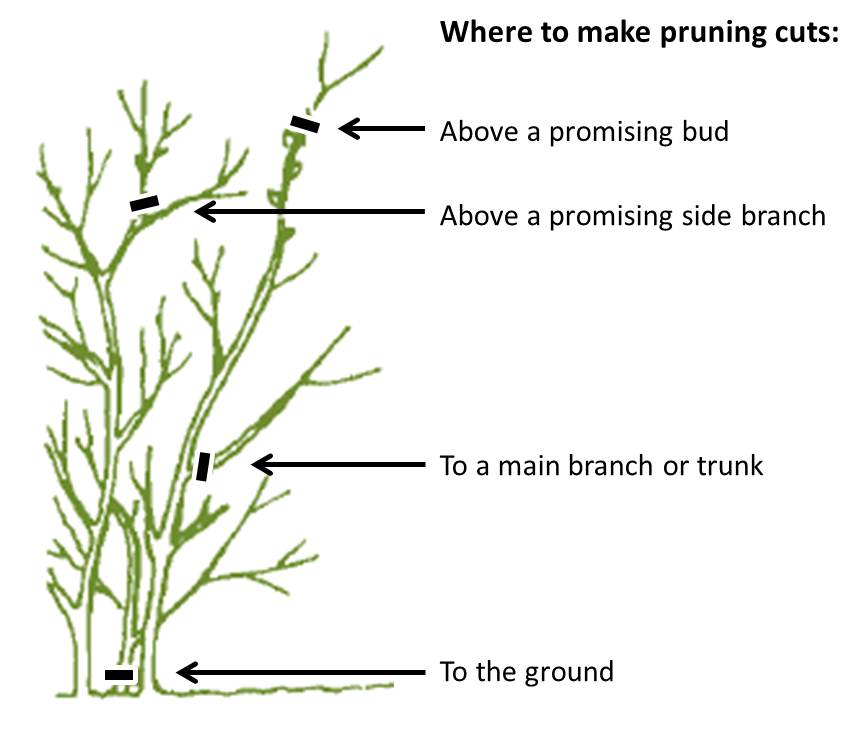
When it comes to pruning, the way you cut is essential for the health of the plant. Proper pruning techniques can promote growth, prevent disease, and help maintain an attractive shape. The following sections will outlines the best practices regarding the direction and method of your cuts.
Understanding the Types of Cuts
Making the correct type of cut can significantly affect the plant's recovery and vigor. There are mainly two types of cuts used in pruning: heading cuts and thinning cuts.
- Heading cuts: These involve cutting back a stem to a bud or branch. This type of cut encourages bushier growth and is often used on flowering shrubs.
- Thinning cuts: These cuts remove entire branches or stems back to their point of origin. Thinning helps improve light penetration and air circulation.
- Flush cuts: Avoid making flush cuts, as they can remove the branch collar, which is vital for the plant's healing process.
Best Practices for Cutting Technique
The technique used in pruning can affect how the plant heals and grows. To achieve the best results, consider employing the following practices:
See also:
- Angle of the Cut: Always make cuts at a slight angle to facilitate water drainage and minimize disease risk.
- Cut Just Above a Bud: This encourages new growth and prevents stubs that can lead to illness.
- Use Sharp Tools: Dull tools can cause jagged cuts, leading to increased susceptibility to diseases.
Seasonal Differences in Pruning
Knowing when to prune is just as important as knowing how to cut. Different seasons can alter your approach:
- Spring: This is typically the best time for cutting back flowering trees and shrubs that bloom on new wood.
- Summer: Mid-summer pruning can be useful for shaping and controlling growth, especially in hedges.
- Winter: Pruning during dormancy allows you to see the plant’s structure clearly and promotes vigorous spring growth.
Understanding Plant Anatomy
A basic understanding of plant anatomy will enhance your pruning skills. Key parts to be mindful of when making cuts include:
- Branch Collar: This is the swollen area between the base of the branch and the trunk. Always cut just outside this area to encourage proper healing.
- Bud: Identifying the buds is essential, as cuts should be made just above them to foster new growth.
- Internodes: Understanding the spaces between buds can guide your cutting points for better aesthetic and health results.
Types of Plants and Their Pruning Needs
Different types of plants have specific pruning requirements. It's crucial to consider the plant type when deciding your cutting approach:
- Deciduous Trees: Generally benefits from winter pruning but may require correction in summer.
- Evergreens: Prune lightly and cautiously, focusing on shaping without removing substantial amounts of foliage.
- Flowering Shrubs: Depends on whether they bloom on old wood or new wood, requiring different timing and cutting techniques.
Do you prune above or below buds?
When it comes to the technique of pruning, it is generally recommended to prune above buds. Pruning just above a bud encourages new growth to sprout from that bud, as it is often the closest area that the plant can effectively redirect its resources. Cutting above the bud allows the unopened leaf or shoot to develop more naturally and establishes a robust connection for the plant.
Understanding the Bud Location
Knowing where the buds are located on a plant is crucial for effective pruning. Buds can generally be classified into two types: terminal and lateral buds.
- Terminal Buds: Located at the tips of stems, these buds are essential for elongation and overall height of the plant.
- Lateral Buds: Found along the sides of stems, they are responsible for the growth of branches and leaves.
- Positioning: Understanding whether buds are dormant or active can help in deciding the right time to prune.
The Impact of Pruning Above Buds
Pruning above buds has distinct advantages that promote healthy growth in plants.
- Encouragement of New Growth:Cuts made above the buds encourage the plant to focus its energy on those areas, fostering new shoots.
- Minimized Damage: Cutting above the bud reduces the risk of damaging the tissue that supports the bud.
- Improved Air Circulation: This method allows for better light penetration and air circulation, which is vital for leaf health.
When to Prune
Timing is critical in the pruning process, particularly in relation to the growth cycle of the plant.
- Early Spring: This is an excellent time to prune many plants as they prepare for new growth.
- After Flowering: Some plants should be pruned right after flowering to encourage further blooms or prevent seed production.
- Seasonal Considerations: Understanding the unique cycle of the specific plant species you’re pruning is essential to know the optimal pruning time.
Tools for Effective Pruning
Having the right tools can significantly affect the outcome of your pruning efforts.
- Bypass Pruners: Ideal for making clean cuts, they work well for smaller branches.
- Loppers: Useful for thicker branches that require more leverage than standard pruners can provide.
- Hand Saws: For larger limbs, a hand saw can make precise cuts without damaging surrounding branches.
Common Mistakes in Pruning
Awareness of common mistakes in pruning can help achieve the best results.
- Cutting Too Close: Pruning too close to the bud can damage it; always leave some space.
- Ignoring the Plant's Structure: Not considering the natural shape of the plant can hinder its growth.
- Over-pruning: Removing too much foliage can stress the plant and limit its growth potential.
Questions from Our Readers
Should you cut above or below a node when pruning?
When pruning plants, it is generally recommended to cut just above a node. This allows for better growth as the plant will send energy to the node, encouraging new shoots to emerge from that point.
What happens if you cut too close to the node?
If you cut too close to the node, you risk damaging the tissue, which can lead to dieback or disease. It's crucial to leave a small margin above the node to protect the plant's overall health and promote vigorous growth.
Why is it important to prune at the right location?
Pruning at the right location impacts the plant's growth pattern and overall health. Cutting in the wrong spot may hinder the plant's ability to produce new growth or lead to unsightly shapes, which affects its aesthetic appeal.
See also:
Can improper pruning lead to plant stress?
Yes, improper pruning can indeed lead to significant plant stress. This can weaken the plant, making it more susceptible to pests and diseases, ultimately affecting its survival and long-term health if not done correctly.
https://youtube.com/watch?v=N1BJSo8nHO8
If you want to read more articles like Should You Cut Above or Below Node When Pruning? Expert Tips for Optimal Plant Care, we recommend you check out our Pruning category.
Leave a Reply
Related Articles