Should I Turn Off My Sprinklers During Winter? Essential Tips for Winterizing Your Lawn Care

As winter approaches, many homeowners find themselves pondering the best practices for lawn care during the colder months. One common question that arises is whether or not to turn off sprinkler systems. Proper winterization of your irrigation system is crucial for maintaining the health of your lawn and ensuring the longevity of your equipment. In this article, we will explore the importance of shutting off your sprinklers, along with essential tips to effectively winterize your lawn care routine. Making informed decisions now can set the stage for a lush and vibrant lawn when spring arrives.
Should I Turn Off My Sprinklers During Winter?
Turning off your sprinklers during winter is often advisable to prevent frost damage and ensure the longevity of your irrigation system. When temperatures drop, water left in the pipes can freeze, leading to potential cracking and costly repairs. By shutting down the system and draining the pipes, you can minimize these risks and avoid having to deal with winter-related irrigation issues come spring. However, it's important to assess your local climate, as some regions may not experience severe cold, which might require a different approach.
Why Drain Your Sprinkler System in Winter?
Draining your sprinkler system in winter can prevent the freeze-thaw cycle that contributes to pipe damage. When water freezes inside the pipes, it expands, which can lead to cracks or breaks. By properly draining the system and purging the lines, you can significantly reduce the risk of these costly repairs and ensure your system functions well when you reactivate it in the spring.
What Happens if You Don't Turn Off Your Sprinklers?
If you neglect to turn off your sprinklers and leave water in the system, you run the risk of experiencing various issues such as burst pipes, damaged sprinkler heads, and a compromised irrigation network. This can not only lead to a significant financial burden in terms of repairs but also affect your garden's health and growth in the next season, as faulty irrigation may lead to inconsistent watering.
How to Properly Winterize Your Sprinkler System?
Properly winterizing your sprinkler system involves a few key steps: first, shut off the water supply to your irrigation system to prevent additional water from flowing in. Next, drain the main lines and contact points using manual or automatic drain valves. For those in colder climates, it's often recommended to use an air compressor to blow out remaining water from the lines, ensuring that every section is free of liquid that could freeze.
Do All Climates Require Sprinkler Shutdown?
Not all climates require a complete shutdown of your sprinkler system during winter. In regions where temperatures rarely fall below freezing, it may be sufficient to adjust your schedule and reduce watering frequency rather than completely shutting down the system. An understanding of your local climate will determine the best strategy for irrigation management during the colder months.
Is It Safe to Leave Sprinklers Active During Mild Winters?
Leaving sprinklers active during mild winters can be safe, but it’s crucial to monitor the forecast for any sudden drops in temperature. On milder winter days, having your irrigation system running may not present immediate risks, but a sudden freeze could catch you off guard. Therefore, being aware of temperature fluctuations and being prepared to make adjustments will help maintain your garden's health without risking damage to your sprinkler system.
| Action | Details |
|---|---|
| Turn Off Water Supply | Shut off the main water supply to prevent water flow. |
| Drain Lines | Drain the main lines and contact points to remove excess water. |
| Use Air Compressor | Blow out any remaining water from the system to prevent freezing. |
| Monitor Weather | Keep an eye on forecast temperatures and adjust your system as necessary. |
| Assess Local Climate | Know your regional climate conditions to decide on sprinkler management. |
Should I turn my sprinklers off in the winter?
:max_bytes(150000):strip_icc()/start-sprinkler-system-after-winterizing-2718904-04-99ef7fbe44fa46ce9a23be7bcd41540f.jpg)
Turning off your sprinklers in the winter is generally a prudent decision for homeowners, particularly in regions that experience freezing temperatures. If left on, sprinklers can lead to various issues such as damage to the irrigation system, inefficient water use, and potential harm to your yard or landscaping. Here are several reasons to consider turning off your sprinklers during the cold months.
Benefits of Turning Off Sprinklers
Turning off your sprinklers comes with a variety of benefits that can help protect your landscaping and irrigation system during winter months:
- Prevention of Freezing: When water remains in the sprinkler system during freezing temperatures, it can freeze and expand, causing pipes and fittings to crack.
- Reduced Water Bill: By turning off your sprinklers, you can save on your water bill, especially when your landscape does not require watering during winter.
- Maintenance Savings: Preventing damage to your system can save you money and time on repairs come spring.
How to Winterize Your Sprinkler System
Properly winterizing your sprinkler system is essential for ensuring its longevity and functionality. Here are steps you should take:
- Shut Off the Water Supply: Locate the main valve for the sprinkler system and turn it off to prevent any water flow.
- Drain the System: Use the manual drain valves or an air compressor to ensure all water is expelled from the system to avoid freezing.
- Insulate Exposed Components: Wrap any exposed pipes and valves with insulation tape or foam to provide extra protection against cold temperatures.
Climate Considerations
Your local climate significantly influences whether you should turn off your sprinklers. Here’s what to consider:
- Freezing Temperatures: In regions where temperatures consistently drop below freezing, turning off sprinklers is essential.
- Warmer Climates: Some areas may have milder winters, meaning occasional watering may still be necessary for maintaining grass and plants.
- Seasonal Precipitation: Consider the amount of rainfall during winter; if it’s significant, turning off your sprinklers may be advisable to avoid overwatering.
Effects on Landscaping
Understanding the impact of winter sprinkler use on your landscaping is critical. Consider these points:
See also:
- Soil Health: Excessive watering in winter can lead to waterlogged soil, which can harm grass roots and other plants.
- Plant Dormancy: Many plants enter dormancy during winter; thus, they don’t require as much water, making sprinkler use unneeded.
- Weed Growth: Watering your yard in winter can inadvertently promote the growth of weeds that thrive in cooler months.
Alternatives to Sprinkler Use in Winter
If you're concerned about your landscape during winter, consider these alternatives:
- Hand Watering: For specific areas that may need moisture, consider hand watering instead of using the sprinkler system.
- Mulching: Applying mulch can help retain soil moisture and regulate temperature, reducing the need for watering.
- Using Drip Irrigation: If watering is necessary, a drip irrigation system can be set up to minimize water usage and target specific plants.
What month should I turn off the sprinkler system?

To determine the appropriate month to turn off your sprinkler system, several factors must be considered, such as your local climate, the type of grass you have, and whether you're transitioning into a dry season or experiencing seasonal rainfall. Typically, many homeowners in temperate regions shut down their sprinkler systems around late September to early October. This timing generally coincides with cooler temperatures and decreased water requirements for your lawn.
Understanding Local Climate
Local climate plays a crucial role in deciding when to turn off your sprinkler system. Different regions have varying moisture levels and temperatures that affect grass water needs.
- Warm Climates: Areas with hot summers might require you to turn off your sprinklers in late summer, around August or early September.
- Cold Climates: If you live in a northern region where temperatures drop significantly, you might need to shut down your system by mid-September.
- Rainfall Patterns: Observing the local rainfall can guide you; if the rainy season begins early, you can turn off the system sooner.
Seasonal Grass Types
The type of grass in your yard can influence when to stop watering. Different grasses have unique hydration needs depending on the season.
- Cool-Season Grasses: These typically thrive in spring and fall and may need less water once temperatures cool down in early autumn.
- Warm-Season Grasses: These varieties grow best in warmer months and may need consistent watering until the cooler fall temperatures arrive.
- Transition Zones: If you have a mix of grass types, monitor both varieties to determine optimal watering cessation.
Water Conservation Efforts
Water conservation is increasingly vital for many regions, influencing homeowners to adjust when they turn off their sprinkler systems.
- Regulations: Some areas have specific regulations regarding water usage during dry months, requiring early shutdown of sprinkler systems.
- Environmental Impact: Reducing unnecessary water use can benefit local ecosystems, prompting homeowners to turn off irrigation sooner.
- Smart Irrigation Systems: Investing in automated systems can help determine the best time for shutting off or adjusting sprinkler schedules.
Signs from Your Lawn
Observing the state of your lawn can provide valuable insights into when it’s time to shut off your irrigation system.
- Color Changes: Grass turning brown or losing its vibrancy may indicate it requires less water.
- Growth Rate: Slower grass growth as temperatures cool typically suggests reduced water needs.
- Soil Moisture: Checking soil moisture levels can help determine if natural rainfall is sufficient.
Maintenance Considerations
Regular maintenance of your sprinkler system can also affect when you should turn it off for the season.
- System Checks: Inspecting for leaks or clogs can ensure efficiency and might influence the decision to stop the system.
- Winterization Needs: In colder climates, it's essential to properly winterize the system to prevent damage.
- Adjustments: Regular maintenance can allow for adjustments to your watering schedule based on early fall weather changes.
How cold does it have to be for sprinkler pipes to freeze?
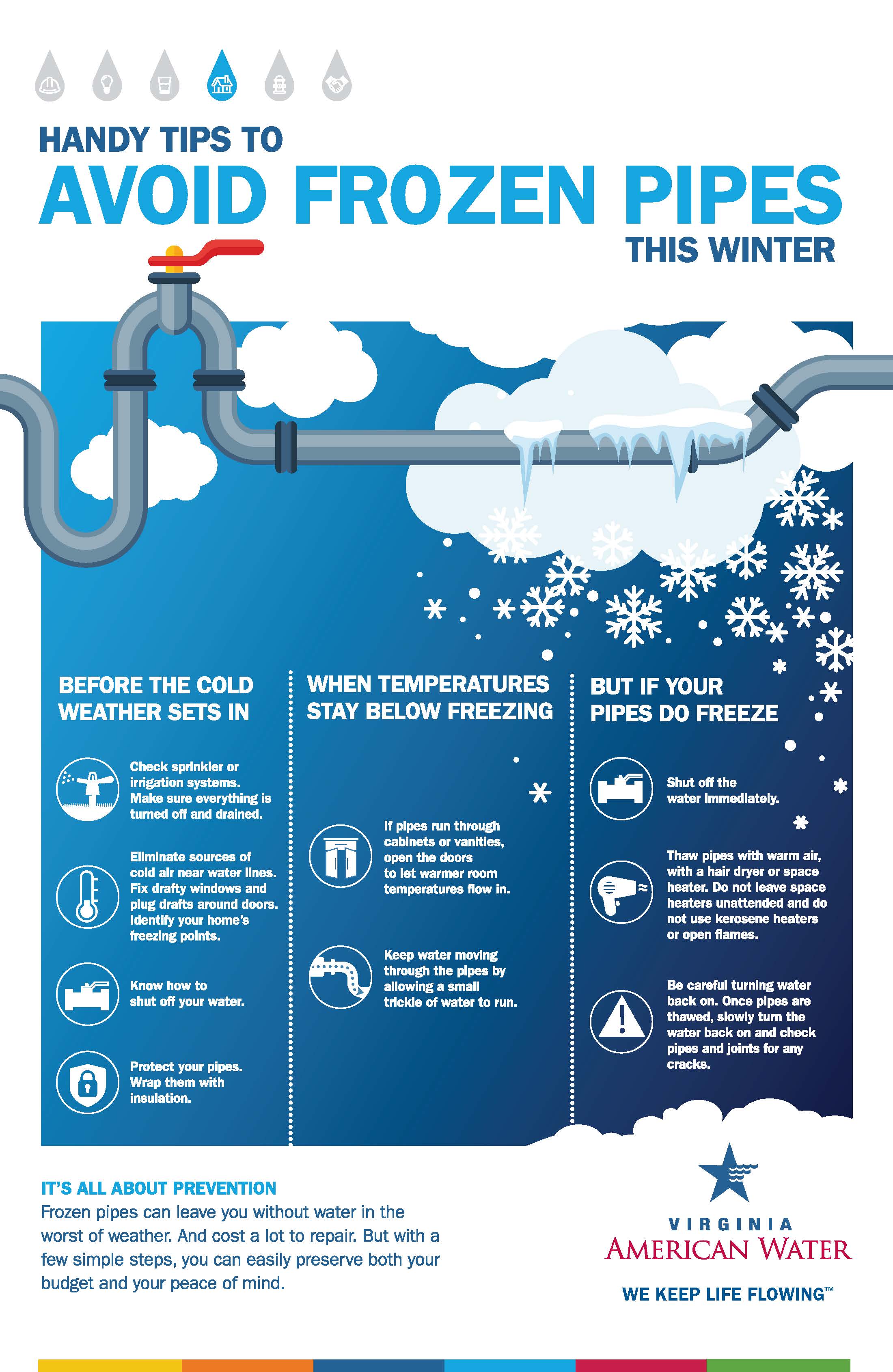
When it comes to sprinkler pipes, freezing is a significant concern, especially in areas that experience low temperatures during winter months. Generally, sprinkler pipes are susceptible to freezing when temperatures drop below 32°F (0°C). However, various factors can influence the exact temperature at which freezing occurs, including:
1. Type of Material: Different materials used in pipes have varying tolerance levels to cold. For instance, PVC pipes can become brittle and crack at lower temperatures, while metal pipes may withstand harsher conditions.
2. Insulation: The level of insulation around the pipes can significantly affect their susceptibility to freezing. Well-insulated pipes can endure lower temperatures without freezing compared to uninsulated ones.
3. Water Flow: Pipes filled with water that is in motion are less likely to freeze compared to stationary water. The movement helps to prevent ice formation by promoting warmer water circulation.
Factors That Influence the Freezing Point
The freezing point of water in sprinkler systems can be affected by several elements:
- Water Pressure: Higher water pressure may alter the freezing dynamics if the system is under constant flow.
- Valve Configuration: Closed valves can lead to stagnant water, which is more prone to freeze.
- Environmental Conditions: Wind chill and humidity can play roles in how quickly temperatures affect pipe integrity.
Signs of Frozen Pipes
Recognizing when sprinkler pipes have frozen can help prevent further damage:
See also:
- No Water Flow: If you notice that the sprinkler system isn't functioning when activated, it could mean a freeze.
- Frost Visibility: Visible frost on the pipes indicates a potential freeze in progress.
- Strange Noises: Unusual sounds from the system, like cracking or popping, could suggest internal ice buildup.
Preventative Measures
To avoid pipe freezing, several preventative strategies can be employed:
- Winterization: Properly winterizing the sprinkler system by draining water and using antifreeze solutions can prevent freezing.
- Insulation: Adding insulation to exposed pipes helps maintain their temperature and prevent freezing.
- Heating Cables: Installing electrical heating cables can provide warmth to vulnerable sections of piping.
Thawing Frozen Pipes
If pipes do freeze, careful thawing techniques can restore the system:
- Warm Towels: Applying warm, damp towels to the frozen sections can gradually thaw ice and reduce the risk of pipe bursting.
- Heat Gun: Using a heat gun on low settings can help thaw the pipes evenly without excessive heat that could cause damage.
- Hair Dryer: A hair dryer can be used to safely apply heat but should be used at a distance to avoid scorching the pipe surface.
Long-term Solutions
For long-term prevention of frozen pipes in sprinkler systems, consider these approaches:
- Upgraded Materials: Investing in materials designed for cold weather can reduce the risk of freezing.
- Scheduling Maintenance: Regular maintenance checks can help identify vulnerable points in the system before winter.
- System Design: Redesigning the sprinkler layout to ensure better drainage can significantly help mitigate freezing risks.
Will a sprinkler system freeze at 30?

A sprinkler system can be vulnerable to freezing temperatures, particularly when the temperature drops to 30 degrees Fahrenheit (approximately -1 degree Celsius). While 30°F is above the freezing point of water, there are several factors that can contribute to the likelihood of freezing. It’s essential to consider aspects such as wind chill, duration of cold exposure, and the design of the sprinkler system itself. If water is present in the pipes during these temperatures, even for a short duration, there is a risk of freezing which could potentially damage the sprinkler system.
Factors Influencing Freezing in Sprinkler Systems
The likelihood of a sprinkler system freezing at 30°F depends on several factors:
- Duration of Cold Weather: If temperatures stay at 30°F for extended periods, the risk increases as water in the pipes has more time to cool.
- Wind Chill: Wind can lower the effective temperature around the sprinkler system, increasing the chance of freezing.
- Moisture Levels: If the system is full of water and not drained properly, it is more susceptible to freezing regardless of the ambient temperature.
Types of Sprinkler Systems
Different types of sprinkler systems respond differently to freezing temperatures:
- Above-Ground Systems: These systems are more likely to freeze as they usually contain water in open pipes.
- In-Ground Systems: Typically designed to handle freezing better, these systems can still freeze if not winterized properly.
- Automatic Drain Systems: These systems are designed to drain residual water and mitigate freezing risk, but effectiveness can vary.
Preventive Measures
To avoid freezing in sprinkler systems when temperatures drop:
- Winterization: Properly winterizing your sprinkler system before cold weather can prevent water from freezing in the lines.
- Insulation: Insulating exposed pipes can help maintain a temperature above freezing.
- Keeping Water Moving: Running the system briefly during cold spells can help reduce the chance of freeze-related damage.
Signs of Freezing in Sprinkler Systems
Identifying signs of freezing helps in timely intervention:
- No Water Flow: A sudden lack of water output could indicate freezing in the pipes.
- Visible Ice: Ice formation around exterior components of the system is a direct sign of freezing.
- Cracks in Pipes: Physical damage to the pipes may occur if ice forms and expands within them.
Emergency Measures if Freezing Occurs
If you suspect freezing has occurred in your system:
- Check for Damage: Inspect pipes and fittings for any signs of cracks or leaks.
- Thawing: Gently thaw frozen areas using heat sources like heat tape or warm water, avoiding open flames.
- Consult Professionals: If unsure about the damage or how to proceed, seek help from irrigation specialists.
Questions from Our Readers
Should I turn off my sprinklers during winter?
It is generally advisable to turn off your sprinklers during winter to prevent damage from freezing temperatures. When the water in the system freezes, it can lead to cracks and breaks in the pipes, which can be costly to repair.
What are the risks of not turning off sprinklers in winter?
Not turning off your sprinklers can expose your system to frozen water damage, resulting in leaks or breakage that may go unnoticed until spring. This can lead to expensive repairs and prolonged downtime for your irrigation system.
When should I turn off my sprinklers for winter?
You should typically turn off your sprinklers before the first hard freeze, which varies by location but generally occurs between late fall and early winter. Monitoring local weather forecasts can help you decide the best time to shut down your system.
See also:
What should I do to prepare my sprinklers for winter?
To prepare your sprinklers for winter, you should drain the system, remove any backflow preventers to store them indoors, and consider insulating exposed pipes. This will help ensure that your system is protected against the harsh winter weather.

If you want to read more articles like Should I Turn Off My Sprinklers During Winter? Essential Tips for Winterizing Your Lawn Care, we recommend you check out our Irrigation category.
Leave a Reply
Related Articles