Should I Run My Sprinkler System Every Day? Essential Tips for Effective Lawn Care
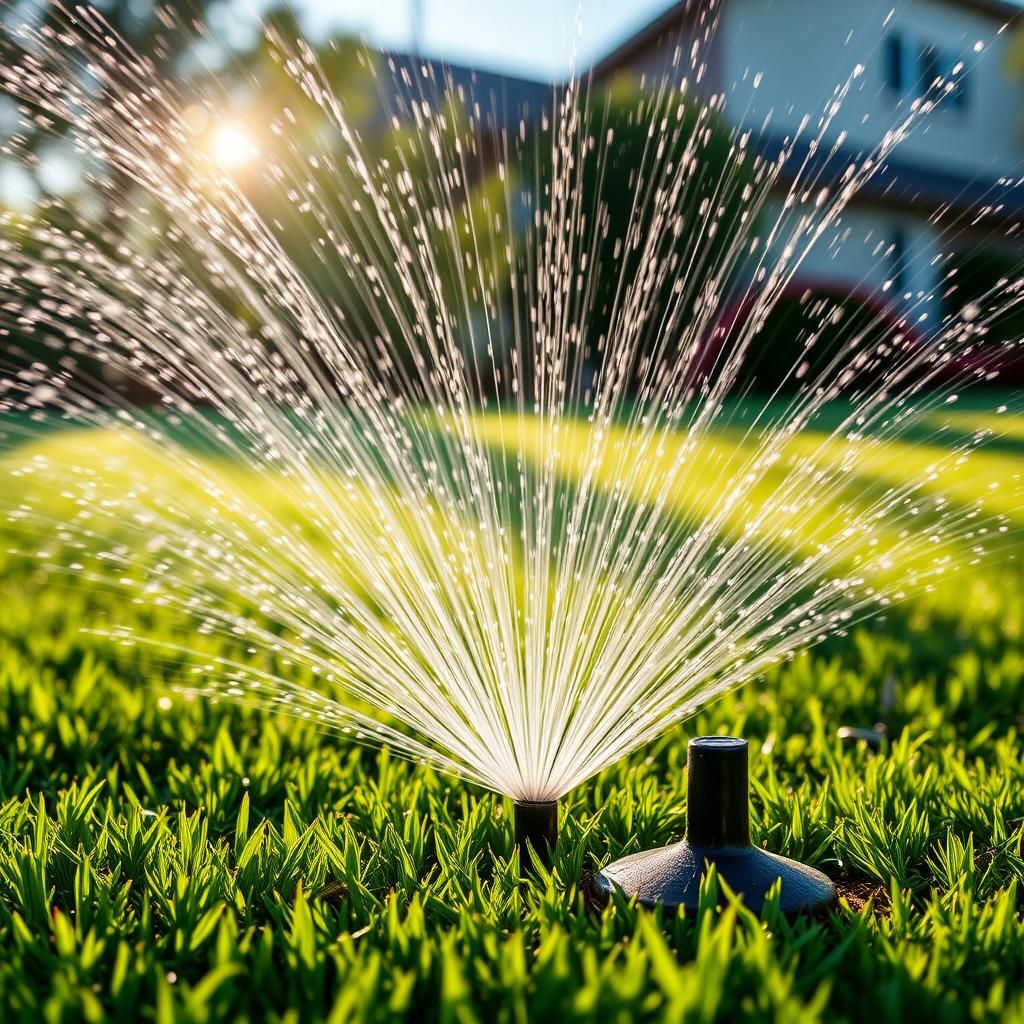
Maintaining a lush, green lawn is a labor of love that requires attention and care. One common question that homeowners face is whether they should run their sprinkler system every day. While regular watering is crucial for healthy grass growth, overwatering can lead to problems such as shallow root systems and increased susceptibility to disease. In this article, we will explore the factors to consider when deciding the frequency of your sprinkler system, including climate, soil type, and grass variety. By following these essential tips, you can achieve a vibrant lawn while conserving water and promoting sustainable practices.
Should I Run My Sprinkler System Every Day?
Running your sprinkler system every day is not always necessary or advisable, as it largely depends on various factors such as the type of grass you have, soil conditions, and the local climate. Daily watering can lead to overwatering, which may cause shallow root systems, increased susceptibility to diseases, and wasted water resources. Instead, it's generally recommended to adjust your watering schedule based on weather conditions, ensuring that your lawn receives between 1 to 1.5 inches of water per week, either from rainfall or irrigation. Implementing a more strategic approach, such as watering every other day or even less frequently during rainy seasons, can promote healthier grass growth and conserve water.
Benefits of Daily Watering
Daily watering can be beneficial in extremely hot and dry climates where the grass may quickly dry out. In such cases, providing your lawn with consistent moisture can help prevent heat stress and maintain a vibrant green color. Moreover, daily watering may be advantageous for newly seeded areas or sod that require more frequent attention to establish a robust root system. However, it's crucial to monitor the soil moisture levels to avoid overwatering, which can negate these benefits.
Risks of Overwatering
Overwatering can lead to several problems, including root rot, where the roots fail to get the necessary oxygen due to waterlogged soil. This can make the grass more susceptible to pests and diseases. Additionally, overwatering can cause nutrients to leach away from the soil, resulting in poorer soil health and less vibrant lawn color. To mitigate these risks, implementing a watering schedule that allows for proper drainage and evaporation is essential.
Alternatives to Daily Watering
Instead of running your sprinkler system each day, consider alternatives such as soaker hoses or drip irrigation systems that deliver water directly to the roots of plants. These methods are often more efficient and can help conserve water while ensuring that your garden remains adequately hydrated. Additionally, investing in a smart irrigation system can optimize your watering schedule based on current weather conditions and plant needs, further reducing water waste.
See also:
When to Adjust Your Sprinkler Schedule
Adjusting your sprinkler schedule should be based on a variety of factors, including seasonal changes, upcoming rainfalls, and specific types of grass. For instance, during the hotter months, you may need to water more frequently, while in the cooler months, less water may be needed. Observing environmental factors, such as the moisture content of the soil, can also inform your watering frequency, allowing you to create a more effective and sustainable watering plan.
Watering Frequency and Soil Type
The type of soil in your yard plays a significant role in determining how frequently you should water. Sandy soils drain quickly and may require more frequent watering, while clay soils retain moisture and may need less frequent watering. It's essential to understand your soil type and adjust your sprinkler schedule accordingly to ensure optimal lawn health. Conducting a simple soil moisture test can help you determine when it’s time to water again, making your approach more efficient.
| Factor | Daily Watering | Every Other Day |
|---|---|---|
| Soil Type | Best for sandy soil | More suitable for clay soil |
| Grass Type | Newly planted grass | Mature grass |
| Climate | Hot and dry conditions | Mild and wet conditions |
| Water Consumption | Higher consumption | Lower consumption |
| Root Health | Shallow roots | Deeper roots |
Understanding Your Lawn's Watering Needs
Determining whether to run your sprinkler system every day depends largely on the specific needs of your lawn, which can be influenced by factors such as grass type, climate, and seasonal changes. Typically, most lawns thrive on deep, infrequent watering rather than daily irrigation. This method encourages root development and improves drought resistance. Monitoring soil moisture levels and observing the overall health of your grass are essential steps in creating a customized watering schedule that promotes optimal lawn care without wasting water.
Factors Affecting Watering Frequency
Multiple factors influence how often you should run your sprinkler system, such as temperature, humidity, and soil type. During hotter months, increased evaporation may necessitate more frequent watering, while cooler, more humid conditions can reduce the need for daily irrigation. Additionally, sandy soils drain quickly, requiring more frequent watering compared to clay soils, which retain moisture longer. Understanding these factors helps tailor a watering schedule that meets your lawn's specific requirements.
Signs Your Lawn Needs Watering
Monitoring your lawn for signs that it needs watering is crucial for effective care. Look for wilting grass, discoloration, or footprints that remain visible after walking on the lawn; these are clear indicators of insufficient moisture. Grass that struggles to bounce back after being stepped on or appears dull and blue-gray is signaling a need for water. Regularly assessing these signs can help ensure your lawn remains healthy and vibrant.
See also:
Seasonal Adjustments for Sprinkler Use
As seasons change, so should your watering practices. In the spring and fall, when temperatures are moderate and rainfall is more regular, you can often reduce the frequency of your sprinkler system. Conversely, during the peak of summer, you may need to increase watering to prevent drought stress. Adjusting your watering routine in accordance with the seasons supports a robust lawn and conserves water resources.
The Role of Grass Type in Watering Needs
Different types of grass have varying water requirements. For example, warm-season grasses, such as Bermudagrass, typically thrive in warmer temperatures and may require more frequent watering, especially during summer. On the other hand, cool-season grasses like Kentucky bluegrass prefer cooler climates and may not need as much water during hot months. Familiarizing yourself with your lawn's grass type can help you determine the appropriate watering frequency for optimal health.
Benefits of Proper Sprinkler Management
Effective management of your sprinkler system not only promotes a healthy lawn but also has environmental benefits. By watering at optimal times, such as early morning or late evening, and avoiding overwatering, you can significantly reduce water waste. Additionally, deep watering encourages deeper root growth, leading to a more resilient lawn during drought conditions. Ultimately, thoughtful sprinkler management supports both your lawn's health and environmental stewardship.
Questions from Our Readers
Should I run my sprinkler system every day?
No, running your sprinkler system every day is generally not necessary. Most lawns and gardens require about 1 to 1.5 inches of water per week, which can usually be achieved with just two to three watering sessions, depending on rainfall and soil moisture.
What factors should I consider before watering daily?
Several factors should be taken into account, including soil type, grass type, and weather conditions. Sandy soils drain quickly and may need more frequent watering, while clay soils retain moisture longer, reducing the need for daily watering.
See also:
What are the risks of watering too frequently?
Watering too frequently can lead to shallow root growth and promote diseases. If the grass doesn’t develop deep roots, it may become more susceptible to drought and pests.
When is the best time to run my sprinkler system?
The best time to run your sprinkler system is early in the morning or late in the evening. This minimizes water evaporation and allows the moisture to reach the roots effectively.

If you want to read more articles like Should I Run My Sprinkler System Every Day? Essential Tips for Effective Lawn Care, we recommend you check out our Irrigation category.
Leave a Reply
Related Articles