Should I Remove Weeds Before Putting Mulch Down? Discover the Best Practices for a Healthy Garden

When it comes to maintaining a healthy garden, one crucial question often arises: should I remove weeds before putting down mulch? This decision can significantly impact the success of your gardening efforts. Weeds compete for vital nutrients, water, and light, which can hinder the growth of your plants. In this article, we will explore best practices for managing weeds before mulching, offering insights into the benefits of a clean garden bed and effective mulching techniques. Discover how to create a thriving garden environment while keeping those pesky weeds at bay for a lush, productive landscape.
Should I Remove Weeds Before Putting Down Mulch?
Before applying mulch, it is highly recommended to remove weeds, as they can compete with your plants for essential nutrients and moisture. Weeds not only take up space in your garden but also may thrive under the protection of mulch, ultimately undermining your gardening efforts. By clearing out the weeds, you create a healthier environment for your desired plants to grow while preventing the weeds from becoming established and harder to manage later on.
Benefits of Removing Weeds
Removing weeds prior to mulching provides numerous benefits, including reducing competition for resources such as sun, water, and nutrients. Weeds can harbor pests and diseases that might spread to your plants, so eliminating them helps to promote a healthier garden ecosystem. Additionally, without the presence of weeds, your landscape will have a tidier and more appealing appearance.
How to Effectively Remove Weeds
To effectively remove weeds, you can use various methods, including pulling them by hand, using a hoe, or applying herbicides for more stubborn infestations. It’s crucial to ensure that you remove the whole root system of the weed to prevent regrowth. Moreover, targeting weeds when they are young is the most effective strategy, as larger weeds tend to be more resilient.
Timing for Weed Removal
The timing for weed removal is essential. It is best to tackle weeds in early spring or late fall when they are actively growing but before they flower and seed. This approach ensures that you are removing them before they can propagate further in your garden. In addition, removing weeds before mulching allows you to establish the mulch layer while the soil is still moist, aiding in the prevention of future weed growth.
Impact of Leaving Weeds Under Mulch
Leaving weeds under mulch can have negative consequences, as they often continue to grow unchecked beneath the mulch layer. This growth not only reduces the effectiveness of the mulch in suppressing weeds but can also lead to increased weed proliferation. The organic matter of mulch can create a more favorable environment for weed seeds to germinate, leading to a cycle of persistent weed problems.
Alternative Methods to Control Weeds
If removing weeds feels overwhelming, alternative methods can be used alongside mulching to manage them effectively. Use landscape fabrics underneath mulch, which allows water and nutrients to pass through while suppressing weed growth. Additionally, consider using thicker layers of organic mulch, which can smother existing weeds and prevent new ones from taking root. This method, combined with diligent maintenance, can lead to a significantly reduced weed population over time.
| Method | Description | Effectiveness |
|---|---|---|
| Hand Pulling | Manually pulling weeds from the roots. | Highly effective for small infestations. |
| Hoeing | Using a hoe to cut weeds at the soil level. | Effective but may require frequent maintenance. |
| Herbicides | Chemical treatments to kill weeds. | Effective but can impact surrounding plants. |
| Mulching | Covering soil with organic material to suppress weeds. | Very effective, especially when layered thickly. |
| Landscape Fabric | Fabric barrier that prevents weed growth. | Highly effective when used with mulch. |
Should you pull weeds before mulching?

Yes, you should pull weeds before mulching. Weeds compete with your plants for resources such as nutrients, water, and sunlight. By removing them prior to applying mulch, you ensure that the benefits of the mulch, like moisture retention and soil temperature regulation, are maximized for your desired plants rather than for unwanted weeds.
Benefits of Removing Weeds
Removing weeds before mulching offers several advantages:
- Resource Allocation: Weeds consume nutrients and water that your plants need.
- Pest Control: Weeds can harbor pests and diseases that may affect your garden.
- Mulch Effectiveness: Mulch can effectively suppress weed growth if applied on a clean surface.
Techniques for Effective Weed Removal
Proper techniques for weed removal can greatly enhance your gardening practices:
- Hand Pulling: Remove weeds by hand, making sure to pull out the entire root system.
- Weeding Tools: Utilize tools like a hoe or a weeder for deeper-rooted weeds.
- Soil Moisture: Weeding is easier when soil is moist; consider watering before removing weeds.
Timing of Weed Removal
The timing of when to remove weeds plays an essential role in weed management:
- Before Mulching: Ideally, remove weeds a few days before applying mulch to allow soil to settle.
- Regular Maintenance: Conduct ongoing weed removal throughout the growing season.
- Seasonal Considerations: Early spring is often the best time to tackle weeds before they proliferate.
Impact of Mulch on Weeds
Understanding how mulch interacts with weeds can inform your gardening strategies:
See also:
- Weed Suppression: Mulch can significantly reduce weed growth by blocking sunlight.
- Type of Mulch: Organic mulches decompose and enrich the soil, while inorganic mulches can provide long-lasting suppression.
- Depth of Mulch: A thicker layer of mulch (2-4 inches) is generally more effective at preventing weeds.
Following Up After Weeding and Mulching
After pulling weeds and applying mulch, maintenance is key:
- Regular Inspections: Check for any new weed growth periodically.
- Replenish Mulch: Add more mulch as needed to maintain adequate coverage.
- Soil Health: Continue to monitor soil moisture and plant health to ensure a thriving garden.
Can I lay mulch over dead weeds?

Yes, you can lay mulch over dead weeds, but there are some important considerations to keep in mind to ensure you achieve the best results for your garden or landscape.
When you spread mulch over dead weeds, it can help suppress future weed growth and improve the aesthetic appeal of your garden. However, if the weeds are not completely dead or if they have seeds that could germinate, you risk the possibility of the weeds growing back through the mulch. Therefore, it's crucial to ensure that the weeds are fully dried and dead before applying mulch.
Here are some factors to consider before laying mulch over dead weeds:
Benefits of Applying Mulch Over Dead Weeds
Applying mulch over dead weeds offers several benefits:
- Weed Suppression: The layer of mulch will block sunlight from reaching any remaining weed seeds, preventing germination.
- Moisture Retention: Mulch helps retain soil moisture, which can be beneficial for your plants.
- Improved Soil Quality: Organic mulches decompose over time, adding nutrients back into the soil.
Types of Mulch Suitable for Use Over Dead Weeds
Different types of mulch can be effective when applied over dead weeds:
- Bark Mulch: Provides a decorative touch and effectively suppresses weeds.
- Straw: A lightweight option that is effective for preventing weeds but breaks down quickly, so it may need to be replenished.
- Wood Chips: Great for moisture retention and gives a natural look to your garden space.
Steps to Properly Apply Mulch Over Dead Weeds
To ensure successful mulch application, follow these steps:
- Clear Debris: Remove any larger debris and dead plant material around the area if necessary.
- Water the Area: Lightly moisten the soil before adding mulch to maximize moisture retention.
- Apply Mulch Evenly: Spread the mulch to a depth of 2-4 inches, making sure to maintain a slight distance from plant stems.
Potential Issues with Laying Mulch on Weeds
Be aware of potential issues that may arise when mulching over weeds:
- Weed Regrowth: If weeds are not completely dead, they may continue to grow through the mulch layer.
- Watering Challenges: Thick layers of mulch can restrict water reach to the soil, especially during heavy rains.
- pH Changes: Some organic mulches can alter soil pH as they decompose, affecting plant health.
Alternative Methods for Weed Control Before Mulching
Consider these alternative methods for controlling weeds before applying mulch:
- Hand Pulling: Manually pull out weeds to ensure removal of roots.
- Usage of Herbicides: Chemical herbicides can effectively kill weeds, provided you follow the manufacturer's instructions.
- Solarization: Covering the area with plastic can heat the soil and kill weeds, enhancing the preparation for mulching.
What to do before putting mulch down?
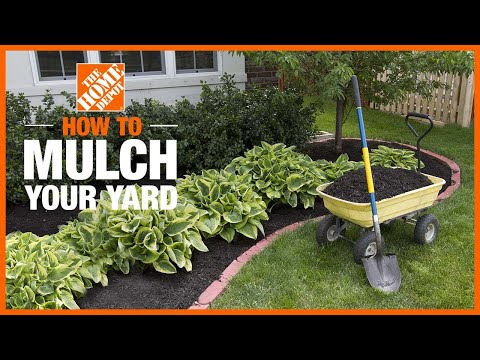
Before putting mulch down, there are several essential steps and considerations to ensure that the mulch serves its purpose effectively. Proper preparation can enhance the health of your plants, reduce weeds, and improve moisture retention.
Assess the Soil Quality
Assessing the soil quality is crucial before applying mulch. The condition of the soil can significantly influence plant health and growth.
See also:
- Test the pH level using a soil test kit to determine if any amendments are necessary.
- Check for drainage issues; compacted or poorly draining soil may require aeration or soil amendments.
- Consider adding organic matter, such as compost, to improve soil structure and fertility before mulching.
Weed Control
Effective weed control is another vital step to take before applying mulch. Weeds can compete with your plants for nutrients and water.
- Remove any existing weeds manually or with the use of a hoe or garden fork to prevent them from coming back.
- Consider using a non-toxic herbicide if the weed infestation is significant, ensuring that it won't harm the desired plants.
- Cover the area with cardboard or landscape fabric as a barrier before applying mulch to suppress weed growth.
Choose the Right Mulch Material
Selecting the right type of mulch material is important for optimal results. Different types of mulch have various benefits and drawbacks.
- Decide between organic options (like bark, wood chips, or straw) and inorganic options (like rubber or gravel) depending on your gardening goals.
- Consider the visual appeal and whether the mulch complements your landscape design.
- Make sure to choose mulch that suits the type of plants you are mulching around, as some materials are better for moisture retention than others.
Prepare the Area
Properly preparing the area where mulch will be applied can enhance its effectiveness. The preparation stage ensures that the mulch will be applied correctly.
- Clear the area of debris, rocks, and weeds to create a clean surface for the mulch.
- Level the soil to promote even coverage and ensure an aesthetically pleasing appearance.
- If necessary, plan the desired depth of mulch, usually around 2 to 4 inches, to achieve the best results.
Moisture Considerations
Addressing moisture considerations is essential to ensure that your plants receive adequate water after the mulch is applied.
- Water the area thoroughly before applying mulch to ensure the soil is moist and hydrated.
- Monitor the weather forecast and avoid applying mulch right before heavy rain, which can wash away topsoil.
- After mulching, establish a watering schedule to keep the moisture levels consistent throughout the growing season.
Can you sheet mulch over weeds?

Yes, you can sheet mulch over weeds. Sheet mulching is a popular gardening technique that involves layering organic materials on top of the soil to suppress weeds and improve soil health. When applied correctly, it can effectively smother existing weeds and prevent them from growing back.
What is Sheet Mulching?
Sheet mulching is a method of gardening that consists of layering materials such as cardboard, newspaper, and organic matter, like straw or compost. The process involves the following steps:
- Preparation: Clear the area of larger debris and cut down any tall weeds.
- Layering: Place a thick layer of cardboard or newspaper over the weeds. Wet this layer to help it settle.
- Organic Matter: Add a layer of mulch, such as straw or wood chips, on top to maintain moisture and improve soil quality.
Effects on Weeds
Sheet mulching can effectively suppress existing weeds through several mechanisms:
- Light Blockage: The layers restrict sunlight from reaching the weeds, inhibiting their growth.
- Moisture Retention: The mulch helps retain soil moisture, making conditions less favorable for weeds.
- Soil Improvement: As the organic materials break down, they enhance soil fertility, further promoting healthy plant growth over weeds.
Best Materials for Sheet Mulching
The materials you choose for sheet mulching can greatly influence its effectiveness. Here are some ideal options:
- Cardboard: Acts as an excellent base layer that biodegrades over time.
- Newspaper: Also effective; use multiple sheets to ensure weed coverage.
- Organic Mulch: Composts, wood chips, straw, or grass clippings can be layered on top to provide nutrients.
Timing for Sheet Mulching
The timing of your sheet mulching can impact its success. Consider these important points:
- Season: Late summer or early fall is ideal for sheet mulching, allowing the materials to break down over winter.
- Weed Growth Stage: It’s best to apply sheet mulch when weeds are present but not flowering to prevent seed dispersal.
- Prior Preparation: Mow or cut down tall weeds before applying your mulch layers to enhance effectiveness.
Maintenance Post-Sheet Mulching
After applying sheet mulch, ongoing maintenance is important for long-term success:
- Check Moisture Levels: Ensure the mulch stays moist to facilitate decomposition and weed suppression.
- Add More Layers: As the top layer decomposes, you may need to replenish it to maintain effectiveness.
- Monitor for Weeds: Occasionally check for any weeds that manage to break through and remove them promptly.
Questions from Our Readers
Should I remove weeds before putting mulch down?
Yes, it is advisable to remove weeds before applying mulch. Weeds can continue to grow beneath the mulch, competing with your plants for nutrients and water. Additionally, if left untreated, these weeds might penetrate through the mulch layer, negating its benefits.
What is the best method to remove weeds before mulching?
The best method to remove weeds is to hand-pull them or use a hoe to cut them at the roots. For larger infestations, you might consider using an appropriate herbicide or a combination of techniques to ensure that you eliminate as much of the root system as possible.
See also:
Can I just cover the weeds with mulch instead of removing them?
Covering weeds with mulch is not recommended as a long-term solution. While it may temporarily suppress their growth, the weeds can still thrive underneath the mulch, eventually breaking through and causing problems for your garden.
How thick should the mulch be to prevent weed growth?
To effectively inhibit weed growth, mulch should generally be applied at a thickness of 2 to 4 inches. This thickness provides adequate coverage to block sunlight while still allowing moisture and air to reach the soil, which is crucial for healthy plant growth.

If you want to read more articles like Should I Remove Weeds Before Putting Mulch Down? Discover the Best Practices for a Healthy Garden, we recommend you check out our Mulch category.
Leave a Reply
Related Articles